How Do You Verify the Engine Number on Your Vehicle
Verifying your engine number is one of the most important steps in confirming your vehicle’s identity and history. Whether you are buying a used car, registering a vehicle, or handling insurance paperwork, knowing how to locate and check the engine number saves you time and protects you from fraud. This guide walks you through every step in simple, clear language.
Your car has a unique fingerprint. Just like your social security number identifies you, the engine number identifies your vehicle’s heart. Whether you are a car owner, a buyer, or someone just curious about how vehicles work, understanding how to verify the engine number is a valuable skill.
Many people overlook this small alphanumeric code until they need it for a registration, insurance claim, or purchase. But by then, it can be too late to act quickly. This guide will show you exactly how to find and verify your engine number without any hassle.
The process is simpler than most people think. You do not need to be a mechanic or a tech expert. With a little patience and the right guidance, you can confirm your engine number in minutes. Let us walk through it together.
Key Takeaways
- Know where to look: The engine number is found in several common spots depending on your vehicle make and model.
- Verification matters: Confirming the engine number helps prevent fraud and ensures accurate vehicle records.
- Multiple methods exist: You can verify the engine number through physical inspection, online databases, and dealership records.
- Missing numbers happen: There are clear steps to take if your engine number plate is damaged or illegible.
- Document everything: Always keep records of your engine number verification for future reference.
📑 Table of Contents
- What Is an Engine Number and Why Does It Matter?
- Where to Find the Engine Number on Your Vehicle
- How to Verify the Engine Number Step by Step
- Common Reasons You Need to Verify the Engine Number
- Engine Number vs VIN: What Is the Difference?
- What to Do If Your Engine Number Is Missing or Damaged
- Quick Tips for Engine Number Verification
- Expert Insights on Engine Number Verification
- Key Takeaways
- Conclusion
What Is an Engine Number and Why Does It Matter?
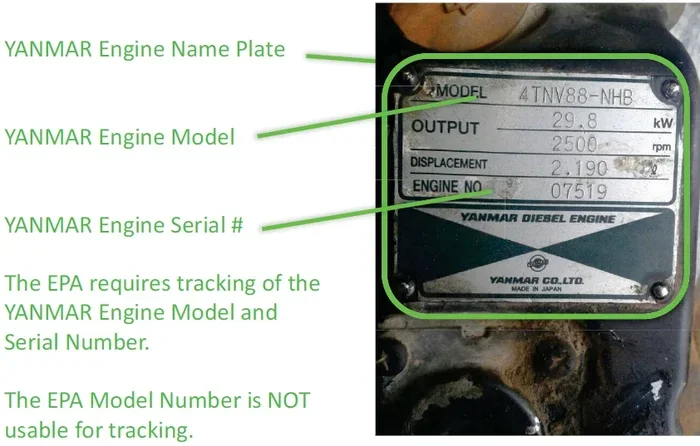
An engine number is a unique code stamped directly onto the engine block of your vehicle. Every engine manufactured receives its own distinct number. This number tells manufacturers, dealers, and regulators exactly which engine was installed in your car.
Think of it like a birth certificate for your engine. It contains important information about the engine type, manufacturing date, and production sequence. When you verify this number, you confirm that the engine in your car matches the official records.
Why Engine Numbers Are Important
Engine numbers serve several critical purposes. First, they help authorities track stolen vehicles and engines. If your car is stolen, the engine number is one of the primary identifiers used to recover it. Second, they ensure accuracy during vehicle inspections and emissions testing.
Third, they protect buyers from fraud. When purchasing a used car, verifying the engine number confirms that the vehicle has not had a swapped or replaced engine without disclosure. This single step can save thousands of dollars and a lot of headaches.
Finally, engine numbers matter for warranty and service records. When you take your car in for maintenance, technicians reference the engine number to access the correct service history. It also matters if you ever need to get a free diagnostic for your car, as the number helps identify the exact engine specifications.
Where to Find the Engine Number on Your Vehicle
Finding the engine number is the first step in the verification process. The location varies by vehicle make, model, and year. But there are several common spots where manufacturers place this identifier.
Common Locations by Vehicle Type
Most cars have the engine number stamped on the engine block itself. For many vehicles, you can find it on the front of the engine, near the cylinder head. The number is usually etched or stamped into a metal plate attached to the engine.
Here are the most common places to look:
- Engine block: The flat surface of the engine block, often near the cylinder head.
- Engine mounting pad: A flat area where the engine connects to the vehicle frame.
- Firewall area: The metal wall between the engine compartment and the cabin.
- Vehicle documentation: The owner’s manual, registration papers, or insurance documents often list the engine number.
- Dashboard or door jamb sticker: Some manufacturers place a label with the engine number on the driver’s side door frame or dashboard.
Tips for Locating the Engine Number
Finding the engine number can sometimes be tricky. Dirt, grease, and engine heat can make the stamping hard to read. Use a flashlight and a clean rag to wipe the area gently. If the number is stamped into metal, try running your finger over the grooves to feel the indentations.
For older vehicles, the engine number plate may be corroded or partially worn. In these cases, look for partial numbers and use them to cross-reference with other sources. If you have trouble finding it, consult your vehicle’s service manual. It will have a diagram showing the exact location for your specific model.
How to Verify the Engine Number Step by Step
Once you have located the engine number, the next step is verification. This process confirms that the number on your engine matches the records. Follow these steps carefully for accurate results.
Step 1: Record the Engine Number
Write down the full engine number exactly as it appears. Use a piece of paper or take a clear photo with your phone. Make sure you capture every digit and letter. Even one missing character can cause a mismatch during verification.
Pay attention to any letters that look similar to numbers. For example, the letter “I” can look like the number “1,” and the letter “O” can look like the number “0.” Double-check your recording to avoid confusion.
Step 2: Check Your Vehicle Documentation
Now compare the number you recorded with what is listed in your vehicle documents. Look at the registration certificate, title, and owner’s manual. The engine number should match exactly across all documents.
If you are buying a used car, ask the seller for all documentation. Compare the engine number on the engine itself with what is printed on the paperwork. Any discrepancy is a red flag that deserves further investigation.
Step 3: Use Online Verification Tools
Several online tools can help you verify engine numbers. Many vehicle manufacturers offer lookup tools on their official websites. You enter the engine number, and the system returns the engine specifications, production date, and vehicle compatibility.
You can also use VIN decoder tools, since the engine number is often linked to the vehicle identification number. These decoders pull up detailed information about the vehicle’s history and specifications. If you are curious about other vehicle identifiers, you might also wonder whether you can start a keyless car with a traditional key, as these systems are all part of modern vehicle identification.
Step 4: Contact the Manufacturer or Dealer
If online tools do not give you clear results, contact the vehicle manufacturer directly. Provide them with the engine number and your vehicle details. They can confirm whether the number is valid and matches their records.
You can also visit a local dealership with the same make as your vehicle. Service advisors have access to internal databases that can cross-reference engine numbers quickly. This method is especially helpful for older or rare vehicles where online databases may not have complete records.
Common Reasons You Need to Verify the Engine Number
There are many situations where verifying the engine number becomes essential. Understanding these scenarios helps you know when to take action and why it matters.
Buying a Used Vehicle
This is the most common reason people verify engine numbers. When you buy a used car, you want to make sure the engine is original and has not been replaced without your knowledge. A swapped engine can indicate hidden damage, flood damage, or even a stolen vehicle.
Always verify the engine number before finalizing a purchase. Compare the number on the engine with the number on the title and registration. If they do not match, ask the seller for an explanation before proceeding.
Vehicle Registration and Inspection
During vehicle registration or inspection, authorities need to confirm that the engine matches the vehicle’s documented specifications. The engine number serves as proof that the vehicle has not been modified in ways that violate regulations.
In some states, a mismatched engine number can cause your registration to be denied. This is why it is smart to verify the number proactively, well before any inspection deadline.
Insurance Claims and Total Loss Situations
After an accident, insurance companies use the engine number to verify the vehicle’s identity and assess the claim. If the engine number does not match their records, it can delay the claims process significantly.
Keeping your engine number recorded and verified ahead of time makes the insurance process smoother. It also helps if you ever need to drive a car without a muffler and need to prove vehicle ownership during a roadside check, as having all your documentation in order is always beneficial.
Stolen Vehicle Recovery
If your vehicle is ever stolen, the engine number becomes a critical piece of evidence for law enforcement. Police use this number to identify recovered vehicles, especially if the license plates have been changed or removed.
This is another reason to keep a record of your engine number in a safe place. Having it readily available can speed up the recovery process if the worst ever happens.
Engine Number vs VIN: What Is the Difference?
People often confuse the engine number with the vehicle identification number, or VIN. While both are unique identifiers, they serve different purposes and contain different information.
The VIN is a 17-character code that identifies the entire vehicle. It covers the make, model, year, assembly plant, and production sequence. The VIN is found on the dashboard, door jamb, and vehicle title.
The engine number, on the other hand, is specific to the engine itself. It tells you the engine type, size, and manufacturing details. One vehicle can have its engine replaced, which means the engine number changes but the VIN stays the same.
When verifying your vehicle, both numbers matter. The VIN gives you the big picture of the vehicle’s identity, while the engine number confirms the specific engine installed. Together, they provide a complete picture of your car’s history and specifications.
What to Do If Your Engine Number Is Missing or Damaged
Sometimes the engine number is not where it should be, or it has become illegible over time. This can happen due to corrosion, accidental damage, or previous repairs. If you face this situation, do not panic. There are steps you can take.
Check Alternative Sources First
Before assuming the worst, check all alternative sources. Look at your vehicle registration, insurance documents, and owner’s manual. Many of these contain the engine number on file. You can also check maintenance records from dealerships or independent shops.
Request a Replacement Engine Number Plate
If the engine number plate is missing or damaged beyond reading, you can request a replacement from the vehicle manufacturer. Contact the manufacturer’s customer service with your vehicle details, including the VIN and model information.
They may be able to provide a new plate or confirm the engine number from their internal records. This process may take some time, so start early if you need the number for a deadline.
Consult a Certified Mechanic
A certified mechanic has the tools and expertise to help recover a damaged engine number. They can use specialized equipment to read partial engravings or cross-reference the VIN to determine the original engine number.
In some cases, the mechanic may need to contact the manufacturer directly to confirm the number. This is a reliable option when other methods have failed.
Quick Tips for Engine Number Verification
- Always clean the engine area before trying to read the number.
- Take clear photos of the engine number for your records.
- Keep a copy of the engine number in a safe place separate from the vehicle.
- Verify the number before purchasing any used vehicle.
- Use multiple verification methods for the most accurate results.
- Note any discrepancies immediately and investigate them thoroughly.
Expert Insights on Engine Number Verification
Industry professionals agree that engine number verification is one of the most overlooked aspects of vehicle ownership. According to automotive experts, many buyers skip this step entirely, which can lead to costly surprises down the road.
The most common mistake people make is assuming the engine number on the paperwork is correct without physically checking the engine. Always verify in person. The second most common mistake is not recording the engine number regularly. Make it a habit to document this number during every oil change or major service visit.
Modern vehicles have made some of this process easier. Many newer cars store engine information electronically, which can be accessed through diagnostic tools. However, the physical engine number remains the most reliable form of verification, especially for older vehicles and cross-border transactions.
Key Takeaways
- Engine numbers are unique identifiers: Every engine has its own distinct number that confirms its identity and specifications.
- Location varies by vehicle: Check the engine block, mounting pad, firewall, and vehicle documentation to find the number.
- Verification prevents fraud: Comparing the physical engine number with paperwork protects you from hidden engine swaps and stolen vehicle schemes.
- Multiple verification methods exist: Use online tools, manufacturer databases, dealership records, and physical inspection for complete accuracy.
- Missing numbers can be resolved: Contact the manufacturer, consult a mechanic, or check alternative documentation sources if the number is illegible.
- Both engine number and VIN matter: The VIN identifies the vehicle, while the engine number identifies the specific engine installed.
- Keep records safe: Always store copies of your engine number in a secure location separate from the vehicle.
Conclusion
Verifying your engine number is a straightforward process that protects your investment and gives you peace of mind. Whether you are a current car owner or planning to buy a used vehicle, taking the time to confirm this number is well worth the effort.
The steps outlined in this guide make the process accessible to everyone. You do not need special tools or technical knowledge. With a flashlight, your vehicle documents, and a little patience, you can verify your engine number quickly and accurately.
Make it a habit to record and verify your engine number regularly. Keep the information in a safe place, and share it with trusted family members. This small action can save you significant time, money, and stress if you ever need it most.
Stay proactive about your vehicle’s identity. The engine number is one of the most important pieces of information your car carries. Treat it with the same care and attention you give to your vehicle’s maintenance and safety.
Frequently Asked Questions
Can I verify my engine number online for free?
Yes, many vehicle manufacturers and third-party websites offer free engine number lookup tools. You simply enter the engine number into their search field, and the system returns the engine specifications and compatibility details. Some VIN decoder websites also include engine number verification as part of their free services.
What should I do if the engine number does not match my vehicle title?
A mismatch between the engine number and the title is a serious concern. Contact your local Department of Motor Vehicles immediately to report the discrepancy. You may need to provide additional documentation or have the vehicle inspected to resolve the issue. Do not attempt to sell or register the vehicle until the mismatch is cleared up.
Is the engine number the same as the serial number?
In most cases, yes. The engine number and engine serial number refer to the same identifier. However, some manufacturers use slightly different terminology. Always check your vehicle’s documentation to confirm what term your specific manufacturer uses for the engine identifier.
How often should I verify my engine number?
There is no set schedule, but it is a good practice to verify your engine number during major service intervals or whenever you notice changes in engine performance. If you buy a used vehicle, always verify the number before completing the purchase. Keeping a record every six months is a solid habit for thorough vehicle owners.
Can someone change or forge an engine number?
While it is technically possible, altering a vehicle identification number or engine number is illegal in most jurisdictions. Law enforcement agencies are trained to detect tampering through forensic analysis. If you suspect your engine number has been altered, report it to authorities immediately and have the vehicle inspected by a trusted mechanic.
Does every vehicle have an engine number?
Yes, virtually all road-legal vehicles manufactured after the early 1900s have an engine number. Some very old or custom-built vehicles may lack one, but these are rare exceptions. If you own a classic or custom vehicle without an engine number, consult your local DMV for guidance on proper registration and identification procedures.