Can I Add Oil Without Changing It What You Need To Know
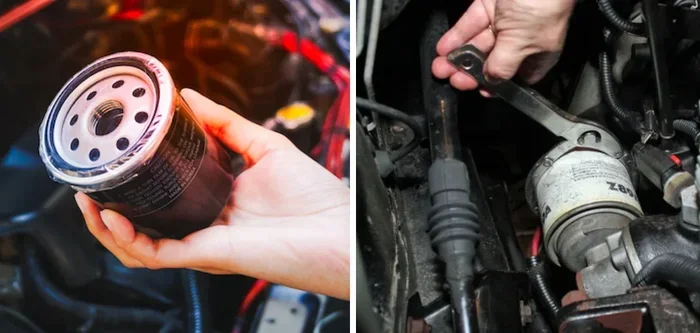
You can add oil without changing it, but only as a short-term fix. Topping off engine oil keeps your car running, but it does not replace the full oil change process. Old oil breaks down, loses additives, and collects contaminants over time. Regular oil changes are essential for long-term engine health.
Can you add oil without changing it? The short answer is yes. But the real question is whether you should rely on this as a long-term solution. Many car owners face this situation at some point. Maybe you noticed the oil light flickering on your dashboard. Or perhaps you just drove past your scheduled oil change date by a few hundred miles. Whatever the reason, understanding what happens when you simply top off your engine is important.
Adding oil without changing it is a quick fix, not a permanent one. Think of it like refilling a glass of water that has some dirt in it. The water level goes up, but the water is still dirty. Your engine works the same way. Fresh oil lubricates, cools, and cleans internal parts. Old oil loses all of those abilities over time. Let us break down everything you need to know about this common car maintenance question.
Key Takeaways
- Topping off is safe temporarily: Adding oil between changes is fine, but it does not clean or refresh your engine.
- Old oil degrades over time: Oil loses its lubricating properties, which increases engine wear.
- Check your oil level regularly: Use the dipstick to monitor oil between changes and avoid running low.
- Use the right oil type: Always match the oil viscosity and type recommended by your car manufacturer.
- Watch for warning signs: Dark color, burning smell, or low levels mean it is time for a full oil change.
- Follow the manufacturer schedule: Sticking to the recommended oil change interval prevents costly repairs.
📑 Table of Contents
- What Happens When You Add Oil Without Changing It
- When It Is Safe to Add Oil Without Changing
- How to Properly Add Oil to Your Engine
- Risks of Only Adding Oil and Never Changing It
- How Often Should You Change Your Oil
- Can You Mix Different Oil Types
- Expert Insights on Oil Maintenance
- Quick Tips for Oil Maintenance
- Conclusion
What Happens When You Add Oil Without Changing It
When you add new oil to old oil, the two mix together. The new oil temporarily improves lubrication. It raises the oil level back to a safe range. But it does not remove the contaminants already present. Sludge, metal particles, and fuel residue remain in the system. Over time, this mixture breaks down even faster than either oil would on its own.
The Mixing Effect
New oil blends with the old oil already in your engine. The additives in fresh oil get diluted by the used oil. Detergents, anti-wear agents, and viscosity modifiers all lose some effectiveness. You get a partial benefit at best. The oil change process exists specifically to drain out this contaminated mixture entirely.
Why Topping Off Is Not Enough
Topping off only addresses the level problem. It does not fix the quality problem. Used oil becomes acidic over time. It collects soot and carbon deposits. These particles accelerate wear on bearings, cylinder walls, and other critical components. Simply pouring in more oil masks the real issue. Your engine may run fine for a while, but internal damage builds up silently.
When It Is Safe to Add Oil Without Changing
There are specific situations where adding oil without a full change makes sense. Understanding these moments helps you make smart decisions about your car care routine.
Low Oil Between Scheduled Changes
It is normal for oil levels to drop slightly between changes. Small amounts burn off during normal engine operation. If your oil level falls below the minimum mark on the dipstick, adding a small amount is perfectly safe. This keeps the engine lubrication system working properly until your next scheduled oil change.
Emergency Situations
If you are on the road and your oil pressure light comes on, adding oil is an emergency measure. Pull over safely and check the level. Add the correct oil type to bring it back up. Then drive to the nearest service center. Do not ignore a low oil warning. Running an engine with no oil causes catastrophic damage very quickly.
After Long Periods of Inactivity
Cars that sit for weeks or months may lose oil volume. Seals can dry out and allow small leaks. If your car has been sitting in the garage for a long time, check the oil level before driving. Adding oil is a reasonable first step. But once you start driving again, schedule a full oil change soon after.
How to Properly Add Oil to Your Engine
Adding oil seems simple, but doing it correctly matters. Follow these steps to make sure you do it safely and effectively.
Step 1: Gather the Right Oil
Check your owner manual for the recommended oil viscosity. Common grades include 5W-30, 5W-20, and 0W-20. Using the wrong oil can affect engine performance. If you are unsure whether to use 5W20 instead of 0W20, check with your mechanic or refer to the manual. Always use oil that meets the API certification listed on the bottle.
Step 2: Let the Engine Cool
Wait at least 10 minutes after turning off the engine. Hot oil can cause burns. Parking on a level surface also gives you a more accurate reading when you check the dipstick later.
Step 3: Locate the Oil Fill Cap
Open the hood and find the oil fill cap. It usually has an oil can symbol on top. Remove the cap and set it aside so it does not get lost.
Step 4: Add Oil Gradually
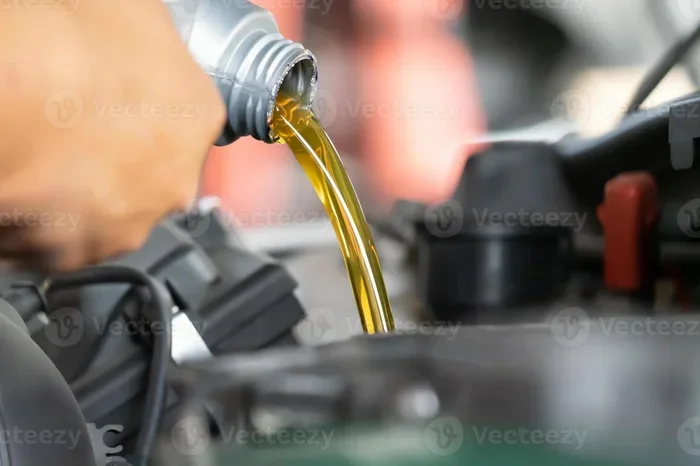
Use a funnel to pour the oil in slowly. Add small amounts at a time. Check the dipstick after each addition. Overfilling can cause problems too. Too much oil creates excess pressure inside the crankcase. It can damage seals and gaskets over time.
Step 5: Check the Level and Clean Up
Wait a minute for the oil to settle, then check the dipstick again. The level should fall between the minimum and maximum marks. Replace the fill cap tightly. Wipe up any spills and dispose of the used oil container properly.
Risks of Only Adding Oil and Never Changing It
Relying solely on topping off without ever doing a full change creates serious long-term risks. Understanding these dangers helps you avoid expensive repairs down the road.
Oil Breakdown and Contamination
Over time, oil breaks down chemically. Heat and friction cause the molecular structure to degrade. The oil becomes thinner or thicker than intended. Contaminants like dust, fuel, and combustion byproducts mix into the oil. Without a full change and filter replacement, these particles circulate through your engine constantly.
Increased Engine Wear
Degraded oil loses its ability to form a protective film between moving parts. Metal-on-metal contact increases. This causes wear on camshafts, crankshafts, piston rings, and valve trains. Small amounts of wear might not cause immediate problems. But over thousands of miles, the cumulative damage becomes significant.
Sludge Buildup
Old oil that is never changed can turn into sludge. This thick, dark substance clogs oil passages and restricts flow. Sludge buildup starves parts of lubrication. It can lead to overheating and even engine failure. Some engines are more prone to sludge than others. But no engine is immune to the effects of neglected oil changes.
Overheating and Engine Damage
Oil plays a critical role in cooling your engine. It carries heat away from combustion chambers and friction points. When oil degrades, its cooling ability drops. Your engine runs hotter than it should. In extreme cases, this can lead to a blown head gasket or cracked engine block. If your car starts showing signs of overheating, check the oil level and condition immediately.
How Often Should You Change Your Oil
The answer depends on several factors. Your driving habits, the type of oil you use, and your vehicle model all play a role. Let us look at the general guidelines.
Conventional Oil vs Synthetic Oil
Conventional oil typically needs changing every 3,000 to 5,000 miles. Synthetic oil lasts longer, often between 7,500 and 10,000 miles. Some modern synthetic blends can even go 15,000 miles. Always check what your manufacturer recommends. Using the wrong oil change interval can void your warranty and shorten your engine life.
Driving Conditions That Require More Frequent Changes
Certain driving conditions put extra stress on your oil. Stop-and-go traffic in hot weather breaks oil down faster. Short trips where the engine never fully warms up also contribute. Towing heavy loads or driving in dusty environments accelerates contamination. If any of these apply to you, consider shortening your oil change interval.
Signs It Is Time for an Oil Change
Watch for these warning signs that your oil needs replacing:
- Dark, gritty oil on the dipstick: Fresh oil is amber and translucent. Dark, sludgy oil means it is time.
- Burning oil smell inside the cabin: This could indicate an oil leak or excessive oil burning.
- Increased engine noise: Old oil loses its lubricating ability. You may hear more ticking or knocking.
- Reduced fuel efficiency: Degraded oil increases friction, which lowers your gas mileage.
- Oil pressure warning light: This is a serious warning. Pull over and check your oil level immediately.
Can You Mix Different Oil Types
Some car owners wonder if mixing oil types causes problems. The short answer is it is usually fine in a pinch. If you run out of 5W-30 and only have 5W-20 on hand, adding a small amount will not destroy your engine. However, it is best to stick with one type consistently. Mixing oils dilutes the performance characteristics of each. For optimal engine health, use the same brand and grade whenever possible.
If you are dealing with an older vehicle and wondering about fluid compatibility, you might also ask can a hybrid run without gas. While that is a different topic, the principle is similar. Every vehicle has specific fluid requirements, and using the wrong one can cause issues.
Expert Insights on Oil Maintenance
Experienced mechanics agree on one thing. Topping off oil is a band-aid, not a cure. Regular oil changes are the foundation of good car maintenance. Skipping them to save money now often leads to much bigger expenses later. A full oil change costs between 30 and 75 dollars for most vehicles. An engine replacement can cost thousands. The math is clear.
Some drivers wonder if they can avoid oil changes altogether by constantly adding fresh oil. This approach does not work. Without draining and replacing the oil filter, contaminants build up regardless of how much new oil you add. The filter becomes saturated and stops trapping particles effectively. Fresh oil passes through a dirty filter and picks up all the old debris again.
Quick Tips for Oil Maintenance
- Check your oil level monthly: Make it a habit to check the dipstick every time you fill up on gas.
- Keep a spare quart in your trunk: You never know when you might need to top off on the road.
- Set a reminder for your next oil change: Use your phone or car maintenance app to stay on track.
- Record every oil change: Keep a log with the date, mileage, and oil type used.
- Never ignore warning lights: The oil pressure light is not something to ignore or reset and forget.
- Recycle used oil properly: Take your old oil to a recycling center or auto parts store that accepts it.
Neglecting your oil change schedule can lead to problems that go beyond the engine. Low oil levels can trigger other warning systems. For example, some vehicles show electrical or sensor issues when oil pressure drops. If you ever find yourself dealing with unexpected car troubles, it is always worth checking the basics first. Simple maintenance like checking your oil level can prevent a surprising number of problems.
Conclusion
Can I add oil without changing it? Yes, you can. But you should only do it as a temporary measure. Topping off your oil keeps your engine running between scheduled changes. It is not a substitute for the full oil change process that removes contaminants and refreshes your entire lubrication system. Regular oil changes remain the single most important thing you can do for your vehicle’s longevity.
Make it a priority to follow your manufacturer’s recommended oil change interval. Check your oil level frequently. And never let your car run low or empty on oil. Your engine is the heart of your vehicle. Treat it well, and it will keep you on the road for years to come. If you ever notice strange symptoms like a car that won’t start and makes no noise, do not wait. Get it checked out right away. Simple maintenance habits today save you from major repairs tomorrow.
Frequently Asked Questions
Can I just keep adding oil instead of changing it?
You can add oil temporarily, but you should not rely on this long-term. Old oil breaks down and loses its protective additives. Contaminants build up over time and cause internal wear. A full oil change removes the dirty oil and replaces the filter. Topping off without changing eventually leads to engine damage.
How much oil can I add without changing?
Only add enough to bring the level back to the normal range on the dipstick. Usually this is between half a quart and one quart. Never overfill. Excess oil creates pressure that can damage seals and gaskets. If your level is very low, add oil immediately but schedule a full oil change soon.
What happens if I never change my oil but keep adding it?
Over time, the oil becomes heavily contaminated with sludge, metal particles, and fuel residue. The additives wear out completely. The oil loses its ability to lubricate and cool effectively. This leads to increased friction, overheating, and eventually serious engine damage that can cost thousands to repair.
Can I add oil while the engine is hot?
It is safer to let the engine cool for at least 10 minutes before adding oil. Hot oil can cause burns if it splashes. Waiting also gives the oil time to drain back into the pan so you get a more accurate reading on the dipstick.
Does adding oil reset my oil change light?
Usually no. Most vehicles require you to manually reset the oil change reminder after a full oil change and filter replacement. Simply adding oil without a full service will not reset the light. Refer to your owner manual for the reset procedure specific to your model.
How do I know if my oil needs changing even if the level is fine?
Check the color and texture of your oil on the dipstick. Fresh oil is amber and smooth. If it looks dark black or feels gritty, it is time for a change. Other signs include a burning smell, increased engine noise, and reduced fuel efficiency. Do not wait for the level to drop low before taking action.