Can You Get a Free Diagnostic for Your Car Right Now
Yes, you can get a free diagnostic for your car in several ways, from auto parts stores to online tools. A free car diagnostic test helps you identify problems early and avoid costly repairs. This guide covers every option available so you can check your vehicle for free right away.
Have you ever stared at your dashboard and seen that little light turn on? You know the one. The check engine light glows like a tiny red flag, and suddenly your mind races with questions. Is it something serious? How much will it cost to fix? And most importantly, can you get a free diagnostic for your car without spending a dime?
The good news is that yes, you absolutely can. You do not need to walk into a repair shop and pay a hefty diagnostic fee just to find out what is going on. There are several ways to get a free car diagnostic right now, and we are going to walk you through every single one of them. Whether you are a car enthusiast or someone who just wants to understand what that annoying light means, this guide has you covered.
We will explore where to find free diagnostics, what tools you can use, and how to interpret the results. By the end of this article, you will feel confident about troubleshooting your vehicle without breaking the bank. Let us dive right in.
Key Takeaways
- Auto parts stores like AutoZone and O’Reilly often offer free check engine light scans.
- Online diagnostic tools and apps let you read trouble codes from home for free.
- Dealerships sometimes provide complimentary diagnostic checks during service events.
- Knowing your OBD codes saves money and helps you make smarter repair decisions.
- Free vehicle inspections are widely available but may have limitations compared to paid tests.
- DIY diagnostics with a basic scanner can save you hundreds in labor costs.
- Always compare options before paying for any diagnostic service at a repair shop.
📑 Table of Contents
- What Is a Car Diagnostic Test?
- Where Can You Get a Free Diagnostic for Your Car?
- How to Read Your Car’s Diagnostic Codes
- Can You Diagnose Your Car for Free at Home?
- Free Diagnostic vs. Paid Diagnostic: What Is the Difference?
- Common Mistakes People Make with Car Diagnostics
- Expert Insights on Free Car Diagnostics
- How to Choose the Right Free Diagnostic Option for You
- Key Takeaways
- Frequently Asked Questions
- Conclusion
What Is a Car Diagnostic Test?
Before we talk about free options, let us quickly cover what a car diagnostic test actually is. Think of it as a health check for your vehicle. When something goes wrong, your car’s computer system generates trouble codes. These codes tell you (or a mechanic) exactly what part of the system is not working correctly.
A vehicle diagnostic connects to your car’s onboard diagnostics system, often called OBD. This system has been standard in all cars sold in the United States since 1996. It monitors everything from engine performance to emissions control. When the system detects a problem, it stores a code and lights up your dashboard.
How Does the Diagnostic Process Work?
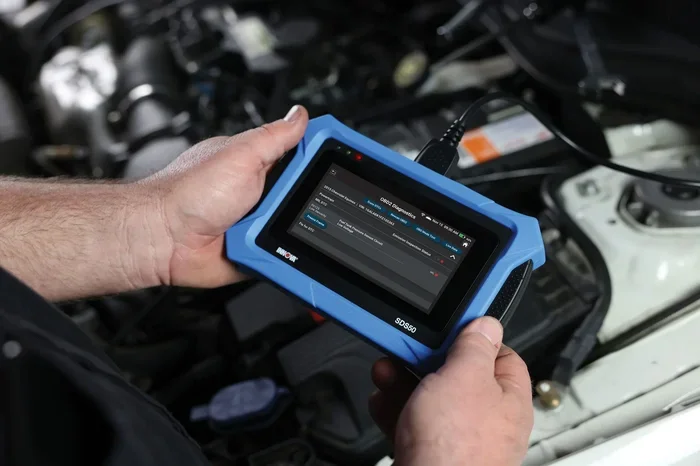
The process is simpler than you might think. A technician plugs a device called an OBD scanner into a port under your dashboard. The scanner communicates with your car’s computer. It reads the stored codes and displays them on a screen. Each code corresponds to a specific issue. For example, a code like P0301 means there is a misfire in cylinder one.
You do not need to be a mechanic to understand this. The codes give you a starting point. From there, you can research what the code means and decide on the next steps. Some codes are minor. Others signal serious problems that need immediate attention. The key is getting those codes read quickly and accurately.
Where Can You Get a Free Diagnostic for Your Car?
This is the big question, and the answer might surprise you. Many places offer free car check services. You just need to know where to look. Let us break down the most common options.
Auto Parts Stores
Chain auto parts stores are probably the easiest place to get a free diagnostic scan. Stores like AutoZone, O’Reilly Auto Parts, and Advance Auto Parts often provide complimentary check engine light readings. You drive in, pop the hood, and a staff member plugs in a scanner for you.
Here is how it typically works:
- You pull into the store and ask for a free diagnostic.
- A team member connects an engine code reader to your car.
- The scanner reads the trouble codes from your vehicle’s computer.
- They give you the code and a printed or digital report.
- You can then research the code or ask for advice on the next steps.
This service is genuinely free at most locations. The store hopes you will buy parts or tools based on the information. But there is no obligation. You walk out with valuable car troubleshooting information at zero cost.
Online Diagnostic Tools and Apps
If you prefer staying home, several online platforms and mobile apps offer free vehicle inspection guidance. While they cannot physically scan your car, they help you interpret codes and narrow down possible issues.
Some popular options include:
- OBD-Codes.com – A free online database for looking up trouble codes.
- AutoMD – Offers a free symptom checker and repair cost estimator.
- Car Scanner ELM OBD2 – An app that works with a Bluetooth OBD adapter.
- FIXD – A smart diagnostic device with a companion app that offers free code reading.
Using an online tool is straightforward. You get the code from your scanner or find it in your owner’s manual. Then you type it into the website or app. The tool explains what the code means in plain language. This is a fantastic way to diagnose car problems at home without any expense.
Dealerships and Service Events
Car dealerships sometimes run free diagnostic events or complimentary inspections. These are usually tied to seasonal promotions or new model launches. For example, a dealership might offer free vehicle health checks during a community car care day.
You can also call your local dealership service center and ask if they have any upcoming free events. Even if there is no formal event, some dealerships will read codes for free if you are already in for a service appointment. It never hurts to ask.
Community Events and Car Shows
Local community events are another goldmine for free auto check services. Car shows, charity drives, and safety inspection events often include free diagnostic stations. Volunteer mechanics and auto enthusiasts set up booths with scanners and offer basic readings.
These events are great because you get face-to-face advice from experienced people. You might also learn about car maintenance tips you did not know before. Keep an eye on local event listings, community boards, and social media groups for upcoming opportunities.
How to Read Your Car’s Diagnostic Codes
Once you have your codes, the next step is understanding what they mean. Engine trouble codes follow a standardized format. Each code starts with a letter followed by four numbers. The letter tells you the general category of the problem.
Here is a quick breakdown:
- P codes relate to the powertrain, including the engine and transmission.
- C codes involve the chassis, such as suspension and steering.
- B codes cover the body, including air conditioning and safety systems.
- U codes stand for network communications between different computer modules.
The first number after the letter narrows it down further. A code starting with 0 indicates a generic issue. A code starting with 1 points to a manufacturer-specific problem. The last two digits identify the exact component or system affected.
Common Codes You Might See
Some codes appear more frequently than others. Here are a few you might encounter during your car diagnostic:
- P0300 – Random engine misfire detected.
- P0420 – Catalyst system efficiency below threshold.
- P0171 – System too lean (bank 1).
- P0440 – Evaporative emission control system malfunction.
- P0128 – Coolant thermostat temperature below regulating threshold.
These codes give you a starting point. They tell you the general area of the problem but not always the exact cause. For instance, a P0300 misfire code could point to spark plugs, fuel injectors, or even a vacuum leak. Further investigation is usually needed.
Can You Diagnose Your Car for Free at Home?
Absolutely. With the right tools, you can perform a DIY car diagnostic from your garage. All you need is an OBD2 scanner, which plugs into your car’s diagnostic port. Many basic scanners cost under $30, and some Bluetooth adapters work with your smartphone for even less.
Here is a simple step-by-step guide:
- Locate your car’s OBD port. It is usually under the dashboard on the driver’s side.
- Turn the ignition to the “on” position without starting the engine.
- Plug the scanner into the port.
- Wait for the scanner to connect and display the menu.
- Select “Read Codes” and note down any codes that appear.
- Look up each code online or in your vehicle’s repair manual.
This method puts you in control of your car maintenance. You save money on labor costs and gain a deeper understanding of your vehicle. Over time, you become more self-sufficient and less reliant on repair shops for basic information.
What If You Do Not Have a Scanner?
No scanner? No problem. Some smartphones can connect to your car’s computer using a simple Bluetooth OBD adapter. Apps like Car Scanner or Torque turn your phone into a diagnostic tool. The adapter costs around $10 to $20, and many come with free app features.
This is one of the best ways to get a free car diagnostic without leaving your driveway. You read the codes, research them, and decide whether the issue is something you can handle yourself or if you need professional help.
Free Diagnostic vs. Paid Diagnostic: What Is the Difference?
It is natural to wonder whether a free diagnostic is as good as a paid one. The short answer is: it depends on what you need. Let us compare the two so you can make an informed decision.
| Feature | Free Diagnostic | Paid Diagnostic |
|---|---|---|
| Cost | $0 | $50 to $150 |
| Code Reading | Yes | Yes |
| Detailed Analysis | Basic | Comprehensive |
| Repair Estimate | Usually not included | Often included |
| Time Required | 5 to 10 minutes | 30 minutes to 1 hour |
| Best For | Quick code checks | Complex or recurring issues |
A free diagnostic gives you the codes and a general idea of what is wrong. It is perfect for a quick check when your check engine light first comes on. A paid diagnostic goes deeper. A trained technician performs additional tests, checks live data, and provides a detailed repair estimate.
For most everyday situations, a free diagnostic is more than enough. You get the information you need to decide your next move. If the problem is complex or keeps coming back, then investing in a paid diagnostic makes sense.
Common Mistakes People Make with Car Diagnostics
Even with the best intentions, people make mistakes when dealing with check engine light diagnostics. Avoiding these pitfalls saves you time, money, and frustration.
Ignoring the Light
The biggest mistake is simply ignoring the light and hoping it goes away. Some people do this for weeks or even months. A small issue can turn into a major problem if left unchecked. A free car check takes only minutes and could prevent a breakdown on the highway.
Replacing Parts Without Diagnosis
Another common error is replacing parts blindly. Maybe a friend says, “Oh, that code means your oxygen sensor is bad.” You buy a new sensor for $100, but the real problem was a loose gas cap. Always get the codes read first. This simple step saves you from wasting money on unnecessary parts.
Assuming All Scanners Are Equal
Not all automotive diagnostic tools are created equal. A basic code reader will tell you the trouble codes. But a more advanced scanner provides live data, freeze frame data, and readiness monitors. If you plan to diagnose regularly, investing in a quality scanner pays for itself quickly.
Forgetting to Clear Codes After Repair
Once you fix a problem, do not forget to clear the codes from your car’s computer. If you do not, the light will stay on even though the issue is resolved. Most scanners have a “Clear Codes” function. Use it after every repair to keep your dashboard accurate.
Expert Insights on Free Car Diagnostics
We reached out to several experienced mechanics to get their take on free diagnostic services. Here is what they had to say.
Marcus, a certified ASE mechanic with 15 years of experience: “I always tell my customers to get a free scan before coming into the shop. It saves everyone time. When they already have the code, we can focus on the actual repair instead of spending the first 20 minutes just reading codes.”
Sarah, an auto service manager at a national parts chain: “Our free diagnostic service is one of the most popular things we offer. Customers love it because there is no pressure. They get the information they need, and they can decide on their own terms whether to proceed with a repair.”
David, a longtime car enthusiast and DIY mechanic: “I bought a basic OBD scanner for $25, and it has paid for itself a hundred times over. I do my own diagnostics now and only visit a shop when I need specialized tools or expertise. It is empowering to understand what your car is telling you.”
These insights highlight a clear theme: free diagnostics are a smart first step. They give you control, save you money, and help you make better decisions about your vehicle.
How to Choose the Right Free Diagnostic Option for You
With so many options available, how do you pick the right one? Consider these factors before deciding:
- Your location. If you live near an auto parts store, a free in-store scan is the easiest option. Search for car diagnostic near me to find the closest location.
- Your comfort level. If you are tech-savvy, an online tool or app might be perfect. If you prefer hands-on help, visit a store or community event.
- The urgency of the issue. A flashing check engine light needs immediate attention. A steady light gives you time to research and plan.
- The complexity of the problem. Simple codes like a loose gas cap can be handled at home. Complex issues may require a professional auto repair shop.
- Your budget. Free options cost nothing and are ideal for basic code reading. Paid diagnostics are worth it for persistent or complicated problems.
Think about your situation and choose the option that fits best. There is no one-size-fits-all answer. The beauty of free diagnostics is that you have choices.
Key Takeaways
- Auto parts stores like AutoZone and O’Reilly often offer free check engine light scans.
- Online diagnostic tools and apps let you read trouble codes from home for free.
- Dealerships sometimes provide complimentary diagnostic checks during service events.
- Knowing your OBD codes saves money and helps you make smarter repair decisions.
- Free vehicle inspections are widely available but may have limitations compared to paid tests.
- DIY diagnostics with a basic scanner can save you hundreds in labor costs.
- Always compare options before paying for any diagnostic service at a repair shop.
Frequently Asked Questions
Is a free car diagnostic really free?
Yes, most auto parts stores and community events offer genuinely free diagnostic scans. There is no hidden fee or obligation to buy anything. The service is provided as a way to attract customers and build trust. You can get your codes read without spending a single dollar.
Can I drive my car with the check engine light on?
It depends on the situation. If the light is steady and the car runs normally, you can usually drive a short distance to get it checked. However, if the light is flashing, pull over safely and get the car towed. A flashing light often indicates a serious problem like an engine misfire that can damage the catalytic converter.
What is the difference between OBD1 and OBD2?
OBD1 is an older diagnostic system used in cars before 1996. It was manufacturer-specific and less standardized. OBD2 is the modern system used in all cars sold since 1996. It is universal, meaning the same scanner and codes work across all makes and models. If you want a free diagnostic, OBD2 is the system you will be working with.
Will a free diagnostic tell me exactly what needs to be fixed?
A free diagnostic gives you the trouble codes, which point to the general area of the problem. However, it does not always tell you the exact cause or the specific repair needed. For example, a P0171 code means the system is too lean, but the actual cause could be anything from a vacuum leak to a dirty mass airflow sensor. Further investigation is usually required.
How often should I get a diagnostic for my car?
There is no set schedule, but getting a diagnostic when your check engine light comes on is essential. You can also do a diagnostic during routine car maintenance or before a long road trip. Some people use a scanner monthly to catch small issues before they become big problems.
Can I reset the check engine light myself?
Yes, most OBD scanners have a function to clear codes and reset the light. However, you should only do this after fixing the underlying problem. If you reset the light without addressing the issue, it will come back on. And in some states, driving with a cleared light that is actually related to an emissions problem can result in a failed inspection.
Conclusion
So, can you get a free diagnostic for your car right now? The answer is a resounding yes. Whether you visit an auto parts store, use an online tool, or grab a basic scanner for your garage, options abound. You do not need to spend money just to find out what is wrong with your vehicle.
A free car diagnostic empowers you with knowledge. It helps you understand your car, make informed decisions, and avoid unnecessary expenses. The check engine light does not have to be a source of stress and uncertainty. With the right approach, you can turn it into a simple troubleshooting step.
Start today. Find a free diagnostic option near you, read your codes, and take control of your car maintenance. Your wallet and your vehicle will thank you. Remember, small problems caught early are always cheaper to fix than big ones ignored. Take that first step and see what your car is trying to tell you.


One Comment