Can You Start an Ignition Without a Key in Seconds
Yes, you can start an ignition without a key using several methods, but each comes with risks and legal considerations. Whether you lost your keys, have a dead key fob battery, or face an ignition switch failure, understanding your options is essential. This guide covers every safe and practical method to start an ignition without a key while keeping your vehicle secure.
Have you ever found yourself standing next to your car, keys nowhere to be found, and wondered if there is a way to get the engine running? The answer is yes, you can start an ignition without a key, but the method you use depends on your vehicle type, the year it was made, and the specific ignition system it has.
Modern cars come equipped with advanced keyless ignition technology, push button start systems, and sophisticated vehicle security systems that make unauthorized access much harder. However, if you own your vehicle and simply need to get it running because you lost your keys, have a broken ignition switch, or dealt with a dead battery in your key fob, there are several practical approaches you can explore.
In this guide, we will walk through every method, every risk, and every consideration you need to know about starting an ignition without a key. Whether you are dealing with a lost set of keys, a faulty transponder key, or a steering wheel lock that has jammed, this article has you covered. We will also discuss when it is smart to call a professional and how to avoid common mistakes that could damage your vehicle.
If you have ever dealt with a situation where your car won’t start and no noise comes from the engine, you know how frustrating it can be. Sometimes the problem is not the battery or the starter motor, but the ignition system itself. Understanding how your ignition works is the first step toward finding a solution.
Key Takeaways
- Multiple methods exist: You can bypass an ignition using spare keys, key fob battery replacement, locksmith services, or emergency key modes depending on your situation.
- Modern vehicles are harder to bypass: Keyless push button start systems and vehicle immobilizers add layers of security that make starting without a key much more difficult.
- Legality matters: Starting your own car without a key is generally legal, but hotwiring or bypassing ignition systems on vehicles you do not own is illegal.
- Call a professional when in doubt: A licensed locksmith can handle ignition issues safely and often at a reasonable cost.
- Prevention is key: Regular maintenance of your key fob and ignition switch can help you avoid getting locked out in the first place.
- Know the risks: Improper bypass methods can damage your vehicle’s electrical system and void your warranty.
📑 Table of Contents
- How Ignition Systems Work and Why Keys Matter
- Can You Start an Ignition Without a Key?
- Common Reasons You Might Need to Start Without a Key
- Is Starting a Car Without a Key Legal?
- Risks and Dangers of Bypassing Your Ignition
- When to Call a Professional Locksmith
- Preventing Future Ignition Problems
- Final Thoughts on Starting an Ignition Without a Key
How Ignition Systems Work and Why Keys Matter
Before we dive into the methods of starting a car without a key, it helps to understand how the ignition system works in the first place. Every vehicle, whether older or brand new, relies on an ignition system to start the engine. The way this system functions has changed dramatically over the past few decades.
The Traditional Ignition Process
In older vehicles, the ignition system is straightforward. You insert a physical key into the ignition cylinder, turn it, and the ignition switch completes an electrical circuit. This sends power to the starter motor, which cranks the engine. At the same time, the fuel pump engages and the spark plugs fire.
The traditional key also serves as an anti-theft device. The shape of the key itself acts as a basic lock-and-key mechanism. If someone does not have the correct key, they cannot easily turn the ignition cylinder. However, older systems lack the advanced electronics found in modern vehicles, which makes them more vulnerable to hotwiring.
Many people wonder if they can hotwire a push to start car, but the process is different from older vehicles. Push-button start vehicles use electronic signals rather than a simple mechanical connection, so traditional hotwiring methods usually do not work on them.
Modern Keyless Push Button Start Systems
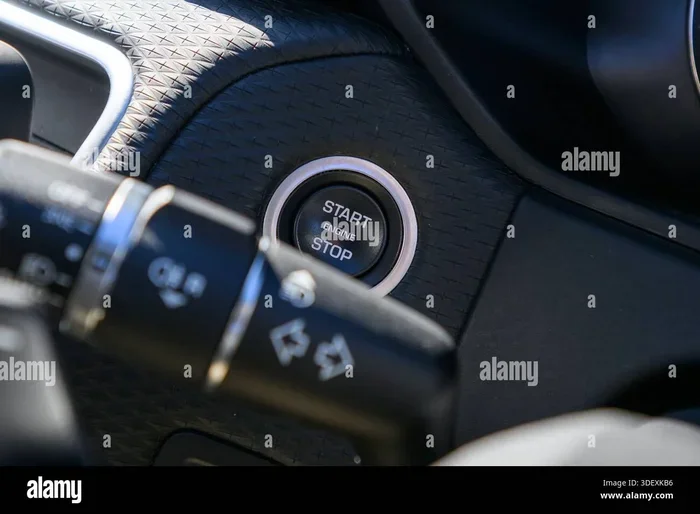
Modern vehicles with push button start systems use a smart key or key fob that communicates wirelessly with the car. When you press the push start button, the vehicle checks whether the key fob is nearby. If the key fob is detected and authenticated, the engine starts.
These systems rely on a transponder key or a smart key that sends a unique coded signal. The vehicle immobilizer prevents the engine from starting if the correct code is not received. This is why simply connecting wires will not start a modern car. The vehicle security system must be satisfied first.
The immobilizer is essentially an electronic security device built into the engine management system. It ensures that even if someone gets the car to crank, the engine will not run without the correct key fob signal. This makes immobilizer bypass much more complex than it was in older vehicles.
Can You Start an Ignition Without a Key?
The short answer is yes, you can start an ignition without a key in certain situations. The method you choose depends on your vehicle model, the year it was manufactured, and why you do not have access to your key. Let us explore the most common methods people use.
Methods Used to Bypass the Ignition
There are several approaches to bypassing an ignition system when you do not have your key. Some are simple and safe, while others carry more risk. Here is a closer look at each method.
Method 1: Using a Spare Key or Key Fob
The simplest and safest approach is always to use a spare key. If you have a duplicate key fob or a spare mechanical key hidden somewhere, this is your best option. Many people keep a spare key fob at home or with a trusted family member.
Method 2: Key Fob Battery Replacement
If your key fob has a dead battery, replacing it might solve the problem entirely. Most key fobs use a small coin-cell battery that is easy to replace. In many cases, you can still start your car even with a low-battery key fob by holding it directly against the push start button or the designated key fob reader location.
Before calling a professional, you might try to program a key fob yourself using your vehicle’s owner manual. Many manufacturers provide instructions for replacing and reprogramming a key fob battery at home. This is a quick and inexpensive fix that can save you a trip to the dealer.
Method 3: Emergency Key Mode
Many modern vehicles have an emergency key slot hidden somewhere on the key fob or the steering column. This slot allows you to use a mechanical key to start the car even when the smart key battery is dead. Check your vehicle owner’s manual to find where this emergency slot is located.
Method 4: Professional Locksmith Services
A licensed locksmith can create a new key or key fob for your vehicle on the spot. They have the tools and expertise to program a new transponder key or smart key without damaging your vehicle security system. This is often the safest and most reliable option, especially for newer vehicles.
What Happens Inside the Ignition When There Is No Key
When you do not insert a key or present a smart key to the ignition system, the vehicle immobilizer stays active. The engine control module does not receive the authentication signal it needs to allow fuel injection and spark ignition.
In older vehicles without an immobilizer, the situation is different. The ignition cylinder simply needs to be turned mechanically. This is why older cars are more susceptible to bypass methods. However, even in older vehicles, attempting to force the ignition can cause damage to the ignition cylinder and the steering column.
For vehicles equipped with a steering wheel lock, you may also need to address this security feature. The steering wheel lock engages automatically when the key is removed and the wheel is turned slightly. To release it, you often need to wiggle the steering wheel gently while attempting to turn the ignition.
This is similar to how starting a keyless car with a key works in emergency situations where the smart key fails. The vehicle still has a fallback mechanical method, even if it is less obvious.
| Method | Difficulty | Risk Level | Legality | Cost |
|---|---|---|---|---|
| Spare Key or Key Fob | Easy | Low | Legal | Free |
| Key Fob Battery Replacement | Easy | Low | Legal | $5-$15 |
| Emergency Key Mode | Easy | Low | Legal | Free |
| Locksmith Service | Easy | Low | Legal | $75-$200 |
| Ignition Bypass (Wiring) | Hard | High | Legal only if you own the vehicle | $20-$100 (parts) |
| Hotwiring | Medium | High | Illegal on vehicles you do not own | Free (but risky) |
As you can see from the comparison table above, the safest and most legal methods always involve using a spare key, replacing the key fob battery, or calling a professional. Bypass methods carry higher risks and should only be attempted on vehicles you own.
Common Reasons You Might Need to Start Without a Key
There are several everyday situations where you might find yourself needing to start your car without a key. Understanding the root cause helps you choose the right solution.
Lost or Broken Keys
Losing your car keys is more common than you might think. Keys get dropped in gutters, left at restaurants, or simply misplaced in the clutter of daily life. If your keys are lost and you do not have a spare, you have a few options.
First, retrace your steps. Check your pockets, bags, coat hooks, and recent locations. Sometimes the keys turn up when you least expect it. If they are truly gone, you will need either a car key replacement from a dealer or a locksmith.
A locksmith can cut a new key and program the transponder key to match your vehicle. This process typically takes 30 minutes to an hour, depending on your vehicle make and model. The cost is usually much lower than going through a dealership.
Dead Key Fob Battery
A dead battery in your key fob is one of the most common reasons a car will not start. The key fob simply cannot send the signal needed to authenticate with the vehicle immobilizer.
Most key fobs use a CR2032 or similar coin-cell battery. Replacing this battery takes about two minutes and costs less than a dollar. After replacing the battery, you may need to hold the key fob close to the push start button or the steering column key fob reader.
If replacing the battery does not work, the key fob itself may need to be reprogrammed. Some vehicles require a specific reprogramming sequence after a battery change. Consult your owner’s manual or check online for your specific model.
Ignition Switch Failure
The ignition switch is the electrical component that activates when you turn the key or press the push start button. Over time, the internal contacts can wear out, leading to intermittent or complete failure.
Signs of a failing ignition switch include:
- The engine cranks but does not start
- The dashboard lights flicker when you turn the key
- The key feels stuck or does not turn smoothly
- The vehicle stalls unexpectedly while driving
If you suspect your ignition switch is failing, it is important to address it quickly. A faulty switch can leave you stranded and may also cause electrical issues throughout the vehicle.
Expert Insight: Ignition switch failure is often confused with a dead battery or a bad starter motor. Before replacing parts, have a professional diagnose the actual issue. Sometimes a simple cleaning of the ignition cylinder contacts can restore proper function.
Is Starting a Car Without a Key Legal?
This is one of the most important questions to address. The legality of starting a car without a key depends entirely on the situation and the vehicle ownership.
Understanding Vehicle Theft and Immobilizer Laws
In most jurisdictions, starting your own vehicle without a key is perfectly legal. If you are the registered owner and you have lost your keys, you have every right to find alternative ways to start your car.
However, hotwiring or bypassing the ignition on a vehicle that does not belong to you is illegal and can result in serious criminal charges. Vehicle theft laws are taken very seriously, and law enforcement officers are trained to recognize signs of unauthorized ignition bypass.
The vehicle immobilizer system itself is a legal requirement in many countries. These systems are designed to deter theft, and circumventing them on someone else’s vehicle is considered a criminal act in most places.
When It Is Okay and When It Is Not
Here is a simple breakdown of when bypassing your ignition is acceptable and when it is not:
- Okay: Starting your own vehicle after losing your keys, replacing a dead key fob battery, or dealing with a broken ignition switch.
- Okay: Using a locksmith or dealer to create a new key for your vehicle.
- Not Okay: Attempting to start a vehicle that belongs to someone else without their permission.
- Not Okay: Using bypass methods to steal a vehicle or disable its car security features.
If you are ever in doubt, the safest and most legal route is to contact a professional locksmith or your vehicle dealership. They can verify ownership and provide legitimate solutions.
Risks and Dangers of Bypassing Your Ignition
While it is possible to start a vehicle without a key, doing so incorrectly can cause serious problems. Understanding the risks helps you make informed decisions and avoid costly mistakes.
Potential Damage to the Electrical System
Modern vehicles have complex electrical systems with dozens of computers, sensors, and modules. Connecting wires incorrectly or forcing the ignition can damage the engine control module, the vehicle security system, or other sensitive electronics.
Repairing electrical damage can be expensive, often costing hundreds or even thousands of dollars. In some cases, the damage is so severe that the vehicle may not be drivable until repairs are completed.
Quick Tip: Always disconnect the negative battery terminal before attempting any electrical work on your vehicle. This protects both you and the car’s sensitive electronics from accidental shorts or surges.
Security Vulnerabilities and Car Theft Risks
Bypassing your vehicle immobilizer or ignition security system can create vulnerabilities that thieves could exploit. If the bypass is not properly secured, your vehicle may be more susceptible to theft even after you have started it.
Additionally, some insurance policies may not cover theft or damage if the vehicle was started using unauthorized bypass methods. Always check with your insurance provider if you are unsure about coverage.
Common Mistake: Many people think that simply starting the car is enough. They do not consider the long-term security implications of a compromised vehicle security system. After bypassing the ignition, make sure to have the system properly restored by a professional.
When to Call a Professional Locksmith
Knowing when to call a professional can save you time, money, and a lot of frustration. While DIY methods work in some situations, others require expert intervention.
Signs You Need Expert Help
You should consider calling a locksmith if:
- You have lost all sets of keys for your vehicle
- The ignition switch feels damaged or stuck
- Your key fob is physically broken and cannot be repaired
- You have tried basic troubleshooting but the vehicle still will not start
- You are unsure about the legality or safety of a particular method
A professional locksmith has specialized tools and training to handle car key replacement, key fob programming, and ignition cylinder repair. They can usually resolve the issue on the spot without causing further damage to your vehicle.
Ignition Replacement Costs and What to Expect
The cost of ignition-related services varies depending on your vehicle and the specific issue. Here is a general breakdown:
- Key fob battery replacement: $5-$15 (DIY)
- Key fob programming: $50-$200 ( locksmith or dealer)
- Ignition switch replacement: $150-$300 (parts and labor)
- Ignition cylinder replacement: $200-$400 (parts and labor)
- Full locksmith service for lost keys: $75-$200
These costs are generally much lower than having your vehicle towed to a dealership and waiting for parts. A local locksmith can often come to you and resolve the issue within an hour.
Preventing Future Ignition Problems
The best way to deal with ignition issues is to prevent them from happening in the first place. A few simple habits can keep your ignition system working reliably for years.
Replace your key fob battery every two years, even if it still seems to work. This prevents the frustration of a dead battery at the worst possible moment. Keep a spare key in a safe but accessible location, such as a lockbox at home or with a trusted family member.
Avoid putting excessive force on the key or key fob when inserting it into the ignition. If the key feels stiff or does not turn smoothly, do not force it. Instead, have the ignition cylinder inspected by a professional. Early detection of wear can prevent a complete ignition failure.
Regular vehicle maintenance also plays a role. Keeping your electrical system in good condition, ensuring proper battery health, and addressing warning signs early can all help prevent ignition-related problems.
Final Thoughts on Starting an Ignition Without a Key
Can you start an ignition without a key? The answer is yes, and there are multiple safe and practical ways to do it. Whether you choose to replace a dead key fob battery, use an emergency key slot, or call a professional locksmith, the key is to approach the situation calmly and methodically.
Always prioritize safety and legality. If you own the vehicle, you have options. If you do not, the only right choice is to contact the owner or authorities. Modern keyless ignition systems and vehicle immobilizers are designed to protect you and your vehicle, and working with these systems rather than against them will always yield the best results.
Remember that prevention is your best tool. Keep spare keys accessible, maintain your key fob battery, and address ignition issues early. These simple steps can save you from the stress and expense of being stranded without a way to start your car.
If you ever find yourself in a situation where your vehicle will not start and you suspect an ignition problem, do not panic. You have the knowledge now to assess the situation, choose the right approach, and get back on the road safely.
Frequently Asked Questions
Can You Start an Ignition Without a Key on Any Car?
The ability to start a car without a key depends on the vehicle’s age, make, and model. Older vehicles without immobilizer systems are easier to bypass, while modern cars with keyless ignition and push button start systems require proper authentication. In most cases, using a spare key, replacing the key fob battery, or calling a locksmith works for any vehicle.
Is It Illegal to Hotwire a Car?
Hotwiring a car is not inherently illegal if you are the registered owner and have lost your keys. However, hotwiring a vehicle that does not belong to you is considered vehicle theft and is illegal in all states. Always verify ownership and consider calling a professional locksmith for safer alternatives.
How Much Does It Cost to Replace an Ignition Switch?
Replacing an ignition switch typically costs between $150 and $300, including parts and labor. The exact price depends on your vehicle make and model, the labor rates in your area, and whether the ignition cylinder also needs replacement. A locksmith is often more affordable than a dealership for this repair.
What Should I Do If I Lost My Car Keys?
If you lost your car keys, start by checking all your pockets, bags, and recent locations. If the keys are truly gone, contact a licensed locksmith who can create a new key and program the transponder key to your vehicle. You can also contact your dealership, though this is usually more expensive. Having a spare key made as soon as possible is always a smart move.
Can a Dead Key Fob Battery Prevent Your Car from Starting?
Yes, a dead battery in your key fob can absolutely prevent your car from starting, especially in vehicles with push button start systems. The vehicle immobilizer cannot authenticate the key fob without a working battery. Replacing the battery is usually a quick and inexpensive fix that solves the problem immediately.
How Do You Know If Your Ignition Switch Is Bad?
Common signs of a bad ignition switch include the engine cranking but not starting, dashboard lights flickering, the key feeling stuck, or the vehicle stalling while driving. If you notice any of these symptoms, have the ignition switch inspected by a professional as soon as possible to avoid being stranded.