How Do I Reset My Management Light For Best Results
Resetting your management light is a simple process that can save you time and money. Whether you use an OBD2 scanner, disconnect the battery, or complete a drive cycle, this guide covers every method you need. Understanding why your management light comes on helps you fix the root cause and prevent it from returning.
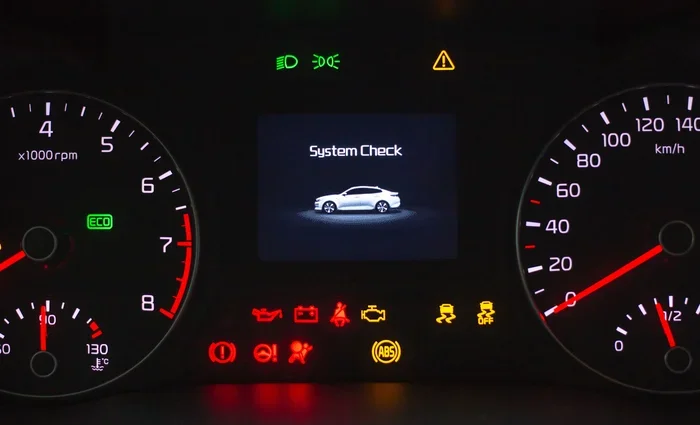
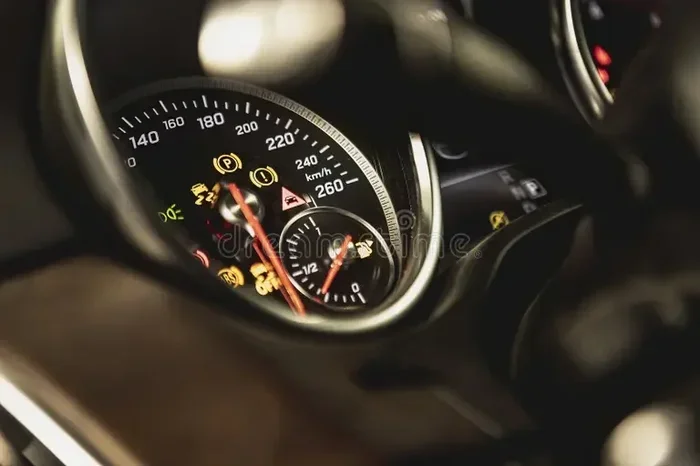
That little yellow or orange light on your dashboard can send a shiver down your spine. You are driving along, minding your own business, and suddenly your management light pops on. It is one of those warning lights that makes you wonder what is going on under the hood.
Here is the good news. Resetting your management light is something you can do at home in most cases. You do not need to be a mechanic or spend hundreds of dollars at a shop. This guide walks you through every method, from simple fixes to more advanced techniques. By the end, you will know exactly how to reset your management light and keep it from coming back.
Your car’s engine management system is a smart network of sensors and computers. It monitors everything from fuel mixture to exhaust emissions. When something goes wrong, the system triggers a dashboard warning light to let you know. Think of it as your car’s way of raising its hand and saying, “Hey, I need help.”
The management light is also called the check engine light or the malfunction indicator lamp. It is part of your vehicle’s onboard diagnostics system. This system stores fault codes whenever it detects a problem. These codes help you or a mechanic figure out what is wrong. Resetting the light clears those codes, but it does not fix the actual issue. That is why understanding the root cause matters so much.
Key Takeaways
- Know Your Light: The management light signals a problem with your engine or emissions system.
- Multiple Reset Methods: You can reset it using an OBD2 scanner, battery disconnect, or drive cycle.
- Fix the Root Cause First: Resetting without fixing the problem will only cause the light to return.
- Safety Matters: Sometimes it is safe to drive, but other times you should stop immediately.
- Prevent Future Issues: Regular maintenance keeps your management light off and your car healthy.
📑 Table of Contents
What Does the Management Light Mean?
The management light can mean many different things. Sometimes it is a minor issue. Other times, it signals something serious. Let us break down the most common reasons this light comes on.
Common Reasons the Management Light Turns On
Your car has dozens of sensors watching every system. When one of them detects a problem, it triggers the light. Here are the most common culprits:
- Loose or Faulty Gas Cap: This is the number one reason. A loose cap lets fuel vapors escape, which triggers an emissions fault.
- Oxygen Sensor Failure: The oxygen sensor measures unburned oxygen in your exhaust. When it fails, your fuel economy drops.
- Catalytic Converter Issues: A failing catalytic converter is expensive to replace and needs attention fast.
- Mass Airflow Sensor Problems: This sensor measures the air entering your engine. Dirt or damage can throw it off.
- Spark Plug or Ignition Coil Issues: Worn spark plugs cause misfires, which activate the engine warning light.
- EGR Valve Malfunction: The exhaust gas recirculation valve reduces emissions. When it sticks, the light comes on.
How to Tell If It Is an Emergency
Not all warning lights are created equal. A steady yellow light usually means you should get it checked soon. A flashing red light means stop driving and get help right away. If the light flashes and you feel a loss of power, pull over safely. Ignoring a flashing light can lead to serious engine damage.
Some people confuse the management light with other dashboard indicators. For example, the AWD light is different and relates to your all-wheel-drive system. If you are unsure, it is always best to read your owner’s manual or use a diagnostic tool.
How to Reset Your Management Light: Step-by-Step Methods
Now let us get into the meat of the matter. There are several ways to reset your management light. Each method works differently, and some are better suited for specific situations. Let us go through them one by one.
Method 1: Use an OBD2 Scanner
This is the best and most reliable method. An OBD2 scanner plugs into your car’s diagnostic port and reads the stored fault codes. Most auto parts stores will let you borrow one for free.
- Locate your OBD2 port. It is usually under the dashboard on the driver’s side.
- Plug the scanner into the port.
- Turn the ignition to the “on” position. Do not start the engine.
- Follow the scanner’s prompts to read the fault codes.
- Write down the codes so you can research them later.
- Select the option to clear the codes and reset the management light.
- Turn the ignition off, wait 30 seconds, then turn it back on.
Using an OBD2 scanner is the smartest approach because you can see exactly what triggered the light. If the code points to a loose gas cap, you can fix that first. Then the reset will actually stick. If you just clear the codes without fixing anything, the light will return within a few drive cycles.
Method 2: Disconnect the Battery
This is the old-school method that many people swear by. Disconnecting the battery resets your car’s computer and clears the stored codes. Here is how to do it safely:
- Turn off your engine and all accessories.
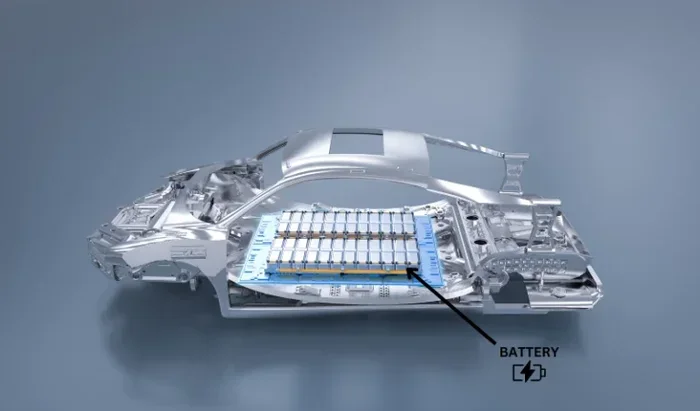
- Open the hood and locate the battery.
- Using a wrench, disconnect the negative cable first.
- Wait at least 15 minutes. This gives the computer time to fully reset.
- Reconnect the negative cable and tighten it securely.
- Start the engine and check if the light is off.
Be careful with this method. Disconnecting the battery can also reset your radio presets, clock, and power window settings. Some newer vehicles may need a special code to reactivate the radio. Also, this method does not work on all cars. Some models store codes in non-volatile memory that survives a battery disconnect.
Method 3: Complete a Drive Cycle
A drive cycle is a specific series of driving conditions that tells your car’s computer everything is working properly. After you fix the problem, completing a drive cycle allows the system to run self-tests and turn off the management light on its own.
Here is a basic drive cycle you can follow:
- Start the engine and let it idle for two minutes.
- Drive at a steady speed of 55 mph for ten minutes.
- Accelerate to 60 mph and hold for five minutes.
- Decelerate without braking for two minutes.
- Stop and let the engine idle for one minute.
The exact drive cycle varies by vehicle. Check your owner’s manual for the specific procedure. Some cars require highway driving, while others need city-style stop-and-go conditions. Completing the right drive cycle ensures the onboard diagnostics system runs all its checks and confirms the problem is resolved.
Method 4: Turn the Ignition On and Off Three Times
This is a quick trick that works on some vehicles. It is also called the key cycling method:
- Turn the ignition to the “on” position without starting the engine.
- Wait five seconds, then turn it off.
- Repeat this process three times.
- On the third cycle, turn the ignition to “on” and wait for the dashboard warning light to go off.
This method does not work on all cars, but it is worth trying if you do not have a scanner. It essentially forces the computer to reinitialize its systems.
Should You Reset the Light Yourself?
This is a great question, and the answer depends on your situation. Let us look at the pros and cons of DIY resetting versus visiting a professional.
Pros of Resetting at Home
- Cost Savings: You avoid the diagnostic fee at a repair shop. Many shops charge $75 to $150 just to read the codes.
- Convenience: You can do it in your driveway at any time.
- Learning Experience: You get to understand your car better.
- Speed: You can reset the light in minutes with the right tool.
Cons of Resetting at Home
- Masking Serious Problems: If the light comes from a serious issue, clearing it without fixing the problem can lead to bigger damage.
- Emissions Test Failure: In states with emissions testing, a recently cleared light can cause you to fail the test.
- Voided Warranty: If your car is still under warranty, DIY resets might complicate a warranty claim.
If the light came on suddenly and you are not sure why, it is safer to visit a mechanic first. They can read the codes and tell you if the issue is minor or urgent. If you are dealing with a known minor issue like a loose gas cap, resetting at home is perfectly fine.
Common Mistakes People Make When Resetting the Management Light
Resetting the light sounds simple, but people make mistakes that cause problems. Here are the most common ones to avoid:
Mistake 1: Resetting Without Fixing the Problem
This is the biggest mistake. Clearing the light without addressing the root cause is like putting a bandage on a broken bone. The light will come back, often with more codes and a worse problem. Always diagnose the issue first, then fix it, and then reset.
Mistake 2: Ignoring the Light for Too Long
Some people see the management light and just ignore it. They hope it goes away on its own. While a loose gas cap might trigger the light and it could go away after tightening, most issues do not fix themselves. The longer you ignore it, the worse the problem can get.
Mistake 3: Using the Wrong Reset Method
Not all cars respond to the same reset method. Older vehicles might need a battery disconnect, while newer ones require an OBD2 scanner. Using the wrong method can waste your time or even cause electrical issues. Always check your owner’s manual first.
Mistake 4: Forgetting to Tighten the Gas Cap
Sounds silly, but it happens all the time. After filling up, people toss the gas cap without clicking it into place. A loose gas cap is the number one trigger for the engine management light. Always make sure you hear three clicks when you tighten it.
Preventing the Management Light from Coming Back
Once you have successfully reset your management light, you want to keep it off. Prevention is always better than cure. Here are some tips to maintain a healthy engine management system:
- Check Your Gas Cap Regularly: Make sure it is tight and in good condition. Replace it if the seal is worn.
- Keep Up with Oil Changes: Dirty oil can affect sensor readings and trigger the light.
- Use the Right Fuel: Using the wrong octane level can cause engine knock and trigger fault codes. If you are unsure about fuel types, check what your car recommends.
- Inspect Spark Plugs: Worn spark plugs cause misfires. Replace them according to your maintenance schedule.
- Address Warning Signs Early: If you notice rough idling, reduced power, or unusual sounds, get your car checked. Early intervention prevents bigger problems.
- Run Regular Diagnostics: Even if the light is off, periodic scans can catch small issues before they become big ones.
Regular vehicle maintenance is the best defense against the management light. A well-maintained car runs efficiently, produces fewer emissions, and rarely triggers warning lights. Think of it like going to the doctor for checkups. A little prevention goes a long way.
When to See a Professional
There are times when resetting the light yourself is not enough. You should see a professional if:
- The light comes back immediately after resetting.
- The light is flashing rather than steady.
- You notice a significant loss of power or performance.
- Your car is making unusual noises or smells.
- Multiple warning lights come on at the same time.
- You are unsure what the fault codes mean.
A professional mechanic has access to advanced diagnostic tools and years of experience. They can interpret fault codes accurately and recommend the right repairs. If the management light is accompanied by any of the above symptoms, do not delay. Driving with a serious engine problem can lead to costly repairs down the road.
Also, if your car is still under warranty, always check with your dealer before attempting any DIY resets. Some warranty issues require professional diagnosis to remain valid. This is especially important for newer vehicles with complex computer systems.
Final Thoughts
Resetting your management light does not have to be stressful. With the right knowledge and the right tools, you can handle it yourself in most cases. Start by diagnosing the problem. Fix whatever is causing the light to come on. Then choose the reset method that works best for your vehicle. Whether you use an OBD2 scanner, disconnect the battery, or complete a drive cycle, the key is to address the root cause first.
Remember that your car’s warning systems are there to protect you. The management light is your car talking to you. Listen to it, respond quickly, and you will keep your vehicle running strong for years to come. Stay proactive with your car maintenance, and you will spend less time worrying about dashboard lights and more time enjoying the drive.
For more information about driving safely with warning lights on, check out our guide on Can I Drive If My AWD Light Is On. Understanding your dashboard indicators is an important part of being a responsible car owner.
And if you are dealing with an overheating issue that triggered the light, our article on Can I Drive My Car After It Overheats provides helpful guidance on what to do next.
Frequently Asked Questions
How long does it take to reset the management light?
It usually takes just a few minutes if you are using an OBD2 scanner. If you choose the battery disconnect method, you need to wait at least 15 minutes for the computer to fully reset. The drive cycle method can take 20 to 30 minutes of driving. The time varies depending on which method you use and your specific vehicle model.
Will resetting the management light clear all fault codes?
Yes, resetting the light clears the stored fault codes from your car’s computer memory. However, if the underlying problem still exists, the system will detect it again during the next drive cycle. This is why it is essential to fix the root cause before resetting. Otherwise, the light and codes will return quickly.
Is it safe to drive with the management light on?
A steady yellow light usually means it is safe to drive short distances, but you should get the issue checked soon. A flashing light, however, signals a serious problem. If the light flashes, reduce your speed and pull over safely. You can also check our guide on driving after your car overheats for more safety tips related to warning lights.
Can I reset the management light without a scanner?
Yes, you can. The battery disconnect method and the key cycling method both work without a scanner. However, an OBD2 scanner is the most reliable and informative option. It lets you see exactly what triggered the light so you can fix the actual problem. You can buy a basic scanner for under $30 at most auto parts stores.
Why did my management light come back after I reset it?
The light comes back because the original problem was not fixed. Your car’s computer runs self-tests during every drive cycle. If it detects the same issue again, it re-triggers the light and stores the code again. Go back to your fault codes and address the root cause. Once the repair is complete, the light should stay off after a proper reset.
Can a loose gas cap trigger the management light?
Absolutely. A loose or damaged gas cap is the most common reason the management light turns on. It allows fuel vapors to escape from the tank, which your car’s emissions system detects as a leak. Try tightening the cap and driving for a few days. In many cases, the light will turn off on its own after a few drive cycles.