Do I Really Need a New Filter With Every Oil Change
Yes, you should always replace your oil filter with every oil change. Most auto mechanics and vehicle manufacturers recommend a fresh filter each time you change your oil. Skipping this step can lead to engine damage, poor performance, and expensive repairs you could easily avoid.
If you have ever wondered whether you need a new filter with every oil change, you are not alone. This is one of the most common questions car owners ask at the shop. The short answer is yes. But like most things in car care, the full picture is a little more detailed.
Your engine oil does a tough job. It lubricates moving parts, reduces friction, and carries heat away from critical components. But over time, that oil picks up dirt, metal particles, and other contaminants. The oil filter catches all of that gunk before it can cause harm. Once the filter is full, it stops doing its job. That is why replacing the filter with every oil change matters so much.
Some people try to save money by reusing their old filter. Others assume that if the oil looks clean, the filter must be fine too. Both of these ideas can hurt your engine in the long run. In this article, we will walk through everything you need to know about oil filter replacement. You will learn how filters work, when to change them, and why skipping this step is never worth the risk.
Key Takeaways
- Replace your filter every time: A new filter keeps contaminants out of your engine oil
- Old filters get clogged: Reusing a dirty filter restricts oil flow and reduces engine protection
- It costs very little: A new oil filter runs between $5 and $20, far cheaper than engine repairs
- Check your owner manual: Some vehicles have specific guidelines for filter replacement timing
- DIY oil changes are easy: You can swap out your filter at home with basic tools
- Synthetic filters still need replacing: Even high-end filters must be changed with every oil change
📑 Table of Contents
What Does an Oil Filter Do?
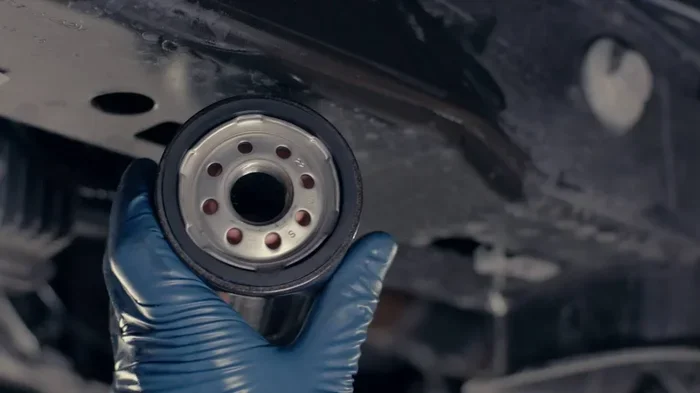
Your oil filter is a small but mighty part of your engine’s filtration system. It sits between the oil pump and the engine block. As oil circulates through the engine, it must pass through the filter first. The filter traps dirt, soot, metal shavings, and other tiny particles that build up during normal engine operation.
How the Filtration Process Works
Think of the filter like a coffee filter for your engine. Clean oil flows in one side. The filter media catches all the unwanted particles. Clean oil then flows out the other side and back into the engine. This cycle repeats thousands of times every time you drive.
Over time, the filter media becomes saturated with debris. When that happens, the filter can no longer trap new contaminants. Dirty oil then flows straight through to your engine. This is when engine protection drops significantly. Even a small amount of contamination can cause wear on bearings, cylinder walls, and other precision parts.
Why Clean Oil Matters for Engine Performance
Clean oil keeps your engine running smoothly. It reduces friction between moving parts and helps maintain oil pressure. When the filter is clogged, oil flow drops. Low oil flow means less lubrication. Less lubrication means more heat and more wear. Over time, this adds up to serious engine damage.
Most auto mechanics will tell you that the filter is the cheapest insurance you can buy for your engine. A new oil filter cost is tiny compared to the price of rebuilding or replacing an engine. If you ever wonder what your mechanic earns for these kinds of services, you can check out our guide on whether auto mechanics make good money.
Types of Oil Filters
Not all oil filter types are the same. Understanding the differences can help you make better decisions about your car maintenance schedule. Here are the most common options you will encounter.
Full-Flow Filters
Full-flow filters are the standard in most vehicles. They filter 100 percent of the oil before it reaches the engine. These filters use a dense media that catches very small particles. They are reliable and effective for everyday driving.
Most manufacturers design their engines to work with full-flow filters. If you are unsure which type your vehicle uses, check your owner manual or ask your mechanic.
Secondary Filters
Some vehicles have a secondary filter in addition to the full-flow filter. These provide an extra layer of engine protection. They catch even smaller particles that the primary filter might miss. High-performance vehicles and luxury cars often use this setup.
Synthetic vs. Conventional Filters
Synthetic oil filters use advanced media that can trap smaller particles. They also tend to have a higher dirt-holding capacity. This means they can last longer before becoming saturated. However, even synthetic oil filters should be replaced with every oil change.
Conventional filters are more basic in design. They work well for standard driving conditions. They are also more affordable. But they still need to be swapped out regularly to keep your engine healthy.
When choosing oil filter brands, look for reputable names that meet or exceed OEM specifications. Brands like Wix, Mobil 1, and Fram are widely trusted by auto mechanics and DIYers alike.
How Often Should You Replace Your Oil Filter?
The oil change interval for your vehicle depends on several factors. These include the type of oil you use, your driving habits, and the manufacturer’s recommendations. But the general rule is simple: change the filter every time you change the oil.
Following the Manufacturer’s Recommendation
Most car makers recommend an oil filter replacement every 5,000 to 7,500 miles for conventional oil. If you use synthetic oil, the interval may extend to 10,000 or even 15,000 miles. But regardless of the mileage, the filter should always be swapped out at the same time as the oil.
Your car maintenance schedule will have specific guidance for your model. Always refer to your owner manual for the exact recommendation. Following the factory guidelines helps maintain your engine performance and keeps your warranty intact.
Driving Conditions That Shorten Filter Life
Not all driving is equal. Certain conditions can cause your filter to clog faster. If you frequently drive in any of the following situations, you may need to replace your filter more often:
- Stop-and-go city traffic
- Extreme heat or cold weather
- Dusty or unpaved roads
- Heavy towing or hauling
- Short trips where the engine does not fully warm up
These conditions are known as “severe service” driving. If your driving fits any of these categories, consider shortening your oil change interval. A fresh filter more often is a small price to pay for better engine protection.
Can You Go Longer Between Filter Changes?
Some drivers wonder if they can stretch the interval and skip a filter change. The answer is no. An old filter may look fine on the outside, but the internal media could already be saturated. Once the filter is full, it either stops filtering or allows dirty oil to bypass the filter entirely.
Some modern vehicles have a clogged oil filter bypass valve. This valve allows oil to flow around the filter if it becomes too restricted. While this prevents engine starvation, it also means dirty oil circulates through the engine. This defeats the entire purpose of having a filter in the first place.
Can You Reuse an Oil Filter?
This is one of the most debated topics in car maintenance. Some people swear by reusing filters. Others say it is never okay. Let us look at both sides.
The Case for Reusing a Filter
Proponents of oil filter reuse argue that a good filter can still trap particles after one use. They point out that the oil filter housing may still contain some clean oil. In theory, this could reduce waste and save a few dollars.
However, the risks far outweigh any savings. An old filter is full of contaminants. Reinstalling it means those particles get a fresh path into your engine. The oil filter gasket may also not seal properly on the second install, leading to leaks.
Why Most Experts Say No
The vast majority of auto mechanics strongly advise against reusing filters. Here is why:
- The filter media is already saturated with debris
- The gasket may not seat properly on a second use
- You cannot fully clean the filter media at home
- The cost of a new filter is minimal compared to engine repairs
- Reusing a filter voids most warranty claims related to engine damage
If you are doing a DIY oil change at home, simply toss the old filter and install a new one. It takes about five minutes and costs very little. The peace of mind alone is worth it.
Signs Your Oil Filter Needs Replacement
Knowing when your filter is failing can help you avoid bigger problems. Watch for these warning signs:
Reduced Oil Pressure
If your oil pressure gauge drops or the warning light comes on, a clogged filter could be the cause. A dirty filter restricts oil flow, which lowers pressure. Low oil pressure means your engine is not getting the lubrication it needs.
Dirty or Dark Oil
Fresh oil is amber in color. If your oil looks dark and gritty, the filter may not be doing its job. However, dark oil alone does not always mean the filter is bad. It could simply be time for a routine engine oil change.
Unusual Engine Noises
Knocking or ticking sounds from the engine can indicate insufficient lubrication. When the filter is clogged, oil cannot reach all the moving parts fast enough. This creates metal-on-metal contact that causes noise and wear.
Decreased Fuel Efficiency
A clogged filter forces your engine to work harder. This extra effort burns more fuel. If you notice your gas mileage dropping, a dirty oil filter could be to blame.
The Cost of a New Oil Filter vs. Engine Repair
The oil filter cost is one of the cheapest parts of vehicle maintenance. A new filter typically costs between $5 and $20 for most vehicles. Labor for a filter change is usually minimal, especially if you are already getting an engine oil change.
Compare that to the cost of engine repairs. A clogged filter can lead to insufficient lubrication. This causes wear on bearings, pistons, and cylinder walls. In the worst case, a neglected filter can lead to a seized engine. Rebuilding or replacing an engine costs anywhere from $2,500 to $10,000 or more.
The math is simple. Spending $15 on a new filter is a fraction of the cost of major engine work. This is why mechanic recommendation is almost always to replace the filter every time.
Proper vehicle maintenance includes regular filter changes. It is one of the easiest ways to protect your engine and extend the life of your car. If you are buying or selling a used car, regular maintenance records matter a lot. In fact, if you are considering returning a used car, you should know that maintenance history can affect your options. Check out whether you can return a used car within 30 days to understand your rights.
If you ever notice unusual sounds or warning lights, do not wait to get your car checked. Many shops offer a free diagnostic for your car, which can help you catch small problems before they become big ones.
Final Thoughts
The answer to whether you need a new filter with every oil change is a clear yes. Your oil filter plays a critical role in keeping your engine clean and protected. Reusing an old filter or skipping the replacement puts your engine at risk of damage that could cost thousands of dollars to fix.
The good news is that replacing your filter is easy and affordable. Whether you do it yourself or visit a shop, the process is quick and straightforward. A new filter costs just a few dollars, and it gives you peace of mind knowing your engine is properly protected.
Follow your manufacturer’s guidelines, pay attention to your driving conditions, and never skip a filter change. Your engine will thank you for it. And when you are unsure about any part of your new filter with every oil change routine, trust the advice of experienced professionals who have your best interests at heart.
Frequently Asked Questions
What happens if you don’t change the oil filter?
Without a clean filter, dirt and debris circulate through your engine oil. This causes increased wear on internal components. Over time, a clogged filter can lead to engine damage and costly repairs that could have been easily prevented.
Can I use the same oil filter for two oil changes?
It is not recommended. The filter media becomes saturated after one use. Reusing it means contaminants bypass the filtration and reach your engine. Always install a fresh oil filter with each change to keep your engine safe.
How long does an oil filter last?
An oil filter lasts as long as the oil it filters. Once the oil is due for a change, the filter should be replaced too. Most oil filter lifespan recommendations align with standard oil change intervals of 5,000 to 15,000 miles depending on your vehicle and oil type.
Does synthetic oil need a new filter every time?
Yes. Even with synthetic oil, the filter collects contaminants that reduce its effectiveness over time. A fresh synthetic oil filter ensures optimal engine performance and continues to protect vital engine components from wear.
Can a dirty oil filter cause the check engine light to come on?
In some cases, yes. A severely clogged filter can affect oil pressure, which may trigger the check engine light. If your light comes on, have your oil filter and oil level checked immediately to avoid further engine damage.
Is it better to change the filter yourself or at a shop?
Both options work well. A DIY oil change saves money and gives you hands-on experience with your vehicle. If you prefer, a shop can handle it quickly and professionally. Either way, make sure a new filter is always installed with every oil change.