Can I Clean My AC Filter Instead of Replacing It Today
Yes, you can clean many AC filters instead of replacing them, but it depends on the filter type and how dirty it is. Reusable filters offer a budget-friendly option, while disposable filters should be swapped out regularly. This guide walks you through every cleaning method, cost comparison, and warning sign that tells you when replacement is the only safe choice.
Your car’s AC filter works hard every time you turn on the air conditioning. It traps dust, pollen, debris, and pollutants before they reach your cabin. Over time, that filter gets clogged. And when it does, your AC has to work harder. This raises the question many car owners ask: can I clean my AC filter instead of replacing it?
The short answer is yes — in many cases. But the full answer depends on your filter type, how dirty it is, and whether it’s designed for reuse. Some filters are meant to be cleaned and reused for years. Others are disposable and should be swapped out on a regular schedule. Getting this wrong can hurt your AC system, reduce airflow, and even lead to expensive repairs.
In this guide, we break down every method, every filter type, and every situation. You will learn exactly when cleaning makes sense and when you should just buy a new one. We also cover costs, step-by-step cleaning instructions, and warning signs that your filter is beyond saving. Let us dive in.
Key Takeaways
- Not all AC filters are washable: Check your filter type before attempting any cleaning method.
- Reusable filters save money long-term: A quality reusable AC filter can last for years with proper care.
- Cleaning has limits: If the filter is damaged or clogged beyond recovery, replacement is the safer option.
- Regular maintenance improves AC efficiency: A clean filter helps your AC system run cooler and use less energy.
- Watch for warning signs: Weak airflow, strange odors, and rising energy bills signal a filter problem.
- Follow manufacturer guidelines: Your vehicle manual tells you exactly how often to clean or replace your filter.
- Cost matters: Cleaning costs pennies compared to the price of a new filter or AC repair.
📑 Table of Contents
- Understanding Your AC Filter Types
- Can You Clean a Car AC Filter? The Definitive Answer
- How to Clean Your AC Filter Step by Step
- When Should You Replace Instead of Clean?
- Cost Comparison: Cleaning vs. Replacing
- Common Mistakes People Make With AC Filters
- Expert Tips for Long-Lasting AC Filter Performance
- How a Clean AC Filter Improves Your Driving Experience
- Final Thoughts
Understanding Your AC Filter Types
Before you decide whether to clean or replace, you need to know what kind of filter your car uses. Not all filters are the same. Each type has different cleaning rules and lifespan expectations.
Disposable Fiberglass Filters
These are the most basic and common filters found in many vehicles. They are made from thin fiberglass fibers sandwiched between a cardboard or plastic frame. Their job is simple: catch large particles and protect your AC system.
Disposable filters cannot be cleaned. If you try to wash them, the fibers will fall apart and the filter will lose its shape. Always replace disposable fiberglass filters on the schedule recommended by your vehicle manufacturer. Trying to clean one is a waste of time and could damage your AC system.
Reusable Cabin Air Filters
Many modern vehicles come with reusable cabin air filters. These are made from durable materials like activated charcoal, foam, or synthetic fabric. They are designed to be removed, cleaned, and reinstalled multiple times.
Reusable filters are a great investment. They cost more upfront but save you money over time. They also tend to filter smaller particles better than disposable options. If your vehicle has a reusable filter, cleaning it regularly is a smart part of your car maintenance routine.
HEPA and High-Efficiency Filters
Some vehicles or aftermarket upgrades include HEPA-grade filters. These capture extremely small particles, including allergens and bacteria. HEPA filters are often reusable but require special cleaning care. Harsh washing can damage the fine mesh, so always follow the manufacturer’s instructions.
Activated Carbon Filters
Activated carbon filters are popular in vehicles because they reduce odors. They contain a layer of carbon that absorbs smoke, fumes, and unpleasant smells. Many of these are reusable, but the carbon layer can lose its effectiveness over time. You can clean the outer filter material, but the carbon component may need replacement after a few cycles.
Can You Clean a Car AC Filter? The Definitive Answer
The answer to can I clean my AC filter instead of replacing it comes down to three things: filter type, condition, and your vehicle model. Here is a simple breakdown.
If your filter is disposable, the answer is no. Do not wash it. Do not vacuum it and put it back. Just replace it. If your filter is reusable and only lightly dirty, the answer is yes — cleaning is a great option. If your filter is reusable but heavily damaged, torn, or saturated with grime, the answer is still no. It needs to be replaced.
Here are the main scenarios where cleaning works well:
- Light dust buildup: The filter looks gray but is not caked with dirt. A simple rinse or vacuum will restore it.
- Seasonal maintenance: You clean reusable filters at the start of summer and winter to prepare your AC for heavy use.
- After a road trip: If you drove through dusty or muddy conditions, a cleaning session can remove accumulated debris.
- Mild odor issues: A dirty filter can cause musty smells. Cleaning often eliminates the odor without needing a full replacement.
Here are the scenarios where cleaning will not work:
- Heavy clogging: If you cannot see light through the filter material, it is too far gone for cleaning.
- Mold or mildew growth: Moisture inside the filter can cause mold. Cleaning may not fully remove mold spores. Replacement is safer.
- Physical damage: Tears, holes, or a bent frame mean the filter will no longer seal properly. This lets unfiltered air bypass the filter entirely.
- Oil or chemical saturation: If the filter has been soaked in oil or chemicals, cleaning will not restore it. These contaminants embed deep in the material.
How to Clean Your AC Filter Step by Step
If you have determined that your filter is reusable and in good enough condition to clean, here is exactly how to do it. Follow these steps carefully to avoid damaging the filter or your AC system.
Step 1: Locate Your AC Filter
In most vehicles, the cabin air filter is located behind the glove box or under the dashboard on the passenger side. Some models have it under the hood near the windshield. Check your vehicle owner’s manual for the exact location. If you are unsure, a quick search online for your specific make and model will show you where to look.
Step 2: Remove the Filter
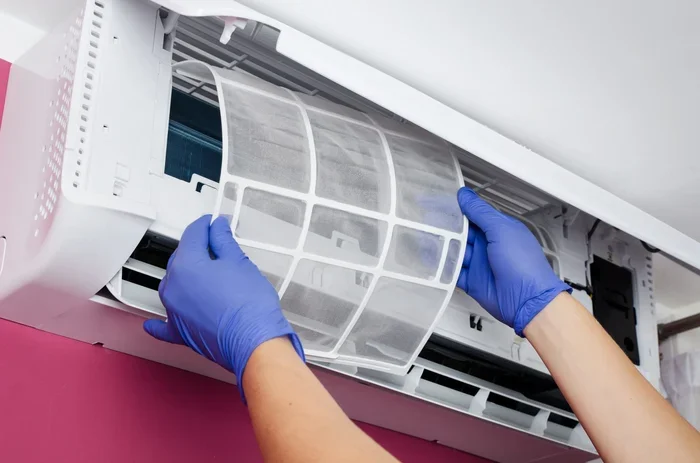
Open the housing cover and carefully pull the filter out. Note which direction the airflow arrow points. This matters when you reinstall it. Take a photo with your phone before removing it so you remember the correct orientation.
Step 3: Inspect the Filter
Hold the filter up to a light source. If light passes through easily, the filter is only lightly dirty and a good candidate for cleaning. If very little light gets through, the filter is heavily clogged and cleaning may not be enough. In that case, go ahead and replace it.
Step 4: Clean the Filter
There are three main methods for cleaning a reusable AC filter:
Method A: Vacuum Cleaning — Use a handheld vacuum or the hose attachment on your shop vacuum. Gently vacuum both sides of the filter. This works best for light dust and surface debris. It will not remove deep-set grime, but it is fast and easy.
Method B: Water Rinse — Take the filter to a sink or outdoor area. Rinse it with warm water from the back side (the side that faces away from the airflow). This pushes dirt out of the filter material. Do not use high pressure. High pressure can damage the filter fibers. Let the filter air dry completely before reinstalling. Never put a wet filter back into your car — moisture inside the AC system can cause mold and bacteria growth.
Method C: Mild Soap Wash — For filters with heavy grease or grime, mix a small amount of mild dish soap with warm water. Submerge the filter and gently agitate it. Rinse thoroughly until all soap is gone. Soap residue can block airflow and reduce filter efficiency. Again, let it dry completely before reinstalling.
Step 5: Reinstall the Filter
Once the filter is completely dry, place it back in the housing with the airflow arrow pointing in the correct direction. Snap the housing cover back into place. Start your car and turn on the AC to check for proper airflow.
When Should You Replace Instead of Clean?
Knowing when to clean and when to replace is one of the most important parts of AC filter maintenance. Here are clear signs that cleaning is not enough and you need a new filter.
Your filter is past its recommended lifespan. Even reusable filters wear out over time. Most reusable cabin air filters last between 3 to 5 years with proper cleaning. If your filter is older than that, it is time for a replacement regardless of how it looks.
You notice weak airflow from the vents. A clogged or damaged filter restricts airflow. If cleaning does not restore normal airflow within a day or two, the filter material may be too compressed or damaged to function properly.
You smell mold or musty odors. A persistent musty smell coming from your vents is a red flag. It often means mold has grown deep within the filter or the AC housing. Cleaning the filter surface will not fix a mold problem inside the system. You need a new filter and possibly a professional inspection.
Your AC is not cooling effectively. If your AC blows warm or lukewarm air even after cleaning the filter, the problem may be deeper than the filter. Low refrigerant levels, a failing compressor, or clogged condenser coils could be the culprit. In these cases, cleaning the filter will not solve the problem.
You drove through heavy smoke or pollution. If your car was exposed to wildfire smoke, heavy exhaust, or chemical fumes, the filter may be saturated beyond what cleaning can handle. These contaminants embed deeply and can be harmful if redistributed into your cabin.
You cannot remember the last time you replaced the filter. If you have been cleaning the same filter for years without ever replacing it, it is time for a new one. Old filter material loses its electrostatic charge and filtering ability over time.
Cost Comparison: Cleaning vs. Replacing
Cost is a major factor in the decision to clean or replace. Here is a simple comparison to help you decide.
| Factor | Cleaning | Replacing |
|---|---|---|
| Upfront Cost | Free to $5 (soap, water) | $15 to $50 per filter |
| Time Required | 15 to 30 minutes | 5 to 10 minutes |
| Filter Lifespan | Extended by 6 to 12 months | Full new lifespan (1 to 3 years) |
| Effectiveness | Good for lightly dirty filters | Full filtration capacity restored |
| Risk of Damage | Low if done correctly | None |
| Long-Term Savings | Higher over multiple years | Lower but more reliable |
As you can see, cleaning saves money in the short term and over many cycles. However, replacement guarantees full performance. The smartest approach is to clean reusable filters regularly and replace them when they show signs of wear.
For context, if you drive frequently, replacing your cabin air filter once a year costs between $30 and $100 over five years. Cleaning a reusable filter the same period might cost you $10 to $20 in soap and water. That is a significant savings. But remember: those savings only apply if you have a reusable filter to begin with.
Common Mistakes People Make With AC Filters
Even well-meaning car owners make mistakes when it comes to AC filter care. Here are the most common ones and how to avoid them.
Mistake 1: Washing a disposable filter. This is the number one mistake. Disposable filters are not designed to get wet. Washing them destroys the filter material and renders it useless. Always check your filter type before doing anything.
Mistake 2: Reinstalling a damp filter. A wet filter placed back into the AC housing traps moisture inside the system. This creates the perfect environment for mold and mildew. Always let your filter dry completely — ideally 24 hours — before reinstalling.
Mistake 3: Using harsh chemicals. Strong detergents, bleach, or high-pressure washers can damage filter material. Stick to mild soap and low-pressure water only.
Mistake 4: Forgetting to clean the filter housing. When you remove the filter, take a moment to wipe out the housing. Dust and debris often collect in the housing too. Putting a clean filter into a dirty housing defeats the purpose.
Mistake 5: Ignoring the airflow direction arrow. Installing the filter backward reduces its effectiveness. The airflow arrow should point toward the AC blower. If you are unsure, check your vehicle manual or look for markings on the filter frame.
Mistake 6: Never checking the filter at all. Many car owners go years without ever looking at their AC filter. A quick inspection every few months can catch problems early and prevent costly AC repairs down the road. Just like checking your oil or tire pressure, AC filter checks should be part of your regular vehicle maintenance schedule.
Expert Tips for Long-Lasting AC Filter Performance
Want to get the most life out of your AC filter? Follow these expert-backed tips.
- Clean your filter every 10,000 to 15,000 miles if it is reusable. This keeps it performing at peak efficiency without wearing it out too quickly.
- Store spare filters properly. Keep replacement filters in a dry, sealed bag to prevent them from picking up dust and moisture before you need them.
- Combine filter cleaning with other maintenance tasks. When you clean your AC filter, also check your cabin air intake area for leaves, debris, and insects. Clearing these prevents clogs and odors.
- Consider a pre-filter. Some vehicles benefit from a secondary pre-filter that catches larger particles before they reach the main filter. This extends the life of your primary filter and reduces cleaning frequency.
- Do not skip seasonal checks. Clean or replace your AC filter before summer and winter, when your system works hardest. This is especially important if you live in an area with high pollen, dust, or pollution levels.
If you are dealing with broader AC issues, you might want to check whether your car can still run after it overheats or whether certain driving habits affect your cooling system. Understanding how your vehicle’s systems work together helps you maintain better overall performance.
How a Clean AC Filter Improves Your Driving Experience
A clean AC filter does more than just keep the air coming out of your vents. It affects your entire driving experience in ways you might not expect.
Better air quality inside your car. A clean filter traps pollen, dust, and pollutants before they enter the cabin. This is especially important for allergy sufferers and families with young children. If you want to go deeper into cleaning products for your car interior, you might also explore whether certain household cleaners are safe for car surfaces.
Improved fuel efficiency. A clogged filter forces your AC compressor to work harder, which puts extra load on your engine. Over time, this can reduce your fuel economy by a small but measurable amount. Keeping your filter clean helps your entire vehicle run more efficiently.
Longer AC system life. When your AC system does not have to struggle through a clogged filter, all the components last longer. The compressor, condenser, and blower motor all benefit from proper airflow. This means fewer repairs and a longer lifespan for your entire AC system.
Quieter operation. A dirty filter can cause your AC to make unusual noises as the blower works harder to push air through the blockage. A clean filter allows smooth, quiet airflow and a more comfortable ride.
Reduced allergy symptoms. For drivers and passengers with allergies, a clean cabin air filter is one of the simplest and most effective ways to reduce exposure to pollen, dust mites, and other airborne irritants. This is especially true during spring and fall when pollen counts are high.
Final Thoughts
So, can you clean your AC filter instead of replacing it? The answer is yes — for reusable filters that are not damaged or heavily clogged. Cleaning your AC filter is a simple, cost-effective way to maintain your vehicle’s air conditioning system and keep your cabin air fresh.
However, cleaning is not a forever solution. Every filter has a lifespan, and even the best-maintained reusable filter will eventually need to be replaced. The key is to know your filter type, inspect it regularly, and act when cleaning is no longer enough.
Take a few minutes today to check your AC filter. If it is a reusable type and only lightly dirty, give it a cleaning. If it is disposable or past its prime, grab a replacement. Either way, your AC system — and your lungs — will thank you.
Staying on top of simple maintenance tasks like this is what keeps your car running smoothly and safely. If you are curious about other common car maintenance questions, many drivers also ask about topics like whether they can use certain products on car surfaces or how to handle other routine vehicle care decisions. Staying informed helps you make smarter choices for your car and your budget.
Frequently Asked Questions
How often should I clean my reusable AC filter?
Most reusable AC filters should be cleaned every 10,000 to 15,000 miles or at least twice a year. If you drive in dusty or high-pollen areas, you may need to clean it more frequently. Check your vehicle owner’s manual for the specific recommendation.
Can I use a pressure washer to clean my AC filter?
No. High-pressure water can damage the filter material and destroy its filtering structure. Always use low-pressure water or a gentle stream from a sink. Let the filter soak in mild soapy water if it is heavily dirty, then rinse gently.
How do I know if my AC filter is reusable or disposable?
Check your vehicle owner’s manual or look at the filter itself. Reusable filters are typically made of foam, synthetic fabric, or activated charcoal and are labeled as washable. Disposable filters are made of fiberglass and have a paper-like texture. When in doubt, contact your dealership or check the part number online.
What happens if I put a damp AC filter back in my car?
Putting a damp filter back into your car can cause mold and mildew to grow inside the AC system. This leads to musty odors, reduced air quality, and potential health issues. Always let your filter dry completely — ideally for 24 hours — before reinstalling it.
Is it cheaper to clean or replace an AC filter?
Cleaning is cheaper in the short term because it costs nothing or just a few dollars in soap and water. However, cleaning only extends the life of a filter. Over time, you will still need to replace it. The real savings come from having a reusable filter that you can clean multiple times before replacement.
Can a dirty AC filter cause my car to overheat?
A dirty cabin air filter does not directly cause engine overheating, but it can put extra strain on your AC compressor. If your AC system is working too hard, it can contribute to overall engine heat, especially in hot weather. For more information on overheating issues, check out our guide on whether you can drive your car after it overheats.