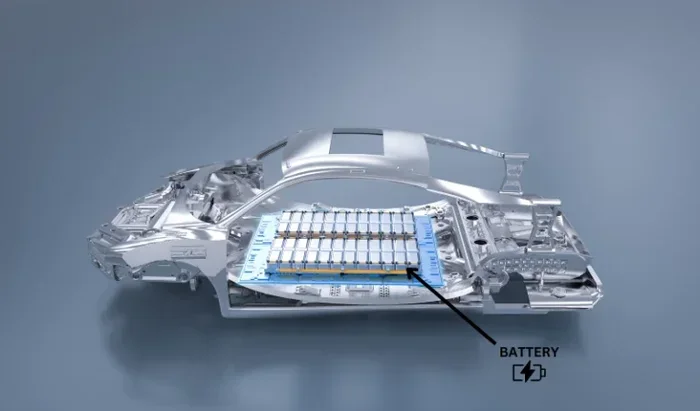
Can a Hybrid Battery Last 20 Years Without Failing
Many drivers wonder if a hybrid battery can last 20 years without failing. The short answer is yes, it is possible with proper care and maintenance. Most hybrid batteries are designed to last between 10 and 15 years, but many owners report their batteries going strong well past the 20-year mark. Understanding how hybrid batteries work and what affects their lifespan can help you get the most out of your investment.
This is a comprehensive guide about Can a Hybrid Battery Last 20 Years?.
Key Takeaways
- Hybrid batteries can last 20 years: Many hybrid owners report their batteries lasting well beyond the expected lifespan with proper care.
- Warranty coverage helps: Most manufacturers cover hybrid batteries for 8 to 10 years or 100,000 miles.
- Driving habits matter: How you drive directly impacts battery health and longevity.
- Warning signs exist: Recognizing early symptoms of battery degradation can save you from costly repairs.
- Replacement is expensive but not always necessary: Refurbishing or reconditioning a battery can be a more affordable option.
- Regular maintenance extends life: Simple habits like avoiding extreme temperatures and keeping charge levels balanced help.
[FEATURED_IMAGE_PLACEHOLDER]
How Long Do Hybrid Batteries Actually Last?
The question of whether a hybrid battery can last 20 years comes up a lot in car forums and owner groups. The truth is, it depends on several factors. But many hybrid vehicle owners prove that 20 years is absolutely achievable.
Most manufacturers design hybrid batteries with a life expectancy of 10 to 15 years. However, that number is just an average. Some drivers push their batteries well past that range without any major issues. The hybrid battery life depends on how the car is used, how it is maintained, and the type of battery technology inside.
Toyota is a great example here. The Toyota Prius has been on the road since 1997, and many early models are still running with their original batteries. Some owners have clocked over 200,000 miles on the same battery pack. That kind of longevity proves that a hybrid battery lasting 20 years is not just a dream.
But not every hybrid battery will make it that long. There are variables at play. Let us break them down so you understand what you are working with.
Average Hybrid Battery Lifespan by Brand
Different brands use different battery technologies. This affects how long each battery lasts. Here is a general look at what you can expect.
- Toyota Hybrids: 15 to 20 years or more with good care
- Honda Hybrids: 12 to 18 years depending on usage
- Ford Hybrids: 10 to 15 years under normal conditions
- Luxury Hybrids (Lexus, etc.): 12 to 18 years
These numbers are estimates. Real-world results vary. The key takeaway is that a hybrid battery lasting 20 years is within reach, especially with Toyota and Honda models.
What Affects Hybrid Battery Life?
Several factors determine how long your hybrid battery will last. Some of these are in your control. Others are not. Understanding them helps you make smarter decisions about your vehicle.
Driving Habits and Usage Patterns
How you drive plays a huge role in battery health. If you mostly drive in the city with lots of stop-and-go traffic, your battery gets a workout through regenerative braking. This actually helps charge the battery and can extend its life.
On the other hand, if you always drive long highway distances at high speeds, the battery works harder. It also relies more on the gas engine. This can cause more wear over time.
The sweet spot for hybrid battery health is a balanced driving style. Mix city driving with highway driving. Let the regenerative braking system do its job. And avoid constantly draining the battery to empty.
Climate and Temperature Extremes
Extreme heat is a hybrid battery killer. High temperatures speed up chemical degradation inside the battery cells. If you live in a hot climate, your battery may age faster than expected.
Cold weather is less damaging but still a factor. Extreme cold can reduce battery efficiency temporarily. Over many years, repeated freeze-thaw cycles can also wear the battery down.
Garage your car whenever possible. Parking in a shaded or climate-controlled space makes a real difference over the long haul.
Battery Chemistry and Technology
Not all hybrid batteries are the same. Older hybrids use nickel-metal hydride (NiMH) batteries. These tend to be very durable and long-lasting. Newer hybrids use lithium-ion batteries. These are lighter and more energy-dense but can be more sensitive to temperature and charging habits.
Each type has its own strengths. NiMH batteries are known for lasting a long time with minimal maintenance. Lithium-ion batteries offer better performance but may need more careful handling to reach their full lifespan.
Signs Your Hybrid Battery Is Failing
Catching battery problems early can save you a lot of money. Here are the most common signs that your hybrid battery is starting to degrade.
Warning Lights and Dashboard Alerts
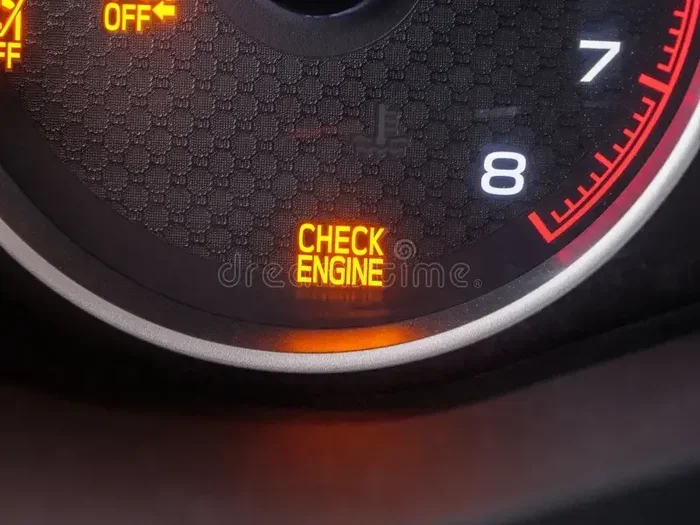
The first sign is often a warning light on your dashboard. Most hybrids have a dedicated battery or powertrain light. If this comes on, do not ignore it. Get the car checked as soon as possible.
Sometimes the light is a minor issue. Other times, it signals serious battery degradation. Only a proper diagnostic can tell the difference. You can get a free diagnostic for your car at many auto parts stores.
Decreased Fuel Economy
One of the biggest benefits of a hybrid is fuel savings. If you notice your gas mileage dropping significantly, the battery may be to blame. A weak battery forces the gas engine to work harder. This burns more fuel and costs you more money.
Keep track of your fuel economy over time. A sudden drop is a red flag. A gradual decline might just mean your driving style has changed. But either way, it is worth investigating.
Reduced Electric-Only Driving Range
Most hybrids can drive a short distance on electric power alone. If you used to glide silently for a mile or two and now you barely get a quarter mile, your battery capacity has dropped.
This is a clear sign of battery degradation. The cells are no longer holding a full charge. At this point, you should start planning for a battery inspection or possible replacement.
Unusual Noises or Vibrations
A healthy hybrid battery operates quietly. If you hear strange sounds coming from the battery area or feel unusual vibrations, something is wrong. These could be signs of internal battery damage or a failing cooling system.
Do not wait on this one. Unusual noises can lead to bigger problems if ignored. Get it checked out right away.
Can You Extend Your Hybrid Battery Life?
The good news is that you can take steps to help your hybrid battery last longer. Simple habits make a big difference over the years.
Keep Your Battery Between 20% and 80% Charge
One of the best things you can do is avoid fully draining your battery or keeping it at 100% all the time. Just like your phone battery, your hybrid battery prefers to stay in the middle range.
Most hybrid systems handle this automatically. But if you have the option to choose driving modes, use the normal or eco mode. Avoid constantly running the battery down to empty before the gas engine kicks in.
Drive Regularly
Hybrid batteries do not like sitting idle for long periods. If you drive your car regularly, the battery stays active and balanced. If you leave a hybrid sitting in the garage for weeks at a time, the battery can lose charge and degrade faster.
Try to drive your hybrid at least a few times a week. Even a short trip around the block keeps the battery healthy and the systems functioning properly.
Maintain the Cooling System
Hybrid batteries have a dedicated cooling system. This system prevents the battery from overheating during operation. If the cooling system fails, the battery can overheat and suffer permanent damage.
Check your coolant levels regularly. Follow the manufacturer’s schedule for cooling system maintenance. This small step can add years to your battery life.
Avoid Aggressive Driving
Hard acceleration and sudden braking put extra stress on the battery. The battery has to absorb and release energy quickly during aggressive driving. Over time, this wears down the battery cells.
Smooth, steady driving is the best for your hybrid battery. Accelerate gently. Brake early and softly. Your battery and your fuel economy will both thank you.
Keep Up With Regular Maintenance
Do not skip your scheduled maintenance appointments. During these visits, the mechanic checks the battery health, cooling system, and overall powertrain condition. Catching small issues early prevents big problems later.
Also, make sure your mechanic is experienced with hybrid vehicles. Not every shop knows how to work on hybrid systems properly. Find a trusted specialist who understands the hybrid powertrain.
Hybrid Battery Replacement: What To Expect
Even with the best care, there may come a time when your hybrid battery needs replacing. Understanding what to expect can ease the worry.
How Much Does a Hybrid Battery Cost?
Hybrid battery replacement is not cheap. The cost typically ranges from $2,000 to $8,000 depending on the vehicle model and battery type. Luxury hybrids tend to cost more. Toyota and Honda batteries are generally more affordable due to widespread availability.
Before you panic, know that you have options. You do not always have to buy a brand-new battery.
New vs. Refurbished vs. Reconditioned
You have three main choices when replacing a hybrid battery:
- New Battery: Most expensive but comes with a full warranty and the longest expected life.
- Refurbished Battery: A used battery that has been tested and repaired. More affordable and often comes with a 1 to 2 year warranty.
- Reconditioned Battery: The existing battery is restored by replacing damaged cells. This can save you up to 50% compared to a new battery.
Many owners choose refurbished or reconditioned options. These can be just as reliable as new batteries and cost significantly less. Ask your dealer or a trusted mechanic about all three options.
Does Warranty Cover Battery Replacement?
Most hybrid batteries come with a warranty of 8 to 10 years or 100,000 miles, whichever comes first. Some states, like California, extend this to 10 years or 150,000 miles.
If your battery fails within the warranty period, the replacement is free. Even after the warranty expires, some dealers offer extended battery coverage plans worth considering.
Can You Drive with a Failing Battery?
Technically, yes. A hybrid with a failing battery can still run on the gas engine alone. But you will lose all the benefits of hybrid driving. Your fuel economy will drop, and you may experience power loss or warning lights.
Driving on a failing battery for too long can also damage other components of the hybrid powertrain. It is best to address battery issues promptly rather than putting them off.
And if you are ever stranded with a dead hybrid battery, remember that you can jump start your hybrid car using a standard car battery or another hybrid vehicle. This is a temporary fix that can get you to a repair shop.
Final Thoughts on Hybrid Battery Longevity
So, can a hybrid battery last 20 years without failing? The evidence says yes. Thousands of hybrid owners around the world have proven it is possible. With the right care, driving habits, and a bit of luck with climate conditions, your hybrid battery can easily outlast its expected lifespan.
The key is to stay proactive. Watch for warning signs. Keep up with maintenance. Drive smart. And when problems do arise, address them quickly before they cascade into bigger issues.
A hybrid vehicle is a significant investment. Protecting that investment starts with understanding your battery. Know how it works, what affects it, and how to take care of it. Do these things, and your hybrid battery will serve you well for decades.
Whether you are considering buying a hybrid or already own one, the message is clear. A hybrid battery lasting 20 years is not just possible. It is achievable. You just have to give it the attention it deserves.
And remember, if you ever need to rely on your gas engine alone, you can always check whether your hybrid car can run on gas only. This knowledge gives you peace of mind and keeps you prepared for any situation on the road.
Frequently Asked Questions
What is the average lifespan of a hybrid battery?
Most hybrid batteries last between 10 and 15 years under normal driving conditions. However, many owners report their batteries lasting 20 years or more with proper maintenance and care.
How much does it cost to replace a hybrid battery?
Hybrid battery replacement costs typically range from $2,000 to $8,000. The price depends on the vehicle make and model, battery type, and whether you choose a new, refurbished, or reconditioned battery.
Can you still drive a hybrid with a dead battery?
Yes, a hybrid can still run on its gas engine even if the battery fails. However, you will lose fuel efficiency and electric-only driving capability. It is best to replace the battery as soon as possible.
Does hybrid battery warranty cover 20 years?
Most hybrid battery warranties cover 8 to 10 years or 100,000 miles. Some states offer extended coverage. A 20-year lifespan is achievable but typically goes beyond the original warranty period.
How can I tell if my hybrid battery is dying?
Common signs include decreased fuel economy, reduced electric-only range, dashboard warning lights, and unusual noises from the battery area. If you notice any of these, get your battery tested right away.
Is it worth replacing a hybrid battery or buying a new car?
In most cases, replacing the battery is more cost-effective than buying a new hybrid vehicle. A refurbished or reconditioned battery can save you thousands of dollars and extend your car’s life by many more years.