Can a Toyota Engine Be Rebuilt Everything You Need to Know
A Toyota engine can absolutely be rebuilt with the right tools, knowledge, and guidance. Whether your engine has high mileage, worn parts, or internal damage, a rebuild can restore performance and extend your vehicle’s life. This guide covers every step, from diagnosing problems to choosing between a rebuild and replacement. You will learn about costs, timelines, and whether a Toyota engine rebuild is the smart move for your budget.
Owning a Toyota comes with a well-earned reputation for reliability and longevity. But even the best engines wear out over time. When your Toyota starts burning oil, losing power, or making strange noises, you might wonder if a full engine rebuild is the answer.
The good news is that Toyota engines are among the most rebuildable engines in the world. Their simple, robust designs mean that a skilled owner or a qualified mechanic can bring an old engine back to life. Whether you drive a Camry, a Tacoma, or a Highlander, understanding the rebuild process can save you thousands of dollars and keep your favorite Toyota on the road for years to come.
In this guide, we will walk you through everything you need to know about rebuilding a Toyota engine. We will cover the signs that your engine needs attention, the step-by-step rebuild process, the costs involved, and whether a rebuild is better than replacing the entire engine. By the end, you will have a clear picture of what to expect and how to make the best decision for your vehicle.
Key Takeaways
- Toyota engines are durable and often worth rebuilding: Toyota’s reputation for reliability makes engine rebuilds a practical choice for many owners.
- Rebuild costs typically range from $2,500 to $7,500: The final price depends on the Toyota model, engine type, and extent of damage.
- A rebuilt engine can last 100,000+ miles: With proper maintenance, a Toyota engine rebuild can match or exceed original factory lifespan.
- You can rebuild it yourself or hire a professional: DIY rebuilds save money but require mechanical skill and the right tools.
- Timing belt, piston rings, and head gaskets are common rebuild points: These are the parts most likely to need replacement during a rebuild.
- Always get a diagnostic before deciding: A free diagnostic for your car can help you understand the true scope of engine work needed.
📑 Table of Contents
- Understanding Toyota Engine Rebuilds
- Signs Your Toyota Engine Needs a Rebuild
- The Toyota Engine Rebuild Process Step by Step
- How Much Does It Cost to Rebuild a Toyota Engine
- Rebuild vs. Replace: Which Is Better for Your Toyota
- Maintaining Your Rebuilt Toyota Engine
- Common Mistakes to Avoid During a Toyota Engine Rebuild
- Expert Insights on Toyota Engine Rebuilds
- Conclusion
Understanding Toyota Engine Rebuilds
Before you dive into the rebuild process, it helps to understand what an engine rebuild actually involves. A Toyota engine rebuild means taking the engine apart, inspecting every component, replacing worn or damaged parts, and reassembling it to factory specifications. This is not a quick fix. It is a thorough restoration that addresses the root causes of engine problems.
Toyota engines are designed with simplicity and durability in mind. Many Toyota models use inline-four or V6 engines that are straightforward to work on. The company’s engineering philosophy prioritizes longevity, which is why Toyota engines often reach 200,000 miles or more with proper care. When those engines do need attention, a rebuild is frequently the most cost-effective solution.
Why Toyota Engines Are Great Candidates for Rebuilding
Several factors make Toyota engines ideal candidates for rebuilding:
- Simple design: Toyota engines use proven designs that have been refined over decades. Fewer complex components mean fewer things to go wrong.
- Wide availability of parts: Toyota parts are available worldwide, both new and aftermarket. You can find replacement components for almost any Toyota model.
- Strong aftermarket support: Enthusiasts and mechanics have created extensive resources for Toyota engine work, from repair manuals to video tutorials.
- High resale value: A Toyota with a rebuilt engine often retains strong resale value, making the investment worthwhile.
- Reliable engine blocks: Toyota engine blocks are cast from durable materials and rarely crack, even under stress. This makes them perfect candidates for rebuilding.
Signs Your Toyota Engine Needs a Rebuild
Not every engine problem requires a full rebuild. Sometimes a simple repair is enough. But certain symptoms strongly suggest that your Toyota engine needs a more comprehensive overhaul. Recognizing these signs early can prevent further damage and save you from a much larger repair bill down the road.
Excessive Oil Consumption
If your Toyota is burning through oil faster than normal, this is a red flag. Worn piston rings are often the culprit. When piston rings fail, oil leaks past the pistons and enters the combustion chamber. You might notice blue smoke coming from the exhaust, especially during acceleration. This is one of the most common reasons owners consider a Toyota engine rebuild.
Loss of Power and Performance
A healthy Toyota engine should deliver consistent power across all RPM ranges. If you notice sluggish acceleration, rough idling, or a general lack of responsiveness, internal engine components may be wearing out. A compression test can reveal whether your cylinders are still sealing properly. Low compression in one or more cylinders often points to worn piston rings, damaged valves, or a failing head gasket.
Knocking or Tapping Sounds
Unusual noises from the engine bay should never be ignored. A deep knocking sound usually indicates worn rod bearings. A tapping noise might point to valve train issues. These problems will only get worse over time. If you hear persistent knocking, it is wise to have a mechanic inspect the engine before deciding on a rebuild.
Coolant Leaks and Overheating
If your Toyota is losing coolant or frequently overheating, a blown head gasket could be the cause. A head gasket failure allows coolant to enter the combustion chambers or oil passages. This can cause serious engine damage if left unaddressed. In many cases, replacing the head gasket during a rebuild is a smart preventive measure.
High Mileage and General Wear
Toyota engines are built to last, but they are not immune to wear. If your Toyota has passed the 150,000-mile mark and is showing signs of general engine fatigue, a rebuild can refresh the entire powerplant. Many owners choose to proactively rebuild high-mileage engines before a major failure occurs. This approach gives you peace of mind and avoids unexpected breakdowns.
The Toyota Engine Rebuild Process Step by Step
Rebuilding a Toyota engine is a detailed process that requires patience, precision, and the right tools. While the exact steps vary depending on the engine model, the general process follows a consistent pattern. Whether you are doing it yourself or overseeing a mechanic, understanding each stage helps you make informed decisions.
Step 1: Preparation and Diagnosis
Before you remove a single bolt, you need to diagnose the problem accurately. Start with a thorough inspection of the engine. Check for visible leaks, listen for unusual sounds, and note any warning lights on the dashboard. A compression test and a leak-down test will tell you the condition of your cylinders and seals. If you are unsure about the diagnosis, consider getting a professional assessment. You can even get a free diagnostic for your car at many auto parts stores to narrow down the issue.
During this phase, gather all the necessary tools and replacement parts. A typical Toyota engine rebuild requires new piston rings, bearings, gaskets, seals, and possibly new pistons or camshafts. Having everything ready before you start will keep the project moving smoothly.
Step 2: Removing the Engine
With the diagnosis complete, the next step is to remove the engine from the vehicle. This requires lifting the engine out using an engine hoist or jack. You will need to disconnect the battery, remove the intake manifold, exhaust system, and all electrical connections. Every Toyota model has a slightly different removal process, so consult a repair manual specific to your vehicle.
Take photos and label everything as you go. This makes reassembly much easier later. Place all bolts, brackets, and small parts in labeled containers so nothing gets lost.
Step 3: Disassembly
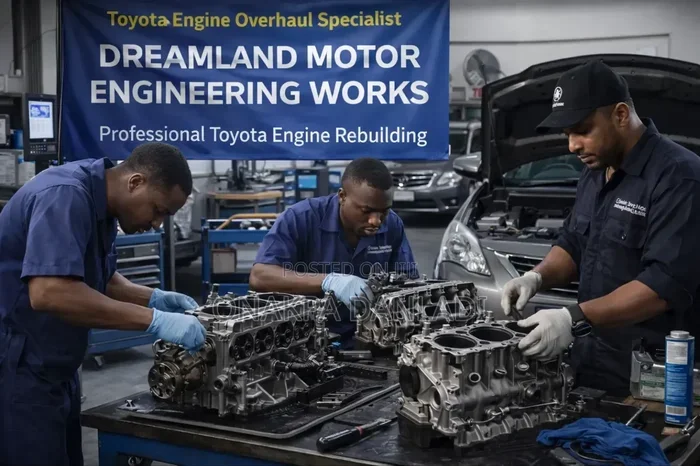
Once the engine is out, carefully disassemble it on a clean workbench. Remove the cylinder heads, oil pan, timing cover, and valve cover. Label every component and keep track of its position. Disassembly is the most time-consuming part of the rebuild, but it is also where you discover the full extent of the wear and damage.
Inspect each part carefully. Measure cylinder bore diameters for wear. Check the crankshaft for scoring. Look at the camshaft lobes for pitting. Any part that is worn beyond acceptable limits should be replaced, not reused.
Step 4: Cleaning and Inspection
Every component needs to be thoroughly cleaned before inspection. Use a parts washer or solvent tank to remove oil, carbon deposits, and old gasket material. After cleaning, inspect each part under good lighting. Look for cracks, warping, excessive wear, or any damage that could compromise engine performance.
The engine block should be checked for straightness using a machinist’s straightedge. If the block is warped, it may need to be machined at a machine shop. This is an extra step, but it ensures a proper seal when the engine is reassembled.
Step 5: Machining and Replacement
Some engine rebuilds require machining work. The cylinder walls may need to be honed to a new size to accommodate oversized pistons. The cylinder head may need to be resurfaced to ensure a flat sealing surface. The crankshaft journals should be measured for taper and out-of-round conditions.
Replace all wearable components with new parts. This typically includes:
- Piston rings: These seal the combustion chamber and control oil consumption.
- Main bearings and rod bearings: These allow the crankshaft to rotate smoothly inside the block.
- Head gasket: This seals the junction between the engine block and cylinder head.
- Timing belt or chain: If your Toyota uses a timing belt, replacing it during a rebuild is strongly recommended.
- Oil pump: A fresh oil pump ensures proper lubrication throughout the engine.
- Water pump and thermostat: These cooling components are inexpensive insurance against future overheating.
Step 6: Reassembly
Reassembly is the reverse of disassembly, but it requires even more care. Follow the manufacturer’s torque specifications exactly. Every bolt has a specific torque value and tightening sequence. Using a torque wrench is not optional. Over-tightening or under-tightening can cause serious engine damage.
Apply clean engine oil to all moving parts during reassembly. This includes the piston rings, bearings, camshaft lobes, and any surfaces that slide against each other. Proper lubrication during reassembly prevents dry starts that can damage a freshly rebuilt engine.
Step 7: Installation and Break-In
Once the engine is reassembled, carefully lower it back into the vehicle. Reconnect all systems, including the cooling system, exhaust, and electrical components. Fill the engine with fresh oil and coolant. Before starting the engine, prime the oil system to ensure oil reaches all bearings immediately.
The break-in period is critical. During the first 500 to 1,000 miles, avoid high RPMs and heavy loads. Vary your engine speed gently to allow the new piston rings to seat properly against the cylinder walls. After the break-in, change the oil and filter again to remove any metal particles from the machining process.
How Much Does It Cost to Rebuild a Toyota Engine
Cost is one of the biggest factors in the rebuild decision. The price of a Toyota engine rebuild varies widely based on several factors. Understanding these costs helps you decide whether a rebuild makes financial sense compared to other options.
Factors That Affect Rebuild Cost
Several variables influence the final cost of a Toyota engine rebuild:
- Toyota model and engine type: A four-cylinder Camry engine costs less to rebuild than a V6 Tacoma or a larger SUV engine.
- Extent of damage: If the engine only needs new rings and bearings, the cost is lower. If the block is cracked or the crankshaft is damaged, costs rise significantly.
- Parts quality: OEM (original equipment manufacturer) parts cost more than aftermarket parts but offer better reliability and fit.
- Machine shop work: Honing, decking, and crankshaft grinding add to the total cost but are often necessary for a quality rebuild.
- Labor costs: If you hire a professional, labor rates vary by region. Independent shops typically charge less than dealerships.
- DIY vs. professional: Doing the rebuild yourself eliminates labor costs but requires time, skill, and the right tools.
Typical Cost Breakdown
On average, a Toyota engine rebuild costs between $2,500 and $7,500. Here is a rough breakdown of what you can expect:
- Parts (pistons, rings, bearings, gaskets, seals): $800 to $2,500
- Machine shop work (honing, resurfacing, inspection): $400 to $1,500
- Labor (if hiring a professional): $1,500 to $4,000
- Additional components (water pump, timing belt, oil pump): $200 to $800
Compare this to the cost of a new Toyota engine, which can range from $4,000 to $10,000 or more, including installation. A rebuild typically saves you 40 to 60 percent compared to a new engine replacement. For most Toyota owners, the rebuild option provides the best value.
Rebuild vs. Replace: Which Is Better for Your Toyota
When your Toyota engine is failing, you generally have two options: rebuild the existing engine or replace it with a used or remanufactured engine. Both approaches have pros and cons, and the right choice depends on your specific situation.
When to Choose a Rebuild
A rebuild makes the most sense when:
- The engine block is still in good condition with no cracks or severe warping.
- The main damage is limited to internal wear such as worn rings, bearings, or a blown head gasket.
- You want a fully customized rebuild with upgraded components.
- The vehicle has sentimental value or a clean title that would be difficult to transfer with a replacement engine.
- You have the mechanical skills and tools to do the work yourself.
When to Choose a Replacement Engine
A replacement engine might be the better option when:
- The engine block is cracked or severely damaged beyond repair.
- The cost of machine shop work would push the rebuild price close to a replacement engine cost.
- You need the vehicle back on the road quickly and cannot wait for a full rebuild.
- A low-mileage used engine is available for a reasonable price.
One important consideration is that you should never put a replacement engine into a vehicle with a salvage title if you plan to resell it. If you are curious about the implications of salvage titles, you can learn more about driving a car with a salvage title before making your decision.
Maintaining Your Rebuilt Toyota Engine
A rebuilt engine is only as durable as the maintenance that follows it. After investing time and money into a Toyota engine rebuild, you want to protect that investment. Following a proper maintenance routine will help your rebuilt engine reach and exceed 100,000 miles.
Follow the Break-In Period Carefully
The first 1,000 miles after a rebuild are the most critical. During this period, the new piston rings need to seat properly against the cylinder walls. Avoid sustained high RPMs, heavy towing, and aggressive acceleration. Keep your speeds moderate and vary your engine load gently. After the break-in, change the oil and filter to remove any residual metal particles.
Use High-Quality Fluids
Your rebuilt engine deserves the best fluids you can provide. Use synthetic oil with the viscosity recommended by Toyota for your specific model. Synthetic oil provides better protection and lasts longer between changes. Also use high-quality coolant and transmission fluid to protect all the systems connected to your engine.
Stick to Regular Maintenance Schedules
Toyota provides detailed maintenance schedules for every model. Follow them religiously after a rebuild. Regular oil changes, spark plug replacements, and coolant flushes keep the engine running smoothly. Do not skip scheduled services, even if the engine seems to be running perfectly.
Monitor for Early Warning Signs
Even after a successful rebuild, stay alert for warning signs. Check your oil level regularly and watch for any changes in oil consumption. Listen for new noises and pay attention to any changes in performance. Early detection of problems allows you to address them before they become major issues.
Consider Upgrading Key Components
If you are doing a Toyota engine rebuild, consider upgrading certain components for improved durability. Upgraded piston rings, high-performance bearings, and an improved oil pump can add longevity and reliability. These upgrades are relatively inexpensive and can make a meaningful difference in the long run.
Common Mistakes to Avoid During a Toyota Engine Rebuild
Even experienced DIY mechanics can make mistakes during an engine rebuild. Avoiding these common errors will save you time, money, and frustration.
Skipping the Compression Test
Never start a rebuild without performing a compression test first. This test tells you exactly which cylinders are weak and helps you focus your efforts where they matter most. Skipping this step can lead to wasted time and money on unnecessary replacements.
Reusing Worn Bearings
It can be tempting to reuse bearings that look okay, but even slightly worn bearings will shorten the life of your rebuilt engine. Always install new bearings during a rebuild. They are inexpensive compared to the cost of a second rebuild.
Ignoring Torque Specifications
Every bolt on a Toyota engine has a specific torque specification. Guessing or eyeballing torque values can lead to stripped threads, cracked components, or improper sealing. Invest in a quality torque wrench and follow the factory specifications exactly.
Forgetting to Replace the Timing Belt
If your Toyota uses a timing belt, always replace it during a rebuild. A timing belt failure while driving can destroy the engine completely. The cost of a new timing belt is minimal compared to the cost of catastrophic engine damage.
Neglecting the Break-In Period
Rushing the break-in period is one of the most common mistakes. New piston rings need time to seat properly. Driving the engine hard too soon can prevent proper ring seating and lead to increased oil consumption down the road.
Using the Wrong Gasket Sealant
Not all gaskets need sealant, and using the wrong type can cause leaks or improper sealing. Always check the gasket manufacturer’s recommendations before applying any sealant. Many modern gaskets are designed to seal without additional products.
Expert Insights on Toyota Engine Rebuilds
Experienced Toyota mechanics and enthusiasts agree on several key points about engine rebuilds. These insights come from years of hands-on experience and can help you make better decisions throughout the process.
First, never underestimate the value of a clean workspace. A rebuild requires working with very small tolerances. Even a tiny particle of dirt in the oil passages can cause serious damage. Clean your workbench thoroughly and keep all parts covered when not in use.
Second, invest in a quality repair manual. Toyota sells official service manuals for every model, and these contain detailed specifications, torque values, and step-by-step procedures. Generic repair manuals often lack the precision needed for a proper engine rebuild.
Third, do not be afraid to ask for help. Online Toyota communities are full of experienced enthusiasts who have completed engine rebuilds. Forums and YouTube channels dedicated to Toyota maintenance can provide guidance specific to your model. If you get stuck at any point, these resources can be invaluable.
Finally, consider having the cylinder heads professionally inspected and resurfaced even if they appear to be in good condition. Head gasket failures often cause subtle warping that is not visible to the naked eye. Professional resurfacing ensures a perfect seal and prevents future head gasket problems.
If you are also considering changes to your vehicle’s electronic systems, such as reprogramming the engine control module, you might want to learn about whether you can reprogram your ECM yourself before starting the rebuild process.
Conclusion
A Toyota engine rebuild is a rewarding project that can breathe new life into a trusted vehicle. Toyota engines are built to last, and their simple, robust designs make them excellent candidates for rebuilding. Whether you are dealing with excessive oil consumption, loss of power, or general wear from high mileage, a rebuild offers a cost-effective path to restored performance.
The process requires patience, attention to detail, and a willingness to follow factory specifications. From diagnosis through disassembly, cleaning, machining, reassembly, and break-in, each step plays a vital role in the success of the rebuild. The cost savings compared to a new engine replacement make rebuilding an attractive option for most Toyota owners.
By maintaining your rebuilt engine properly and avoiding common mistakes, you can enjoy reliable performance for another 100,000 miles or more. A Toyota engine rebuild is not just a repair. It is an investment in the longevity and reliability of one of the world’s most trusted vehicles.
Take your time, do the work carefully, and enjoy the satisfaction of bringing your Toyota engine back to life. Your car will thank you with years of dependable service.
Frequently Asked Questions
How long does it take to rebuild a Toyota engine?
A Toyota engine rebuild typically takes between 20 and 40 hours of work for a professional mechanic. If you are doing it yourself, plan for several weekends or even a few weeks, depending on your experience level. The time varies based on the engine model, the extent of damage, and whether any machine shop work is required.
Can I rebuild a Toyota engine myself without any mechanical experience?
While it is technically possible, rebuilding an engine without mechanical experience is extremely challenging. The process requires precision, specialized tools, and a good understanding of engine internals. If you are a beginner, consider working alongside an experienced mechanic or taking a community college automotive class first.
Is a rebuilt Toyota engine as reliable as a new one?
A properly rebuilt Toyota engine can be just as reliable as a new one. The key is using quality parts, following factory torque specifications, and allowing for a proper break-in period. Many rebuilt Toyota engines last well over 100,000 miles with regular maintenance.
What is the difference between a Toyota engine rebuild and a remanufactured engine?
A rebuild is done on your existing engine, where worn parts are replaced and the engine is reassembled. A remanufactured engine is a completely new or used engine that has been taken back to factory specifications by a manufacturer. Remanufactured engines come with warranties, while rebuilds depend on the quality of the work performed.
How can I tell if my Toyota engine needs a rebuild or just a simple repair?
A compression test and leak-down test will tell you the overall health of your engine. If multiple cylinders show low compression or if there is significant internal wear, a rebuild is likely needed. Simple repairs like replacing a gasket or thermostat do not require a full rebuild. Getting a professional diagnostic, such as a free car diagnostic, can help clarify the scope of work needed.
Will a rebuilt Toyota engine affect my vehicle’s warranty?
If your Toyota is still under the original manufacturer’s warranty, a DIY engine rebuild will void it. A rebuild done by a certified mechanic may preserve some warranty coverage depending on your vehicle’s age and mileage. Always check with your dealer or warranty provider before proceeding with any engine work.