Can I Replace Windshield Wipers Myself at Home Today
Yes, you can replace windshield wipers yourself at home in under 15 minutes. This guide walks you through everything you need to know about DIY wiper blade replacement, from picking the right size to installing them like a pro. Save money and keep your windshield visibility sharp without visiting a mechanic.
You are standing in your driveway, peering through a streaky windshield, and thinking, “Can I replace windshield wipers myself?” The answer is a resounding yes. You do not need a mechanic. You do not need a garage full of tools. You just need about 15 minutes, a new set of blades, and this guide.
Windshield wipers are one of the most overlooked parts of car maintenance. Yet they play a huge role in your driving safety, especially during rain or snow. Worn blades leave streaks, reduce visibility, and make every drive more dangerous. Replacing them yourself is simple, fast, and costs a fraction of what a shop would charge.
Whether you have never touched a wiper blade or you have done it a few times, this guide covers everything. You will learn how to pick the right blades, remove the old ones, install the new ones, and keep your windshield visibility crystal clear all year long.
Key Takeaways
- Easy DIY Task: Replacing wiper blades is one of the simplest car maintenance jobs you can do at home.
- Save Money: DIY replacement costs a fraction of what a shop charges, often under $20 for both blades.
- Know Your Wiper Type: Conventional, beam, and winter wipers each have different installation methods.
- Right Size Matters: Using the correct blade length ensures full windshield coverage and streak-free wiping.
- Replace Every 6 Months: Regular replacement keeps your driving safety high and prevents smearing.
- Quick Process: Most vehicles take 5 to 10 minutes per blade with no special tools.
- Windshield Care Goes Together: Pair new wipers with clean windshield care for best results.
📑 Table of Contents
- Why You Should Replace Windshield Wipers Yourself
- Understanding Wiper Blade Types
- How to Pick the Right Wiper Blade Size
- Tools and Materials You Will Need
- Step-by-Step Guide to Replacing Windshield Wipers
- Common Mistakes to Avoid
- How Often Should You Replace Wiper Blades?
- Tips for Extending Wiper Blade Life
- When to Seek Professional Help
- Final Thoughts
Why You Should Replace Windshield Wipers Yourself
Most people assume that DIY car repair means complicated engine work or brake jobs. Replacing wiper blades is about as simple as it gets. Here is why you should consider doing it yourself.
Save Money on Auto Parts
A mechanic or dealership might charge you $30 to $50 per blade for installation. When you buy the blades yourself and install them at home, you pay only for the parts. A quality pair of OEM wiper blades costs between $10 and $25 total. That is a huge savings.
No Appointment Needed
You do not need to drive to a shop. You do not need to wait for an appointment. You do not need to sit in a waiting room for an hour. Just grab your new blades, pop your hood, and get it done in your own driveway or garage.
Learn More About Your Car
Every time you do a simple DIY car repair job, you learn something new about your vehicle. Understanding how your wipers work helps you spot other issues early. It builds confidence for bigger projects down the road.
Do It On Your Schedule
Rain is forecast for tomorrow? You do not have to wait for a shop to open. You can run to the auto parts store, grab a pair of blades, and install them right away. Keeping your wipers in good shape means you are always ready for bad weather.
Understanding Wiper Blade Types
Not all wiper blades are the same. Before you buy replacements, it helps to know what is out there. Different types suit different needs, climates, and vehicles.
Conventional Wiper Blades
Conventional wipers are the most common type. They have a metal frame with a rubber blade that presses against the glass. These are affordable and widely available at any auto parts store. They work well for most everyday driving conditions. If your car came with basic wipers from the factory, these are likely what you need.
Beam Blade Wipers
Beam blades have no visible metal frame. They use a single piece of flexible rubber that contours to the shape of your windshield. This design provides even pressure across the entire blade. Beam wipers perform better in heavy rain and at higher speeds. They also look sleeker and are less likely to collect ice. Many newer vehicles come standard with beam blades.
Winter Wiper Blades
Winter wipers are designed for snow and ice. They have a protective boot or housing that shields the mechanism from freezing. The rubber is extra durable to handle harsh cold. If you live in an area with cold winters, these are a smart choice. They prevent the blades from sticking or cracking in freezing temperatures.
Hybrid Wiper Blades
Hybrid wipers combine elements of conventional and beam designs. They offer a frame for structure and a sleek rubber cover for aerodynamics. These are a good middle-ground option. They work well in both mild and moderate weather conditions.
Specialty Wipers for Certain Vehicles
Some vehicles use unique wiper systems. Rear wipers on SUVs and hatchbacks often need specific blade types. Vehicles with curved windshields may require beam blades for proper contact. Always check your vehicle manual or use an online size finder before purchasing.
How to Pick the Right Wiper Blade Size
Buying the wrong size is the most common mistake people make. A blade that is too short will leave streaks across part of your windshield visibility. A blade that is too long may not make proper contact or could damage the wiper arm.
Check Your Owner’s Manual
Your vehicle’s owner manual lists the exact wiper blade sizes for both the driver and passenger sides. This is the most reliable source. Keep a copy of the manual in your glove box for future reference.
Measure the Old Blades
If you do not have the manual, you can measure the old blades yourself. Use a ruler or tape measure from the base of the wiper arm to the tip of the blade. Measure both sides separately. Driver and passenger sides are often different lengths.
Use an Online Size Finder
Most auto parts retailers have an online size finder tool. You enter your vehicle make, model, and year, and it tells you the exact blade sizes. This is a quick and easy option. Many stores also have a reference guide near the wiper aisle.
Consider the Connector Type
Wiper blades attach to the wiper arm using different connector systems. The most common types include side-lock, bayonet, and push-button connectors. When you buy new blades, they usually come with the correct adapter. But it is still a good idea to check compatibility before purchasing.
Tools and Materials You Will Need
One of the best things about replacing wiper blades yourself is that you barely need any tools. Here is what you should have ready.
- New wiper blades – sized correctly for your vehicle
- A clean microfiber cloth – for wiping down the windshield
- Windshield washer fluid – to top off after installation
- Gloves (optional) – keeps your hands clean and protects the rubber
- A small flathead screwdriver (optional) – helps with stubborn connectors
That is it. You do not need a mechanic’s toolkit. Everything you need can be found at your local auto parts store or online. If you want to keep your car looking great inside and out, you might also want to check out how to clean faux leather with Dawn as part of a broader car care routine.
Step-by-Step Guide to Replacing Windshield Wipers
Now for the part you have been waiting for. Here is the actual process of replacing your wiper blades. Follow these steps carefully, and you will have new wipers on in no time.
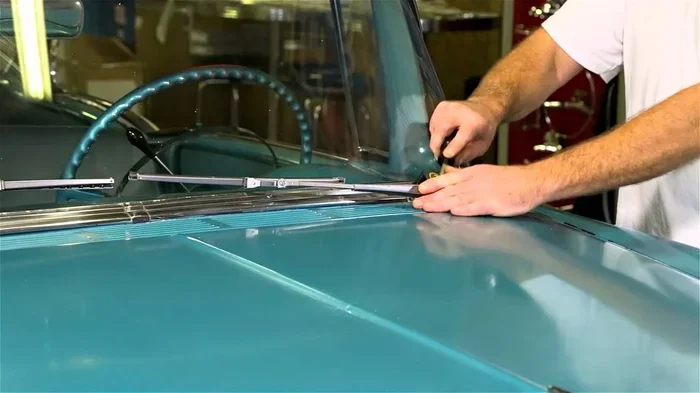
Step 1: Lift the Wiper Arms
Start by turning your vehicle off. Then, gently lift each wiper arm away from the windshield. Wiper arms are spring-loaded, so they can snap back suddenly. Move slowly and carefully to avoid cracking the glass. Place a folded towel between the arm and the windshield for protection.
Step 2: Remove the Old Blade
Locate the release mechanism on the wiper blade connector. This is usually a small tab, button, or latch. Press or slide it while gently pulling the blade away from the arm. The old blade will slide off. Set it aside. Some older models may require a small screwdriver to release the lock. Be gentle so you do not damage the wiper arm.
Step 3: Prepare the New Blade
Take your new wiper blade out of the packaging. Remove any plastic protective covers from the rubber. Check that the correct adapter is included. Slide the adapter onto the new blade if needed. Make sure it clicks or locks into place securely.
Step 4: Attach the New Blade
Align the new blade with the wiper arm connector. Slide it on until you hear or feel a click. Give it a gentle tug to confirm it is firmly attached. Repeat this process for the second blade. Make sure you install the correct size on each side, as they are often different lengths.
Step 5: Lower the Wiper Arms
Carefully lower each wiper arm back down to the windshield. Do this gently to prevent the arm from snapping onto the glass. Remove the towel or cloth you placed earlier.
Step 6: Test the New Blades
Turn on your vehicle and spray some windshield washer fluid on the glass. Activate the wipers and watch how they move. They should glide smoothly across the windshield with no streaks or skipping. If you notice any issues, check that the blades are properly attached and seated.
Common Mistakes to Avoid
Even simple tasks come with pitfalls. Here are common mistakes people make when replacing wiper blades and how to avoid them.
- Buying the wrong size: Always double-check the blade length before purchasing. Even a one-inch difference can cause streaking.
- Forgetting the adapter: Some blades require a separate adapter to fit your wiper arm. Check the packaging before you start the install.
- Forcing the connector: If the blade does not slide on easily, do not force it. Check that you have the right type and that the adapter is properly seated.
- Skipping the test: Always test the new blades before driving in the rain. A quick spray of washer fluid takes only a few seconds.
- Not replacing both blades: If one blade is worn, the other likely is too. Replace both at the same time for even performance.
- Touching the rubber with bare hands: Oils from your skin can shorten the life of the rubber. Use gloves or a cloth when handling the blade edge.
Keeping your windshield clean also plays a big role in wiper performance. A dirty windshield can wear down new blades faster. If you are washing your car regularly, make sure you are not overdoing it. You can learn more about whether you can wash your car too much to keep your entire vehicle in top shape.
How Often Should You Replace Wiper Blades?
Most manufacturers recommend replacing wiper blades every six months. However, your driving conditions can change that timeline. If you live in an area with harsh sun, extreme cold, or frequent storms, you may need to replace them more often.
Here are some signs that your wipers need replacing:
- Streaks or smears across the windshield after wiping
- Chattering or skipping across the glass
- Cracked or split rubber on the blade edge
- Wipers that do not sit flush against the windshield
- Reduced visibility during rain or snow
Setting a reminder on your phone every six months helps you stay on track. Many people replace their wipers twice a year, once in spring and once in fall. This aligns well with seasonal weather changes and keeps your windshield visibility at its best.
Tips for Extending Wiper Blade Life
Once you have invested in new wipers, you want them to last as long as possible. Here are some simple tips to extend their life.
- Clean your windshield regularly: A clean glass surface reduces friction on the rubber. Use a quality glass cleaner.
- Lift wipers in winter: During freezing weather, lift the wiper arms away from the glass. This prevents them from freezing to the windshield.
- Wipe the blades with a damp cloth: Dirt and debris on the rubber shorten its lifespan. A quick wipe during car washes helps.
- Avoid using wipers on a dry windshield: Always use washer fluid when wiping. Dry wiping creates friction and wears the rubber faster.
- Store your vehicle in a garage when possible: Sun exposure and extreme weather break down rubber over time.
Taking care of your windshield goes hand in hand with wiper maintenance. Consider using a car windshield sunshade to protect both your glass and wiper blades from UV damage during hot summer months. Similarly, keeping your windshield clear of ice and fog is important. You can learn more about defogging your car windshield for safer driving in humid or cold conditions.
When to Seek Professional Help
Replacing wiper blades is a straightforward task for most vehicles. But there are situations where professional help makes sense.
If your wiper arms are bent, corroded, or not springing back properly, a mechanic can replace or repair them. If your vehicle has a rear wiper that is difficult to access, or if you have a luxury vehicle with a specialized wiper system, a professional can handle it safely. Additionally, if you notice that your wipers are leaving streaks even with brand-new blades, the issue might be with the windshield itself rather than the wipers. A professional inspection can help identify the root cause.
For more information on related car care and maintenance topics, check out our article on whether you can put 88 gas in your car to make sure you are fueling correctly alongside keeping your wipers in top shape.
Final Thoughts
So, can you replace windshield wipers yourself? Absolutely. It is one of the easiest and most rewarding DIY car repair jobs you can do. In less than 30 minutes, you can have brand-new blades on your vehicle, better windshield visibility, and more confidence in your driving safety.
You save money, you learn a valuable skill, and you avoid the hassle of waiting at a repair shop. All it takes is the right size blades, a few minutes, and a little confidence. The next time it starts to rain, you will be glad you took care of it yourself.
Keep a spare set of blades in your garage or trunk. Stay ahead of wear and tear. And remember, car maintenance does not have to be complicated. Sometimes the simplest fixes make the biggest difference.
Frequently Asked Questions
How long does it take to replace windshield wipers yourself?
Most people can replace both windshield wiper blades in 10 to 15 minutes. Once you have done it a couple of times, it becomes even faster. The process is straightforward and requires no special tools or experience.
Can I use any wiper blade for my car?
No, you need to match the blade size and connector type to your specific vehicle. Using the wrong size or adapter can lead to poor performance and streaking. Check your owner manual or use an online size finder to get the correct blades.
How much does it cost to replace wiper blades yourself?
A pair of quality wiper blades typically costs between $10 and $25. This is significantly cheaper than paying a shop $30 to $50 per blade for parts and labor. Buying in bulk or during sales can save you even more.
What happens if I don’t replace my wiper blades regularly?
Worn wiper blades cause streaks, smears, and reduced visibility during rain or snow. This compromises your driving safety. Over time, damaged blades can also scratch your windshield, leading to costly repairs or replacements.
Can I replace just one wiper blade at a time?
Yes, you can replace one blade at a time. However, it is best practice to replace both blades at the same time. This ensures even wiping performance and consistent windshield visibility across the entire glass surface.
Are beam wipers better than conventional wipers?
Beam wipers generally offer better performance because they provide even pressure across the blade and conform to curved windshields. They are also more aerodynamic and less prone to ice buildup. However, conventional wipers are more affordable and work well for most everyday driving conditions.