How Do I Know If My Air Filter Needs Changing Today
Knowing when to replace your air filter keeps your engine running strong and saves you money at the pump. A dirty air filter restricts airflow, reduces fuel efficiency, and can cause serious engine damage over time. In this guide, you will learn the top symptoms, simple DIY checks, and replacement timelines to stay ahead of maintenance.
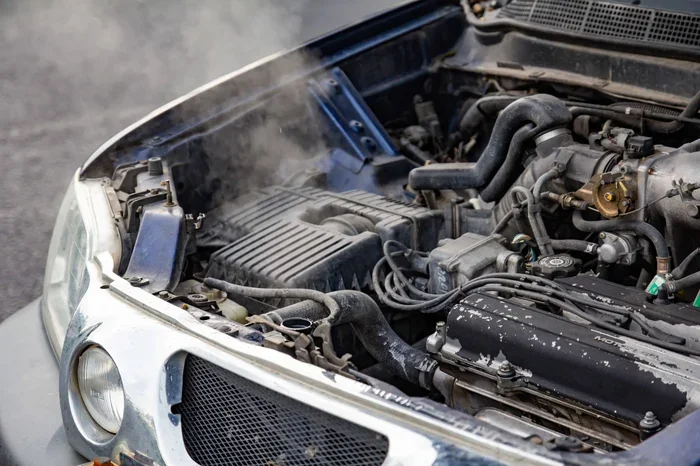
Your car’s air filter works silently behind the scenes. It traps dust, dirt, pollen, and debris before they enter your engine. Over time, that filter gets clogged. When it does, your vehicle starts telling you something is wrong. The problem is, many drivers ignore the signs until the damage becomes costly.
Knowing how to recognize when your air filter needs changing is one of the simplest yet most important parts of car maintenance. It takes just a few minutes to check, and replacing it costs only a fraction of what a major engine repair would. Whether you drive a new sedan or an older truck, your air filter plays a huge role in how well your vehicle runs.
In this article, we will walk you through every sign that your filter is due for a swap. You will learn how to inspect it yourself, what happens when you skip replacements, and how often to change it. We will also cover cabin air filters, since they affect the air you breathe inside your car. By the end, you will feel confident handling this quick and easy maintenance task on your own.
Key Takeaways
- Visual inspection is the easiest method: A dirty or gray air filter is a clear sign it needs replacing.
- Reduced fuel economy is a major warning sign: A clogged filter forces your engine to work harder and burn more gas.
- Unusual engine sounds matter: Misfires, coughing, or rough idling can point to a blocked air filter.
- Follow the manufacturer’s replacement interval: Most vehicles need a new filter every 12,000 to 15,000 miles.
- DIY replacement is simple and affordable: You can change your air filter at home in under 15 minutes.
- Check your cabin air filter too: It affects the air quality inside your car and needs regular replacement.
- Ignoring a dirty filter risks expensive repairs: Long-term neglect can damage engine components and trigger the check engine light.
📑 Table of Contents
- What Does an Air Filter Do?
- Top Signs Your Air Filter Needs Changing
- How Often Should You Replace Your Air Filter?
- How to Check Your Air Filter at Home
- What Happens If You Never Change Your Air Filter?
- Can You Change Your Air Filter Yourself?
- Quick Tips for Air Filter Maintenance
- Common Mistakes People Make With Air Filters
- When to See a Professional
- Conclusion
What Does an Air Filter Do?
Before we dive into the signs, it helps to understand the job your air filter performs. Every gasoline and diesel engine needs air to burn fuel. That air passes through the air filter first. The filter catches dirt, bugs, dust, and other particles. Clean air means a cleaner combustion process and a healthier engine.
A clogged filter starves your engine of oxygen. Your vehicle then burns fuel inefficiently. This leads to a chain of problems that only get worse over time. Think of it like trying to breathe through a pillow. You can do it, but it is much harder and you will not feel great.
Engine Air Filter vs Cabin Air Filter
Most people do not realize there are actually two air filters in many vehicles. The engine air filter cleans the air going into the engine. The cabin air filter cleans the air that enters the interior through your vents. Both matter, but they serve different purposes.
Your engine air filter affects performance and fuel economy. Your cabin air filter affects the air quality inside your car. A dirty cabin filter can make the air smell musty or cause allergies to flare up. Many drivers forget about the cabin filter entirely. Make sure you check both during routine car maintenance.
Top Signs Your Air Filter Needs Changing
Your vehicle gives you plenty of warning when the air filter is dirty. The key is knowing what to look for. Here are the most common signs that it is time for a replacement.
1. Visible Dirt and Debris
The simplest way to check is to look at the filter itself. Pop the hood and locate the air filter housing. Most vehicles make this easy. Open the housing and pull out the filter. Hold it up to a bright light.
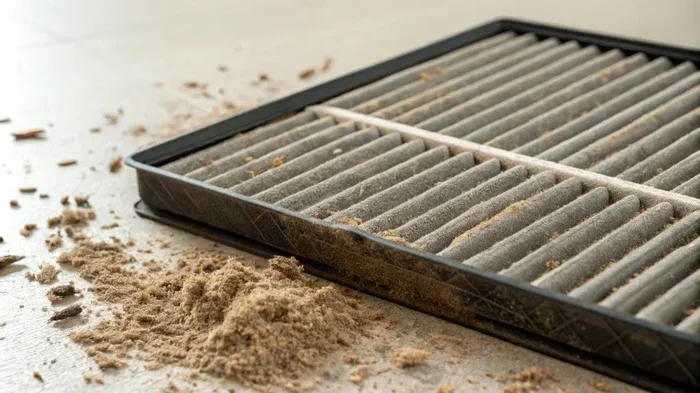
If you cannot see light passing through the filter, it is too dirty. A clean filter looks white or light gray. A dirty filter looks dark brown or black. You may even see visible clumps of dust and debris. This is the most obvious signal that a dirty air filter needs to come out.
2. Reduced Fuel Economy
Are you filling up more often than usual? A clogged air filter can tank your fuel efficiency. When the filter blocks airflow, your engine compensates by burning more fuel. You might notice you are visiting the gas station more frequently even though your driving habits have not changed.
This drop in fuel efficiency often happens gradually. You may not notice it day to day. But over weeks and months, the difference adds up. Checking your air filter is one of the first steps if you see your gas mileage slipping.
3. Unusual Engine Sounds
A healthy engine runs smoothly. If you hear coughing, sputtering, or rough idling, your air filter could be the culprit. A blocked filter limits the air-fuel mixture. This causes incomplete combustion, which leads to misfires and strange noises.
Pay attention to these sounds, especially when you are idling at a stoplight or starting the car in the morning. Engine misfires caused by a dirty filter can worsen over time and lead to more expensive repairs if you do not address them.
4. Weak Acceleration
When you press the gas pedal, does your car feel sluggish? A dirty air filter restricts the oxygen your engine needs for proper combustion. Without enough air, your vehicle struggles to accelerate. You might feel a delay or heaviness when you step on the pedal.
This is especially noticeable when you are merging onto a highway or climbing a hill. If your car feels slow to respond, do not ignore it. A simple air filter replacement can often restore your vehicle’s responsiveness.
5. Check Engine Light
The check engine light can mean many things. But one overlooked cause is a dirty air filter. When the air flow restriction becomes severe, the engine’s sensors detect an imbalance in the air-fuel mixture. This triggers the warning light on your dashboard.
If your check engine light comes on, check the air filter first before panicking. It is the cheapest and easiest thing to inspect. Sometimes a simple filter replacement will clear the light and solve the problem entirely.
6. Black Smoke or Sooty Exhaust
Dark exhaust smoke is never a good sign. When your engine cannot get enough clean air, the fuel mixture becomes too rich. This causes incomplete burning and produces black smoke or soot. You might notice this more when accelerating or idling.
If you see dark exhaust, check your air filter immediately. Continuing to drive with a severely clogged filter can damage your catalytic converter. That is an expensive repair you definitely want to avoid.
7. Musty Smell Inside the Car
Sometimes the problem is not your engine air filter but your cabin air filter. A dirty cabin filter can cause a musty or moldy smell when you turn on the vents. You might also notice reduced airflow from your dashboard vents.
If the air inside your car smells off, check the cabin filter. Replacing it is quick and inexpensive. You will notice a fresher, cleaner smell right away. This is an often-overlooked part of vehicle upkeep that makes a big difference in daily comfort.
How Often Should You Replace Your Air Filter?
The general recommendation is to replace your engine air filter every 12,000 to 15,000 miles. However, this varies based on several factors. Your owner’s manual provides the manufacturer’s specific guidance. But real-world conditions often require more frequent changes.
Factors That Speed Up Filter Dirtiness
Certain driving conditions cause your air filter to clog faster. If you regularly drive in any of these situations, you should check your filter more often:
- Dusty or unpaved roads – Dirt and gravel kick up a lot of debris
- Heavy traffic in urban areas – Stop-and-go driving pulls more exhaust particles into the filter
- High pollution areas – Cities with poor air quality clog filters faster
- Hot and dry climates – Dust and sand are more prevalent
- Frequent short trips – Short drives do not allow the engine to clear out accumulated particles
If you drive in any of these conditions, consider checking your filter every 6,000 miles. A proactive approach saves you from unexpected breakdowns and keeps your engine running at peak performance.
How to Check Your Air Filter at Home
You do not need a mechanic to check your air filter. This is a simple DIY car maintenance task anyone can do. Here is how to do it step by step.
Step-by-Step Guide
- Locate the air filter housing. Open your hood and look for a rectangular or circular box near the top of the engine. It usually has a large hose connected to the engine intake.
- Open the housing. Most filters are held in place by a metal clip or screws. Release the clip or remove the screws carefully.
- Pull out the filter. Lift the old filter out and inspect it closely. Shine a flashlight through it to check for light passage.
- Compare it to a new filter. Hold the old filter next to a new one. You will immediately see the difference in color and cleanliness.
- Install the new filter. Place the new filter in the housing, making sure it sits flat and fits snugly. Reattach the clip or screws.
The entire process takes about 10 to 15 minutes. No tools are needed for most vehicles. Keep a spare filter in your trunk so you are always prepared. This small habit goes a long way in protecting your engine and maintaining vehicle performance.
What Kind of Filter Should You Buy?
There are two main types of replacement filters: standard paper filters and high-performance aftermarket filters.
- Standard paper filters – These are the most common and affordable. They work well for everyday driving and are easy to find at any auto parts store.
- High-performance filters – Brands like K&N use reusable cotton gauze material. They offer better airflow and can be washed and reused. They cost more upfront but save money over time.
For most drivers, a standard OEM-quality filter is the best choice. It matches your vehicle’s specifications and provides reliable particle filtration. If you are unsure which type to buy, check your owner’s manual or ask at your local auto parts store.
What Happens If You Never Change Your Air Filter?
Skipping air filter replacements might seem harmless at first. But over time, the consequences add up. Here is what can happen if you ignore this simple maintenance task.
Engine Damage
A severely clogged filter allows dirt and debris to enter your engine. These particles scrape against cylinder walls and damage sensitive components. Over time, this wear and tear can lead to expensive repairs. The cost of a new air filter is tiny compared to an engine rebuild.
Think of the air filter as a shield for your engine. Without it doing its job, harmful particles get where they do not belong. Protecting your engine with regular filter replacement is one of the easiest ways to extend your vehicle’s lifespan.
Increased Emissions
A dirty filter disrupts the air-fuel balance. This causes your engine to run rich, meaning it burns too much fuel. The result is higher emissions and a failed emissions test in many states. Keeping your filter clean helps your car run cleaner and pass inspections with ease.
Worse Resale Value
Believe it or not, a well-maintained engine boosts your car’s resale value. Buyers and dealers look under the hood. A clean air filter signals that the previous owner took good care of the vehicle. Neglecting basic maintenance schedule items like filter changes can lower your car’s perceived value.
Can You Change Your Air Filter Yourself?
Absolutely. Changing your air filter is one of the easiest DIY car maintenance tasks you can do. It requires no special tools and no mechanical experience. Most vehicle owners can complete the job in under 15 minutes.
If you would rather have a professional handle it, most quick-lube shops and dealerships will do it for a small fee. Some even include it as part of an oil change service. But there is something satisfying about doing it yourself. You save money, learn more about your vehicle, and gain confidence in handling basic upkeep.
If you already enjoy working on your car, you might also explore other simple tasks like reprogramming your ECM yourself or learning how to change the sound system in your car. These small projects build your skills and save you money over time.
For those who prefer to leave maintenance to the professionals, it is worth understanding what your mechanic charges. Many people wonder whether auto mechanics make good money given the skilled work they do. The answer is yes, and that expertise is what keeps your vehicle running safely and reliably.
Quick Tips for Air Filter Maintenance
Follow these simple tips to keep your air filter in great shape and your engine running strong:
- Check your filter monthly during routine trips to the gas station
- Keep a spare filter in your trunk for emergencies
- Set a phone reminder for your replacement interval
- Do not wash paper filters with water unless they are specifically designed to be reusable
- Inspect the filter housing for debris or damage when you change the filter
- Replace both engine and cabin filters at the same time when possible
- Use OEM or quality aftermarket filters to ensure proper fit and filtration
These small habits make a big difference. Consistent air filter maintenance protects your engine, improves your fuel economy, and keeps your car running smoothly for years to come.
Common Mistakes People Make With Air Filters
Even the best intentions can lead to mistakes. Here are the most common errors drivers make when it comes to air filter care.
- Waiting too long between replacements. Many drivers push their filter way past the recommended interval. This causes unnecessary engine wear and reduces performance.
- Buying the wrong filter size. Not all filters fit every vehicle. Always double-check your owner’s manual or the part number before purchasing.
- Ignoring the cabin air filter. People focus on the engine filter and forget about the one that affects air quality inside the car. Both need regular attention.
- Not checking after driving in dusty conditions. If you have been off-roading or driving on dirt roads, inspect your filter sooner than the standard interval.
- Assuming a new filter fixes everything. A dirty filter can cause symptoms that mimic bigger problems. Always check the filter first before spending money on diagnostics.
Avoiding these mistakes keeps your maintenance simple and affordable. A little attention goes a long way toward protecting your investment.
When to See a Professional
Most air filter replacements are straightforward. But sometimes, you need a professional’s help. If you notice persistent engine performance issues even after replacing the filter, there may be a deeper problem. A clogged filter is often a symptom, not the root cause.
Also, if you are uncomfortable working under the hood, there is no shame in visiting a trusted mechanic. Many shops will check your air filter for free during an oil change. Just ask! Staying proactive about your vehicle performance and maintenance needs prevents small issues from becoming big headaches.
Modern vehicles also benefit from connected features that remind you about upcoming service. Some newer models even let you add apps to your car that track maintenance schedules and send you alerts. These smart tools make staying on top of your maintenance schedule easier than ever.
Conclusion
Your air filter is a small part that plays a massive role in your vehicle’s health. A dirty filter reduces fuel economy, weakens acceleration, and can cause long-term engine damage. The good news is that checking and replacing it is incredibly simple and affordable.
Make air filter inspection a regular habit alongside your oil changes and tire rotations. Your engine will thank you with smoother performance and better fuel economy. You will also save money by avoiding costly repairs down the road.
Now that you know the signs and the process, you have everything you need to stay ahead of air filter replacement. Grab a new filter, pop the hood, and give your engine the fresh air it deserves. Your car will run better, last longer, and serve you well for miles to come.
Frequently Asked Questions
How do I know if my air filter is dirty?
The easiest way is to pull the filter out and hold it up to a light source. If you cannot see light passing through, the filter is too clogged with dirt and debris. You can also look for dark brown or black coloring, which indicates heavy contamination that requires immediate replacement.
What happens if I drive with a dirty air filter?
Driving with a dirty air filter restricts airflow to your engine. This causes reduced fuel economy, weak acceleration, engine misfires, and in severe cases, permanent engine damage. A clogged filter also allows dirt particles into the combustion chamber, which wears down internal components over time.
How much does it cost to replace an air filter?
A standard engine air filter costs between 15 and 30 dollars. Cabin air filters range from 20 to 50 dollars depending on your vehicle. If you replace it yourself, the only cost is the filter. If a shop handles it, you may pay 25 to 75 dollars for labor combined with the part.
Can a dirty air filter cause the check engine light to come on?
Yes, a severely dirty air filter can trigger the check engine light. When airflow is restricted, the engine control module detects an imbalance in the air-fuel mixture. This causes error codes related to engine performance. Always check your air filter first when the check engine light appears.
How often should I replace my cabin air filter?
Cabin air filters typically need replacement every 15,000 to 30,000 miles. However, if you drive in polluted areas or frequently use your vents, you may need to replace it more often. A musty smell or reduced airflow from your vents are clear signs the cabin filter needs attention.
Is it better to use a reusable air filter?
Reusable filters like K&N offer excellent airflow and long-term savings since you can wash and reuse them. They work great for enthusiasts and drivers in dusty conditions. However, standard paper filters provide reliable filtration for most daily drivers at a lower upfront cost. Choose based on your driving style and budget.
=== INTERNAL LINKS ===
Did you know you can also reprogram your ECM yourself as part of regular car maintenance? Taking a hands-on approach to your vehicle saves money and builds confidence.
Many drivers also enjoy customizing their ride, such as changing the sound system in their car to improve the driving experience.
Understanding your vehicle better helps too. Have you ever wondered whether auto mechanics make good money for the skilled work they do?