Can a Bad Alternator Make Your Car Overheat Yes It Can
Yes, a bad alternator can absolutely cause your car to overheat. When your alternator fails, it disrupts the electrical system that powers critical cooling components like the cooling fan and water pump. Ignoring alternator problems leads to engine damage, costly repairs, and dangerous breakdowns on the road.
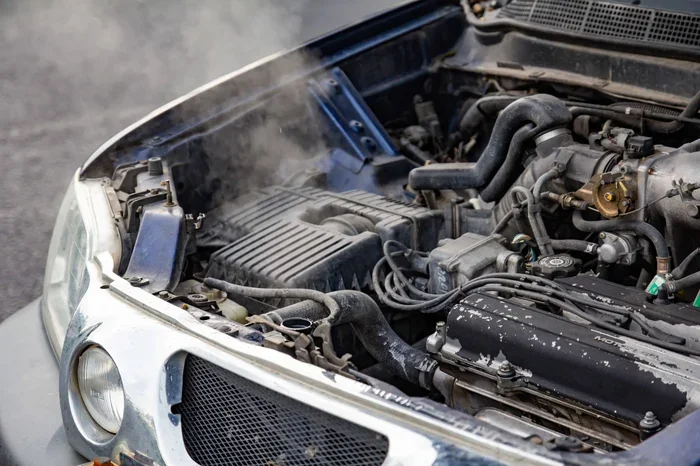
Have you ever been driving down the road and noticed your temperature gauge creeping into the red zone? That sinking feeling in your stomach is something every driver dreads. But here is the surprising part: the culprit might not be your radiator or your coolant. It could be your alternator.
A bad alternator can make your car overheat, and many drivers do not even realize the connection. Your alternator does more than just keep your battery charged. It powers essential systems that regulate your engine temperature. When it starts to fail, those systems suffer, and your engine pays the price.
In this article, we will break down exactly how a bad alternator causes overheating, what warning signs to watch for, and what you can do to fix the problem before it turns into a costly repair. Whether you are a seasoned driver or a complete beginner, this guide will give you the knowledge you need to protect your vehicle.
Key Takeaways
- Alternator failure directly impacts cooling: A failing alternator cuts power to the cooling fan and water pump, causing overheating.
- Warning signs are easy to spot: Dashboard lights, strange noises, and rising temperature gauges all signal alternator trouble.
- Driving with a bad alternator is risky: It can cause severe engine damage if you keep driving without addressing it.
- Replacement costs are manageable: Most alternator repairs cost between $200 and $600, far less than engine replacement.
- Prevention is simple: Regular maintenance and early detection keep your alternator and engine in great shape.
- Related electrical issues matter: Problems with your charging system often point to bigger electrical failures that cause overheating.
📑 Table of Contents
- What Does an Alternator Do in Your Car?
- How a Bad Alternator Causes Your Car to Overheat
- Warning Signs Your Alternator Is Failing
- Can You Still Drive With a Bad Alternator?
- How to Prevent Alternator-Related Overheating
- Alternator Replacement: What to Expect
- Related Electrical Problems That Cause Overheating
- Key Takeaways
- Conclusion
What Does an Alternator Do in Your Car?
Before we dive into the overheating connection, let us understand what your alternator actually does. Many people think the alternator only charges the battery. That is only part of the story.
Your alternator converts mechanical energy into electrical energy. It powers almost every electrical system in your car while the engine runs. This includes the ignition system, the fuel injectors, the cooling fan, and the water pump. Without a working alternator, your car essentially starts shutting down systems one by one.
The Charging System Connection
The alternator is the heart of your car’s charging system. It works alongside the battery and the voltage regulator to keep everything running smoothly. When the alternator produces electricity, it sends power to all the electrical components that keep your engine operating at a safe temperature.
Think of it this way: your engine generates a lot of heat. The cooling system needs constant electrical power to work properly. If the alternator cannot supply that power, the cooling system starts to fail. That is where overheating begins.
How a Bad Alternator Causes Your Car to Overheat
Now that you understand the alternator’s role, let us look at the specific ways a failing alternator leads to overheating. This connection is more direct than most drivers realize.
Cooling Fan Failure
Most modern cars use an electric cooling fan to pull air through the radiator. This fan runs on electrical power supplied by the alternator. When the alternator starts to fail, it may not provide enough voltage to keep the fan running at full speed.
Without proper airflow through the radiator, heat builds up quickly. The engine temperature rises, and before you know it, you are dealing with an overheating engine. This is one of the most common ways a bad alternator causes overheating.
Water Pump Malfunction
Many cars use an electric water pump to circulate coolant through the engine block. The water pump relies on the alternator for its electrical power. When the alternator weakens, the water pump may slow down or stop working entirely.
Without proper coolant circulation, hot spots develop in the engine. These hot spots can cause warping, cracking, and even complete engine failure over time. The water pump is a critical component, and it depends on a healthy alternator to function.
Thermostat and Sensor Issues
Your car’s thermostat and temperature sensors run on electrical power too. A failing alternator can send inconsistent voltage to these components. When the sensors receive unreliable power, they may not open the thermostat at the right temperature.
This creates a cascading effect. The thermostat stays closed, coolant does not flow to the radiator, and the engine overheats rapidly. It is a chain reaction that starts with one failing electrical component.
Warning Signs Your Alternator Is Failing
The good news is that a failing alternator gives you plenty of warning signs. If you know what to look for, you can catch the problem early and avoid engine overheating altogether.
Dashboard Warning Lights
The most obvious sign is the battery or alternator warning light on your dashboard. This light looks like a battery or sometimes says “ALT” or “GEN.” If this light comes on, your alternator is not charging properly.
Do not ignore this light. Many drivers see it and assume it is just a battery problem. But a battery light often points directly to alternator failure, which can lead to overheating if left unchecked.
Unusual Sounds from the Engine Bay
A healthy alternator runs quietly. When it starts to fail, you might hear grinding, whining, or squealing noises. These sounds usually come from the alternator bearing or the belt that drives it.
Grinding noises mean metal-on-metal contact inside the alternator. Whining sounds often indicate a failing voltage regulator. Either way, these noises mean your alternator needs attention fast.
Electrical Accessories Acting Up
Have your headlights dimmed at idle? Do your power windows move slower than usual? Is your radio cutting out? These are all signs of insufficient electrical power, which often traces back to the alternator.
When the alternator cannot keep up with electrical demand, it also cannot power the cooling system properly. This is a clear signal that overheating could be right around the corner.
Battery Dying Frequently
Your alternator recharges the battery while you drive. If the alternator is weak, the battery slowly loses its charge. You might find yourself jump-starting your car more often than usual.
Jump-starting is a temporary fix, not a solution. If you find yourself needing to jump-start your car regularly, the alternator is likely the real problem. And a car that keeps dying on you is a car that could overheat the next time the cooling fan loses power.
Can You Still Drive With a Bad Alternator?
This is one of the most common questions drivers ask. The short answer is: you should not. Here is why.
When the alternator fails completely, your car runs solely on battery power. The battery is not designed to power all electrical systems for an extended period. It will drain quickly, and once it dies, your engine stalls.
More importantly, driving without a working alternator means your cooling system is running on borrowed time. The cooling fan might stop, the water pump might slow down, and your engine temperature will spike. If you continue driving in this condition, you risk severe engine damage.
Some drivers try to make it to a nearby shop with a failing alternator. This is a gamble. The distance might be short, but the risk of overheating is real. If you notice alternator symptoms, pull over safely and get your car towed if needed. It is much cheaper than replacing a wrecked engine.
What Happens If You Keep Driving?
Continuing to drive with a bad alternator creates a domino effect of problems. The battery drains completely, the electrical systems fail one by one, and the cooling system loses power. Your engine temperature climbs higher and higher.
At a certain point, the engine can warp, the head gasket can blow, or the pistons can seize. These repairs cost thousands of dollars. What started as a simple alternator replacement has now become an engine rebuild or replacement. This is exactly why early detection matters so much.
How to Prevent Alternator-Related Overheating
The best way to deal with alternator-related overheating is to prevent it from happening in the first place. Regular maintenance and awareness go a long way.
Stick to a Regular Maintenance Schedule
Most manufacturers recommend checking the alternator and charging system every 60,000 to 90,000 miles. During these inspections, a mechanic tests the alternator output, checks the belt tension, and inspects all electrical connections.
Staying on top of these inspections catches alternator problems before they cause overheating. It is one of the simplest and most cost-effective things you can do for your car.
Watch Your Temperature Gauge
Get in the habit of glancing at your temperature gauge while driving. It takes two seconds and can save you from a major breakdown. If the needle starts climbing, pull over safely and turn off the engine.
Let the engine cool down for at least 15 minutes before opening the hood. Check the coolant level, but do not open the radiator cap if the engine is hot. Burning coolant can cause serious injuries.
Keep Your Electrical System in Good Shape
Clean battery terminals, check wiring connections, and make sure all electrical grounds are secure. A corroded battery terminal or loose wire can put extra strain on the alternator, causing it to work harder and fail sooner.
Also, be mindful of aftermarket electrical accessories. Adding extra lights, sound systems, or winches puts more demand on the alternator. Make sure your alternator can handle the extra load, or upgrade to a higher-output unit.
Replace the Serpentine Belt Regularly
The serpentine belt drives the alternator, among other components. A worn or cracked belt can slip, causing the alternator to spin inconsistently. This leads to uneven power output and can trigger overheating.
Most serpentine belts last between 60,000 and 100,000 miles. Have your mechanic inspect the belt during every oil change. Replacing a belt is cheap compared to the damage a broken belt can cause.
Alternator Replacement: What to Expect
If your alternator has failed and caused overheating, you are probably wondering about the cost and process of replacement. Here is what you need to know.
Average Replacement Cost
The cost of replacing an alternator typically ranges from $200 to $600, depending on your vehicle make and model. The part itself costs between $100 and $350, and labor runs between $100 and $250.
Compare that to the cost of an engine replacement, which can range from $3,000 to $7,000 or more. The choice is clear: fix the alternator early and save thousands of dollars.
If overheating has already caused damage, the repair bill will be higher. A blown head gasket repair can cost $1,000 to $2,000. A warped engine block repair can cost even more. This is why catching alternator problems early is so important.
DIY vs Professional Replacement
If you have mechanical experience, you can replace an alternator yourself. It usually involves removing the serpentine belt, unbolting the old alternator, and installing the new one. Most repairs take about one to two hours for a DIYer.
However, if you are not comfortable working under the hood, it is best to leave it to a professional. A mechanic can also inspect the entire charging system, check for overheating damage, and make sure everything is working correctly after the replacement.
After Replacement: What to Check
Once the new alternator is installed, have the mechanic test the charging system output. A healthy alternator should produce between 13.5 and 14.5 volts. Anything below 13 volts means the new alternator is not charging properly.
Also, keep an eye on your temperature gauge for the next few drives. If the engine was overheated before the alternator replacement, monitor it closely to make sure the cooling system is recovering properly.
Related Electrical Problems That Cause Overheating
While a bad alternator is a common cause of electrical-related overheating, it is not the only one. Several other electrical and mechanical issues can push your engine temperature into the danger zone.
For example, problems with the electric cooling fan relay or fuse can prevent the fan from turning on. A faulty water pump motor can stop coolant circulation. Even a failing thermostat can trap hot coolant in the engine block.
Some drivers wonder if issues like a car running on alcohol or using premium gas in any car can affect engine temperature. While these topics are interesting, they are not directly related to alternator failure. The alternator’s role is purely electrical, and its failure affects the cooling system through power loss, not fuel type.
It is also worth noting that electric vehicles have their own cooling challenges. An electric car can overheat due to battery thermal management issues, which is a completely different system than a traditional alternator. If you drive an EV, the causes and solutions are different from what we discussed here.
Understanding these related topics helps you build a complete picture of car overheating causes. But for traditional combustion engine vehicles, the alternator remains one of the most overlooked and most common culprits.
Key Takeaways
- A bad alternator can directly cause your car to overheat by cutting power to the cooling fan, water pump, and temperature sensors.
- Warning signs include dashboard lights, unusual noises, dimming headlights, and frequent battery drain. Catching these early prevents overheating.
- Driving with a failed alternator is dangerous and can lead to severe engine damage, blown head gaskets, and seized pistons.
- Regular maintenance of the charging system and serpentine belt keeps the alternator healthy and prevents overheating.
- Alternator replacement is affordable at $200 to $600, compared to thousands for engine damage repairs.
- Other electrical issues like cooling fan relays and water pump motors can also cause overheating, but the alternator is the most common electrical cause.
Conclusion
The answer to the question “Can a bad alternator make your car overheat” is a definitive yes. Your alternator powers the electrical systems that keep your engine cool, and when it fails, those systems fail too. The cooling fan slows, the water pump weakens, and the temperature gauge climbs into the danger zone.
The good news is that you do not have to let this happen. By watching for warning signs, staying on top of maintenance, and addressing alternator problems quickly, you can protect your engine from overheating and avoid expensive repairs. A simple alternator replacement costs a fraction of what an engine rebuild costs.
Your car depends on a healthy electrical system just as much as it depends on a healthy cooling system. Treat your alternator with the same care you give your radiator and coolant, and your car will run cool, strong, and reliable for years to come. Do not wait until the temperature gauge hits red. Take action today, and keep your engine safe from the hidden danger of alternator failure.