Can a Bad Starter Drain Your Car Battery Overnight
Yes, a bad starter can absolutely drain your car battery overnight. A faulty starter motor creates continuous electrical draw even when the engine is off, slowly killing your battery. Understanding the warning signs early can save you from a frustrating morning with a dead car and an expensive tow.
You wake up on a cold Monday morning. You walk out to your car, turn the key, and nothing happens. Just a faint click. Then silence. Your battery is dead again. But here is the real question: what caused it?
A bad starter motor is one of the most overlooked reasons for a drained car battery. Most people blame the weather, old age, or a left-on light. But sometimes, the real culprit is hiding under your hood, quietly pulling power from your battery every single night. Let us dig into exactly how this happens and what you can do about it.
If you have ever wondered can a bad starter drain a battery, the short answer is yes. The longer answer is more interesting. A failing starter can create a parasitic draw that slowly eats away at your battery charge over hours. By the time you wake up, there is not enough juice left to turn the engine over. This is more common than most drivers realize.
In this guide, we will walk through everything you need to know. We will cover how your starter works, why it drains batteries, the warning signs to watch for, and what you can do to fix it. Whether you are dealing with a dead battery right now or trying to prevent future problems, this article has you covered.
We will also touch on related topics like starting a keyless car with a traditional key, which can be a lifesaver when your starter fails. And if you are dealing with a completely dead battery, check out our tips on jumping a car safely in different weather conditions.
Key Takeaways
- A faulty starter motor can cause parasitic battery drain that leaves your car dead by morning.
- Common symptoms include clicking sounds, slow cranking, and dim headlights when you turn the key.
- Starter solenoid failure and worn bushings are the most common causes of starter-related battery drain.
- Regular battery and starter maintenance can prevent unexpected failures and extend component life.
- A simple voltage test can diagnose starter drain without visiting a mechanic.
- Replacing a bad starter is more cost-effective than repeatedly replacing drained batteries.
📑 Table of Contents
- What Does a Starter Motor Actually Do?
- How a Bad Starter Drains Your Battery Overnight
- Signs Your Starter Is Draining Your Battery
- Starter vs. Alternator: Understanding the Difference
- How to Prevent Battery Drain from a Bad Starter
- When to Replace Your Starter Motor
- Related Issues That Mimic Starter Battery Drain
- Quick Tips for a Healthy Starter and Battery
- Conclusion
What Does a Starter Motor Actually Do?
Before we talk about how a bad starter drains a battery, let us understand what the starter does in the first place. The starter motor is a small but powerful electric motor. Its job is simple but critical. When you turn your key or press the start button, the starter engages with the engine’s flywheel. It spins the engine fast enough to create combustion. Once the engine fires, the starter disengages and stops working.
That is how it is supposed to work. But when things go wrong, the starter can stay engaged, malfunction, or draw power when it should not. This is where battery drain comes into play.
How the Starter and Battery Work Together
Your car battery provides the initial electrical surge needed to power the starter motor. The starter then uses that energy to crank the engine. Once the engine runs, the alternator takes over. It recharges the battery and powers all electrical systems.
A healthy starter draws power for only a few seconds. A bad starter can draw power for much longer. Sometimes it stays partially engaged even when the engine is off. This creates a constant drain that your battery cannot sustain overnight.
How a Bad Starter Drains Your Battery Overnight
So how exactly does a failing starter kill your battery while you sleep? There are a few different mechanisms at play. Each one is worth understanding because they point to different root causes.
Parasitic Draw from a Stuck Starter
The most common way a bad starter drains a battery is through parasitic draw. This happens when the starter motor stays partially engaged with the flywheel even after the engine is off. Instead of disengaging completely, the starter continues to spin. It draws electrical current from the battery the entire time the car sits.
Over six to eight hours of sleep, this draw can remove enough charge to leave your battery nearly empty. Some starters draw as little as 2 amps when stuck. Others can draw 10 amps or more. Even 2 amps over 8 hours equals 16 amp-hours of lost charge. That is enough to kill most standard car batteries.
Internal Short Circuits in the Starter
Inside your starter motor, there are windings, brushes, and a solenoid. When any of these components fail, they can create an internal short circuit. This means electricity flows where it should not. The starter pulls power from the battery continuously, even without you turning the key.
Internal shorts often happen from worn-out brushes or damaged windings. Heat and moisture accelerate this damage. If you live in a humid climate or your car sits outside, the risk increases.
Faulty Starter Solenoid
The starter solenoid is the switch that tells the starter motor to engage. When the solenoid goes bad, it can stick in the closed position. This means the starter stays connected to the battery even when you are not starting the car.
A stuck solenoid creates a direct path for electrical current. The battery drains steadily as long as the car is off. This is one of the sneakiest causes of overnight battery drain because it does not produce obvious symptoms until the battery is already dead.
Worn Starter Bushings and Excessive Current Draw
Starter motors have bushings that keep the armature spinning smoothly. When these bushings wear out, the motor has to work harder. It pulls more current from the battery to compensate. This increased current draw can slowly deplete your battery over several hours.
Worn bushings also cause the starter to grind or make unusual noises. If you hear a grinding sound when starting your car, do not ignore it. That noise is your starter telling you something is wrong.
Signs Your Starter Is Draining Your Battery
Knowing the warning signs of a starter-related battery drain can save you a lot of headaches. Here are the most common symptoms to watch for.
Clicking Sound Without Starting
A single click or rapid clicking when you turn the key is a classic sign. The starter is trying to engage but cannot spin the engine. This often means the solenoid is stuck or the motor is failing. Each attempt to start draws power from the battery.
If you hear clicking and the car does not start, do not keep trying. Every failed attempt drains more battery power. Walk away, check the connections, and try again after the battery has rested.
Slow Cranking or Weak Start
When your starter motor is weak, the engine cranks slowly. It takes longer to turn over than usual. This is a sign that the starter is struggling and drawing more current than it should.
Slow cranking often gets worse over time. What starts as a slightly sluggish start can become a no-start situation within weeks. Address it early.
Dim Lights and Electrical Issues
If your headlights dim significantly when you try to start the car, your starter is pulling too much power. This leaves less voltage for your lights and other electrical systems.
You might also notice dashboard lights flickering or the radio resetting when you turn the key. These are all signs of excessive electrical draw from a failing starter.
Battery Dies After Sitting Overnight
The most obvious sign is a dead battery after the car has been parked for several hours. If this happens repeatedly, your starter is likely the cause. A healthy battery should hold a charge for days, even weeks, when the car is not running.
If you find yourself getting a free diagnostic at your local auto parts store, this is a great first step. They can test your battery and charging system to rule out other causes before focusing on the starter.
Starter vs. Alternator: Understanding the Difference
People often confuse the starter and the alternator. Both are electrical components, but they serve very different purposes. Understanding the difference helps you diagnose the real problem faster.
What the Alternator Does
The alternator recharges your battery while the engine runs. It also powers all electrical systems during driving. When the alternator fails, the battery runs the car alone. Eventually, the battery dies because it is not being recharged.
An alternator problem usually causes the car to die while driving or the battery warning light to illuminate on the dashboard. A starter problem typically only shows up when you try to start the engine.
How to Tell Them Apart
Here is a simple way to think about it. The starter gets the engine running. The alternator keeps the car running. If your car will not start but the lights are bright, the starter is the likely culprit. If the car starts but dies shortly after, the alternator might be failing.
Both components can cause battery drain, but through different mechanisms. A bad alternator cannot recharge the battery while driving, leading to a gradual loss of charge. A bad starter drains the battery directly while the car is parked.
How to Prevent Battery Drain from a Bad Starter
Prevention is always better than cure. Here are practical steps to keep your starter and battery healthy.
Regular Inspections
Have your starter motor inspected during every oil change or routine maintenance visit. A mechanic can check the solenoid, bushings, and electrical connections for early signs of wear.
Look for corrosion on battery terminals as well. Corrosion increases resistance and forces the starter to draw more current. Clean terminals with a wire brush and baking soda solution.
Turn Off All Electrical Systems Before Shutting Down
Make it a habit to turn off headlights, the radio, and all accessories before shutting off the engine. This reduces the load on the battery and starter during the next start cycle.
If you have a keyless entry system, make sure you have the key fob close enough to the car. Some systems keep the starter circuit active if the fob is nearby but the engine is not running. This can create a slow drain over time.
Use a Battery Tender for Long Parking Periods
If you park your car for days or weeks, use a battery tender or trickle charger. This keeps the battery at full charge and compensates for any small parasitic draws, including a weak starter.
A battery tender is especially helpful for seasonal vehicles or cars that sit in the garage for long periods.
Address Warning Signs Immediately
Do not ignore clicking sounds, slow cranking, or dim lights. These are early warning signs. The longer you wait, the more damage the starter can do to your battery. A dead battery from a bad starter can actually shorten the battery’s overall lifespan.
If you are traveling and your car has issues, knowing basic troubleshooting helps. For instance, understanding how a push-to-start system works can help you bypass certain electrical issues in an emergency.
When to Replace Your Starter Motor
At some point, a bad starter needs to be replaced. Knowing when to make that call saves money and prevents repeated battery failures.
Signs It Is Time for Replacement
Here are the clear indicators that your starter needs replacing:
- Complete failure to start despite a good battery and full charge
- Intermittent starting problems that get worse over time
- Grinding or whining noises every time you turn the key
- Visible damage or burning smell near the starter motor
- Repeated battery drain even after replacing the battery
If you experience any of these symptoms, have a professional inspect the starter. They can perform a load test to confirm whether the motor is drawing too much current or failing to engage properly.
Starter Replacement Cost
The cost of replacing a starter motor varies depending on your vehicle. On average, you can expect to pay between 300 and 600 dollars for parts and labor. The starter itself costs 100 to 300 dollars, and labor typically runs 200 to 300 dollars.
Compare this to the cost of replacing a dead battery, which runs 100 to 250 dollars. If a bad starter is draining your battery repeatedly, replacing the starter is the smarter long-term investment.
Can You Replace the Starter Yourself?
Some experienced DIYers can replace a starter at home. It usually involves removing a few bolts and disconnecting electrical wires. However, the location of the starter varies by vehicle. In some cars, it is easily accessible. In others, you need to remove components just to reach it.
If you are not comfortable working under your car, leave this job to a professional. A poorly installed starter can cause even more damage and drain your battery faster.
Related Issues That Mimic Starter Battery Drain
Not every dead battery is caused by a bad starter. Several other issues can create similar symptoms. It is important to rule these out before replacing the starter.
Parasitic Draw from Other Electrical Components
Your car has many modules and systems that draw power even when the engine is off. The radio, clock, alarm system, and onboard computer all use small amounts of electricity. This is normal. But when a component like the radio or a faulty module draws too much power, it mimics a starter drain.
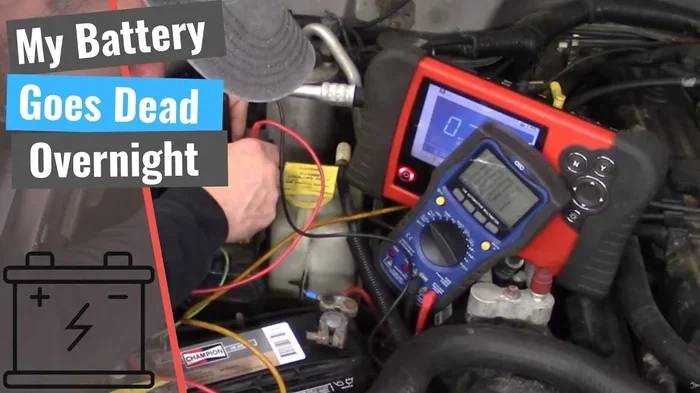
A parasitic draw test with a multimeter can help identify the exact source. This test measures the current flowing through the battery when the car is off. Anything above 50 milliamps is considered excessive and worth investigating.
Old or Failing Battery
Sometimes the battery is simply old and cannot hold a charge anymore. Most car batteries last 3 to 5 years. After that, they degrade gradually. A weak battery combined with a slightly weak starter creates the perfect storm for overnight drain.
Corroded or Loose Battery Connections
Corrosion on battery terminals creates resistance. This prevents the battery from charging properly and delivering full power. Clean, tight connections are essential for a healthy electrical system.
If you notice a white or blue-green powdery substance on your terminals, clean them immediately. A mixture of baking soda and water with a wire brush works well for this.
Quick Tips for a Healthy Starter and Battery
- Test your battery voltage monthly. A fully charged battery should read 12.6 volts or higher.
- Listen for unusual sounds when starting. Clicking, grinding, or whining are red flags.
- Keep your battery terminals clean and tight. Corrosion is the enemy of good electrical connections.
- Avoid short trips when possible. Short drives do not give the alternator enough time to recharge the battery fully.
- Replace your battery every 4 to 5 years as preventive maintenance, even if it seems fine.
- Have your starter inspected if you notice any slow cranking or dimming lights during startup.
Conclusion
A bad starter can absolutely drain your car battery overnight. Whether it is a stuck solenoid, worn bushings, or an internal short circuit, a failing starter creates parasitic draw that silently kills your battery while you sleep. The key is catching the warning signs early. Clicking sounds, slow cranking, and repeated dead batteries are not normal. They are your car telling you something needs attention.
Regular maintenance, quick attention to warning signs, and knowing when to replace your starter can save you from the frustration of a dead battery. Do not wait until you are stranded on a cold morning. Take action at the first sign of trouble.
If you suspect your starter is the problem, get a professional diagnostic. A simple load test can confirm whether your starter is drawing too much current or failing to engage. And remember, replacing a starter is far cheaper than replacing multiple batteries that keep dying from the same root cause.
Take care of your starter, and it will take care of your battery. Your car will start reliably every time, and you will avoid the headache of a dead battery at the worst possible moment.
Frequently Asked Questions
Can a bad starter drain a brand new battery overnight?
Yes, absolutely. A faulty starter creates parasitic draw regardless of battery age. Even a brand new battery will drain if the starter stays partially engaged or draws excessive current. The battery simply cannot replenish the charge being lost overnight.
How long does it take for a bad starter to drain a battery completely?
It depends on the severity of the fault. A mild parasitic draw might drain a battery over 12 to 24 hours. A severe short circuit or stuck solenoid can kill a battery in just 4 to 6 hours. If your battery dies overnight, the draw is likely significant.
Will jump-starting a car with a bad starter fix the problem?
Jump-starting will give you enough power to start the car once. But it does not fix the underlying starter problem. The battery will drain again the next time the car sits. You need to address the starter issue to prevent recurring battery drain.
Is it safe to drive with a bad starter motor?
Once the engine is running, a bad starter usually does not affect driving. The alternator takes over and powers the electrical systems. However, if the starter is partially stuck, it can cause grinding damage to the flywheel. This can lead to expensive repairs if not addressed quickly.
How can I test my starter for parasitic draw at home?
You will need a multimeter set to measure DC current. Disconnect the negative battery terminal, connect the multimeter in series, and let the car sit for several hours. Anything above 50 milliamps indicates excessive draw. A reading above 200 milliamps strongly suggests a faulty starter or solenoid.
What is the difference between a slow starter and a battery that cannot hold a charge?
A slow starter draws too much current but still works. The battery can still start the car, though it takes longer. A battery that cannot hold a charge will not start the car at all, even with a fully functioning starter. Testing the battery voltage and the starter current draw helps distinguish between the two issues.