Can You Charge a Dead Car Battery And Bring It Back
Yes, you can charge a dead car battery and bring it back to life in most cases. Whether your battery died from leaving lights on or old age, a proper charger can restore it. This guide covers every method, safety step, and warning sign you need to know.
You turn the key or press the start button, and nothing happens. No hum of the engine. No dashboard lights. Just silence. A dead car battery is one of the most frustrating things that can happen to any driver. But here is the good news. In most cases, you can charge a dead car battery and bring it back to life.
This guide walks you through every method you can use to recharge a dead battery. You will learn about different charger types, safety steps, and how to know when your battery is beyond saving. We also cover common mistakes to avoid and tips to keep your battery healthy for years to come. Let us get into it.
Key Takeaways
- Dead batteries can often be recharged: A standard car battery charger works in most situations.
- Safety comes first: Always wear gloves and work in a ventilated area.
- Trickle chargers are the safest option: They charge slowly and prevent overcharging.
- Know when to replace: A battery older than five years may not hold a charge anymore.
- Jump starting is a quick fix: But it is not a long-term solution for a dead battery.
- Regular maintenance extends battery life: Clean terminals and check voltage often.
- Cold weather kills batteries faster: Keep your battery charged during winter months.
📑 Table of Contents
- What Happens When Your Car Battery Dies
- Can You Charge a Dead Car Battery With a Standard Charger?
- Trickle Chargers: The Safest Way to Recharge
- Jump Starting a Dead Battery
- When a Dead Battery Cannot Be Saved
- How to Prevent Your Battery from Dying Again
- Charging Hybrid and Electric Vehicle Batteries
- Common Mistakes People Make When Charging a Dead Battery
- When to Call a Professional
- Final Thoughts on Charging a Dead Battery
What Happens When Your Car Battery Dies
Before we dive into charging methods, it helps to understand what a dead battery actually means. A car battery stores electrical energy. It powers the starter motor, lights, and electronics when your engine is off. When the battery is dead, it has lost its ability to deliver enough voltage to start the car.
Common Causes of a Dead Battery
Several things can drain your battery completely. Here are the most common culprits:
- Leaving lights or accessories on: Headlights, interior lights, or the radio can drain the battery overnight.
- Old age: Most car batteries last three to five years. After that, they lose their ability to hold a full charge.
- Corroded battery terminals: Rust or buildup on the terminals blocks the flow of electricity.
- Short trips: Frequent short drives do not give the alternator enough time to recharge the battery.
- Extreme temperatures: Both hot and cold weather can reduce battery performance and lifespan.
- Parasitic drain: Some car systems draw power even when the car is turned off.
- Faulty alternator: If the alternator fails, it cannot recharge the battery while you drive.
Understanding the cause helps you decide the best way to recharge the battery. It also helps you prevent the problem from happening again.
Can You Charge a Dead Car Battery With a Standard Charger?
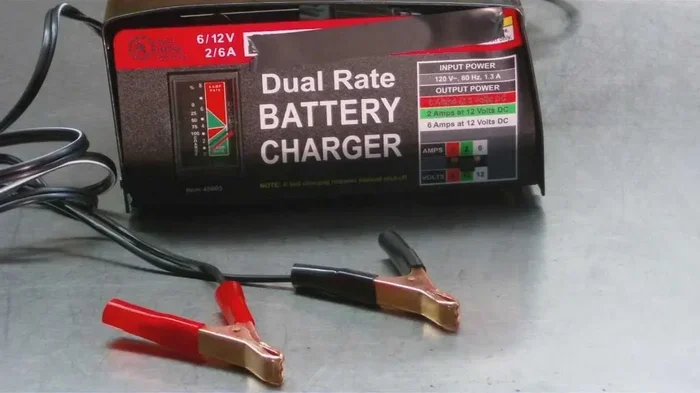
The short answer is yes. A standard car battery charger can bring a dead battery back to life. These chargers are widely available at auto parts stores and online. They come in different sizes and types to fit various battery sizes and needs.
How a Battery Charger Works
A battery charger sends electrical current into the battery. This reverses the chemical reaction that drains the battery. Over time, the battery rebuilds its stored energy. The process is simple, but it requires patience. A dead battery can take several hours to fully charge.
Most standard chargers output between two and ten amps. A lower amp setting charges the battery slowly but more safely. A higher amp setting charges faster but carries more risk of overcharging. For a dead battery, a low and slow approach works best.
Steps to Charge a Dead Battery With a Standard Charger
Follow these steps carefully to charge your battery safely:
- Turn off the car and all accessories. Make sure the ignition is off and everything is powered down.
- Locate the battery. Open the hood and find the battery. Most cars have it near the front of the engine bay.
- Inspect the battery. Look for cracks, leaks, or bulging. If you see any of these, do not charge the battery. It may need to be replaced.
- Clean the terminals. Use a wire brush or battery cleaner to remove corrosion from the positive and negative terminals.
- Connect the charger. Attach the red clamp to the positive terminal and the black clamp to the negative terminal.
- Set the charger to the correct voltage. Most car batteries are 12 volts. Set your charger accordingly.
- Choose a low amp setting. Two to four amps is ideal for a slow, safe charge.
- Plug in the charger and turn it on. Let it charge for several hours. Do not rush the process.
- Check the charge level. Most modern chargers have a built-in indicator that shows when the battery is full.
- Disconnect the charger. Turn off the charger first, then remove the clamps in reverse order.
Once the battery is charged, try starting the car. If it starts right up, you have successfully brought it back. If it still does not start, the battery may be too far gone.
Trickle Chargers: The Safest Way to Recharge
A trickle charger is one of the best tools you can own for battery maintenance. It delivers a very low current, usually one to two amps. This slow charge matches the battery’s natural rate of absorption. It prevents overcharging and overheating.
Trickle chargers are perfect for batteries that have been sitting unused for a while. If your car has been in the garage all winter, a trickle charger can restore the battery without any risk. You can leave a trickle charger connected for days or even weeks without damaging the battery.
When to Use a Trickle Charger
- Seasonal vehicles: Boats, RVs, and classic cars that sit for months at a time.
- Batteries that are partially drained: A trickle charger can top off a battery that is not fully dead.
- Winter storage: Cold weather slowly drains battery charge over time.
- Long work trips: If your car sits at the job site all week, a trickle charger keeps the battery ready.
The main downside of a trickle charger is time. It takes longer to charge a dead battery with a trickle charger. But the trade-off is safety. You never have to worry about overcharging or damaging the battery.
Jump Starting a Dead Battery
Jump starting is the fastest way to get a dead battery going again. You use another vehicle or a portable jump starter to provide a surge of power. This gives the battery enough juice to start the engine. Once the engine is running, the alternator takes over and recharges the battery.
However, jump starting is not the same as charging. It is a temporary fix. If your battery was dead because it is old or damaged, jump starting will not solve the underlying problem. You should still connect the battery to a charger and let it charge fully. Otherwise, you may find yourself stranded again.
Many people also wonder about safety in different conditions. For example, you might ask, can you jump a car in the rain? The answer is yes, with proper precautions. Keep the vehicles dry and avoid standing in water while connecting cables.
How to Jump Start a Car Safely
- Position the two vehicles close together. Make sure they do not touch.
- Turn off both engines. No accessories should be running.
- Connect the red cable to the dead battery’s positive terminal.
- Connect the other red clamp to the good battery’s positive terminal.
- Connect the black cable to the good battery’s negative terminal.
- Connect the last black clamp to an unpainted metal surface on the dead car. This grounds the connection.
- Start the working vehicle first. Let it run for a few minutes.
- Try starting the dead vehicle. If it does not start, wait a few more minutes and try again.
- Once the car starts, disconnect the cables in reverse order.
- Let the engine run for at least 20 minutes. This gives the alternator time to recharge the battery.
Always refer to your vehicle owner’s manual for specific jump-starting instructions. Some cars have different terminal locations or special precautions.
When a Dead Battery Cannot Be Saved
Not every dead battery can be brought back. There are clear signs that your battery has reached the end of its life. Recognizing these signs early saves you time and money.
Signs Your Battery Needs Replacement
- The battery is more than five years old: Most batteries do not last beyond this point.
- The battery case is swollen or cracked: Physical damage means the battery is unsafe to charge.
- It keeps dying even after a full charge: This indicates the battery can no longer hold a charge.
- You notice a sulfur or rotten egg smell: This signals internal battery damage.
- The voltage reads below 10 volts after charging: A healthy battery should read 12.6 volts or higher.
- The battery was left completely dead for a long time: Deep discharge can cause permanent sulfation inside the battery.
If your battery shows any of these signs, charging it will not help. You need a new one. When it is time for a replacement, consider getting a free diagnostic for your car at a local auto shop. Many stores offer this service at no cost. It confirms whether the battery is the real problem or if something else is draining your power.
Battery Testing and Voltage Readings
Testing your battery is easy and takes just a few minutes. You need a multimeter, which you can find at any hardware store. Set the multimeter to measure DC voltage. Then touch the red probe to the positive terminal and the black probe to the negative terminal.
Here is what the readings mean:
- 12.6 volts or higher: The battery is fully charged and healthy.
- 12.4 volts: The battery is about 75% charged.
- 12.2 volts: The battery is about 50% charged.
- 12.0 volts: The battery is starting to die.
- Below 11.9 volts: The battery is dead or very weak.
If you charge the battery and the voltage still drops quickly, the battery is likely sulfated and needs replacement. A free diagnostic for your car can confirm this and help you choose the right replacement.
How to Prevent Your Battery from Dying Again
Once you have successfully charged your battery, you want to keep it healthy. Prevention is always easier than recovery. A few simple habits can extend your battery life by years.
Daily Habits That Protect Your Battery
- Turn off all lights and accessories before shutting off the engine.
- Avoid short trips when possible. Longer drives give the alternator time to fully recharge the battery.
- Keep the battery terminals clean. Wipe them down every few months to prevent corrosion.
- Check the battery voltage regularly. A quick test every month catches problems early.
- Drive your car at least once a week. Batteries slowly drain even when the car sits idle.
- Use a battery tender or trickle charger for parked cars.
These small steps make a big difference. They keep your battery strong and reliable. They also save you from the hassle of a dead battery on a busy morning.
Cold Weather Battery Tips
Cold weather is a battery’s worst enemy. Low temperatures reduce the battery’s ability to deliver power. In freezing weather, a weak battery can die completely overnight. Here is how to protect your battery in winter:
- Use a battery blanket or heater. These wrap around the battery and keep it warm.
- Park in a garage or covered area when possible.
- Check the battery charge before winter hits.
- Replace old batteries before the cold season starts.
- Keep jumper cables or a portable jump starter in your trunk.
If you live in a cold climate, these steps are essential. A battery that works fine in summer might fail in winter without proper care.
Charging Hybrid and Electric Vehicle Batteries
Hybrid and electric vehicles use different battery systems than traditional cars. Their batteries are much larger and more complex. You cannot charge a hybrid or EV battery with a standard car battery charger. These vehicles have built-in charging systems that work while you drive or when plugged into an outlet.
For hybrid vehicles, the 12-volt auxiliary battery works the same as a regular car battery. It can die and be charged the same way. But the high-voltage hybrid battery pack is a different story. If your hybrid will not start, it could be either battery causing the problem.
Some people wonder, can a hybrid run without gas? The answer depends on the type of hybrid. Full hybrids can run on electric power alone for short distances. Plug-in hybrids have larger batteries that can go further on electricity. But if the 12-volt battery is dead, the car will not start at all, even if the hybrid battery is fully charged.
If you own a hybrid or electric vehicle, always follow the manufacturer’s charging guidelines. Using the wrong charger can damage the battery or void your warranty.
Common Mistakes People Make When Charging a Dead Battery
Even with the best intentions, people make mistakes that can damage their battery or create safety hazards. Here are the most common errors to avoid:
- Using the wrong charger voltage: Always match the charger to your battery’s voltage rating.
- Charging a cracked or leaking battery: This is dangerous and can cause acid leaks or even an explosion.
- Overcharging the battery: Leaving a charger on too long can boil the battery fluid and damage the plates.
- Connecting cables in the wrong order: Always connect positive first, then negative. Disconnect in reverse order.
- Charging a frozen battery: If the battery is frozen, do not charge it. Let it warm up to room temperature first.
- Ignoring the root cause: If your battery keeps dying, charging it is only a temporary fix. Find the real problem.
Avoiding these mistakes keeps you safe and protects your investment. When in doubt, ask a professional for help.
When to Call a Professional
There are times when charging a dead battery is not the right move. If your battery keeps dying after a full charge, something else in the car is draining it. A professional mechanic can test the alternator, starter, and electrical system to find the real problem.
Many auto parts stores offer free battery testing. They can tell you right away if your battery needs replacement. Some stores also offer battery installation services. This makes the process quick and easy. You do not have to do any of the work yourself.
If you are not comfortable working with car batteries, do not hesitate to get help. Battery acid is dangerous, and incorrect connections can damage your vehicle’s electrical system. A trained technician can handle the job safely and efficiently.
Final Thoughts on Charging a Dead Battery
Charging a dead car battery is something most drivers can do at home with basic tools and a little patience. Whether you use a standard charger, a trickle charger, or a jump start, the key is to act quickly and follow safety steps. A dead battery does not always mean a new battery. Often, a full recharge brings it right back.
But remember, a battery that keeps dying is telling you something. It might be old, damaged, or part of a larger electrical problem. Listen to what your car is telling you. Address the root cause, not just the symptom. With proper care and regular maintenance, your battery can last for years and keep you on the road without worry.
If you are ever unsure about your battery’s condition, get it tested. A simple diagnostic takes minutes and gives you peace of mind. Do not wait until you are stranded on the side of the road. Take care of your battery today, and it will take care of you tomorrow.
Frequently Asked Questions
How long does it take to charge a dead car battery?
It depends on the charger and the battery size. A standard charger on a low setting can take four to eight hours. A trickle charger may take even longer, sometimes up to 24 hours. The key is to charge slowly and safely rather than rushing the process.
Can you charge a completely dead battery?
In most cases, yes. A dead battery that has been completely drained can often be recharged with a proper battery charger. However, if the battery has been dead for a very long time or is physically damaged, it may not hold a charge anymore and will need to be replaced.
Is it safe to leave a battery charger on overnight?
It depends on the charger type. Smart chargers and trickle chargers are designed to be left on safely. They automatically stop charging when the battery is full. Standard chargers should be monitored and not left unattended for long periods to avoid overcharging.
How do I know if my battery is dead or if it is the alternator?
A dead battery will show low voltage even after charging. If the battery reads low voltage right after a full charge, the alternator might not be recharging it properly. A professional diagnostic test can confirm whether the battery or alternator is the real issue.
Can cold weather cause a car battery to die?
Yes, cold weather is one of the most common causes of dead batteries. Low temperatures slow down the chemical reactions inside the battery and reduce its ability to deliver power. Batteries that are already weak are especially vulnerable to cold weather failure.
Should I drive my car after jump starting it?
Yes, you should drive the car for at least 20 to 30 minutes after a jump start. This allows the alternator to recharge the battery. If you turn the car off too soon, the battery may not have enough charge to start again.
=== CONCLUSION ===
Charging a dead car battery is a skill every driver should know. It saves money, time, and the hassle of calling for roadside help. With the right charger and a few simple steps, you can bring most dead batteries back to life. Just remember to prioritize safety, charge slowly, and know when a battery has gone too far.
Regular maintenance keeps your battery strong and reliable. Clean the terminals, check the voltage, and drive your car often. These small habits go a long way. And when the time comes to replace your battery, do not hesitate. A fresh battery means peace of mind and a car that starts every single time.