Does the Toyota Camry Have a Tire Pressure Monitoring System
Yes, the Toyota Camry comes with a tire pressure monitoring system on most model years. This system helps you maintain safe tire pressure and avoid accidents. We’ll cover how it works, which years have it, and how to fix common TPMS issues.
You’re about to hit the road, and suddenly a yellow light pops up on your dashboard. It looks like a horseshoe with an exclamation point. That’s your tire pressure monitoring system, or TPMS. It’s designed to warn you when your tires are underinflated. For many drivers, this light can be confusing. You might wonder if your car even has this feature. So, does the Toyota Camry have a tire pressure monitoring system? The answer is a clear yes for most modern models. This guide will walk you through everything you need to know. We’ll cover how the system works, which years include it, and what to do when the light comes on.
The Toyota Camry is one of the most popular sedans in America. It’s known for reliability, comfort, and safety. A tire pressure monitoring system is a key part of that safety package. When your tire pressure drops below the recommended level, the system triggers a warning. This helps prevent blowouts, poor fuel economy, and uneven tire wear. Understanding your TPMS can save you time and money. It can also keep you safe on long road trips. Let’s dive into the details.
Key Takeaways
- Standard Safety Feature: Most Toyota Camry models from 2012 onward include a tire pressure monitoring system.
- Two Types Exist: Direct TPMS uses sensors inside the tire, while indirect TPMS uses wheel speed sensors.
- Reset is Simple: You can usually reset the TPMS light with a button under the steering column.
- Common Issues: Faulty sensors, temperature changes, and dead sensor batteries trigger false alerts.
- Maintenance Matters: Regularly checking tire pressure with a gauge keeps the system accurate and your drives safe.
- Professional Help: If the light stays on, a free diagnostic at a quick lube or dealership can pinpoint the problem.
📑 Table of Contents
- What Is a Tire Pressure Monitoring System and How Does It Work?
- Does Every Toyota Camry Have a Tire Pressure Monitoring System?
- How to Check and Reset the TPMS Light on a Toyota Camry
- Common TPMS Problems and How to Fix Them
- Quick Tips for Maintaining Your Toyota Camry Tire Pressure
- When to See a Professional for TPMS Issues
- Key Takeaways for Toyota Camry TPMS Owners
- Final Thoughts
What Is a Tire Pressure Monitoring System and How Does It Work?
A tire pressure monitoring system is an electronic system that watches the air pressure inside your tires. When pressure falls below a certain threshold, it sends a signal to your car’s computer. The computer then lights up a warning on your dashboard. This system is now required on all new passenger vehicles sold in the United States. The Toyota Camry has featured TPMS for many years, but the technology has evolved. There are two main types of TPMS: direct and indirect.
Direct TPMS vs. Indirect TPMS
Direct TPMS uses a small sensor mounted inside each tire. These sensors are usually attached to the valve stem. They measure the exact air pressure and send a wireless signal to the car’s computer. If one tire is low, the system tells you which one is the problem. This is the most common type on the Toyota Camry.
Indirect TPMS does not use physical sensors inside the tire. Instead, it relies on the car’s anti-lock braking system (ABS) sensors. These sensors measure how fast each wheel is spinning. A tire with low pressure has a smaller rolling radius. It spins faster than a properly inflated tire. The system detects this difference and triggers the warning light. Some older Camry models used indirect TPMS.
How the System Alerts You
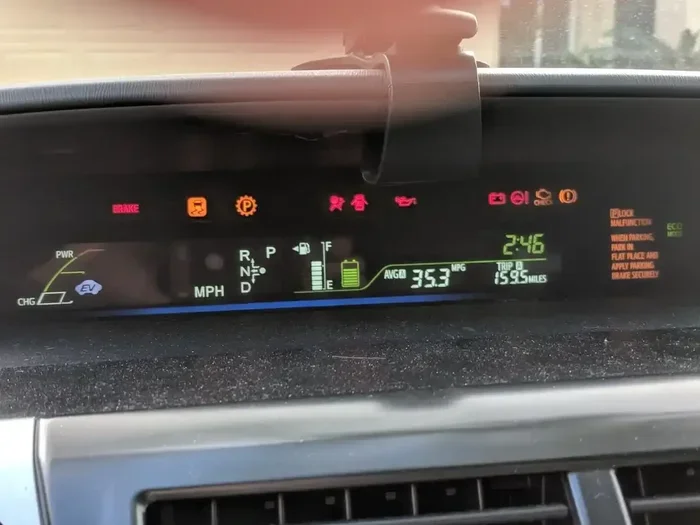
When the TPMS detects a problem, a yellow light shaped like a horseshoe with an exclamation point appears on your dashboard. In some models, the light may also show the word “TPMS” or a picture of a tire with an exclamation mark. The light might flash for a few seconds when you start the car and then stay solid. A solid light usually means one or more tires are underinflated. A flashing light often indicates a malfunction in the TPMS system itself.
Does Every Toyota Camry Have a Tire Pressure Monitoring System?
Does the Toyota Camry have a tire pressure monitoring system across all model years? Not exactly. The Camry has been around since the 1980s, but TPMS became standard in the early 2010s. If you own a newer Camry, you almost certainly have TPMS. Older models may not have it from the factory. Let’s break it down by era.
TPMS on 2012–2017 Toyota Camry
Starting with the 2012 model year, the Toyota Camry came with a direct TPMS as standard equipment. This was part of a broader safety push. The system monitored all four tires and the spare tire on some trims. If you own a 2012–2017 Camry, you can expect a tire pressure light on your dashboard. The sensors are located on the valve stems of each wheel.
TPMS on 2018–2024 Toyota Camry
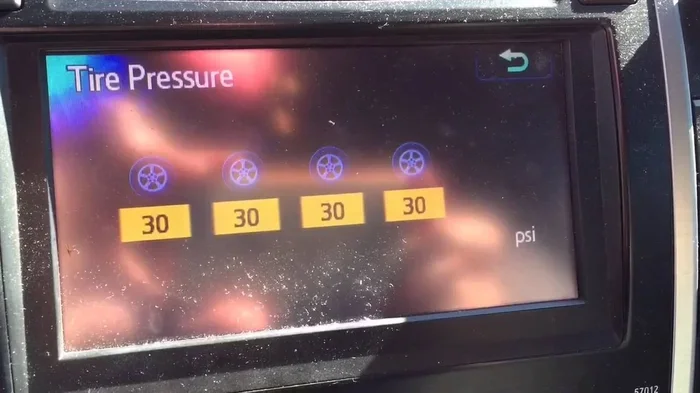
The 2018 Camry brought a refreshed design and updated technology. The TPMS on these models is more sophisticated. It includes improved sensors with longer battery life. The system also integrates with the infotainment screen on higher trims. You may see a detailed tire pressure readout on the multi-information display. The 2018–2024 Camry continues to feature direct TPMS as standard.
Model Year TPMS Availability
| Model Year Range | TPMS Standard? | Type |
|---|---|---|
| 2007–2011 | Optional on some trims | Direct or Indirect |
| 2012–2017 | Yes, standard on all trims | Direct |
| 2018–2024 | Yes, standard on all trims | Direct (advanced sensors) |
If you’re unsure whether your specific Camry has TPMS, check your owner’s manual. You can also look at the dashboard when you turn the key to the “ON” position. The TPMS light should illuminate briefly as part of a bulb check.
How to Check and Reset the TPMS Light on a Toyota Camry
The TPMS light can come on for many reasons. Sometimes it’s a simple fix. Other times, it signals a real problem. Knowing how to check and reset the light can save you a trip to the shop.
Step-by-Step Reset Procedure
Resetting the TPMS light on a Toyota Camry is usually straightforward. Follow these steps:
- Start the car and let it idle for a minute.
- Locate the TPMS reset button. On most Camry models, it’s under the steering column on the left side of the dashboard.
- Press and hold the button until the TPMS light blinks three times.
- Release the button and start the car again.
- Drive the car at a steady speed of 30–50 mph for about 20 minutes. The system will relearn the tire pressure.
If the light goes off, your problem is solved. If it stays on or comes back, there may be a deeper issue.
When the Light Won’t Go Off
A persistent TPMS light means the system has detected a real problem. Common causes include a slow leak, a faulty sensor, or a sudden temperature drop. You should check your tire pressure with a manual gauge as soon as possible. If you’re not sure how to do that, many quick lube shops can help. For example, while a quick lube shop like Jiffy Lube can change serpentine belts, they can also check your tire pressure for free. If the light is on and you’re unsure why, you might ask, can you get a free diagnostic for your car? Many shops offer this service.
Common TPMS Problems and How to Fix Them
The TPMS is reliable, but it can develop problems over time. Understanding these issues helps you address them quickly.
Faulty Tire Pressure Sensor
The most common TPMS problem is a faulty sensor. Each sensor has a small battery that lasts about 5–10 years. When the battery dies, the sensor can’t send signals. The system will then report a malfunction. A faulty sensor often triggers a flashing TPMS light. Replacing the sensor is the fix. You can buy replacement sensors for around $20–$50 each. Installation is simple, but you’ll need a TPMS tool to reprogram the sensor.
Temperature Changes and False Alerts
Cold weather can cause a false TPMS alert. When the air temperature drops, the air inside your tires contracts. This lowers the pressure and can trigger the warning light. This is especially common in the fall and winter. If the light comes on in cold weather, check your tire pressure. You may just need to add a little air. Once the tires warm up from driving, the light might turn off on its own.
Battery Failure in the Sensor
As mentioned, the sensor battery eventually dies. When this happens, the entire sensor needs replacement. A dead battery is the most common reason for a TPMS malfunction code. You can usually get a code read at any auto parts store. They can tell you which sensor has failed. Then you can replace just that sensor.
Quick Tips for Maintaining Your Toyota Camry Tire Pressure
Keeping your tires properly inflated is the best way to avoid TPMS issues. Here are some quick tips.
- Check pressure monthly: Tires lose about 1 PSI per month. A quick check keeps you ahead of problems.
- Use the recommended pressure: The recommended tire pressure for the Toyota Camry is usually on a sticker inside the driver’s door jamb. It’s typically between 32–35 PSI.
- Check before long trips: Always verify tire pressure before a road trip. Underinflated tires can reduce fuel economy and handling.
- Don’t ignore the light: Driving with a TPMS light on can be risky. Even if the tires look fine, the pressure might be off by enough to cause issues.
Recommended Tire Pressure for the Camry
The recommended tire pressure for a Toyota Camry varies slightly by model year and trim. Most models recommend 32 PSI for the front tires and 30 PSI for the rear tires. Always refer to the sticker on the driver’s door jamb for the exact numbers. Overinflating tires can cause a harsh ride and uneven wear. Underinflating tires can lead to overheating and blowouts.
How Often Should You Check Your Tires?
You should check your tire pressure at least once a month. You should also check it before any long journey. Temperature changes of 10 degrees or more can affect pressure enough to trigger the TPMS light. A simple tire pressure gauge from any auto parts store costs under $15 and takes seconds to use.
When to See a Professional for TPMS Issues
Some TPMS problems are easy to fix yourself. Others require professional tools and expertise. Knowing when to seek help can save you time and prevent costly mistakes.
Dealership vs. Independent Shop
You have two main options when your TPMS light stays on. You can visit a Toyota dealership or an independent repair shop. A dealership can program a key fob using the VIN, and they can also reset your TPMS sensors using factory tools. They have the latest software updates for your Camry. Independent shops are often cheaper and can handle most TPMS repairs. Many independent shops have TPMS reset tools and sensor replacement kits.
Driving with a TPMS Light On
Is it safe to drive with the TPMS light on? Just as you can drive a car without a muffler, you can drive with a TPMS light on, but you shouldn’t. A glowing TPMS light means your tire pressure is unsafe. Driving on underinflated tires can cause poor handling, reduced braking, and increased tire wear. If the light is flashing, it may indicate a system malfunction. In either case, you should address the issue promptly.
Key Takeaways for Toyota Camry TPMS Owners
Let’s recap the most important points.
- Yes, your Camry has TPMS: All Camrys from 2012 onward come with a direct tire pressure monitoring system.
- Know the light: A yellow horseshoe with an exclamation point means check your tire pressure.
- Reset is easy: Use the reset button under the steering column and drive for 20 minutes.
- Common culprits: Dead sensor batteries, temperature changes, and slow leaks cause most alerts.
- Maintenance is simple: A monthly pressure check with a gauge keeps the system accurate.
- Seek help when needed: A free diagnostic at a local shop can quickly identify sensor faults.
Final Thoughts
So, does the Toyota Camry have a tire pressure monitoring system? Absolutely. The Camry has featured direct TPMS for over a decade. This system is a valuable safety tool that helps you maintain proper tire pressure. By understanding how it works and what the warnings mean, you can stay safe and save money. Keep your tires properly inflated, reset the system when needed, and don’t ignore the light. A little attention goes a long way toward protecting your investment and your family on the road.
Frequently Asked Questions
What does the TPMS light look like on a Toyota Camry?
The TPMS light on a Toyota Camry looks like a yellow horseshoe with an exclamation point in the center. It may also display the letters “TPMS” on some model years. The light comes on when tire pressure drops below the recommended level.
How much does it cost to replace a TPMS sensor on a Toyota Camry?
Replacing a TPMS sensor typically costs between $50 and $100 per sensor for parts and labor. The sensor itself costs around $20 to $50, and labor adds another $30 to $50. Some shops offer a discount if you replace all four sensors at once.
Can I drive my Toyota Camry with the TPMS light on?
You can drive with the TPMS light on, but it’s not recommended. The light indicates that one or more tires are underinflated, which can affect handling and increase the risk of a blowout. Check your tire pressure as soon as possible.
How do I know if my Toyota Camry has direct or indirect TPMS?
Most Toyota Camrys from 2012 onward have direct TPMS with sensors inside the tires. You can confirm by checking your owner’s manual or looking for a small metal cylinder attached to the valve stem on each wheel. If you’re unsure, a quick diagnostic at a shop can tell you.
Why does my TPMS light come on in cold weather?
Cold weather causes the air inside your tires to contract, lowering the pressure. This can trigger the TPMS light even if there’s no leak. Once the tires warm up from driving, the light may turn off. If it doesn’t, you may need to add air.
How often do TPMS sensors need to be replaced?
TPMS sensors typically last 5 to 10 years, depending on the battery life. The battery is not user-replaceable, so the entire sensor must be replaced when the battery dies. If your Camry is over 5 years old, it’s a good idea to have the sensors checked during routine tire rotations.