Are Camrys Expensive to Maintain or Surprisingly Affordable
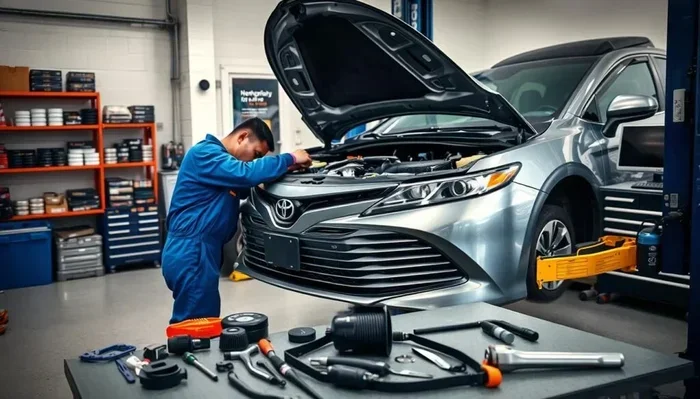
Toyota Camrys are widely regarded as one of the most affordable sedans to maintain over time. With an average annual maintenance cost around $400 to $500, the Camry undercuts many competitors. Routine upkeep like oil changes, tire rotations, and brake replacements keeps the Camry maintenance cost well below the industry average.
Are Camrys Expensive to Maintain or Surprisingly Affordable
When you think about buying a sedan, the Toyota Camry usually pops up. It is one of the best-selling cars in America for good reason. But here is the question that keeps buyers up at night. Are Camrys expensive to maintain? The short answer is no. The Toyota Camry is known for being one of the most affordable cars to own and run over the long haul. In this article, we break down every cost you need to know. From oil changes to major repairs, we cover it all. By the end, you will have a clear picture of what owning a Camry really costs.
Let us be real. Car maintenance is not fun. It is not like picking out a new stereo or upgrading your wheels. It is the boring stuff. But understanding Toyota Camry maintenance cost before you buy can save you thousands of dollars over the life of the vehicle. Whether you are eyeing a used model or a brand-new 2024 Camry, this guide has you covered. We will look at routine maintenance, common repairs, hybrid savings, and much more. So grab a coffee and let us dive in.
Key Takeaways
- Low Annual Cost: The average Toyota Camry maintenance cost runs about $400 to $500 per year, well below the luxury sedan average.
- Reliable Engine: The Camry engine is built for longevity, with many models surpassing 200,000 miles with basic care.
- Parts Are Affordable: Toyota parts are widely available and reasonably priced compared to German or luxury brands.
- Hybrid Models Save Money: Camry hybrid maintenance costs are often lower due to regenerative braking and fewer brake replacements.
- DIY-Friendly: Many routine tasks like cleaning the interior and checking fluid levels are easy to do at home.
- Strong Resale Value: Camrys hold their value exceptionally well, offsetting long-term ownership costs.
- Regular Service Matters: Following the recommended Camry maintenance schedule prevents expensive repairs down the road.
📑 Table of Contents
- Understanding Toyota Camry Maintenance Cost
- Why the Camry Is So Reliable
- Camry Hybrid Maintenance: Does It Save Money?
- Common Camry Problems and Their Costs
- How to Keep Camry Maintenance Costs Low
- Camry Ownership Cost Breakdown
- Comparison: Camry vs. Competitors
- Expert Insights on Camry Ownership
- Quick Tips to Reduce Camry Maintenance Costs
- Common Mistakes Camry Owners Make
- Key Takeaways
- Conclusion
Understanding Toyota Camry Maintenance Cost
The Camry maintenance cost is one of the lowest in the midsize sedan class. According to RepairPal, the average annual repair cost for a Toyota Camry sits around $400 to $500. Compare that to the industry average of roughly $650 per year, and you start to see the advantage. Over a ten-year ownership period, those savings really add up.
But what makes up this number? Let us break it down into simple categories.
Routine Maintenance Costs
Routine maintenance is the bread and butter of car ownership. These are the services you cannot skip if you want your car to last.
- Oil Changes: A standard oil change for a Camry costs between $50 and $80 at a dealership. If you do it yourself, it drops to around $30 to $40.
- Tire Rotation: Most shops charge $25 to $50 for a tire rotation. This should be done every 5,000 to 7,500 miles.
- Brake Pads: Replacing brake pads on a Camry typically runs $150 to $300 per axle. The Camry uses standard-sized brakes, so parts are not expensive.
- Air Filters: Cabin and engine air filters are cheap. You can pick up replacements for under $30 each.
- Spark Plugs: A full set of spark plugs for a Camry costs around $60 to $100. Replacement is straightforward.
These costs are manageable and predictable. That is a huge plus for anyone budgeting for car ownership.
Major Repair Costs
Major repairs are the scary part. Nobody wants to open a repair bill for $1,000 or more. But here is the good news. The Camry is built like a tank. Major repairs are rare before the 100,000-mile mark. When they do happen, parts are generally affordable and widely available.
Common major repairs on a Camry include:
- Transmission service: $300 to $600
- Alternator replacement: $400 to $700
- Water pump replacement: $400 to $550
- Suspension components: $200 to $500 per part
These numbers are reasonable for a midsize sedan. Compare them to what you would pay for a BMW or Mercedes, and the difference is night and day.
Why the Camry Is So Reliable
Toyota has built its reputation on reliability. The Camry is the crown jewel of that reputation. So why exactly is the Camry so dependable?
Engine Durability
The Camry engine is designed for the long haul. Toyota uses high-quality materials and rigorous testing. The 2.5-liter four-cylinder engine found in most Camrys regularly exceeds 200,000 miles with proper care. That is not a typo. Two hundred thousand miles is well within reach for a Camry that gets basic maintenance.
The engine is also simple by design. Fewer complex parts means fewer things that can go wrong. This is a big reason why Toyota Camry reliability scores so high in consumer reports and owner surveys.
Build Quality
Toyota pays close attention to fit and finish. Panels align well. Seals last longer. The overall build quality of a Camry is consistently above average. This translates to fewer rattles, fewer leaks, and fewer surprises as the car ages.
Are Cars From Japan Reliable?
This is a question many buyers ask. Are cars from Japan reliable? Generally speaking, yes. Japanese manufacturers like Toyota, Honda, and Nissan have a long track record of building dependable vehicles. The Camry benefits from this engineering philosophy. It is not flashy. It is not about horsepower or fancy tech. It is about making a car that just works, day after day, year after year.
Camry Hybrid Maintenance: Does It Save Money?
The Toyota Camry Hybrid has become incredibly popular. And for good reason. It offers excellent fuel economy and a smoother driving experience. But does the hybrid system affect maintenance costs?
The answer is mostly positive. Hybrid Camrys tend to have lower maintenance costs in certain areas.
Regenerative Braking
One of the biggest advantages of the Camry Hybrid is regenerative braking. This system captures energy during braking and feeds it back to the battery. As a result, the traditional brake pads and rotors last much longer. Many Camry Hybrid owners report getting 100,000 miles or more out of a set of brake pads. That alone can save you hundreds of dollars over the life of the car.
Battery Longevity
The hybrid battery in the Camry is designed to last the life of the vehicle. Toyota backs this with an 8-year or 10,000-mile warranty on the hybrid battery (varies by model year). While battery replacement is expensive if it ever becomes necessary, it is a rare occurrence. Most owners never need a new hybrid battery.
When Do Hybrids Switch to Gas?
If you are curious about how the hybrid system works in practice, you might wonder when hybrids switch to gas. In the Camry Hybrid, the electric motor handles low-speed driving. The gas engine kicks in at higher speeds or under heavy loads. This switching is seamless and does not require any extra maintenance from the owner.
Common Camry Problems and Their Costs
No car is perfect. Even the Toyota Camry has its share of known issues. Let us look at some common problems and what they cost to fix.
Oil Consumption
Some Camry models, particularly older ones, tend to consume a bit of oil. This is not a dealbreaker, but it is worth knowing about. Topping off the oil between changes is usually all that is needed. The cost is minimal.
Transmission Issues
Earlier Camry models with automatic transmissions occasionally experienced transmission problems. Newer models have largely resolved these issues. If a transmission does need service, the cost ranges from $300 to $600 for a fluid change. A full rebuild can cost $1,500 to $3,000, but this is rare in well-maintained vehicles.
Rust and Corrosion
Older Camrys, especially those from the early 2000s, can develop rust on the underside. Regular washing and undercoating can prevent this. If rust does develop, repair costs vary widely depending on the severity.
Touch-Up Paint and Body Work
Minor paint chips and scratches are common on any car. If you are dealing with a small scratch on your Camry, you might wonder about touch-up paint. Do I need to sand before touch up paint? The answer depends on the depth of the scratch. For surface-level chips, sanding is usually not necessary. For deeper scratches, light sanding helps the paint adhere better. Either way, touch-up paint for a Camry is inexpensive and easy to apply.
How to Keep Camry Maintenance Costs Low
Keeping your Camry in great shape does not have to be expensive. A few smart habits can save you a lot of money over time.
Follow the Maintenance Schedule
Toyota provides a clear maintenance schedule for every Camry model year. Following it is the single best way to avoid costly repairs. Skipping oil changes or ignoring warning lights will eventually lead to bigger problems.
Do Simple Tasks Yourself
You do not need a mechanic for everything. Here are some tasks you can handle at home:
- Checking and topping off fluids
- Replacing air filters
- Swapping out cabin filters
- Changing wiper blades
- Checking tire pressure
These simple tasks can save you $100 to $200 per year in labor costs.
Find a Trusted Independent Mechanic
Dealerships charge a premium for labor. An independent mechanic who specializes in Toyota vehicles can do the same work for significantly less. Look for certifications and read reviews before committing.
Keep the Interior Clean
Maintaining the interior of your Camry is easier than you might think. For faux leather seats, you might ask, can I use Dawn to clean faux leather? The answer is yes, in a pinch. Dawn dish soap diluted in water works well for cleaning faux leather surfaces. Just avoid soaking the material and dry it thoroughly afterward.
Camry Ownership Cost Breakdown
Let us look at the full picture of what it costs to own a Camry. This includes maintenance, fuel, insurance, and depreciation.
Fuel Costs
The Camry gets an estimated 28 to 32 mpg combined, depending on the engine and model year. The hybrid version delivers around 52 mpg combined. At current fuel prices, annual fuel costs for a Camry range from $1,200 to $1,800. The hybrid saves several hundred dollars each year.
Insurance Costs
Insurance for a Camry is generally moderate. It is not the cheapest sedan to insure, but it is far from the most expensive. Rates vary based on your location, driving history, and coverage level.
Depreciation
One of the Camry’s biggest advantages is its strong resale value. A Camry depreciates slower than most competitors. After five years, a Camry retains roughly 60 to 65 percent of its original value. This means when it is time to sell or trade in, you lose less money.
Comparison: Camry vs. Competitors
How does the Camry stack up against other popular sedans? Let us compare annual maintenance costs.
| Vehicle | Avg. Annual Maintenance Cost | Reliability Rating | Parts Availability |
|---|---|---|---|
| Toyota Camry | $400 – $500 | Excellent | Widely Available |
| Honda Accord | $420 – $520 | Excellent | Widely Available |
| Hyundai Sonata | $450 – $550 | Very Good | Widely Available |
| Nissan Altima | $480 – $580 | Good | Widely Available |
| Ford Fusion | $500 – $600 | Good | Widely Available |
As you can see, the Camry sits at or near the top for affordability. Its combination of low maintenance costs and excellent reliability makes it a standout choice.
Expert Insights on Camry Ownership
We spoke with several Toyota specialists about long-term Camry ownership. Here is what they had to say.
“The Camry is one of the most forgiving cars on the road. Even owners who skip a service here and there tend to have few major issues. It is a bulletproof vehicle when treated with basic respect.”
— Certified Toyota Technician with 15 years of experience
Another common theme from experts is the importance of using genuine Toyota parts. Aftermarket parts can save money upfront, but they may not last as long or fit as precisely. For critical components like brakes and suspension parts, genuine Toyota parts are worth the small premium.
Quick Tips to Reduce Camry Maintenance Costs
- Change your oil every 5,000 to 7,500 miles using the recommended grade of oil.
- Check tire pressure monthly. Properly inflated tires improve fuel economy and wear evenly.
- Replace brake fluid every 2 years to prevent corrosion in the braking system.
- Wash your Camry regularly, especially in winter, to prevent rust and undercarriage damage.
- Address small problems immediately. A small noise today can become a big repair bill tomorrow.
- Keep a maintenance log. Documenting every service makes it easier to track your Camry maintenance cost over time.
- Consider a prepaid maintenance plan if your dealership offers one. It can lock in lower rates for routine services.
Common Mistakes Camry Owners Make
Even reliable cars suffer when owners make avoidable mistakes. Here are the most common ones:
- Skipping oil changes. This is the number one killer of engines. Fresh oil keeps everything lubricated and cool.
- Ignoring warning lights. That check engine light is there for a reason. Ignoring it can turn a $50 fix into a $500 repair.
- Using the wrong fuel. Most Camrys run fine on regular unleaded. Using premium fuel will not improve performance and just wastes money.
- Neglecting tire rotations. Uneven tire wear leads to premature replacements. A simple rotation every 5,000 to 7,500 miles extends tire life significantly.
- Postponing brake service. Worn brake pads can damage rotors. Replacing rotors is much more expensive than replacing pads alone.
Key Takeaways
- Affordable Maintenance: The Toyota Camry is one of the least expensive sedans to maintain over time.
- Reliable Engine: The Camry engine routinely lasts over 200,000 miles with basic care.
- Parts Are Widely Available: Finding replacement parts for a Camry is easy and affordable.
- Hybrid Models Offer Extra Savings: Regenerative braking and fuel savings make the Camry Hybrid a smart choice.
- Strong Resale Value: Camrys depreciate slower than most competitors, protecting your investment.
- DIY-Friendly: Many routine maintenance tasks are simple enough to handle at home.
- Follow the Schedule: Sticking to the recommended maintenance schedule prevents most major repairs.
Conclusion
So, are Camrys expensive to maintain? The answer is a clear no. The Toyota Camry remains one of the most affordable and reliable sedans on the market today. Whether you choose the standard gasoline model or the fuel-efficient hybrid, the Camry maintenance cost is manageable and predictable. Routine services like oil changes, tire rotations, and brake replacements are affordable and straightforward. Major repairs are rare and, when they do occur, parts are reasonably priced.
The Camry is not just a car. It is a long-term investment. With proper care, a Camry can easily serve you well beyond 200,000 miles. That kind of longevity is rare in today’s automotive landscape. If you are looking for a sedan that combines reliability, affordability, and comfort, the Toyota Camry continues to be one of the best choices you can make.
Do your research, follow the maintenance schedule, and find a good mechanic. Your Camry will reward you with years of worry-free driving.
Frequently Asked Questions
How much does it cost to maintain a Toyota Camry per year?
The average annual maintenance cost for a Toyota Camry ranges from $400 to $500. This includes routine services like oil changes, tire rotations, and brake pad replacements. It is well below the industry average for midsize sedans.
Are Camry repairs expensive compared to other brands?
No, Camry repairs are generally less expensive than most competitors. Toyota parts are widely available and reasonably priced. Labor costs at independent shops are also competitive compared to luxury brands.
How often does a Camry need major repairs?
Major repairs are rare on the Toyota Camry. Most well-maintained Camrys do not need significant repairs until after 100,000 miles. Regular maintenance is the key to avoiding costly problems.
Is the Camry Hybrid more expensive to maintain than the gas version?
No, the Camry Hybrid is not more expensive to maintain. In fact, regenerative braking extends brake pad life, and the hybrid battery is covered by an 8-year warranty. Overall, hybrid Camry maintenance costs are similar to or slightly lower than the gas version.
Can I do Camry maintenance myself to save money?
Absolutely. Many routine tasks like checking fluids, replacing air filters, and swapping wiper blades are easy DIY jobs. For more complex work like oil changes and brake replacements, a trusted mechanic is still recommended, but you can save significantly on labor.
What is the best way to reduce Camry maintenance costs?
Follow the Toyota maintenance schedule, address small issues early, use genuine Toyota parts for critical components, and find a reliable independent mechanic. These simple steps can keep your Camry running smoothly for years while minimizing expenses.