Can the Toyota 4Runner Really Be Considered a Truck
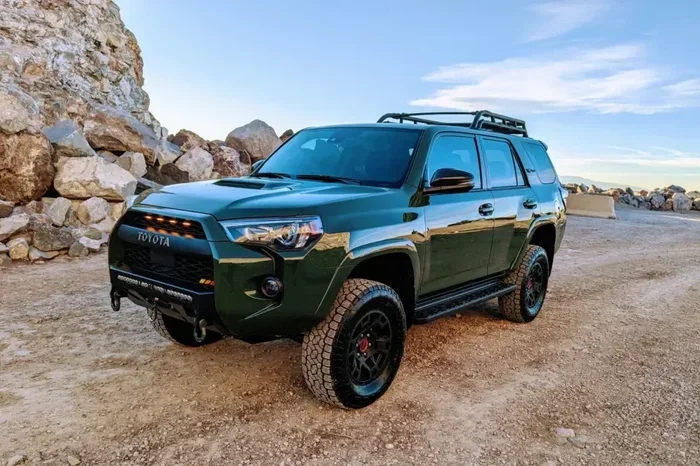
The Toyota 4Runner sits in a unique spot between SUVs and trucks. Its body-on-frame platform, four-wheel drive system, and impressive towing capacity give it serious truck DNA. However, official vehicle classifications depend on specific criteria set by regulatory agencies. Understanding what makes a truck a truck helps clarify where the 4Runner fits.
The Toyota 4Runner has been a favorite among adventure lovers, families, and off-road enthusiasts for decades. But one question keeps coming up in conversations and online forums: can a 4Runner be considered a truck? It’s a fair question. The 4Runner looks tough. It drives like a truck. It even smells like a truck after a weekend trail run. Yet when you look at the official definitions and classifications, things get a little murky.
In this article, we will dig deep into what makes a vehicle a truck. We will compare the 4Runner against those standards. And we will give you a clear answer backed by facts, not just opinions. Whether you are shopping for a new rig or just curious about vehicle categories, this guide has you covered.
Key Takeaways
- The 4Runner uses a body-on-frame design: This is the same construction method found in traditional trucks, setting it apart from unibody SUVs.
- Towing and payload matter: The 4Runner can tow up to 5,000 pounds and carry meaningful payload, traits commonly associated with trucks.
- Off-road capability is exceptional: Features like TRD Off-Road trim, locking differentials, and high ground clearance give it truck-like performance.
- Official classification varies: The EPA and NHTSA may classify the 4Runner differently than you expect, depending on the criteria used.
- It fills a unique niche: The 4Runner blends the comfort of an SUV with the ruggedness of a truck, making it a one-of-a-kind vehicle.
📑 Table of Contents
- What Makes a Vehicle a Truck?
- The Toyota 4Runner: Truck-Based SUV or Just an SUV?
- How the 4Runner Compares to Actual Trucks
- Why People Call the 4Runner a Truck
- The 4Runner’s Vehicle Classification in the Real World
- Common Mistakes People Make About the 4Runner
- Quick Tips for 4Runner Owners
- Expert Insights: Why the 4Runner’s Identity Matters
- Final Verdict: Is the 4Runner a Truck?
What Makes a Vehicle a Truck?
Before we can answer whether the 4Runner qualifies, we need to define what a truck actually is. The term “truck” can mean different things depending on who you ask. Government agencies, insurance companies, and everyday drivers all use the word differently.
Official Definitions from Regulatory Bodies
The Environmental Protection Agency (EPA) classifies vehicles based on their gross vehicle weight rating (GVWR). If a vehicle weighs over 8,500 pounds, it falls into the “truck” category. The National Highway Traffic Safety Administration (NHTSA) uses similar weight-based thresholds.
However, the Internal Revenue Service (IRS) has its own definition for tax purposes. The IRS looks at things like vehicle size, payload capacity, and intended use. A vehicle must meet specific criteria to qualify as a truck for tax deductions.
Then there is the everyday definition. Most people think of a truck as something with an open cargo bed, a powerful engine, and serious hauling ability. By that standard, the 4Runner might not fit perfectly. But stay with us, because things are not always black and white.
Key Traits of a Traditional Truck
Traditional trucks share several common features. Understanding these helps us compare the 4Runner side by side:
- Body-on-frame construction: The body sits on a separate frame, making the vehicle extremely durable and capable of handling heavy loads.
- Open cargo bed: A pickup truck has a bed at the back for hauling gear, lumber, or equipment.
- High towing capacity: Trucks are built to pull trailers, boats, and other heavy loads.
- Rear-wheel drive or four-wheel drive: Most trucks come with RWD as standard, with 4WD as an option.
- Large payload capacity: Trucks can carry significant weight in the bed and on the frame.
The 4Runner checks many of these boxes. But it lacks one key feature: the open cargo bed. So does that disqualify it? Not necessarily. Let us look closer.
The Toyota 4Runner: Truck-Based SUV or Just an SUV?
The 4Runner is often called a “truck-based SUV.” This term is important. It means the 4Runner uses a truck platform, even though it does not look like a traditional pickup. The body-on-frame design gives the 4Runner structural rigidity and durability that unibody SUVs simply cannot match.
Body-on-Frame Construction
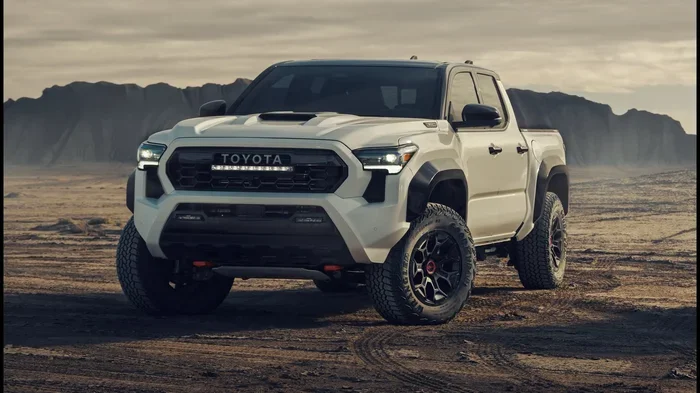
The 4Runner shares its platform with the Toyota Tacoma pickup truck. Both vehicles use the same frame rail design. This means the 4Runner has the same strong backbone that makes trucks so capable. The frame rail runs the length of the vehicle and supports everything from the engine to the suspension.
This construction method offers several advantages:
- Greater durability: The separate frame absorbs impacts better than a unibody design.
- Higher payload capacity: The frame can support more weight without flexing or breaking.
- Better off-road performance: A rigid frame handles rough terrain more predictably.
- Longer lifespan: Body-on-frame vehicles tend to last longer because the frame can be repaired or replaced.
When you compare the 4Runner to a unibody SUV like the Honda CR-V or Toyota RAV4, the difference is clear. The 4Runner feels more like a truck because it literally is built on a truck platform.
Towing and Payload Capabilities
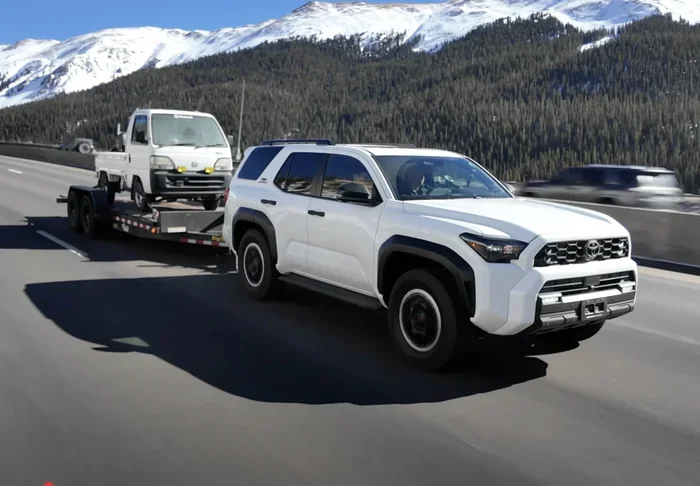
One of the strongest arguments for calling the 4Runner a truck is its towing capacity. The 4Runner can tow up to 5,000 pounds when properly equipped. That is enough to pull a small travel trailer, a boat, or a pair of ATVs.
Compare that to a typical unibody SUV, which might tow 1,500 to 3,500 pounds. The 4Runner outperforms most of its SUV competitors in this area. Its payload capacity is also impressive for the class.
If you are planning a camping trip or hauling gear, the 4Runner handles the job with confidence. And if you need to add a hitch for extra towing capacity, the frame-mounted receiver makes installation straightforward.
Drivetrain and Off-Road Performance
The 4Runner comes standard with a rear-wheel drive drivetrain. Four-wheel drive is available as an option, and it is a game-changer for anyone who ventures off the paved road. The part-time 4WD system lets you lock the front and rear axles together for maximum traction on slippery or uneven surfaces.
Toyota offers several trims that highlight the truck-like nature of the 4Runner:
- SR5: The base trim with solid off-road fundamentals.
- TRD Off-Road: Includes locking differentials, crawl control, and multi-terrain select.
- TRD Pro: The ultimate off-road package with upgraded suspension, skid plates, and all-terrain tires.
The ground clearance on a 4Runner exceeds 9 inches in most trims. That is truck-level clearance. The approach and departure angles allow it to tackle steep inclines and rocky terrain without scraping the undercarriage. Few unibody SUVs can match this level of off-road performance.
How the 4Runner Compares to Actual Trucks
To really understand where the 4Runner stands, we need to compare it directly to traditional trucks. The most natural comparison is the Toyota Tacoma, since they share the same platform. Let us break it down.
| Feature | Toyota 4Runner | Toyota Tacoma |
|---|---|---|
| Frame Type | Body-on-frame | Body-on-frame |
| Towing Capacity | Up to 5,000 lbs | Up to 6,500 lbs |
| Payload Capacity | Approx. 1,500 lbs | Approx. 1,600 lbs |
| Cargo Bed | Enclosed rear cargo area | Open pickup bed |
| Drivetrain Options | RWD / 4WD | RWD / 4WD |
| Ground Clearance | 9.6 inches | 9.4 inches (varies by trim) |
| Fuel Economy (Combined) | Approx. 16-20 MPG | Approx. 15-22 MPG |
| Primary Use | Family SUV / Off-road | Work Truck / Adventure |
As you can see, the 4Runner and Tacoma are remarkably similar in many areas. They share the same frame, the same drivetrain options, and similar off-road credentials. The main difference is the cargo area. The Tacoma has an open bed for hauling large or bulky items. The 4Runner has an enclosed rear area that keeps your gear safe from the elements.
Where the 4Runner Falls Short of a Truck
It is important to be honest about the 4Runner’s limitations. Here are the areas where it does not quite match a traditional truck:
- No open cargo bed: You cannot haul large sheets of plywood or furniture in the open air.
- Lower towing capacity: The Tacoma can tow more, especially with the right configuration.
- Less payload capacity: The Tacoma generally handles heavier loads in the bed.
- Fuel economy: Both vehicles are thirsty, but the 4Runner tends to be slightly worse in this area.
These differences matter if you need a vehicle primarily for work or hauling. But for most adventure enthusiasts and families, the 4Runner offers everything they need and more.
Why People Call the 4Runner a Truck
Despite not fitting the traditional pickup definition, many people still refer to the 4Runner as a truck. There are good reasons for this. The vehicle’s design, capability, and reputation all point toward the truck category.
The Body-on-Frame Factor
The body-on-frame design is the single biggest reason people think of the 4Runner as a truck. Unibody SUVs like the Ford Explorer or Chevrolet Equinox use a different construction method where the body and frame are one piece. The 4Runner does not work this way. It has a separate frame, just like the Toyota Tundra or the Tacoma.
This distinction matters because body-on-frame vehicles are inherently more rugged. They handle heavy loads better. They resist body flex during off-road use. And they tend to have longer service lives. When you sit behind the wheel of a 4Runner, the truck-like feel is unmistakable.
The Off-Road Community’s View
In the off-road community, the 4Runner is treated as a truck. It belongs in the same category as the Jeep Wrangler, the Ford Bronco, and the Tacoma. These vehicles are built for serious trail work, rock crawling, and overlanding adventures.
The 4Runner’s reputation in this space is well-earned. It has been a favorite among off-road enthusiasts since its introduction in 1984. The TRD Off-Road and TRD Pro trims specifically target the truck market. Toyota designed these versions for drivers who want maximum off-road capability without sacrificing daily drivability.
The Insurance and Legal Perspective
Interestingly, insurance companies sometimes classify the 4Runner differently depending on the carrier. Some insurers treat it as a truck because of its body-on-frame construction and towing capacity. Others classify it as an SUV based on its passenger capacity and enclosed cargo area.
This inconsistency can affect insurance rates. If you are shopping for coverage for your 4Runner, it is worth checking with your provider to see how they classify the vehicle. The classification can impact your premium, so it pays to ask the right questions.
The 4Runner’s Vehicle Classification in the Real World
So where does the 4Runner officially fall? The answer depends on who you ask and what criteria they use.
The EPA classifies the 4Runner as a small pickup truck or SUV, depending on the model year and configuration. The NHTSA categorizes it based on weight class. In most cases, the 4Runner falls into the mid-size truck or SUV category.
For registration and titling purposes, the rules vary by state. Some states register the 4Runner as a truck. Others classify it as an SUV. If you are unsure about your local regulations, you should check with your state’s Department of Motor Vehicles for the most accurate information.
How Registration Affects Your 4Runner
Vehicle classification can affect several things, including registration fees, insurance costs, and even parking regulations. In some areas, trucks are subject to different rules than SUVs. For example, some cities have higher parking fees for trucks or restrict truck access to certain roads.
Understanding how your 4Runner is classified in your area can save you money and headaches. If you recently moved to a new state, take a few minutes to research the local vehicle classification rules. It is a small step that can make a big difference.
Common Mistakes People Make About the 4Runner
There are several misconceptions about the 4Runner that we should clear up. These mistakes can lead to confusion when shopping or discussing the vehicle.
- Mistake 1: Assuming it is just another SUV: The 4Runner is far more capable than a typical SUV. Its truck-based platform gives it abilities that unibody vehicles simply do not have.
- Mistake 2: Thinking it cannot tow: With a 5,000-pound towing capacity, the 4Runner can handle plenty of trailers and gear.
- Mistake 3: Ignoring maintenance needs: Because the 4Runner is truck-based, it requires truck-style maintenance. Regular inspections of the frame, suspension, and drivetrain are essential.
- Mistake 4: Overlooking fuel costs: The 4Runner is not a fuel-efficient vehicle. Budget accordingly for higher fuel expenses compared to a standard SUV.
Avoiding these mistakes will help you get the most out of your 4Runner ownership experience. Do your research before buying, and you will be rewarded with a reliable, capable vehicle for years to come.
Quick Tips for 4Runner Owners
Whether you already own a 4Runner or are planning to buy one, these tips will help you get the most from your vehicle:
- Invest in all-terrain tires: They dramatically improve off-road performance and on-road comfort.
- Add a cargo management system: Since the 4Runner lacks an open bed, a good cargo organizer makes the enclosed space much more practical.
- Keep up with suspension maintenance: The truck-based suspension takes a beating on rough roads. Regular checks prevent costly repairs.
- Consider a lift kit: If you are serious about off-roading, a lift kit increases ground clearance and approach angles.
- Use the TRD modes wisely: The Multi-Terrain Select system helps you adapt to different surfaces. Learn what each mode does before you hit the trail.
Expert Insights: Why the 4Runner’s Identity Matters
The debate over whether the 4Runner is a truck or an SUV is more than just semantics. Vehicle classification affects how people use, insure, and maintain their vehicles. It also shapes perceptions in the automotive community.
Automotive experts generally agree that the 4Runner occupies a unique space. It is neither a traditional truck nor a typical SUV. It is a truck-based SUV that offers the best of both worlds. The body-on-frame construction gives it truck-level durability. The enclosed cabin and comfortable interior give it SUV-level livability.
Toyota has always positioned the 4Runner as a vehicle for people who refuse to compromise. You do not have to choose between capability and comfort. The 4Runner delivers both. That is why it has remained one of the brand’s most popular and enduring models for over 40 years.
If you are on the fence about whether the 4Runner is right for you, consider how you plan to use it. If you need a workhorse for hauling and towing, a Tacoma or full-size truck might be a better fit. But if you want a rugged, capable vehicle that can handle trails, family trips, and daily commutes, the 4Runner is hard to beat.
Final Verdict: Is the 4Runner a Truck?
The answer is not a simple yes or no. The 4Runner has many truck-like qualities. Its body-on-frame construction, four-wheel drive system, towing capacity, and off-road performance all point toward the truck category. But it lacks an open cargo bed and does not fit the traditional pickup truck mold.
The most accurate way to describe the 4Runner is as a truck-based SUV. It uses a truck platform but serves a purpose that is more aligned with the SUV lifestyle. It is a vehicle that defies easy categorization, and that is exactly what makes it so special.
So the next time someone asks you, “Is the 4Runner a truck?” you can give them a nuanced answer. It depends on the criteria. But one thing is certain: the 4Runner has the capability, the durability, and the character of a truck, wrapped in the practicality and comfort of an SUV.
Whether you call it a truck or an SUV, the 4Runner remains one of the most capable and reliable vehicles on the road. It has earned its reputation through decades of proven performance. And for many drivers, that is all the classification they need.
Frequently Asked Questions
Is the Toyota 4Runner classified as a truck by the EPA?
The EPA classifies the 4Runner as either a small pickup truck or an SUV, depending on the model year and specific configuration. The classification can vary, so it is best to check the EPA’s website for the most current information on your specific model year.
Can you tow with a 4Runner?
Yes, the 4Runner has a towing capacity of up to 5,000 pounds when properly equipped. This makes it capable of pulling small trailers, boats, and recreational vehicles. Always check your owner’s manual for the exact towing limits of your specific trim and configuration.
What is the difference between a truck-based SUV and a regular SUV?
A truck-based SUV uses a body-on-frame construction, just like a traditional truck. A regular SUV uses a unibody design where the body and frame are integrated. Truck-based SUVs tend to be more durable, have higher towing capacity, and perform better off-road than unibody SUVs.
Does the 4Runner have an open cargo bed like a pickup truck?
No, the 4Runner has an enclosed rear cargo area rather than an open pickup bed. This design keeps your gear protected from weather and theft. It also makes the 4Runner more practical for daily use and family activities.
Why is the 4Runner so popular among off-road enthusiasts?
The 4Runner is popular because of its body-on-frame construction, high ground clearance, locking differentials, and proven reliability. It shares its platform with the Tacoma and is built to handle serious trail work. The TRD Off-Road and TRD Pro trims take this capability even further.
Can the 4Runner be used as a daily driver?
Absolutely. While the 4Runner is built for off-road adventures, it is also comfortable and practical enough for daily driving. The enclosed cabin offers good comfort, modern technology features, and enough space for passengers and gear. It is one of the most versatile vehicles you can own.
=== CONCLUSION ===
The Toyota 4Runner stands at the crossroads of the truck and SUV worlds. Its body-on-frame platform, impressive towing capacity, and legendary off-road performance give it undeniable truck credentials. Yet its enclosed cargo area and comfortable interior make it feel like a true SUV.
Rather than trying to force the 4Runner into one category, it is better to appreciate what it is: a unique vehicle that blends the best qualities of both worlds. The 4Runner is a truck-based SUV that can handle anything you throw at it, whether that is a rocky trail, a family road trip, or a daily commute to work.
If you are looking for a vehicle that combines capability with practicality, the 4Runner deserves a spot at the top of your list. It has earned its reputation over decades of loyal service, and it continues to be one of the most beloved vehicles in the Toyota lineup. Embrace the 4Runner for what it is, and you will find a reliable companion for every adventure that lies ahead.