Does Lexus Use the Same Engine as the Toyota Camry
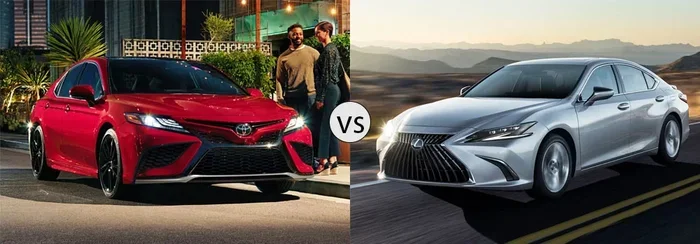
Yes, Lexus and the Toyota Camry share some engines, but they are not identical across the board. Both brands come from Toyota Motor Corporation, so they use shared platforms and powertrains. However, Lexus models like the Lexus ES often get upgraded versions of Toyota Camry engines with more power and refined tuning. If you are comparing the two, understanding these shared and unique engine details helps you make a smarter buying decision.
When you are shopping for a midsize sedan, the Toyota Camry and Lexus ES often sit side by side on the comparison list. They look similar. They feel similar. And honestly, they share a lot of DNA under the skin. But one question keeps coming up: does Lexus use the same engine as the Toyota Camry?
The short answer is yes, but with some important differences. Lexus is Toyota’s luxury division. That means they share a lot of technology, platforms, and yes, engines. But Lexus takes those shared components and refines them for a more premium experience. If you have been wondering whether the Lexus engine is just a rebranded Toyota engine, this article breaks it all down for you.
We will walk through every engine option, compare the specs, and explain what makes a Lexus engine different from the Toyota Camry engine. Whether you are a car enthusiast or just trying to decide between two great sedans, this guide has you covered.
Key Takeaways
- Shared Platform: Lexus and Toyota Camry both use the Toyota Global Architecture (TNGA) platform, which means many components overlap.
- Common Engines: The 2.5-liter four-cylinder engine is shared between the Toyota Camry and several Lexus models.
- Upgraded Tuning: Lexus versions of shared engines typically produce more horsepower and offer smoother delivery.
- Hybrid Options: Both brands offer hybrid powertrains, and the Lexus hybrid engine is essentially a refined version of the Toyota Camry hybrid system.
- V6 Availability: The Toyota Camry offers a V6 engine, and Lexus uses a similar V6 in models like the Lexus ES 350.
- Build Quality Differences: Lexus engines undergo additional luxury-grade refinement and tighter tolerances compared to the standard Toyota Camry.
- Value Consideration: Understanding the shared engine platform helps buyers evaluate whether paying more for a Lexus is worth the upgrade.
📑 Table of Contents
Why Do Lexus and Toyota Share Engines?
Lexus is the luxury arm of Toyota Motor Corporation. Toyota owns Lexus, and both brands operate under the same corporate umbrella. This relationship means that sharing engines, platforms, and parts is not just common — it is built into the business model.
Toyota developed the Toyota Global Architecture, also known as TNGA. This is a modular platform system that underpins many Toyota and Lexus vehicles. The Toyota Camry rides on the TNGA-K platform. So does the Lexus ES. Because the platform is shared, the engines bolt into the same basic structure. This saves Toyota billions in research and development costs.
But sharing an engine does not mean the engines are exactly the same. Lexus takes the base powertrain from Toyota and adds its own touch. Think of it like two chefs using the same recipe but adjusting the seasoning. The core ingredients are the same, but the final dish tastes different.
This strategy also benefits buyers. Shared platforms and engines mean better reliability through proven technology. When Toyota sells millions of Camrys, that engine gets tested under every possible condition. Lexus then takes that battle-tested engine and refines it for luxury use.
The Toyota Camry Engine Options
The Toyota Camry has been one of the best-selling sedans in America for decades. It offers a few different engine choices depending on the trim level. Let us look at what is currently available.
The base engine for most Toyota Camry trims is a 2.5-liter four-cylinder. This engine produces around 203 horsepower. It is reliable, fuel-efficient, and proven over millions of miles. Most drivers will never have an issue with this engine. It pairs with an eight-speed automatic transmission.
For buyers who want more power, the Camry SE and XSE trims offer a 3.5-liter V6 engine. This V6 produces 301 horsepower. It gives the Camry a much sportier feel. The V6 version also comes with an eight-speed automatic. If you have ever driven a Camry SE, you know the V6 makes a big difference in acceleration and highway passing power.
Toyota also offers a hybrid version of the Camry. The Camry Hybrid uses a 2.5-liter four-cylinder engine paired with an electric motor. Together, the hybrid system produces around 208 horsepower. The Toyota Camry hybrid delivers excellent fuel economy, often achieving over 50 miles per gallon combined. This is one of the best hybrid sedan options on the market.
One thing worth noting: does sport mode make a car faster in the Camry? Yes, especially in the V6 version. Sport mode adjusts the throttle response and shifts the transmission more aggressively. It makes the Camry feel much more engaging to drive.
The Lexus ES Engine Options
The Lexus ES is the brand’s flagship sedan. It competes directly with the Toyota Camry in size but targets a more upscale buyer. The Lexus ES comes with a few engine choices that overlap with the Camry but are tuned differently.
The base Lexus ES uses a 2.5-liter four-cylinder engine. On paper, this sounds identical to the Camry’s base engine. But Lexus tunes it to produce around 203 horsepower. Wait, that is the same number. So what is different? The difference is in the calibration. Lexus adjusts the throttle mapping, exhaust tuning, and transmission shift points. The result is a smoother, quieter, more refined power delivery.
The Lexus ES 350 uses the same 3.5-liter V6 engine found in the Camry V6. However, the Lexus version produces slightly more power in some model years. More importantly, Lexus adds its own luxury touches. The engine is insulated better. The exhaust is tuned for a more pleasant sound. Everything about the Lexus ES 350 feels more polished.
Lexus also offers a hybrid version of the ES. The Lexus ES 300h uses a 2.5-liter four-cylinder paired with an electric motor. The combined output is around 215 horsepower. This is slightly more than the Toyota Camry hybrid. The Lexus hybrid system is known for its incredibly smooth transitions between gas and electric power. You barely notice when the engine kicks on or shuts off.
Engine Comparison: Lexus vs Toyota Camry
Now let us get into the nitty-gritty. How do the engines actually compare? Here is a detailed breakdown of what is the same and what is different.
Four-Cylinder Engine Comparison
The 2.5-liter four-cylinder is the workhorse for both brands. Both the Toyota Camry and the Lexus ES use this engine in their base trims. Here is what you need to know.
- Displacement: 2.5 liters for both vehicles
- Horsepower: 203 hp in both the Camry and Lexus ES
- Transmission: Eight-speed automatic in both
- Fuel Type: Regular unleaded gasoline
- Fuel Economy: Similar, around 28-32 mpg combined
On paper, the numbers look identical. But the Lexus ES delivers that power more smoothly. The idle is quieter. The throttle response is more refined. Lexus spends extra time calibrating the engine management software. This is where the luxury difference comes in.
Also, if you are wondering about fuel usage, does traction control use more gas? The answer is minimal. Both the Camry and Lexus ES use traction control systems that have a negligible impact on fuel economy. The engine itself is the biggest factor in how much gas you burn.
V6 Engine Comparison
The V6 engine is where things get interesting. The Toyota Camry V6 and the Lexus ES 350 both use the 3.5-liter V6. But Lexus adds more luxury-grade refinement.
The Camry V6 produces 301 horsepower. The Lexus ES 350 produces a similar figure, with slight variations depending on the model year. The real difference is in the driving experience. Lexus tunes the suspension, the cabin insulation, and the engine mounts to reduce vibration. When you sit in a Lexus ES 350, the engine feels like it is floating. The noise, vibration, and harshness levels are significantly lower.
Both engines use the same basic architecture. The block, the heads, the pistons — they are essentially the same. But Lexus adds better materials and more precise assembly tolerances. This is why a Lexus engine often feels smoother and lasts longer with proper maintenance.
Hybrid Engine Comparison
The hybrid powertrain is one of the most compelling features in both the Camry and Lexus ES lineups. Both brands use a 2.5-liter four-cylinder paired with an electric motor and a battery pack.
The Toyota Camry Hybrid delivers 208 horsepower combined. The Lexus ES 300h delivers 215 horsepower combined. That is a small difference. But the Lexus hybrid system is known for its seamless operation. The transition between electric-only mode and gas engine mode is nearly imperceptible.
Does the Lexus hybrid engine use more gas than the Camry hybrid? Not really. In fact, the Lexus ES 300h often achieves similar or slightly better fuel economy numbers. The electric motor handles a lot of the low-speed driving, which saves gas in city conditions. And does AC burn gas in a hybrid car? Yes, but the hybrid system compensates by using the electric motor to power accessories when the gas engine is off.
What Makes a Lexus Engine Different from a Toyota Camry Engine?
Now that we have covered the numbers, let us talk about what really sets them apart. The engines share the same foundation, but Lexus adds layers of refinement that make a noticeable difference.
Calibration and Tuning
The biggest difference between a Lexus engine and a Toyota Camry engine is the calibration. Toyota engineers tune the Camry engine for reliability, efficiency, and value. Lexus engineers take that same engine and tune it for refinement, smoothness, and quiet operation.
Lexus adjusts the throttle response to be more linear. The engine management software is programmed to minimize gear hunting. The transmission shift points are calibrated for comfort rather than sportiness. All of these small changes add up to a noticeably different driving experience.
Build Quality and Materials
Lexus uses higher-grade materials in the engine bay. The engine mounts are more sophisticated. The exhaust system uses better materials that reduce rattles and vibrations. Even the wiring harnesses are more protected and better insulated.
This attention to detail is part of what justifies the higher price tag on a Lexus. When you sit in a Lexus ES, you can feel the difference in build quality. The engine is just one part of a much more refined package.
Assembly and Quality Control
Lexus engines go through additional quality control checks. The assembly tolerances are tighter. Each engine is tested more rigorously before it goes into a vehicle. Toyota has a reputation for building reliable engines, and Lexus raises that standard even higher.
This is why Lexus engines are often rated among the most reliable in the industry. The shared platform with the Toyota Camry gives Lexus a proven foundation. Then Lexus adds its own quality control layer on top.
Common Myths About Lexus and Toyota Camry Engines
There are several misconceptions about whether Lexus and Toyota share engines. Let us clear some of those up.
Myth 1: Lexus Engines Are Just Rebadged Toyota Engines
This is partially true but misleading. The base architecture is shared. But the tuning, materials, calibration, and assembly are all different. A Lexus engine is not simply a Toyota engine with a different badge. It is a refined version of the same fundamental design.
Myth 2: Lexus Uses Completely Different Engines
This is false. Lexus does not develop entirely separate engines for most of its models. The brand relies on Toyota’s proven powertrain platforms and then adds its own luxury refinements. This is a smart strategy that keeps development costs down while delivering a premium experience.
Myth 3: The Toyota Camry Is Just a Cheap Lexus
This is also not accurate. While they share engines and platforms, the overall vehicle experience is quite different. The Lexus ES has a more luxurious interior, better sound insulation, and a more refined ride quality. The Camry is an excellent car, but it targets a different buyer than the Lexus ES.
Which Engine Should You Choose?
Now that you understand the differences, how do you decide? Here are some practical tips to help you choose between the Toyota Camry and the Lexus ES.
If you want the best value for your money, the Toyota Camry is hard to beat. It offers strong reliability, good fuel economy, and a comfortable ride at a lower price point. The base four-cylinder engine is more than adequate for most drivers. The V6 option is great for those who want more power.
If you want a more refined, luxurious experience and do not mind paying more, the Lexus ES is the better choice. The engine is the same at its core, but the overall package feels more premium. The quiet cabin, smooth ride, and upscale interior make the Lexus ES a special car to drive.
For hybrid buyers, both options are excellent. The Toyota Camry Hybrid offers great value and efficiency. The Lexus ES 300h adds a touch of luxury to the hybrid formula. Either way, you are getting a proven hybrid powertrain that will save you money at the pump.
One more thing to consider: does leasing a car affect your credit? Yes, it can, but that is a separate topic from the engine comparison. Just keep in mind that leasing a Lexus will typically cost more than leasing a Camry because of the higher vehicle price.
Maintenance and Long-Term Ownership
Both the Toyota Camry and Lexus ES are known for low maintenance costs relative to other vehicles in their class. Since they share engines, many of the same parts are used. This keeps repair costs down.
Lexus offers a complimentary maintenance program for new vehicles. This includes free oil changes and inspections for a set period. Toyota also offers a strong warranty, but Lexus adds extra perks for luxury buyers.
Over the long term, both vehicles hold up well. The shared engine platform means mechanics are familiar with the powertrain. Whether you take your car to a Lexus dealer or a Toyota dealer, the engine service is very similar.
If you are concerned about major repairs, both brands have excellent reliability ratings. The 2.5-liter four-cylinder is one of the most trusted engines in the automotive world. The 3.5-liter V6 has also proven itself over many years of service.
Final Thoughts
So, does Lexus use the same engine as the Toyota Camry? The answer is yes, with important nuances. Both brands share the same fundamental engine designs, platforms, and powertrain architecture. But Lexus refines those shared components for a more luxurious, refined driving experience.
The Toyota Camry is an outstanding value. The Lexus ES adds a layer of premium refinement on top of that same foundation. Whether you choose the Camry or the ES, you are getting a well-engineered, reliable vehicle with a proven powertrain.
At the end of the day, understanding the shared engine platform helps you make a more informed decision. You now know exactly what is the same and what is different. Use that knowledge to choose the car that fits your budget, your style, and your needs.
And remember, whether you drive a Camry or an ES, keeping up with regular maintenance is the best way to ensure your engine lasts for hundreds of thousands of miles. Both brands deliver excellent reliability, and that is something every car buyer can appreciate.
Frequently Asked Questions
Is the Lexus ES engine the same as the Toyota Camry engine?
The base engines are very similar. Both the Lexus ES and the Toyota Camry use the 2.5-liter four-cylinder and the 3.5-liter V6. However, Lexus tunes the engines differently for smoother operation and quieter performance. The core architecture is shared, but the calibration and refinement are not identical.
Why is the Lexus ES more expensive if it shares the Camry engine?
The higher price comes from the luxury refinements Lexus adds. Better materials, tighter assembly tolerances, superior sound insulation, and a more upscale interior all contribute. The engine is only one part of a much more premium overall package that justifies the higher cost.
Is the Toyota Camry hybrid engine the same as the Lexus ES hybrid engine?
They share the same hybrid powertrain architecture. Both use a 2.5-liter four-cylinder paired with an electric motor. The Lexus ES 300h produces slightly more combined horsepower and offers an even smoother transition between gas and electric power. The core technology is the same, but Lexus adds its own calibration tweaks.
Does a Lexus engine last longer than a Toyota Camry engine?
Not necessarily. Both engines are built by Toyota and share the same basic design. However, Lexus engines go through additional quality control and use tighter assembly tolerances. With proper maintenance, both engines can easily last over 200,000 miles. The Lexus may feel smoother over time, but the longevity is very similar.
Can you use Toyota parts on a Lexus engine?
In many cases, yes. Since the engines share the same architecture, many parts are interchangeable. However, some Lexus-specific components may not fit a Toyota Camry and vice versa. It is always best to check with a dealer or mechanic for compatibility before purchasing parts.
Which is better for daily driving, the Camry or the Lexus ES?
Both are excellent daily drivers. The Camry offers better value and lower operating costs. The Lexus ES provides a more refined, quiet, and comfortable ride. If you prioritize luxury and comfort, the Lexus ES is the better choice. If you prioritize value and practicality, the Camry is hard to beat.