Ashtavinayak Darshan By Car The Ultimate Road Trip Guide
Ashtavinayak darshan by car is the most convenient way to explore all eight sacred Ganesh temples in Maharashtra. This guide covers the full route, temple details, travel tips, and practical advice for a smooth and memorable road trip. Whether you are driving from Mumbai or Pune, you will find everything you need right here.
Key Takeaways
- Complete Temple Guide: Learn about all eight Ashtavinayak temples and their unique significance.
- Easy Road Routes: Get detailed driving directions from Mumbai, Pune, and other major cities.
- Smart Travel Tips: Discover the best time to visit, packing essentials, and common mistakes to avoid.
- Car Comfort: Understand why traveling by car makes this pilgrimage easier and more flexible.
- Practical Planning: Find estimated distances, travel times, and budget-friendly suggestions.
📑 Table of Contents
- What Is Ashtavinayak Darshan and Why Drive?
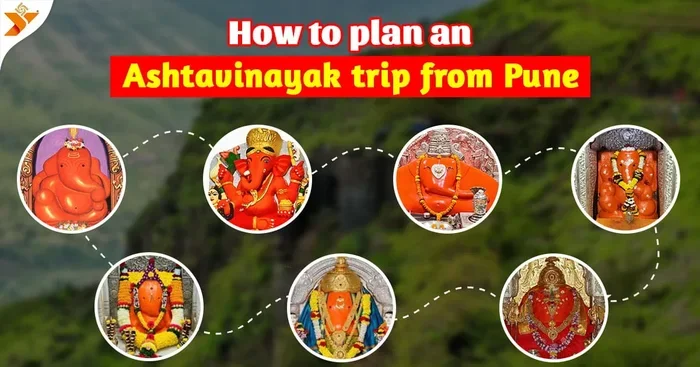
- The Eight Sacred Ganesh Temples You Will Visit
- Planning Your Ashtavinayak Darshan by Car Route
- Best Time to Visit and Travel Tips
- What to Pack for an Ashtavinayak Road Trip
- Common Mistakes to Avoid on Your Darshan Journey
- Expert Insights for a Memorable Pilgrimage
- Key Takeaways
- Frequently Asked Questions
- Conclusion
What Is Ashtavinayak Darshan and Why Drive?
Ashtavinayak darshan by car refers to the sacred journey of visiting all eight temples dedicated to Lord Ganesh in the state of Maharashtra, India. The word “Ashtavinayak” literally means “eight Ganeshas.” Each temple has its own unique legend, architecture, and spiritual significance. Together, they form one of the most revered pilgrimage routes in Hinduism.
Now, why drive? Well, visiting these temples by car gives you freedom and flexibility. You do not need to worry about train schedules or bus timings. You can stop wherever you want. You can spend more time at a temple that moves you. You can also adjust your route based on weather or energy levels. For families, groups, or anyone carrying offerings and supplies, a car makes everything so much simpler.
The eight temples are spread across different districts of Maharashtra. Some are close to each other, while others require a longer drive. A well-planned road trip lets you cover all eight temples comfortably in two to three days. It is a journey that blends devotion with adventure. The roads pass through beautiful Maharashtrian landscapes, small towns, and historic sites. You get to experience the culture and warmth of the region up close.
Many devotees prefer this method because it reduces the stress of travel. You can carry prasad, water, snacks, and other essentials without any hassle. Parking near temples is usually manageable. And if you are traveling with elderly family members or children, a car offers the comfort and convenience that public transport simply cannot match.
The Eight Sacred Ganesh Temples You Will Visit
Each of the eight Ashtavinayak temples has a special story. Lord Ganesh took a different form at each location to fulfill a devotee’s prayer or defeat a demon. Here is a look at all eight temples you will visit on your road trip.
1. Morgaon Ganesh Temple (Pune District)
This is where the Ashtavinayak journey begins and ends. Morgaon is the most important temple among the eight. The word “Morgaon” means “front of the moon.” The temple sits on the banks of the Karha River. The main idol of Ganesh here has a trunk turned to the right, which is considered rare and powerful. Many devotees believe that visiting Morgaon first and last completes the spiritual cycle.
2. Siddhivinayak Temple (Siddhatek, Ahmednagar District)
Siddhivinayak sits on the banks of the Bhima River. The legend says that Vishnu worshipped Ganesh here to gain the power to defeat the demons Madhu and Kaitabha. The temple has a simple but powerful atmosphere. The idol here also has a right-facing trunk. This temple is about 125 kilometers from Pune.
3. Varadavinayak Temple (Mahad, Raigad District)
Varadavinayak is located near the ancient fort of Mahad. The temple was built by a Brahmin named Venkatesh. The word “Varada” means “boon.” Devotees believe that prayers here fulfill all wishes. The idol is seated in a posture that shows grace and generosity. The temple is surrounded by greenery and offers a peaceful setting for worship.
4. Chintamani Ganesh Temple (Theur, Pune District)
Theur is just about 25 kilometers from Pune city. Chintamani means “the one who removes worries.” The legend says that Ganesh here removed the worries of Brahma. The temple is situated on the banks of the Mula-Mutha River. It is a popular stop for people traveling from Pune because it is so close to the city.
5. Girijatmak Temple (Lenyadri, Pune District)
Lenyadri is unique because it is a cave temple. The word “Girijatmak” means “born of the mountain.” The temple is carved into a hill and has 307 steps leading up to it. The legend says that Ganesh was born here as the son of Parvati. The cave temple has a very ancient feel to it. It is one of the most fascinating stops on the route.
6. Vighnahar Ganesh Temple (Ozar, Pune District)
Ozar is another temple near Pune. The name “Vighnahar” means “remover of obstacles.” The legend says that the demon Vighnasur was troubling the sages. Ganesh defeated him and restored peace. The temple has beautiful carvings and a serene environment. It is a very popular stop on the Ashtavinayak circuit.
7. Mahaganapati Temple (Taleghar, Ratnagiri District)
Mahaganapati means “the great Ganesh.” This temple is located in the Ratnagiri district, which is on the western coast. The idol here is depicted with ten heads and twenty arms. It represents the cosmic form of Ganesh. The temple is a bit farther from the main cluster, but it is worth the drive. The coastal scenery around Ratnagiri adds beauty to the journey.
8. Ganeshthal Temple (Ranjangaon, Pune District)
Ranjangaon is the last temple in the circuit. The idol here has its trunk turned to the left. The word “Ranjangaon” comes from the story of a demon named Gaj. Ganesh defeated Gaj and saved the people. The temple is well-maintained and has a calm atmosphere. It is a perfect place to end the journey.
Planning Your Ashtavinayak Darshan by Car Route
A good plan makes your road trip smooth and enjoyable. You need to think about the route, distances, stops, and time. Let us break it down.
Starting from Mumbai
Most people start from Mumbai because it has the best road connectivity. The distance from Mumbai to Morgaon is about 150 kilometers. You can take the Mumbai-Pune Expressway. From Morgaon, the temples are spread across Pune, Raigad, Ahmednagar, and Ratnagiri districts.
A common route looks like this:
- Day 1: Mumbai to Morgaon (start), then Chintamani (Theur), Vighnahar (Ozar), and Girijatmak (Lenyadri). All three are near Pune.
- Day 2: Drive to Varadavinayak (Mahad), then Mahaganapati (Taleghar). Head toward Ranjangaon.
- Day 3: Visit Ranjangaon and then Siddhivinayak (Siddhatek). Return to Mumbai via Pune.
Starting from Pune
Pune is actually the heart of the Ashtavinayak circuit. Most temples are within a 100-kilometer radius of Pune. You can start from Morgaon or Chintamani. From Pune, you can cover the nearby temples in one day and then head to the more distant ones like Siddhatek and Mahaganapati on the second day.
Distance and Time Estimates
Here is a rough idea of the distances between major stops:
- Mumbai to Morgaon: 150 km (3 hours)
- Morgaon to Chintamani (Theur): 25 km (45 minutes)
- Chintamani to Vighnahar (Ozar): 15 km (30 minutes)
- Vighnahar to Girijatmak (Lenyadri): 20 km (40 minutes)
- Lenyadri to Varadavinayak (Mahad): 60 km (1.5 hours)
- Mahad to Mahaganapati (Taleghar): 100 km (2.5 hours)
- Taleghar to Ranjangaon: 80 km (2 hours)
- Ranjangaon to Siddhivinayak (Siddhatek): 120 km (3 hours)
- Siddhatek to Mumbai: 250 km (5 hours)
These are approximate times and can vary based on traffic and road conditions. Always keep some buffer time in your schedule.
Best Time to Visit and Travel Tips
Timing matters a lot for this pilgrimage. The weather, crowds, and temple timings all play a role in how smooth your trip will be.
When to Go
The best time for ashtavinayak darshan by car is between October and March. The weather is pleasant during these months. Summers in Maharashtra can be very hot, especially in April and May. Monsoon season (June to September) can make roads slippery and cause delays. So plan your trip in the cooler months for the best experience.
Ganesh Chaturthi in August or September is a special time. The temples are decorated beautifully, and the atmosphere is electric. However, crowds can be very large. If you prefer a quieter experience, avoid the festival peak days.
Temple Timings
Most Ashtavinayak temples open early in the morning around 6 AM and close in the evening around 9 PM. Some temples have a midday break. Always check the specific timings before you go. Arriving early in the morning helps you avoid crowds and gives you a peaceful darshan experience.
Road Trip Tips
- Start early: Leaving by 6 AM helps you beat traffic and reach temples when they open.
- Car maintenance: Get your car serviced before the trip. Check tires, oil, water, and brakes.
- Fuel up: Fill your tank in every major town. Do not wait for the tank to run low.
- Parking: Most temples have designated parking areas. Arrive early for the best spots.
- Cash: Carry enough cash. Some temples may not accept digital payments.
- Navigation: Use Google Maps or a GPS device. Some rural roads may not be well marked.
What to Pack for an Ashtavinayak Road Trip
Packing smartly makes a big difference on a pilgrimage road trip. You want to be comfortable and prepared for everything.
- Offerings: Flowers, durva grass, modak, coconuts, and chandan (sandalwood paste).
- Water bottles: Stay hydrated, especially during summer months.
- Snacks: Pack light snacks for the road. Nuts, fruits, and biscuits work well.
- Comfortable clothes: Wear light cotton clothes in summer and warm layers in winter.
- Footwear: Comfortable walking shoes. You may need to walk a bit at some temple sites.
- First aid kit: Carry basic medicines for headaches, motion sickness, and minor injuries.
- Phone charger: Keep your phone charged for navigation and emergencies.
- Umbrella or raincoat: Useful during monsoon or unexpected rain showers.
Also carry a small bag for temple offerings and keep it easily accessible. Some temples require you to remove shoes before entering, so pack a pair of easy-to-remove footwear.
Common Mistakes to Avoid on Your Darshan Journey
Even experienced travelers make mistakes. Here are some common ones you should avoid.
- Skipping the route plan: Do not just drive without a plan. The temples are spread out, and you do not want to waste time figuring out directions.
- Overpacking the day: Trying to visit too many temples in one day leads to fatigue. Keep your daily schedule relaxed.
- Ignoring road conditions: Some roads near the temples are narrow or in poor condition. Drive carefully and at a safe speed.
- Not checking temple rules: Some temples have specific rules about photography, dress code, or entry timings. Respect them.
- Forgetting to check fuel: Running out of fuel on a rural road is a real risk. Always keep your tank at least half full.
- Ignoring weather updates: Monsoon rains can disrupt your plans. Check the weather forecast before each day of travel.
Avoiding these mistakes will make your ashtavinayak darshan by car experience much more enjoyable and stress-free.
Expert Insights for a Memorable Pilgrimage
Here are some insider tips that can elevate your journey.
Start with Morgaon. This temple is considered the starting point of the circuit. Ending your journey here completes the spiritual cycle. Many priests and experienced devotees recommend this order.
Visit Lenyadri early. The 307 steps to the cave temple can be tiring. Going early in the morning when it is cool makes the climb much easier. The views from the top are also stunning.
Try local food. On your road trip, stop at small dhabas and local eateries. Maharashtra has amazing street food. Try vada pav, misal pav, and fresh kokam juice along the way.
Talk to the priests. The temple priests at Ashtavinayak temples are knowledgeable and welcoming. They can share stories and legends that you will not find in any guidebook.
Take your time. This is a pilgrimage, not a race. Spend quality time at each temple. Listen to the aarti. Feel the devotion. Let the journey touch your heart.
Key Takeaways
- Complete Temple Guide: Learn about all eight Ashtavinayak temples and their unique significance.
- Easy Road Routes: Get detailed driving directions from Mumbai, Pune, and other major cities.
- Smart Travel Tips: Discover the best time to visit, packing essentials, and common mistakes to avoid.
- Car Comfort: Understand why traveling by car makes this pilgrimage easier and more flexible.
- Practical Planning: Find estimated distances, travel times, and budget-friendly suggestions.
- Spiritual Growth: Experience the deep devotion and cultural richness of the Ashtavinayak circuit.
Frequently Asked Questions
How many days do I need for ashtavinayak darshan by car?
Most people complete the journey in two to three days. If you want a relaxed pace, three days is ideal. You can cover the Pune-area temples on the first day, the coastal temples on the second day, and finish with Siddhatek on the third day before heading back.
Is it safe to drive to Ashtavinayak temples?
Yes, it is generally safe. The roads are well-maintained, especially the highways. However, some rural stretches can be narrow. Drive carefully, follow traffic rules, and avoid driving at night on unfamiliar roads. Always keep your headlights on and stay alert.
Can I do the Ashtavinayak circuit in one day?
It is possible but very tiring. The total driving distance can exceed 500 kilometers in a day. You would spend most of your time on the road and very little time at the temples. It is better to spread the journey over two or three days for a more meaningful experience.
What is the best car for an Ashtavinayak road trip?
Any reliable sedan or SUV works well. A compact car is fine if you are traveling alone or as a couple. If you are going with a family or a large group, an SUV or a larger vehicle offers more comfort and space for offerings and luggage.
Are there good places to eat along the route?
Yes, there are many options. Maharashtra is famous for its food. You will find good vegetarian restaurants, dhabas, and street food stalls along the route. Mahad and Pune have plenty of dining options. Always carry some water and snacks just in case.
Do I need to book darshan tickets in advance?
Most Ashtavinayak temples do not require advance bookings. You can buy tickets at the entrance. However, during Ganesh Chaturthi or festival days, the crowds can be very large. Arriving early in the morning helps you avoid long waiting times.
Conclusion
Ashtavinayak darshan by car is more than just a road trip. It is a spiritual journey that takes you through eight sacred temples, each with its own story and significance. The beauty of traveling by car is the freedom it gives you. You set your own pace. You choose your own stops. You make the journey your own.
The eight temples of Ashtavinayak are not just places of worship. They are living stories of faith, devotion, and divine intervention. From the cave temple at Lenyadri to the coastal temple at Mahaganapati, each stop adds a new dimension to your journey. The roads connect them, but the devotion connects you to something deeper.
Plan your route well. Travel during the right season. Pack smart. And most importantly, keep an open heart. The Ashtavinayak circuit has been calling devotees for centuries. Now it is your turn to answer that call. Start your engine, roll down the windows, and let the journey begin. Your ashtavinayak darshan by car adventure awaits.