Are Toyota Highlanders a Reliable Vehicle Worth Buying
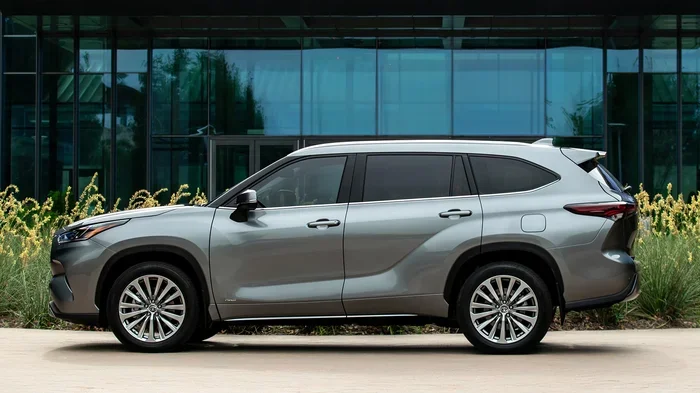
The Toyota Highlander is widely regarded as one of the most reliable SUVs on the road today. With strong consumer reports, excellent safety ratings, and a proven track record, this family SUV continues to earn top marks from owners and critics alike. However, like any vehicle, it has its quirks and common issues you should know about before buying.
Key Takeaways
- High Reliability Ratings: The Toyota Highlander consistently scores above average in reliability surveys from Consumer Reports and J.D. Power.
- Strong Resale Value: Highlanders hold their value exceptionally well compared to competing SUVs in the mid-size class.
- Proven Engine Options: Both the V6 and hybrid powertrains are known for durability and longevity when properly maintained.
- Common Issues Exist: Some owners report transmission concerns, infotainment glitches, and minor oil consumption in older models.
- Affordable Maintenance: Routine maintenance costs are lower than the segment average, making long-term ownership more affordable.
- Great Family SUV: The spacious interior, third-row seating, and safety features make it ideal for families.
- Hybrid Option Adds Efficiency: The hybrid version offers excellent fuel economy without sacrificing performance or reliability.
📑 Table of Contents
- Are Toyota Highlanders a Reliable Vehicle? Here’s What You Need to Know
- Understanding Toyota Highlander Reliability
- Common Toyota Highlander Problems
- Toyota Highlander Maintenance Costs
- Engine Options and Performance
- Safety Features and Ratings
- Toyota Highlander Resale Value
- Is the Toyota Highlander Worth Buying?
Are Toyota Highlanders a Reliable Vehicle? Here’s What You Need to Know
Are Toyota Highlanders a reliable vehicle? This is a question that crosses the minds of many car shoppers looking for a dependable family SUV. The short answer is yes. The Toyota Highlander has built a strong reputation over the years for durability, low repair costs, and long-lasting performance. But reliability isn’t just about a brand name. It involves real-world ownership experiences, mechanical details, and long-term ownership costs.
In this guide, we’ll break down everything you need to know about Toyota Highlander reliability. We’ll cover common problems, maintenance costs, engine options, safety features, and whether this popular SUV is truly worth your hard-earned money. Whether you’re buying new or used, this article will help you make an informed decision.
Toyota has long been a leader in the reliable cars from Japan category. Brands like Honda, Toyota, and Nissan consistently rank at the top of reliability surveys. The Highlander sits proudly in Toyota’s SUV lineup and competes with the likes of the Honda Pilot, Ford Explorer, and Chevrolet Traverse. But how does it stack up in real life? Let’s dive in.
Understanding Toyota Highlander Reliability
When we talk about Toyota Highlander reliability, we’re looking at several key factors. These include long-term durability, frequency of repairs, severity of issues, and overall owner satisfaction. Toyota has designed the Highlander to be a low-maintenance vehicle that delivers consistent performance year after year.
What Makes the Highlander Reliable?
Several things contribute to the Highlander’s strong reliability score. First, Toyota uses proven powertrain designs that have been tested over millions of miles. The engines are simple, well-built, and don’t rely on overly complex technology that breaks down frequently. This conservative engineering approach is a hallmark of Toyota’s design philosophy.
Second, the Highlander shares many components with other Toyota models. This means parts are widely available and mechanics are familiar with the vehicle. Are cars from Japan reliable? Generally speaking, yes. Japanese manufacturers focus on precision engineering and quality control. The Highlander benefits from this tradition.
Third, Toyota offers a strong warranty package. The basic warranty covers 3 years or 36,000 miles. The powertrain warranty extends to 5 years or 60,000 miles. This gives owners peace of mind during the early years of ownership. It also reflects Toyota’s confidence in the vehicle’s durability.
Reliability Ratings From Trusted Sources
Independent reliability ratings paint a very positive picture of the Highlander. Consumer Reports consistently gives the Highlander a above-average reliability score. J.D. Power ratings also place it near the top of the mid-size SUV category. These ratings are based on real owner feedback and extensive testing data.
Over the past decade, the Highlander has rarely appeared on lists of the worst vehicles. It’s also been recognized in various “best buy” and “top pick” categories by automotive publications. This consistency is what separates the Highlander from competitors that may have good years but also bad ones.
Common Toyota Highlander Problems
No vehicle is perfect. Even the most reliable cars can have issues. Understanding the Toyota Highlander problems that owners have reported helps you make a smarter buying decision. Here are the most commonly reported issues.
Transmission Concerns
Some owners of older Highlanders have reported transmission hesitation or rough shifting. This is more common in models from the early 2010s. The 8-speed automatic transmission in newer models has been much more refined. If you’re buying a used Highlander, it’s wise to have the transmission inspected carefully.
Transmission issues can be expensive to repair. However, they are relatively rare in the Highlander compared to some competitors. Regular fluid changes can help prevent many transmission problems. This is one of the most important Toyota Highlander maintenance tasks you can do.
Infotainment System Glitches
The Toyota infotainment system has received mixed reviews over the years. Some owners report screen freezes, slow response times, and Bluetooth connectivity issues. These are more annoying than serious, but they can be frustrating on a daily basis.
Newer model years have addressed many of these issues with updated software and hardware. If you’re shopping for a used Highlander, look for models with the newer infotainment system. It’s a simple upgrade that makes a big difference in daily usability.
Minor Oil Consumption
A small number of Highlander owners have noticed increased oil consumption, particularly in V6 models. This is not a widespread issue, but it’s worth monitoring. Checking your oil level regularly and staying on top of oil changes can help prevent any related problems.
Toyota has addressed oil consumption concerns in some model years through technical service bulletins. If you own a Highlander and notice low oil levels between changes, have a mechanic inspect it promptly. Catching this early can prevent more serious engine damage.
Toyota Highlander Maintenance Costs
One of the biggest advantages of owning a Toyota Highlander is the low cost of ownership. Routine maintenance is straightforward and affordable. Here’s what you can expect over the life of the vehicle.
Routine Maintenance Schedule
Toyota recommends oil changes every 5,000 to 10,000 miles depending on driving conditions. The Highlander uses conventional or synthetic oil, and the filter is easy to access. Brake pads typically last 30,000 to 50,000 miles. Tires should be rotated every 5,000 to 7,500 miles.
Here’s a quick look at typical maintenance costs:
- Oil Change: $50 to $80
- Brake Pad Replacement: $250 to $400
- Tire Rotation: $30 to $50
- Cabin Air Filter: $40 to $60
- Major Service at 60,000 Miles: $400 to $700
These costs are below the average for mid-size SUVs. Toyota parts are also reasonably priced compared to luxury brands. The widespread availability of Toyota parts means you’re not limited to dealership service. Many independent mechanics are very familiar with the Highlander.
Long-Term Ownership Costs
When you look at 10-year ownership costs, the Highlander shines. According to data from various automotive sources, the average 10-year maintenance cost for a Highlander is around $8,000 to $10,000. This is competitive with other reliable SUVs in the class. The Toyota Highlander lifespan can easily reach 200,000 miles or more with proper care.
Compared to vehicles from domestic brands or European manufacturers, the Highlander often comes out ahead on long-term costs. Fewer repairs mean less money spent in the shop. And when repairs are needed, they tend to be less expensive than on more complex vehicles.
Engine Options and Performance
The Toyota Highlander offers two main powertrain options. Each has its own strengths when it comes to reliability and performance. Understanding these options helps you choose the right Highlander for your needs.
The V6 Engine
The traditional V6 engine has been the backbone of the Highlander lineup for years. This 3.5-liter V6 produces around 295 horsepower. It provides smooth, confident acceleration and adequate towing capacity. The V6 is known for its durability and has been proven in many Toyota models over the years.
The V6 is a naturally aspirated engine, which means it doesn’t use turbocharging. This design choice reduces complexity and potential failure points. Fewer components that can go wrong means fewer trips to the repair shop. This is a key reason why Toyota Highlanders are considered so reliable.
The Hybrid Powertrain
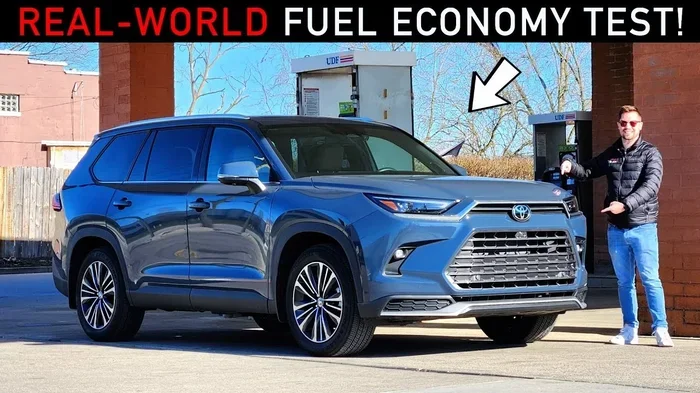
The Highlander Hybrid combines a 2.5-liter four-cylinder engine with electric motors. The result is a combined system output of around 243 horsepower. The hybrid system is designed for efficiency, delivering an estimated 36 mpg combined. This is excellent for a vehicle of this size.
The hybrid powertrain adds complexity, but Toyota has refined this technology over many years. The hybrid battery is warrantied for 8 years or 10,000 miles. Many owners report that the hybrid system is just as reliable as the conventional powertrain. The electric motor also reduces wear on the brakes and engine, which can extend component life.
Does Sport Mode Make a Car Faster?
The Highlander does offer a sport mode on some trims. This mode adjusts throttle response and shift points for more spirited driving. However, it doesn’t fundamentally change the vehicle’s performance capabilities. If you’re looking for a truly sporty SUV, the Highlander might not be the best fit. But for daily driving, sport mode adds a nice touch of responsiveness. If you want to learn more about how sport mode affects vehicle performance, check out our article on Does Sport Mode Make a Car Faster.
Safety Features and Ratings
Safety is a top priority for most SUV buyers, and the Highlander delivers. Toyota equips the Highlander with a comprehensive suite of safety features as standard or available on most trims.
Toyota Safety Sense
Toyota Safety Sense is a collection of active safety technologies that come standard on the Highlander. This includes pre-collision braking with pedestrian detection, lane departure warning, adaptive cruise control, and automatic high beams. These features work together to help prevent accidents before they happen.
The IIHS (Insurance Institute for Highway Safety) has given the Highlander a Top Safety Pick+ rating. This is the highest safety rating awarded by the IIHS. The NHTSA (National Highway Traffic Safety Administration) has also given the Highlander a 5-star overall safety rating. These top scores reflect the vehicle’s strong structure and advanced safety systems.
Third-Row Safety
The Highlander’s third-row seating is a major selling point for families. Toyota has designed the third row with proper head restraints and seat belts for all occupants. Latch systems for child seats are available in both the second and third rows. This attention to safety detail makes the Highlander a strong choice for growing families.
Toyota Highlander Resale Value
One of the biggest advantages of buying a Toyota is the resale value. Highlanders hold their value remarkably well. On average, a Highlander retains about 60% of its value after 5 years and around 40% after 10 years. This is well above the segment average.
Several factors contribute to this strong resale value. The Highlander’s reputation for reliability draws buyers. The comfortable interior and spacious layout appeal to families. And the Toyota brand carries strong trust and recognition in the used car market.
If you’re considering whether to lease or buy, it’s worth noting that high resale value benefits buyers more than lessees. Leasing a car can be convenient, but you won’t benefit from the equity that comes with ownership. To learn more about how leasing affects your finances, read our article on Does Leasing A Car Affect Your Credit.
Is the Toyota Highlander Worth Buying?
After looking at all the factors, the answer is clear. The Toyota Highlander is a reliable vehicle that delivers on nearly every front. It offers strong reliability ratings, low maintenance costs, excellent safety features, and great resale value. Whether you choose the V6 or the hybrid, you’re getting a well-engineered SUV that will serve you well for years.
Are there drawbacks? Like any vehicle, the Highlander isn’t perfect. The infotainment system can be dated on older models. Some competitors offer more powerful engines or more luxurious interiors. And the driving experience is more comfort-oriented than sporty. But for most families, these minor shortcomings are far outweighed by the benefits.
If you’re in the market for a dependable family SUV, the Toyota Highlander should be at the top of your list. It’s a vehicle that asks little of you and gives back years of reliable service. With proper maintenance and care, a Highlander can easily become a long-term companion on your journeys.
Before making your final decision, consider test-driving a Highlander alongside its competitors. Pay attention to the driving feel, interior comfort, and technology features. Also, check the specific model year you’re considering for any known issues. Armed with this knowledge, you’ll be well-prepared to make the best choice for your family and your budget.
Toyota has once again delivered a vehicle that earns its reputation. The Highlander stands as proof that reliable cars from Japan continue to lead the automotive world. If reliability is your priority, this SUV won’t disappoint.
Frequently Asked Questions
How long does a Toyota Highlander last?
With proper maintenance, a Toyota Highlander can easily last 200,000 miles or more. Many owners report reaching 250,000 miles with only routine repairs. The key is staying on top of oil changes, fluid flushes, and brake inspections. Regular care dramatically extends the vehicle’s lifespan.
What is the most common problem with the Toyota Highlander?
The most commonly reported issue involves the infotainment system, particularly in older model years. Some owners also experience minor transmission hesitation in earlier generations. However, these problems are relatively rare and rarely lead to costly repairs. Overall, the Highlander has a strong track record of dependability.
Is the Toyota Highlander hybrid as reliable as the V6?
Yes, the Highlander Hybrid is considered just as reliable as the V6 version. Toyota has refined its hybrid technology over many years, and the system is proven and durable. The hybrid battery is covered by an 8-year warranty, adding extra peace of mind. Both powertrain options are excellent choices for long-term ownership.
How often does a Toyota Highlander need major service?
Major services are typically needed at 30,000, 60,000, and 120,000-mile intervals. These services include fluid changes, filter replacements, and inspections of key components. Staying current with the maintenance schedule helps prevent unexpected breakdowns. It also keeps the vehicle running at peak efficiency.
Can you register a car without a title in Massachusetts?
While not directly related to the Highlander, some buyers wonder about title requirements when purchasing a used vehicle. If you’re buying from a private party and the seller doesn’t have a clear title, the process can be complicated. For Massachusetts-specific rules, check our guide on Can You Register A Car Without A Title In Massachusetts to understand the requirements before purchasing.
Is the Toyota Highlander a good family SUV?
Absolutely. The Highlander is one of the best family SUVs on the market. It offers spacious seating for up to eight passengers, a user-friendly infotainment system, and a long list of standard safety features. The comfortable ride and quiet cabin make it ideal for road trips and daily commutes alike.
=== CONCLUSION ===
The Toyota Highlander earns its place as one of the most reliable vehicles in the mid-size SUV segment. From strong reliability ratings to low maintenance costs and excellent resale value, this SUV delivers on every promise Toyota makes. Whether you’re a first-time SUV buyer or looking to replace your current vehicle, the Highlander is a smart, dependable choice that will serve your family well for years to come.