Does Unplugging the ECU Reset It You Really Need to Know
Unplugging the ECU does not always reset it the way many drivers think. While removing power can clear some fault codes, the ECU may retain learned adaptations and stored data. This guide explains exactly what happens when you unplug the ECU, how to properly reset it, and whether it is worth doing yourself.
Many car owners wonder whether simply unplugging the ECU will reset it. The short answer is: it depends on your vehicle, the type of ECU, and what you are trying to achieve. Some drivers unplug the ECU to clear a check engine light. Others do it hoping to fix a rough idle or a stalling problem. But does this simple trick actually work?
The truth is more complicated than most people think. Your car’s engine control unit is a small computer that stores a lot of data. It keeps track of fuel trim values, idle speed learned values, and fault codes. When you unplug it, some of that data goes away. But not all of it. In this article, we will walk you through exactly what happens when you unplug the ECU, whether it truly resets, and what you should do instead.
Whether you are dealing with a stubborn check engine light or you just want to understand your car better, this guide has you covered. We will cover the science behind ECU memory, the right way to reset it, and common mistakes to avoid. Let us get into it.
Key Takeaways
- Unplugging the ECU does not fully reset it: some data persists even after power loss.
- Disconnecting the battery is a common method: but it may not clear all stored codes.
- ECU relearning takes time: your car needs a drive cycle to adapt after a reset.
- Clearing error codes does not fix the root cause: always diagnose the real problem first.
- Modern vehicles store data in multiple places: unplugging one component may not clear everything.
- Professional tools are more reliable: an OBD-II scanner gives a full and accurate reset.
- Safety matters: follow proper steps to avoid electrical damage when working on your car.
📑 Table of Contents
- What Is the ECU and Why Does It Matter?
- Does Unplugging the ECU Actually Reset It?
- How to Properly Reset the ECU
- When Should You Reset the ECU?
- Common Mistakes When Resetting the ECU
- Can You Drive Your Car After Resetting the ECU?
- Do You Need Professional Help to Reset the ECU?
- Frequently Asked Questions
- Final Thoughts
What Is the ECU and Why Does It Matter?
The ECU, or engine control unit, is the brain of your car’s engine. It monitors sensors, controls fuel injection, manages ignition timing, and adjusts the air-fuel mixture. Without a working ECU, your car simply would not run properly.
How the ECU Controls Your Engine
Your ECU receives information from dozens of sensors. These sensors measure things like engine temperature, oxygen levels, throttle position, and crankshaft speed. Based on this data, the ECU makes real-time adjustments. It decides how much fuel to inject and when to fire the spark plugs. All of this happens in milliseconds.
Over time, the ECU also learns your driving habits. It adapts to things like your preferred driving style, the altitude you live at, and the quality of fuel you use. These learned values are stored in the ECU memory. This is called adaptation or learned parameters.
Why the ECU Stores Data
The ECU stores data for a reason. It keeps a record of every fault code it has ever detected. It also stores freeze frame data, which captures engine conditions at the exact moment a fault occurred. This information is incredibly useful for diagnosing problems. So when you think unplugging the ECU clears everything, that is only partially true.
Does Unplugging the ECU Actually Reset It?
This is the big question, and the answer is not a simple yes or no. When you unplug the ECU, you cut power to the unit. This can clear some temporary data. But permanent or long-term stored data often remains. Let us break this down.
What Gets Cleared When You Unplug
When you disconnect power to the ECU, certain things do get wiped. Short-term fuel trims may reset. Temporary fault codes can clear. Some idle learn values may go back to default. If your check engine light was triggered by a one-time event, unplugging might turn it off.
However, this is not guaranteed. Many modern vehicles have backup power circuits. These circuits keep the ECU memory alive even when the ignition is off. So unplugging the ECU connector may not clear everything you expect.
What Stays After Unplugging
Here is where it gets tricky. Long-term fuel trims, learned idle values, and certain adaptive settings often survive a power loss. The ECU may store these in a different memory chip or a non-volatile memory section. This means the data persists even without power.
Also, hard fault codes related to permanent failures will come back. If your oxygen sensor is failing, unplugging the ECU will not fix it. The moment you reconnect power, the ECU will detect the problem again. The check engine light will return.
Some drivers unplug the ECU hoping to fix a car won’t start and no noise what it means issue. While a reset might help in some cases, it is not a guaranteed fix for starting problems. The underlying cause needs to be addressed.
How to Properly Reset the ECU
If unplugging the ECU is not the best approach, what is? There are several methods to properly reset your ECU. Each method has its own advantages and limitations. Let us go through them.
Method 1: Disconnect the Battery
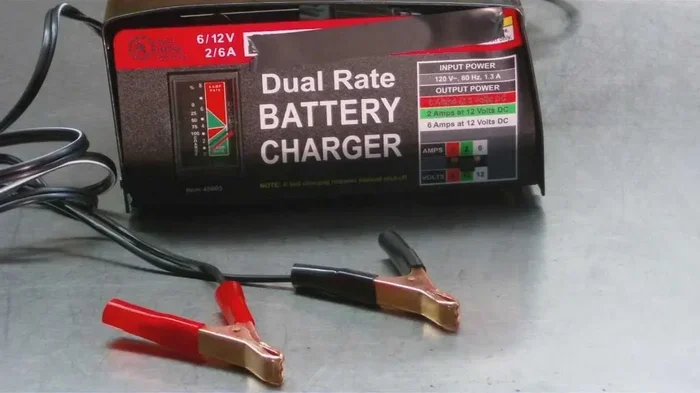
The most common method is disconnecting the car battery. You remove the negative terminal, wait for a few minutes, and then reconnect it. This cuts power to the entire electrical system, including the ECU.
This method works better than unplugging the ECU alone because it drains the capacitors in the system. Capacitors can hold a small charge that keeps some memory alive. By waiting 15 to 30 minutes, you ensure most of that charge dissipates.
However, disconnecting the battery also resets other systems. Your radio presets, clock, and power window settings may need to be reprogrammed. Some vehicles also need a relearn procedure for the throttle body after a battery disconnect.
Method 2: Use an OBD-II Scanner
The best and most reliable way to reset the ECU is with an OBD-II scanner. This tool connects to your car’s diagnostic port. It can read and clear fault codes, reset the check engine light, and in some cases, clear adaptation values.
An OBD-II scanner gives you much more control. You can choose which codes to clear and which to keep. You can also view live data from sensors before and after the reset. This helps you verify whether the problem is truly fixed.
Many auto parts stores offer free OBD-II scanning. You can also buy a basic scanner for under $50. It is a worthwhile investment for any car owner.
Method 3: Drive Cycle Reset
After clearing codes or resetting the ECU, you need to complete a drive cycle. A drive cycle is a specific set of driving conditions that allow the ECU to relearn and recalibrate. It typically involves cold starts, idling, highway driving, and steady acceleration.
Each vehicle has its own drive cycle requirements. You can usually find these in the service manual. Completing the drive cycle properly ensures the ECU relearns accurate values and does not throw codes again right away.
When Should You Reset the ECU?
Not every situation calls for an ECU reset. Here are some common scenarios where it makes sense and some where it does not.
Situations Where a Reset Helps
- After replacing a sensor: if you just replaced a faulty oxygen sensor or MAP sensor, a reset helps the ECU relearn.
- Clearing temporary fault codes: sometimes a code appears due to a one-time event like a loose gas cap.
- After battery replacement: some vehicles benefit from a reset after a new battery is installed.
- Before an emissions test: clearing codes and completing a drive cycle can help your car pass.
Situations Where a Reset Does Not Help
- Mechanical problems: if your engine has a physical issue, a reset will not fix it.
- Wiring or harness problems: damaged wires need repair, not a reset.
- Failing components: a bad catalytic converter or failing fuel pump will trigger codes again.
- Software issues: some ECU problems require a software update from the dealer.
If you are dealing with a situation where your car stalls or fails to start right after turning it off, an ECU reset may help in some cases. However, it is important to first understand the root cause. You can read more about this in our article on car won’t start right after turning it off.
Common Mistakes When Resetting the ECU
Many people make mistakes when trying to reset their ECU. These mistakes can cause more harm than good. Here are the most common ones to avoid.
Mistake 1: Resetting Without Diagnosing First
The biggest mistake is clearing codes without knowing what caused them. A check engine light is a symptom, not a diagnosis. If you reset the ECU without fixing the problem, the light will just come back. You will also waste time and money.
Always read the fault codes first. Understand what they mean. Then fix the underlying issue. Only reset the codes after the repair is complete.
Mistake 2: Not Completing the Drive Cycle
After a reset, your ECU needs time to relearn. If you drive normally right away, the ECU may not have enough data to make accurate adjustments. This can lead to poor fuel economy, rough idle, or new codes appearing.
Take the time to complete a proper drive cycle. It usually takes one to two days of mixed driving. Be patient and let the ECU do its job.
Mistake 3: Disconnecting the Wrong Terminal
When disconnecting the battery, always remove the negative terminal first. Removing the positive terminal can cause sparks and potentially short-circuit components. Always reconnect the positive terminal first when you are done.
Mistake 4: Expecting a Magic Fix
Some drivers hope that an ECU reset will solve all their problems. It will not. The ECU is a tool that manages the engine. It cannot fix worn parts, clogged filters, or failing components. Set realistic expectations.
Can You Drive Your Car After Resetting the ECU?
Yes, you can drive your car after resetting the ECU. In fact, driving is an important part of the reset process. The ECU needs to relearn values as you drive. But there are a few things to keep in mind.
For the first few miles after a reset, drive gently. Avoid hard acceleration and high speeds. Let the engine warm up fully before driving. This gives the ECU time to start building new adaptation values.
If you notice rough idle, hesitation, or stalling after a reset, do not panic. These symptoms are common as the ECU relearns. They usually go away after a few drive cycles. However, if the problems persist, there may be an underlying issue that a reset did not fix.
Also, be aware that some vehicles enter a limp mode after an ECU reset. Limp mode limits engine power to protect the drivetrain. It is a safety feature. The mode usually exits after the ECU completes its relearn process.
For questions about driving after certain car issues, check out our guide on can I drive my car after it overheats for related advice on post-problem driving safety.
Do You Need Professional Help to Reset the ECU?
For most drivers, resetting the ECU is a DIY task. You do not need to visit a mechanic. A basic OBD-II scanner or a simple battery disconnect is all you need. But there are times when professional help is the better choice.
If your vehicle requires a specialized ECU programming tool, a DIY reset may not be enough. Some modern cars need dealer-level software to fully reset the ECU. This is especially true for hybrid and electric vehicles with complex powertrain control modules.
Additionally, if you are dealing with persistent codes or recurring problems, a professional diagnostic session is worth the investment. A mechanic can use advanced tools to read live data, perform active tests, and pinpoint the exact cause of the problem.
Trying to fix an ECU issue yourself when you lack the right tools can sometimes make things worse. Always know your limits. When in doubt, consult a trusted mechanic.
Frequently Asked Questions
How long does it take for the ECU to reset after unplugging?
The ECU resets immediately when power is restored after unplugging. However, it takes several drive cycles for the ECU to fully relearn and adapt. This process usually takes one to three days of normal driving. During this time, you may notice slight changes in idle quality or fuel economy.
Will unplugging the ECU clear the check engine light?
In many cases, yes. Unplugging the ECU or disconnecting the battery can clear the check engine light temporarily. But if the underlying problem is not fixed, the light will come back. The ECU detects the issue again during its next monitoring cycle. Always fix the root cause before clearing codes.
Can unplugging the ECU damage my car?
Unplugging the ECU is generally safe and will not damage your car. However, you should always turn off the ignition and remove the key before disconnecting any electrical components. Avoid working on the ECU while the engine is running. Follow proper safety procedures to prevent electrical shorts or damage to sensitive electronics.
Do I need a special tool to reset the ECU?
No, you do not need a special tool for a basic reset. Disconnecting the battery for 15 to 30 minutes is the simplest method. However, an OBD-II scanner is highly recommended. It allows you to read and clear specific codes, view live sensor data, and verify the reset was successful. A basic scanner costs around $30 to $50.
Will resetting the ECU erase my car’s radio or settings?
Yes, disconnecting the battery to reset the ECU can erase radio presets, clock settings, and power window calibration. Some vehicles also require a security code to unlock the radio after a battery disconnect. Check your owner’s manual for specific instructions on restoring settings after a reset.
How often should you reset the ECU?
You should not reset the ECU regularly. There is no benefit to resetting it as a maintenance task. Only reset the ECU when you have completed a repair, replaced a component, or cleared a fault code after the problem is fixed. Frequent resets can disrupt the ECU’s learned values and cause temporary drivability issues.
Final Thoughts
So, does unplugging the ECU reset it? The answer is yes, but only partially. Unplugging the ECU can clear some temporary data and fault codes. But it does not erase everything. Long-term adaptations, learned values, and permanent fault codes may survive a power loss.
If you want a full and reliable reset, disconnecting the battery or using an OBD-II scanner is the better approach. These methods ensure that the ECU loses all stored data and starts fresh. Always remember to fix the underlying problem before clearing any codes. A reset is not a cure, it is a tool.
Take care of your ECU, and it will take care of your engine. Keep up with regular maintenance, address warning lights promptly, and use the right tools for the job. Your car will reward you with reliable performance for years to come.