The Ultimate Car Log Book Format Guide for Everyone
A car log book format is the structured way you organize and record every detail about your vehicle’s maintenance, repairs, mileage, and expenses. This guide walks you through everything you need to know, from essential elements to ready-to-use templates. Whether you are a new car owner or a seasoned driver, the right log book format keeps your records clean, your car running well, and your resale value high.
Owning a car comes with a lot of responsibility. You need to keep up with oil changes, tire rotations, brake inspections, and so much more. But how do you keep track of all that? The answer is simple. You use a car log book format. A well-organized car log book format acts as your vehicle’s personal diary. It records every service, every repair, and every penny you spend on your car. In this guide, we will walk you through everything you need to know about the car log book format. We will cover why it matters, what to include, and how to set one up today.
Whether you drive a brand-new sedan or a trusty old truck, a car log book format works for you. It does not matter if you are a first-time car owner or have been driving for decades. A structured car log book format keeps all your vehicle details in one easy-to-find place. Think of it as a health report card for your car. Just like you visit the doctor for checkups, your car needs regular attention too. And just like a doctor’s visit, you need to record what happened. That is exactly what a car log book format does.
Key Takeaways
- A proper car log book format tracks maintenance, mileage, fuel costs, and repairs in one place.
- Using a structured log book format protects your vehicle warranty and boosts resale value.
- You can choose from digital templates, printable sheets, or custom-built formats to suit your needs.
- Recording odometer readings and service dates regularly makes car ownership simpler and stress-free.
- Avoiding common mistakes like skipping entries or losing receipts keeps your log book reliable.
- A fuel log format and expense tracker within your log book help you budget better.
- Starting your car log book format today saves you time and money in the long run.
📑 Table of Contents
What Is a Car Log Book Format?
A car log book format is a system for recording all the important details about your vehicle. It tracks maintenance schedules, repair history, fuel purchases, insurance details, and mileage readings. The car log book format can be as simple as a printed spreadsheet or as detailed as a digital app with reminders and charts. The goal is the same. You want a clear, organized record of everything related to your car.
Many people confuse a car log book format with a service booklet. While they are similar, there is a key difference. A service booklet is usually provided by the manufacturer and follows a strict format. A car log book format is your own personal system. You customize it to fit your needs. This gives you much more flexibility and control over your vehicle records.
Why Does a Car Log Book Format Matter?
A car log book format matters for several important reasons. First, it helps you stay on top of your maintenance schedule. When you log every oil change and tire rotation, you never miss a service. Second, it protects your warranty. Many manufacturers require proof of regular maintenance. A detailed car log book format provides that proof instantly. Third, it boosts your car’s resale value. Buyers love a vehicle with a complete service history. A well-kept car log book format shows them you took great care of the car.
Beyond these big benefits, a car log book format also helps with budgeting. When you track every fuel purchase and repair cost, you can spot spending patterns. Maybe you notice your car costs more in winter. Or perhaps a certain part needs replacing more often than expected. These insights help you plan ahead and avoid surprises. A car log book format turns scattered receipts and vague memories into clear, useful data.
Essential Elements of a Car Log Book Format
A good car log book format includes several key elements. Each element plays a role in creating a complete picture of your vehicle’s history. Let us break down what you should include.
Vehicle Identification Details
Every car log book format should start with your vehicle’s basic information. This includes the make, model, and year. You should also record the Vehicle Identification Number, or VIN. The VIN is unique to your car, like a fingerprint. Add your license plate number and registration details too. These basics make it easy to identify which vehicle the log book belongs to, especially if you own more than one car.
Mileage and Odometer Readings
Recording your odometer reading is one of the most important parts of any car log book format. Every time you visit a mechanic or fill up your tank, note the mileage. This helps you track how many miles you drive between services. It also helps you predict when the next maintenance is due. Most manufacturers recommend service intervals based on mileage. Your car log book format makes it easy to follow those recommendations.
Service and Maintenance Records
Your car log book format should log every service and maintenance task. This includes oil changes, brake pad replacements, tire rotations, and battery checks. For each entry, record the date, the mileage, the type of service, and who performed it. If you had work done at a dealership, note the service advisor’s name. If you did it yourself, write that down too. Every detail matters when it comes to your car service history.
Repair Records and Invoices
Repairs happen. Cars break down, parts wear out, and things need fixing. Your car log book format should capture every repair. Include the date, the problem description, the parts replaced, and the labor cost. If you kept the invoice, note that too. These repair records are valuable for warranty claims and insurance disputes. They also give potential buyers confidence in the vehicle’s condition.
Fuel and Expense Tracking
A car log book format is not just about maintenance. It is also about money. Tracking your fuel purchases and other expenses gives you a clearer picture of your total cost of ownership. A fuel log format within your log book lets you record the date, gallons or liters purchased, price per unit, and total cost. Over time, you can calculate your average fuel economy and spending. This is incredibly useful for budgeting and planning.
Insurance and Registration Details
Do not forget to include your insurance and registration information in your car log book format. Record your policy number, the insurance provider, and the renewal date. Note your registration expiration date as well. Having all this in one place makes life much easier during renewals or after an accident. A car log book format that includes these details is truly comprehensive.
Different Types of Car Log Book Formats
Not all car log book formats are the same. Different drivers have different needs, and there are several options to choose from. Let us look at the most popular types.
Printable Log Book Templates
A printable log book template is one of the simplest ways to start. You can find free templates online or create your own in Excel or Google Sheets. These templates usually include pre-set columns for date, mileage, service type, and cost. You print them out and fill them in by hand. This format works well for people who prefer a physical, tangible record. It is also great for those who are not comfortable with technology.
Digital Spreadsheet Formats
A digital spreadsheet format offers more flexibility than a printable template. You can use Microsoft Excel, Google Sheets, or any similar tool. Digital formats let you add formulas that automatically calculate totals and averages. You can also sort and filter data easily. For example, you can quickly pull up all oil changes from the past year. A digital car log book format is easy to update and back up, which adds peace of mind.
Mobile App and Software Formats
If you want the most advanced option, consider a mobile app or software. Many apps are designed specifically for vehicle maintenance tracking. They send you reminders when service is due. They can even scan receipts and store them digitally. Some apps connect to your car’s onboard computer and pull data automatically. A digital app format is ideal for tech-savvy drivers who want convenience and automation in their car log book format.
Manufacturer Service Booklet Format
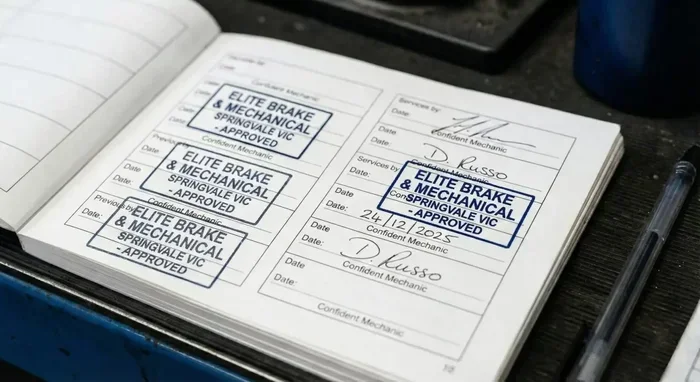
Many new cars come with a manufacturer service booklet. This is a pre-printed log that follows the brand’s recommended maintenance schedule. It is stamped or signed by the mechanic after each service. While this format is convenient, it is limited. It does not always include fuel tracking or expense details. Some owners use the service booklet alongside a personal car log book format to get the best of both worlds.
How to Create Your Own Car Log Book Format
Creating your own car log book format is easier than you might think. You do not need special software or technical skills. Follow these steps to build a format that works for you.
Step 1: Decide What You Want to Track
Start by deciding what matters most to you. Do you want to focus on maintenance and repairs? Or are you more interested in fuel costs and mileage? Make a list of the categories you want in your car log book format. Most people include vehicle details, mileage, service records, repair history, fuel log, and expenses. You can always add more later.
Step 2: Choose Your Format
Next, choose the format that suits your style. Do you prefer writing things down? Go with a printable template. Are you comfortable with spreadsheets? Build a digital one. Want automation and reminders? Try a mobile app. The best car log book format is the one you will actually use consistently.
Step 3: Set Up Your Columns and Fields
Now it is time to set up your columns. At a minimum, include fields for the date, mileage, service type, description, and cost. Add extra fields for things like the mechanic’s name, warranty status, and next service due date. Keep the layout clean and simple. A cluttered car log book format will discourage you from using it.
Step 4: Start Logging Right Away
The most important step is to start. Do not wait until something goes wrong with your car. Begin logging from today. Record your current mileage, note the date, and start building your history. Every entry you add now makes your car log book format more valuable over time. Think of it as planting a seed. The more you tend it, the more it grows.
Step 5: Review and Update Regularly
Make it a habit to review your car log book format at least once a month. Check for any missing entries or incomplete records. Update your maintenance schedule based on new readings and services. Regular reviews keep your log book accurate and useful. They also help you spot trends early, like rising fuel costs or frequent repairs.
Common Mistakes to Avoid in Your Car Log Book Format
Even with the best intentions, people make mistakes when maintaining their car log book format. Here are the most common ones and how to avoid them.
Skipping Entries
The biggest mistake is skipping entries. It is easy to forget to log a quick oil change or a fuel stop. But every missed entry creates a gap in your record. Over time, these gaps make your car log book format less reliable. Set a reminder on your phone to log entries after every service or fuel purchase. A few seconds of effort now saves hours of confusion later.
Losing Receipts
Receipts are proof of service and expense. Losing them weakens your record. If you cannot attach a receipt to an entry, at least note the amount, the service provider, and the date in your car log book format. For digital formats, take a photo of every receipt and save it in a dedicated folder. This simple habit keeps your documentation complete.
Using Inconsistent Formats
Inconsistency is the enemy of a good car log book format. If you use different abbreviations or date formats for each entry, your log becomes confusing. Pick a standard format and stick with it. Decide on a date format like MM/DD/YYYY and use it for every entry. Consistency makes your log book easy to read and search.
Forgetting to Update Insurance and Registration
It is easy to focus on maintenance and forget about insurance and registration. But these are important parts of your car log book format. Set reminders for renewal dates and update your log book promptly. This prevents lapses in coverage and keeps you on the right side of the law.
Not Backing Up Digital Records
If you use a digital format, always back up your data. Hard drives fail, phones get lost, and apps can shut down. Use cloud storage or email yourself a copy of your car log book format regularly. A backup ensures your records survive any technical mishap.
Expert Tips for Getting the Most from Your Car Log Book Format
Want to take your car log book format to the next level? Here are some expert tips that make a real difference.
First, use the car log book format to set reminders for upcoming services. If your manufacturer recommends an oil change every 5,000 miles, log the next due date right after you complete the current one. Second, add a notes section to each entry. Write down any unusual sounds, vibrations, or warnings. These details can help mechanics diagnose problems faster. Third, share your car log book format with your trusted mechanic. It gives them a complete picture of your car’s history, which leads to better service.
Another expert tip is to include a fuel economy section. Track your miles per gallon for each fill-up. Over time, you will notice if your fuel economy drops, which could signal a problem. A car log book format that includes fuel economy tracking is a powerful diagnostic tool. It turns simple record-keeping into proactive car care.
Finally, think of your car log book format as a long-term investment. The habits you build today pay off for years. When it is time to sell your car, a complete log book sets you apart from other sellers. It builds trust with buyers and often leads to a better price. A well-maintained car log book format is one of the simplest yet most valuable things you can do for your vehicle.
Conclusion
A car log book format is one of the simplest and most powerful tools a car owner can have. It keeps your maintenance on track, your expenses in check, and your vehicle’s history organized. From printable templates to digital apps, there is a car log book format that fits every lifestyle and budget. The key is to start, stay consistent, and make it a habit. Your future self, and your car, will thank you. Take a few minutes today to set up your car log book format. It is one of the smartest investments you can make in your vehicle’s health and your own peace of mind.
Frequently Asked Questions
What should a car log book format include?
A car log book format should include vehicle identification details, mileage readings, service and maintenance records, repair history, fuel purchases, insurance details, and registration information. The more complete your car log book format, the more useful it becomes over time.
Can I use a free template for my car log book format?
Absolutely. Many free templates are available online for Excel, Google Sheets, and printable formats. A free template gives you a great starting point for your car log book format. You can customize it to match your specific needs and preferences.
How often should I update my car log book format?
You should update your car log book format after every service, repair, fuel purchase, or insurance change. At a minimum, review and update it once a month. Regular updates keep your records accurate and helpful.
Is a digital car log book format better than a paper one?
Both have their advantages. A digital car log book format offers searchability, backups, and reminders. A paper format is simple and does not require technology. The best choice is whichever one you will use consistently.
Does a car log book format help with resale value?
Yes, it does. A complete car log book format shows buyers that the vehicle was well-maintained. This builds confidence and often leads to a higher resale price. Many buyers specifically look for a detailed service and maintenance history.
What is the difference between a car log book format and a service booklet?
A service booklet is provided by the manufacturer and follows their recommended schedule. A car log book format is your own personal system that you customize. You can use both together for the most complete record of your vehicle’s history.