2 Channel Car Amplifier Guide To Boost Your Car Sound
A 2 channel car amplifier is the simplest and most popular way to upgrade your car audio system. It powers two speakers and delivers cleaner, louder sound for music lovers on a budget. This guide covers everything from choosing the right wattage to installation tips and common mistakes to avoid.
You love your music. But when you turn up the volume in your car, the sound gets muddy and distorted. That is where a 2 channel car amplifier comes in. It is one of the easiest and most effective upgrades you can make to your vehicle. Whether you drive a sedan or a truck, adding a stereo amplifier to your setup can transform the way your music sounds on the road.
Many car owners stick with their factory stereo and never realize what they are missing. The built-in amp in most vehicles is weak and overpowered. It cannot push clean audio to your speakers the way an external unit can. A dedicated car audio amplifier gives your speakers the power they need to perform at their best. In this guide, we will walk you through everything you need to know about choosing, installing, and getting the most out of a 2 channel car amplifier.
Key Takeaways
- Power matters: Matching amplifier wattage to your speakers prevents damage and improves sound quality.
- Two main types exist: Class AB and Class D amplifiers each offer different benefits for car audio.
- Installation is easier than you think: Most people can set up a 2 channel car amplifier at home with basic tools.
- Signal quality counts: Using quality RCA cables and a proper ground reduces noise and interference.
- Built-in crossovers help: They direct the right frequencies to the right speakers for balanced sound.
- Budget options work well: You do not need to spend a fortune to get a great-sounding 2 channel car amplifier.
📑 Table of Contents
- What Is a 2 Channel Car Amplifier?
- Types of 2 Channel Car Amplifiers
- How to Choose the Right 2 Channel Car Amplifier
- Installation Guide for a 2 Channel Car Amplifier
- Common Mistakes to Avoid
- Benefits of Upgrading to a 2 Channel Car Amplifier
- Top Features to Look For in a 2 Channel Car Amplifier
- Maintenance Tips for Your Amplifier
- Conclusion
What Is a 2 Channel Car Amplifier?
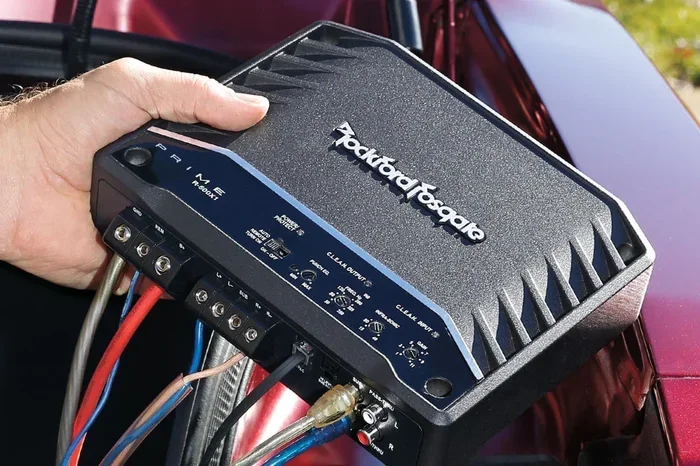
A 2 channel car amplifier is an audio device that takes a weak signal from your head unit and boosts it to drive two speakers. The word “channel” refers to the number of separate audio paths the amp can handle. Two channels means two independent outputs, one for the left speaker and one for the right speaker.
This setup is called a stereo configuration. It is the most common type of car audio setup on the market today. Most people use a stereo amplifier to power their front door speakers or their entire set of speakers in the car. Some drivers also pair a 2 channel amp with a subwoofer by bridging the two channels into one powerful mono signal.
How Does It Work?
Here is how a car audio amplifier works in simple terms. Your head unit sends a low-voltage audio signal through an RCA cable. The amplifier takes that small signal and increases its voltage and current. The boosted signal then travels to your speakers, making them vibrate and produce sound. The result is louder, cleaner, and more detailed audio than your factory stereo can ever deliver.
The quality of the amplification depends on several factors. These include the amplifier class, the signal-to-noise ratio, and the build quality of the internal components. A well-built 2 channel car amplifier will add clarity and depth to your music without introducing unwanted noise or distortion.
Types of 2 Channel Car Amplifiers
Not all amplifiers are created equal. Different amplifier classes use different technology to boost your audio signal. Understanding these differences helps you pick the right unit for your needs and budget.
Class AB Amplifiers
Class AB amplifiers are the most traditional type of stereo amplifier used in car audio. They use a combination of two conducting elements to amplify the signal. This design offers a great balance between sound quality and efficiency.
Class AB amps are known for their warm, rich sound. They handle mid-range frequencies and vocals beautifully. Many car audio enthusiasts prefer Class AB for their front speakers because the audio clarity is excellent. However, they do generate more heat than some other classes, which means they may need better ventilation in your vehicle.
Class D Amplifiers
Class D amplifiers use switching technology to amplify the signal. They are much more efficient than Class AB designs. This means they waste less energy as heat and deliver more power to your speakers.
Class D 2 channel car amplifier units are smaller and lighter too. This makes them ideal for cars with limited space. Modern Class D amps have improved significantly in sound quality. Many now rival Class AB units in terms of audio fidelity. If you want a compact, efficient, and powerful car audio amplifier, Class D is a great choice.
Class T Amplifiers
Class T amplifiers are a newer technology that combines elements of Class D efficiency with Class AB sound quality. They use feedback circuits to correct distortion in real time. Some premium 2 channel car amplifier brands use Class T technology to deliver exceptional sound in a small package.
How to Choose the Right 2 Channel Car Amplifier
Choosing the right amplifier can feel overwhelming with so many options available. But if you focus on a few key specs, the decision becomes much simpler.
Match Power to Your Speakers
The most important rule of buying a car audio amplifier is matching power. You need to look at two numbers: amplifier wattage and speaker power handling. The amplifier should deliver power close to the speaker’s maximum handling capacity. If the amp is too weak, your speakers will not perform well. If the amp is too powerful, you risk blowing your speakers.
For example, if your speakers handle 75 watts RMS each, you want a 2 channel car amplifier that delivers around 75 to 150 watts RMS per channel. RMS stands for Root Mean Square and it measures continuous power. This is the number that matters most when matching components.
Check the Signal-to-Noise Ratio
The signal-to-noise ratio measures how clean your amplifier’s output is. A higher number means less background noise and hiss. Look for a stereo amplifier with a signal-to-noise ratio of at least 100 dB. This ensures your music sounds clear and free from unwanted electrical noise.
Consider Built-In Crossovers
A built-in crossover is a feature that splits audio frequencies and sends them to the right speakers. High-pass crossovers send treble frequencies to tweeters. Low-pass crossovers send bass frequencies to woofers or subwoofers. A good 2 channel car amplifier with adjustable crossovers gives you more control over your sound.
Think About Size and Installation Space
Not all cars have plenty of room for amplifier installation. Compact Class D units fit easily behind seats or under seats. Larger Class AB amps may require mounting in the trunk. Measure your available space before you buy. Make sure the car audio amplifier you choose will fit comfortably in your vehicle.
Budget Considerations
You can find a decent 2 channel car amplifier for as little as 100 to 200 dollars. Mid-range units between 200 and 400 dollars offer better build quality and sound performance. High-end amplifiers above 400 dollars deliver premium audio clarity and durability. Set a realistic budget and focus on getting the best quality within your price range.
Installation Guide for a 2 Channel Car Amplifier
Installing a 2 channel car amplifier is easier than most people think. You do not need to be a professional mechanic to do it. With the right tools and a little patience, you can complete the job in a few hours.
What You Will Need
Before you start, gather these tools and materials:
- 2 channel car amplifier unit
- Speaker wire (gauge depends on amplifier power)
- RCA cables for audio signal
- Power wire (usually 4-gauge or 8-gauge)
- Ground wire
- Remote turn-on wire
- Fused power distribution block
- Wire crimps and connectors
- Socket wrench and screwdrivers
- Wire stripper
- Multimeter for testing
Step-by-Step Installation
Follow these steps to install your stereo amplifier safely and correctly.
Step 1: Disconnect the battery. Always disconnect the negative terminal of your car battery before working on any electrical system. This prevents short circuits and protects your vehicle.
Step 2: Run the power wire. Drill a hole in the firewall to pass the power wire from the engine bay into the cabin. Connect the power wire to the battery terminal through a fused distribution block. Use an appropriate gauge wire based on your amplifier’s power rating.
Step 3: Install the remote turn-on wire. This wire tells the amplifier to turn on when you start your car. Run it from the amplifier to the head unit’s remote output wire. Without this wire, your amplifier will drain your battery when the car is off.
Step 4: Connect the RCA cables. Run the RCA cables from your head unit’s output ports to the amplifier’s input ports. Keep RCA cables away from power wires to prevent interference and unwanted noise in your audio signal.
Step 5: Wire the speakers. Connect speaker wire from the amplifier’s output terminals to each speaker. Pay attention to positive and negative polarity. Reversed polarity can cause sound cancellation and weaken your audio output.
Step 6: Ground the amplifier. Connect the ground wire to a clean, bare metal surface on the car chassis. Sand off any paint or rust at the ground point to ensure a solid electrical connection. A poor ground is one of the most common causes of noise and buzzing in car audio systems.
Step 7: Test the system. Reconnect the battery and turn on the system. Play music at a low volume first. Check all speakers for proper sound output. Slowly increase the volume and listen for any distortion or unusual noise.
Quick Tips for a Clean Installation
- Use zip ties to organize wires and keep them neat.
- Keep power wires and signal wires separated by at least 12 inches.
- Use heat shrink tubing on all solder connections for durability.
- Label your wires at both ends so you can troubleshoot easily later.
- Never run power wires through the passenger cabin where they can snag or get damaged.
Common Mistakes to Avoid
Even experienced car audio enthusiasts make mistakes when setting up a 2 channel car amplifier. Avoid these common errors to get the best results from your system.
Mismatching Power Ratings
The biggest mistake people make is not matching amplifier power to speaker power. An overpowered amp can clip the audio signal and damage speakers. An underpowered amp forces speakers to work harder, which reduces their lifespan. Always check the RMS ratings of both your amplifier and speakers before connecting them.
Skipping the Fuse
Never install a car audio amplifier without a properly sized fuse. The fuse protects your wiring and your vehicle from electrical fires. Place the fuse as close to the battery as possible for maximum protection.
Poor Grounding
A bad ground connection causes buzzing, humming, and static noise. Always ground your amplifier to clean, unpainted metal. Remove any corrosion or paint from the contact surface. A solid ground is essential for clean audio clarity and reliable performance.
Using Wrong Wire Gauge
Thin wire cannot handle high current without overheating. Using the wrong gauge can cause voltage drops and even fire hazards. Refer to a wire gauge chart based on your amplifier’s power output and the length of the wire run.
Ignoring Impedance Matching
Impedance is measured in ohms and affects how much power your amplifier delivers. Wiring two 4-ohm speakers in parallel drops the total impedance to 2 ohms. This can cause some amplifiers to overheat or enter protection mode. Always check your amplifier’s minimum impedance rating before wiring your speakers.
Benefits of Upgrading to a 2 Channel Car Amplifier
Adding a 2 channel car amplifier to your vehicle offers many real-world benefits that you will notice every time you drive.
Better Sound Quality
The most obvious benefit is improved sound quality. A dedicated amplifier provides clean, undistorted power to your speakers. You will hear details in your music that your factory stereo never revealed. Vocals sound clearer, instruments sound more defined, and the overall audio clarity improves dramatically.
Louder Volume Without Distortion
Factory stereos often distort when you turn them up past halfway. A stereo amplifier gives you the headroom to play music at higher volumes without clipping or distortion. This is especially helpful on long road trips or when driving with windows down.
Better Speaker Performance
Even expensive speakers sound mediocre when driven by a weak factory amp. A car audio amplifier unlocks the true potential of your speakers. They can reproduce frequencies more accurately and respond better to dynamic changes in the music.
Improved Bass Response
If your car has a subwoofer or quality mid-range speakers, a 2 channel car amplifier gives them the power they need to produce deep, impactful bass. The bass boost feature on many amps lets you fine-tune low-frequency output to match your music preferences.
Better Value Than a New Head Unit
Replacing your entire head unit can be expensive and complicated. A 2 channel car amplifier is often a more affordable and simpler upgrade path. You keep your existing head unit and just add amplification. This approach works great for drivers who are happy with their current stereo interface but want better sound output.
Top Features to Look For in a 2 Channel Car Amplifier
When shopping for a 2 channel car amplifier, look for these features that make a real difference in performance and ease of use.
- Adjustable gain control: Lets you set the input sensitivity to match your head unit’s output level.
- Variable bass boost: Allows you to enhance low frequencies without an external subwoofer.
- High-pass and low-pass crossovers: Give you control over which frequencies reach which speakers.
- Remote level control: Lets you adjust volume or bass from a convenient location in your car.
- Thermal protection: Prevents the amplifier from overheating during heavy use.
- Short circuit protection: Protects both the amplifier and your speakers from electrical faults.
- LED indicators: Show power status, signal presence, and protection mode at a glance.
These features are not just nice to have. They help you get the most out of your 2 channel car amplifier and protect your investment for years to come.
Maintenance Tips for Your Amplifier
Once your 2 channel car amplifier is installed, a little maintenance goes a long way. Follow these simple tips to keep your amp performing at its best.
- Check connections regularly. Vibrations from driving can loosen wire connections over time. Inspect all terminals and tighten any loose connections every few months.
- Keep the amplifier ventilated. Ensure the cooling vents on your amp are not blocked by debris or insulation. Proper airflow prevents overheating and extends the lifespan of your car audio amplifier.
- Clean the terminals. Use a contact cleaner on the speaker wire terminals to prevent corrosion. Corroded terminals reduce signal transfer and can cause sound quality issues.
- Inspect the fuse periodically. A blown fuse is a sign of an underlying issue. Replace it with the correct amperage and investigate the cause if it blows again.
- Avoid running the amplifier at full volume for extended periods. This stresses the internal components and generates excess heat. Give your amp breaks during long listening sessions.
Conclusion
A 2 channel car amplifier is one of the best upgrades you can make to your vehicle’s audio system. It is affordable, easy to install, and delivers a noticeable improvement in sound quality. Whether you are a casual listener or a music enthusiast, adding a stereo amplifier to your car opens up a whole new level of audio enjoyment.
Take the time to choose the right amplifier for your speakers and your budget. Follow proper installation steps and avoid common wiring mistakes. Maintain your unit with regular checks and clean connections. With the right 2 channel car amplifier, every drive becomes a better listening experience. Your ears will thank you every time you hit the road.
Start your upgrade today. Pick the right car audio amplifier, follow this guide, and enjoy the music your car was always meant to deliver.
Frequently Asked Questions
Can I bridge a 2 channel car amplifier to power a subwoofer?
Yes, most 2 channel car amplifier units can be bridged to combine both channels into a single mono output. This is useful for powering a subwoofer. Check your amplifier’s manual for bridging instructions and the resulting impedance requirements. Bridging typically doubles the wattage output on one channel.
What gauge wire do I need for a 2 channel car amplifier?
The wire gauge depends on your amplifier’s power output and the length of the wire run. For amplifiers under 100 watts RMS, 16 or 14-gauge wire usually works. For 100 to 300 watts, use 12 or 10-gauge wire. Always use thick enough wire to handle the current safely and prevent voltage drops.
Is a 2 channel car amplifier better than a 4 channel amplifier?
It depends on your setup. A 2 channel car amplifier is perfect if you only want to power two front speakers or bridge it for a subwoofer. A 4 channel amp powers four speakers independently. Choose a 2 channel amp if you want simplicity and focused sound. Choose a 4 channel amp if you want full-range coverage for all speakers.
Do I need a capacitor with my 2 channel car amplifier?
A capacitor helps stabilize your electrical system when the amplifier demands sudden bursts of power. It is most useful for high-powered amplifiers above 300 watts RMS. For lower-powered car audio amplifier units, a capacitor may not be necessary. If your headlights dim when you play music loudly, a capacitor can help.
How long does it take to install a 2 channel car amplifier?
Most people complete the installation in 2 to 4 hours. First-time installers may take a bit longer while learning the process. Having all the right tools and wires ready before you start makes the job much faster and smoother.
Can I use a 2 channel car amplifier with component speakers?
Absolutely. Component speakers are designed to deliver high-quality sound and they benefit greatly from a dedicated stereo amplifier. A 2 channel car amplifier provides the clean power that component speakers need to perform at their best. You will notice improved detail, wider soundstage, and better overall audio clarity.