Car Log Book Sample Templates and Examples for 2024
A car log book sample helps you track your vehicle’s mileage, expenses, and service history with ease. Whether you own a personal car or manage a fleet, using a log book template saves time, money, and stress. In this guide, you will find free car log book samples, practical tips, and expert advice to keep your records organized in 2024.
Have you ever stared at a blank page trying to figure out how to track your car’s expenses and mileage? A car log book sample solves that problem instantly. It gives you a clear, pre-built format to record every trip, repair, fuel purchase, and service appointment. Whether you are a daily commuter, a rideshare driver, or a small business owner, a log book keeps your vehicle records in order.
In this guide, we will walk you through everything you need to know about car log book samples. You will learn what they are, why they matter, the different types available, and how to create or find the best one for your needs. By the end, you will have all the tools to start tracking your vehicle like a pro.
Key Takeaways
- A car log book sample gives you a ready-made format to record mileage, fuel costs, repairs, and service dates without starting from scratch.
- Free templates are widely available online for personal use, business fleets, and resale documentation.
- Keeping a detailed vehicle log book boosts resale value and provides proof of care during inspections.
- Digital and printable log book formats offer flexibility for different user preferences and needs.
- Common mistakes include skipping entries and forgetting receipts, which can lead to inaccurate records and tax issues.
- Regularly updating your log book ensures accuracy and makes tax season or insurance claims much smoother.
📑 Table of Contents
- What Is a Car Log Book Sample?
- Why You Need a Car Log Book Sample
- Types of Car Log Book Templates
- How to Create Your Own Car Log Book Sample
- Tips for Keeping an Accurate Car Log Book
- Common Mistakes to Avoid When Using a Car Log Book Sample
- Where to Find Free Car Log Book Samples for 2024
- Conclusion
What Is a Car Log Book Sample?
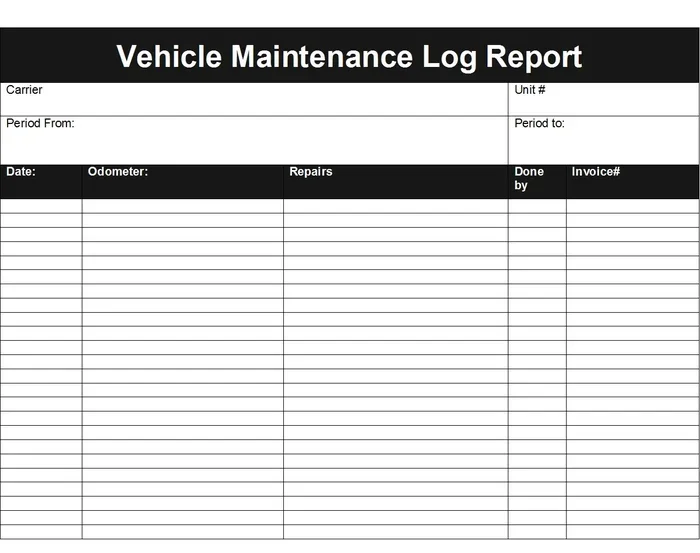
A car log book sample is a pre-designed document that helps you record details about your vehicle. It acts as a vehicle maintenance log and an expense tracker all in one. Think of it as a diary for your car. Every time you fill up the tank, get an oil change, or pay for repairs, you write it down in the log.
A typical log book template includes fields for the date, odometer reading, fuel amount, cost per liter or gallon, total fuel cost, and mileage driven. Some advanced vehicle log sheets also track insurance payments, registration fees, and toll costs. The goal is simple: keep a complete and accurate record of everything related to your car.
What Information Does a Log Book Sample Include?
A good car log book sample captures the following details:
- Date of entry – When the transaction or event happened.
- Odometer reading – The current mileage on your vehicle.
- Fuel purchases – Amount of fuel and cost per unit.
- Total fuel cost – How much you spent at the pump.
- Mileage driven – Distance covered since the last entry.
- Service and repairs – Oil changes, tire rotations, brake jobs, and more.
- Cost of service – What you paid for each repair or maintenance task.
- Service provider – The name of the mechanic or service center.
Some log book formats also include a notes section. This is useful for recording things like road conditions, weather during a trip, or any unusual vehicle behavior. These small details can be incredibly helpful when diagnosing future problems.
Why You Need a Car Log Book Sample
You might wonder, “Do I really need a car log book sample?” The answer is a strong yes. Keeping track of your vehicle’s history offers many benefits that go beyond simple organization. Let us look at why a vehicle maintenance log is a must-have tool.
1. It Helps You Track Expenses
When you use a car expense tracker format, you can see exactly where your money goes. Many drivers underestimate how much they spend on fuel, repairs, and maintenance each year. A car log book sample gives you a clear picture of your spending habits. This information is especially useful when budgeting for your next vehicle purchase or planning your monthly expenses.
2. It Boosts Your Vehicle’s Resale Value
Buyers love a well-documented car. When you can show a complete service history record, you prove that you took good care of the vehicle. A detailed car log book sample with regular maintenance entries makes your car more attractive to potential buyers. It can even help you command a higher price at resale.
3. It Simplifies Tax Deductions
If you use your car for business, a car log book sample is essential for tax purposes. The IRS and many other tax authorities require proof of business use. A mileage log template helps you document every business trip, which can lead to significant tax deductions. Without proper records, you might miss out on money you are entitled to claim.
4. It Makes Insurance Claims Easier
After an accident or unexpected event, having a detailed vehicle log sheet can speed up the insurance claim process. Insurers often ask for records of maintenance and mileage. A well-kept car log book provides the evidence they need, which means faster payouts and less hassle.
Types of Car Log Book Templates
Not all car log book samples are the same. Different templates serve different purposes. Let us explore the most popular types of log book formats you can use in 2024.
1. Personal Vehicle Log Book
A personal vehicle log book is designed for everyday car owners. It focuses on tracking fuel costs, mileage, and basic maintenance. This type of template is simple and easy to use. It works great for people who want to keep their car running smoothly without overcomplicating things.
2. Business Fleet Log Book
For businesses that manage multiple vehicles, a fleet log book is the way to go. It tracks every vehicle in the fleet separately. A fleet log book includes fields for driver names, trip purposes, and business mileage. This helps companies monitor costs, plan maintenance schedules, and stay compliant with regulations.
3. Mileage Log Template
A mileage log template focuses specifically on recording miles driven. It is ideal for people who need to track business mileage for tax purposes. A driving record template like this keeps things simple. You just enter the date, starting mileage, ending mileage, destination, and purpose of the trip.
4. Fuel Log Book
A fuel log book is a specialized template that tracks every fuel purchase. It records the date, station name, fuel type, amount purchased, and cost. This is perfect for drivers who want to monitor fuel efficiency and spot trends in their spending. A fuel log book can also help you detect potential issues like fuel leaks or declining gas mileage.
5. Printable vs. Digital Log Books
You can choose between a printable log book format and a digital version. Printable templates are great for people who prefer writing by hand. You can print them out and keep them in a folder or binder. Digital log books, on the other hand, offer the convenience of editing on a computer or phone. Many digital options also include automatic calculations and graphs.
| Feature | Printable Log Book | Digital Log Book |
|---|---|---|
| Ease of Setup | Very easy | Easy, requires software |
| Cost | Free or low cost | Often free online |
| Portability | Physical copy only | Access from any device |
| Auto Calculations | No | Yes |
| Backup Options | Manual (photocopy) | Cloud backup |
| Customization | Limited | Highly customizable |
How to Create Your Own Car Log Book Sample
Creating your own car log book sample is easier than you might think. You do not need to be a spreadsheet expert. Here is a step-by-step guide to building a vehicle log sheet that works for you.
Step 1: Choose Your Format
Decide whether you want a spreadsheet, a printable PDF, or a dedicated app. Spreadsheets like Google Sheets or Microsoft Excel offer the most flexibility. Printable PDFs are great for people who prefer pen and paper. Apps like MileIQ or TripLog automate much of the process for you.
Step 2: List the Fields You Need
Start with the basics. Every car log book sample should include a date field, an odometer reading field, and a notes field. Then add fields based on what you want to track. If fuel costs matter most, include fuel amount and price per unit. If you track repairs, add a service description and cost field.
Step 3: Add Formulas for Auto-Calculation
If you are using a spreadsheet, add simple formulas. For example, you can calculate cost per mile by dividing total fuel cost by miles driven. This gives you instant insights into your driving costs. A car cost tracker with built-in formulas saves you from manual math and reduces errors.
Step 4: Test Your Template
Before committing to your new log book format, test it for a week or two. Fill in entries and make sure everything works. Check that formulas calculate correctly and that the layout is easy to read. Adjust fields as needed to make the template more useful.
Step 5: Stick With It
The best car log book sample in the world is useless if you do not use it consistently. Set a reminder to update your log book every time you fill up gas or visit a mechanic. After a few weeks, it will become a habit. Consistency is the key to getting accurate and useful records.
Tips for Keeping an Accurate Car Log Book
Keeping a car log book sample up to date takes effort, but these tips make it much easier. Follow these guidelines to get the most out of your vehicle maintenance log.
1. Record Entries Immediately
Do not wait until the end of the week to log your entries. The longer you wait, the more likely you are to forget details. Keep a small notebook in your glove box or use a phone app to record entries on the spot. This habit ensures your car expense tracker stays accurate.
2. Save All Receipts
Every time you pay for fuel, a repair, or a service, save the receipt. Take a photo with your phone and attach it to your log entry. This creates a paper trail that supports your records. During tax season or an insurance claim, these receipts can make a big difference.
3. Update Your Odometer Regularly
Make it a habit to check and record your odometer reading every time you fill up. This gives you a reliable mileage log template over time. Accurate odometer readings also help you track when your next service is due based on mileage intervals.
4. Review Your Log Monthly
Set aside time at the end of each month to review your car log book. Look for patterns in your spending or mileage. This review helps you spot unusual costs or changes in fuel efficiency early. It also prepares you for tax time or insurance renewals.
5. Use a Consistent Format
Pick one log book format and stick with it. Switching between different templates or apps can create confusion and gaps in your records. A consistent car log book sample ensures your data is reliable and easy to understand over time.
Expert Insight
Automotive experts recommend treating your car log book the same way you treat a financial ledger. Every entry matters, no matter how small. Over time, these records become a valuable asset for maintenance planning, resale, and tax purposes.
Common Mistakes to Avoid When Using a Car Log Book Sample
Even with the best car log book sample, mistakes can happen. Here are the most common errors drivers make and how to avoid them.
1. Skipping Entries
The biggest mistake is simply not recording information. Missing entries create gaps in your vehicle log sheet and make the data less useful. If you miss a fill-up, estimate the numbers as soon as possible and note it as an estimate.
2. Forgetting to Record the Purpose of Trips
If you use your car for both personal and business purposes, always note the reason for each trip. Without this detail, you cannot properly separate deductible business miles from personal driving. A trip log template makes this much easier.
3. Not Tracking Small Expenses
It is tempting to skip small costs like a quick car wash or a toll fee. But these small expenses add up over time. A complete car cost tracker captures every penny, giving you an accurate picture of your total vehicle costs.
4. Using an Outdated Template
Your needs may change over time, and so should your log book format. If you start using your car for a new purpose, update your template to include relevant fields. A flexible car log book sample grows with your needs.
5. Failing to Back Up Digital Records
If you use a digital car expense tracker, always back up your data. A computer crash or phone loss could erase months of records. Use cloud storage or email yourself a backup file regularly. This simple step protects all your hard work.
Where to Find Free Car Log Book Samples for 2024
You do not need to build a car log book sample from scratch. Many websites offer free, ready-to-use templates. Here are some reliable sources where you can download log book formats for personal or business use.
- Microsoft Office Templates – Excel and Word offer free vehicle maintenance log templates that are easy to customize.
- Google Sheets – Search for free car log book template spreadsheets in the Google Template Gallery.
- Smartsheet – Offers both free and premium fleet log book templates for businesses.
- Canva – Provides printable car log book designs that look professional and are easy to fill out.
- RAC and AAA websites – Both organizations offer free mileage log template downloads for their members.
When choosing a template, look for one that matches your needs. A simple car log book sample with the right fields will serve you better than a complex one you will never fill out. Start simple and add fields as your tracking needs grow.
Conclusion
A car log book sample is one of the simplest yet most powerful tools for vehicle ownership. It helps you track mileage, manage expenses, plan maintenance, and prepare for tax season. Whether you choose a printable template or a digital car expense tracker, the key is to start and stay consistent.
By using a well-designed log book format, you protect your investment and gain peace of mind. Your records will serve you well when it is time to sell your car, file taxes, or make a claim. Take the time today to find or create the perfect car log book sample for your needs. Your future self will thank you.
Start small, stay consistent, and watch how a simple car log book sample transforms the way you manage your vehicle. In 2024, staying organized has never been easier or more rewarding.
Frequently Asked Questions
What should a car log book sample include?
A good car log book sample should include the date, odometer reading, fuel purchases, mileage driven, service and repair costs, and a notes section. These fields give you a complete picture of your vehicle’s usage and expenses. You can add extra fields like driver name or trip purpose if needed.
Can I use a car log book sample for business purposes?
Yes, absolutely. Many business owners use a car log book sample to track business mileage and expenses. This documentation is essential for claiming tax deductions. A detailed vehicle log sheet provides the proof tax authorities need to approve your deductions.
Is a digital log book better than a printable one?
It depends on your preference. Digital log books offer auto-calculations, cloud backup, and easy editing. Printable log books are simple and do not require any technology. Both formats work well when used consistently. Choose the one that fits your lifestyle and habits.
How often should I update my car log book?
You should update your car log book sample every time you fill up fuel, visit a mechanic, or take a significant trip. Recording entries immediately prevents forgetting important details. A quick habit of logging after each fill-up keeps your records accurate and complete.
Does keeping a log book improve my car’s resale value?
Yes, it can. A well-documented service history record shows buyers that the car was well maintained. This builds trust and can lead to a higher resale price. Buyers are willing to pay more for a vehicle with a complete and organized car log book.
Are there free car log book templates available online?
Yes, many websites offer free car log book templates in Excel, PDF, and printable formats. Microsoft Office, Google Sheets, and Canva all have free options you can download right away. Look for templates that include the fields most relevant to your tracking needs.