Does the Toyota Check Engine Light Reset Itself Now
The Toyota check engine light reset itself only in rare cases, such as a temporary sensor glitch that clears after a few drive cycles. Most of the time, you need a manual reset using an OBD-II scanner, a battery disconnect, or a key cycle. Ignoring the light can lead to costly repairs, so understanding why it stays on is crucial.
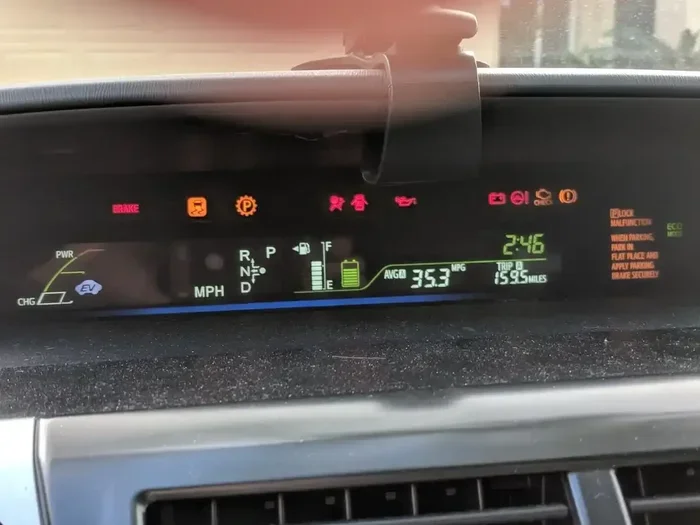
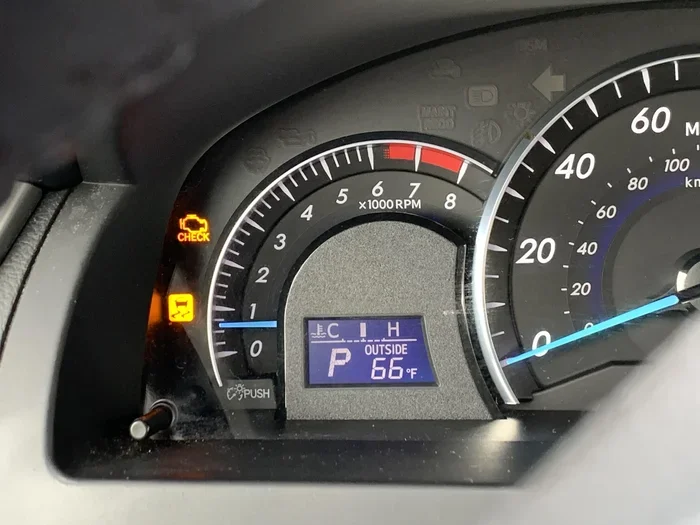
You’re cruising down the highway in your Toyota when a yellow engine-shaped icon lights up on the dash. Your heart skips a beat. The first question that pops into your head is often the same: does the Toyota check engine light reset itself? The short answer is: it depends, but usually not on its own. This guide will walk you through exactly what happens, why the light stays on, and how to get it off for good.
The check engine light is part of your Toyota’s onboard diagnostics system. It monitors dozens of sensors and components. When something falls outside its expected range, the system stores a trouble code and illuminates the light. Many drivers assume the light will just go away after a while. That rarely happens unless the issue was truly temporary. Understanding this system helps you avoid panic and unnecessary trips to the dealer.
Knowing how the system works puts you in control. You’ll learn when it’s safe to ignore the light, when to pull over, and exactly how to reset it. We’ll also cover common reasons the light comes back after you think you’ve fixed it. By the end, you’ll have a clear action plan. Let’s dive in.
Key Takeaways
- The light rarely resets on its own: A persistent code will keep the warning on until the root cause is fixed.
- An OBD-II scanner is the most reliable reset method: It reads and clears diagnostic trouble codes safely.
- A loose gas cap is the #1 culprit: Simply tightening it can turn the light off within a few days of driving.
- Driving through a drive cycle can clear temporary codes: This works for minor issues but not for hardware failures.
- Flashing light means stop immediately: It signals a severe misfire that can damage the catalytic converter.
- Hybrid Toyotas have unique triggers: Battery or inverter faults can activate the check engine light.
📑 Table of Contents
- What Does the Toyota Check Engine Light Mean?
- Does the Toyota Check Engine Light Reset Itself?
- How to Reset the Toyota Check Engine Light
- Common Reasons the Light Comes Back After Resetting
- Can You Drive With the Check Engine Light On?
- Preventing Future Check Engine Light Issues
- Expert Insight: Why DIY Reset Isn’t Always the Answer
- Conclusion
What Does the Toyota Check Engine Light Mean?
The check engine light is a dashboard warning that something in the engine or emissions system needs attention. It’s part of the OBD-II system, which stands for On-Board Diagnostics II. Every Toyota sold in the U.S. since 1996 uses this standardized system. The light can appear as “CHECK ENGINE” or just an engine icon. It’s usually yellow, but some models show it as orange or red.
Understanding the Dashboard Warning
The light is not just a decoration. It’s a signal from the engine control module (ECM). The ECM constantly reads data from sensors like the oxygen sensor, mass airflow sensor, and crankshaft position sensor. If a reading falls outside the factory-specified range for a set number of cycles, the ECM triggers the light. It also stores a diagnostic trouble code (DTC). This code tells a technician exactly what went wrong.
The severity varies. A steady yellow light usually means a non-emergency issue. A flashing light, however, indicates a serious problem. A flashing check engine light often points to a misfire that is dumping unburned fuel into the exhaust. That can overheat and destroy the catalytic converter. If your light is flashing, pull over safely and shut off the engine.
Common Triggers for the Light
Many things can cause the check engine light to come on. Some are minor, while others are major. Here are the most common triggers in Toyota vehicles:
- Loose or faulty gas cap: A loose cap lets fuel vapors escape. The system detects a leak and sets a code.
- Failing oxygen sensor: This sensor measures exhaust gases. A bad one reduces fuel economy and increases emissions.
- Catalytic converter issues: A clogged or failing converter triggers the light and often reduces engine power.
- Mass airflow sensor malfunction: This sensor measures the air entering the engine. A dirty or broken one causes rough idling.
- Spark plug or ignition coil problems: Misfires from worn plugs or coils are a very common cause.
- Hybrid battery or inverter fault: In hybrid Toyotas, a fault in the high-voltage system can activate the check engine light.
Does the Toyota Check Engine Light Reset Itself?
This is the million-dollar question. The short answer is that the Toyota check engine light reset itself only under very specific conditions. In most cases, the light will stay on until someone clears the code or the problem is repaired. Let’s look at when it might turn off on its own and why it usually doesn’t.
When It Might Turn Off on Its Own
There are a few scenarios where the light may go away by itself. One is a temporary sensor glitch. For example, if the fuel quality was poor and caused a minor misfire, the ECM might detect normal readings after a few tanks of good gas. If the issue doesn’t repeat for a certain number of drive cycles, the system may turn the light off. This is rare but possible.
Another scenario involves a loose gas cap. If you forgot to tighten it after filling up, the light will come on. Once you tighten it, the system monitors for a few days. If no more fuel vapor leaks are detected, the light will eventually turn off. This can take anywhere from one to three days of normal driving. The system needs to see consistent good readings before it clears the code automatically.
Why It Usually Stays On
The Toyota check engine light reset itself only if the underlying condition that triggered it is no longer present and the ECM confirms it over multiple drive cycles. A persistent problem, like a bad oxygen sensor or a failing catalytic converter, will keep the light on indefinitely. The ECM is designed to alert you to real issues. It won’t just hide a problem because you ignore it.
Even if the light temporarily goes off, the trouble code is usually still stored in the ECM’s memory. A technician with a scan tool can retrieve it. This is why a light that comes and goes is still a serious concern. It means the problem is intermittent but real. Ignoring it will only make it worse.
How to Reset the Toyota Check Engine Light
If the light is on and you’ve fixed the problem, you need to reset it. There are several ways to do this. Some are DIY-friendly, while others require a professional tool. Here are the most common methods.
Using an OBD-II Scanner
An OBD-II scanner is the best and safest way to reset the light. You can buy a basic scanner for under $30 at any auto parts store. Plug it into the diagnostic port under your steering column. Turn the ignition to the “ON” position (do not start the engine). The scanner will read the stored trouble codes. Once you fix the issue, you can use the scanner to clear the codes. The light will turn off immediately.
This method is superior because it also lets you verify the fix. After clearing the codes, you can take a short test drive. If the problem is truly resolved, the light will stay off. If it returns, the scanner will show the code again, telling you the fix didn’t work.
The Disconnect Battery Method
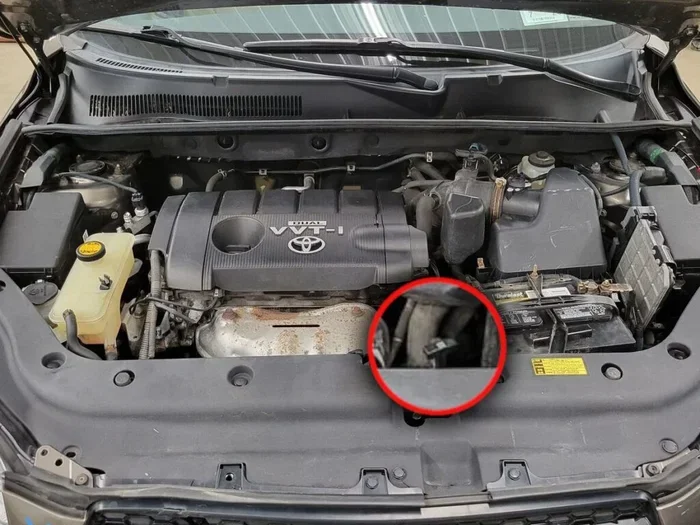
Some people reset the light by disconnecting the negative battery terminal for 15-30 minutes. This drains the ECM’s memory and clears the codes. However, this method has downsides. It can reset your radio presets, clock, and power window settings. On newer Toyotas, it may also erase learned idle trim values, causing a rough idle for the first few miles after reconnecting.
This method also won’t work on all models. Many newer Toyotas have non-volatile memory that retains codes even with the battery disconnected. If you try this, make sure you have your radio unlock code handy.
Turning the Ignition On and Off
A simpler method is the key cycle. Turn the ignition key to the “ON” position (just before starting the engine). Wait three seconds. Turn it back to “OFF.” Repeat this three times in a row. On some older Toyota models, this can reset the light. It’s not a guaranteed fix, but it’s worth a try for minor glitches.
Driving Through a Drive Cycle
A drive cycle is a specific series of driving maneuvers designed to test all emission systems. After a minor issue clears, completing a drive cycle can tell the ECM to turn the light off. A typical drive cycle involves starting the cold engine, idling for a few minutes, driving at steady speeds, and then highway driving. This method only works for temporary codes. A permanent fault will keep the light on no matter how many drive cycles you complete.
Common Reasons the Light Comes Back After Resetting
You cleared the light, but it returns a few days later. This is frustrating and common. The light comes back because the root cause wasn’t actually fixed. Here are the most frequent reasons the Toyota check engine light reset itself fails to stay off.
Loose Gas Cap
This is the number one reason for a recurring light. After you reset the codes, the system monitors for evaporative emissions leaks. If the gas cap isn’t tight, the leak detection test fails again. The fix is simple: tighten the cap until you hear it click. Then drive for a few days. The light should stay off.
Failing Oxygen Sensor
The oxygen sensor measures the amount of oxygen in the exhaust. A failing sensor sends incorrect data to the ECM. The engine runs rich or lean, triggering the light. A new oxygen sensor can cost between $50 and $200 for parts. Labor adds another $50-$100. Replacing it is a common fix that keeps the light off permanently.
Catalytic Converter Issues
The catalytic converter reduces harmful emissions. When it fails, the ECM detects a drop in efficiency and sets a code. This is a more expensive repair, often costing $500 to $1,500. Driving with a bad converter can also cause the engine to run hotter and reduce performance. If the light returns with a P0420 or P0430 code, the converter is likely the culprit.
Hybrid System Faults
For Toyota hybrid owners, the check engine light can be triggered by the hybrid battery or power inverter. These components operate at high voltage. A fault in the hybrid system often causes the light to come on alongside other warnings. If you’re asking does ac burn gas in a hybrid car, you’re already thinking about hybrid systems. A hybrid-specific fault needs a dealer or certified technician with the proper scan tool.
Similarly, if you’ve noticed your Toyota switching between gas and electric more frequently, that could also trigger a code. You can learn more about when that happens in our article at what point does a hybrid switch to gas. Understanding your hybrid system helps you interpret the check engine light correctly.
Can You Drive With the Check Engine Light On?
This is one of the most asked questions. The answer depends on the severity of the issue. A steady yellow light usually means you can drive a short distance to a safe location or a repair shop. A flashing light means you should stop driving immediately.
Safe Driving Tips When the Light Is On
If your check engine light is steady, follow these tips:
- Check your gas cap first. Pull over safely and tighten it. This is the easiest fix.
- Watch for other warning lights. If the temperature gauge spikes or you see oil pressure warnings, stop and call for help.
- Avoid heavy acceleration. Hard driving can worsen a misfire and damage the catalytic converter.
- Get to a mechanic soon. Even if the car drives fine, a steady light means a problem exists that will get worse.
When to Pull Over Immediately
If the check engine light is flashing, you need to stop. A flashing light indicates a severe engine misfire. Unburned fuel is entering the exhaust system. This can cause the catalytic converter to overheat and melt. A melted converter can block exhaust flow and stall your engine. If you see the light flashing, pull over safely, turn off the engine, and call for a tow.
For more information on dashboard warnings and safe driving, check out our guide on can I drive if my AWD light is on. While that article focuses on AWD systems, the principle is the same: a warning light means get it checked. Also, if you’re curious about other car systems and fuel economy, you might enjoy does traction control use more gas.
Preventing Future Check Engine Light Issues
The best way to deal with the check engine light is to prevent it from coming on in the first place. Regular maintenance and good driving habits go a long way. Here are some practical steps to keep your Toyota’s diagnostics system happy.
Regular Maintenance Habits
- Check your gas cap every time you refuel. Make sure it clicks at least three times.
- Replace spark plugs on schedule. Toyota recommends replacement every 30,000 to 100,000 miles depending on the model.
- Use the recommended oil grade. Wrong oil can cause sludge buildup and sensor issues.
- Keep up with air filter changes. A dirty air filter starves the engine and affects the mass airflow sensor.
- Address small issues early. A minor vacuum leak today becomes a major emissions problem tomorrow.
Quick Tips for Toyota Owners
- Keep a basic OBD-II scanner in your glove box. It costs less than a tank of gas and can save you hundreds in diagnostic fees.
- Don’t ignore a code just because the light is off. The ECM stores pending codes that can become active again.
- Use only quality fuel. Cheap gas with low octane can cause knock sensors to trigger the light.
- If you have a hybrid, keep the 12-volt auxiliary battery healthy. A weak auxiliary battery can cause all sorts of strange warning lights.
Expert Insight: Why DIY Reset Isn’t Always the Answer
Many car owners want to clear the light and forget about it. That’s a mistake. The check engine light is a symptom, not a disease. Clearing the code without fixing the root cause is like turning off a smoke alarm while the kitchen is on fire. The light will come back, and the problem will get worse.
Professional mechanics use scan tools that not only clear codes but also freeze-frame data. This data captures the exact operating conditions when the fault occurred. It includes engine RPM, vehicle speed, coolant temperature, and fuel trim values. This information is invaluable for diagnosing intermittent problems. A cheap scanner just clears the code and leaves you guessing.
If you’re unsure about a code, get a professional diagnosis. Many auto parts stores will read the code for free. They can tell you what the code means, but they can’t always fix it. For complex issues, especially in hybrid Toyotas, a dealer or certified technician has the software to access all systems.
Conclusion
The Toyota check engine light reset itself only in very rare, temporary situations. Most of the time, you need to take action. Whether it’s tightening a loose gas cap, replacing a faulty sensor, or using an OBD-II scanner, the key is to address the root cause. Ignoring the light will not make it go away. It will only lead to bigger repairs and higher bills.
Now you know exactly what to do when that little engine icon appears. Check the gas cap first. If that doesn’t work, get a scan tool or visit a mechanic. And remember, a flashing light means stop and get help. Your Toyota is trying to tell you something. Listen to it, and you’ll keep your car running strong for years to come.
Frequently Asked Questions
How long does it take for the Toyota check engine light to reset itself?
If the issue was temporary, such as a loose gas cap, the light may turn off after 10 to 20 successful drive cycles. This usually takes about 1 to 3 days of normal driving. The ECM monitors the system continuously and will clear the code once it sees consistent good readings.
Will disconnecting the battery reset the check engine light on a Toyota?
Yes, disconnecting the negative battery terminal for 15 to 30 minutes can reset the light on many Toyota models. However, this method also erases radio presets and learned idle settings. It may not work on newer models with non-volatile memory. An OBD-II scanner is a cleaner and more reliable method.
Is it safe to drive with the check engine light on?
A steady yellow light is generally safe for short drives to a repair shop. However, a flashing light means you should stop immediately. A flashing light indicates a severe misfire that can damage the catalytic converter and cause further engine damage.
What is the most common reason the check engine light comes on in a Toyota?
The most common reason is a loose or faulty gas cap. Other frequent causes include a failing oxygen sensor, a bad catalytic converter, or worn spark plugs. Using a scan tool to read the specific code will tell you exactly what the problem is.
Can a bad fuel pump cause the check engine light to come on?
Yes, a weak fuel pump that cannot maintain proper pressure will trigger the check engine light. The ECM detects a fuel trim issue or a pressure drop and sets a code. You may also notice hesitation or stalling during acceleration.
How much does it cost to reset the check engine light at a dealership?
Most dealerships and auto parts stores will read and clear the code for free. If the light returns, they may charge a diagnostic fee, which typically ranges from $75 to $150. The cost to repair the actual problem depends on the specific fault, not the reset itself.