Why Acrylic Car Number Plates Are Worth the Upgrade
Acrylic car number plates offer superior durability, brilliant clarity, and long-lasting performance compared to traditional metal plates. They are lightweight, UV resistant, and designed to withstand harsh weather conditions without fading or cracking. Whether you want a clean look or a custom design, acrylic car number plates deliver professional results that last for years.
Have you ever looked at your car’s number plates and thought they look dull, scratched, or just plain worn out? You are not alone. Many car owners overlook one of the simplest upgrades they can make — switching to acrylic car number plates. These modern plates bring a level of quality and finish that traditional metal plates simply cannot match.
If you have been researching custom car plates or wondering what the best number plate material is for your vehicle, you have come to the right place. This guide covers everything you need to know about acrylic car number plates. We will look at the benefits, compare them to other materials, discuss road legality, and help you choose the best option for your car.
The truth is, your number plates do more than just display your registration number. They are a key part of your vehicle’s identity. They need to be clear, readable, and durable. Acrylic car number plates check every single one of those boxes. Let us dive into why so many drivers are making the switch.
Key Takeaways
- Superior Durability: Acrylic car number plates resist cracks, chips, and weather damage far better than metal alternatives.
- Excellent Clarity: The smooth acrylic surface ensures sharp, high-contrast lettering that meets road legal standards.
- UV and Weather Resistance: These plates stay vibrant and readable even after years of sun and rain exposure.
- Lightweight Design: Acrylic plates are significantly lighter than metal, reducing stress on mounting points.
- Customization Options: You can choose unique colors, fonts, and finishes while staying compliant with regulations.
- Easy Maintenance: A simple wipe keeps acrylic plates looking brand new with minimal effort.
- Long-Term Value: Despite a higher upfront cost, acrylic plates save money over time thanks to their extended lifespan.
📑 Table of Contents
- What Are Acrylic Car Number Plates?
- Benefits of Acrylic Car Number Plates
- How Acrylic Plates Compare to Other Number Plate Materials
- Are Acrylic Car Number Plates Road Legal?
- How to Choose the Best Acrylic Number Plates
- Installation and Maintenance Tips
- Common Mistakes to Avoid with Acrylic Number Plates
- Expert Insights on Acrylic Number Plates
- Key Takeaways
- Conclusion
What Are Acrylic Car Number Plates?
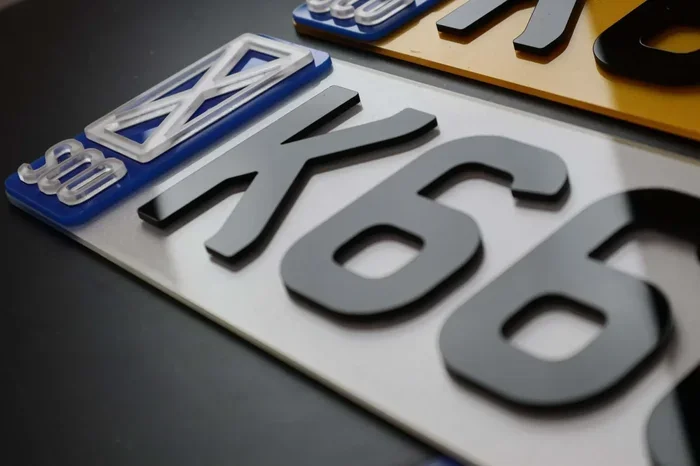
Acrylic car number plates are registration plates made from a rigid plastic material called acrylic, also known as polymethyl methacrylate or PMMA. Unlike traditional metal plates made from aluminum or steel, acrylic plates are crafted from a transparent, glass-like polymer that can be tinted, colored, or left clear.
The manufacturing process involves injecting molten acrylic into a mold that contains the raised lettering and numbering. Once cooled, the plate has a smooth, glossy finish with crisp edges. The result is a plate that looks premium right out of the box.
Many drivers confuse acrylic with regular plastic. But acrylic is a completely different material. It is much harder, more scratch resistant, and far more durable. When you see acrylic car number plates on a high-end vehicle, you can immediately tell the difference in quality and finish.
These plates have been around for decades, but they have gained massive popularity in recent years. More manufacturers now produce them, and the prices have become more accessible. Whether you drive a daily commuter or a weekend cruiser, acrylic car number plates are worth considering.
Benefits of Acrylic Car Number Plates
So why are so many car owners choosing acrylic car number plates over traditional options? Let us break down the biggest advantages.
Exceptional Durability and Longevity
The number one reason drivers switch to acrylic car number plates is durability. Metal plates rust, corrode, and dent over time. Acrylic plates do not. They resist moisture, road salt, chemicals, and everyday bumps without showing signs of wear.
A quality set of acrylic car number plates can last 10 years or more without fading or cracking. That is a massive improvement over standard metal plates, which often look rough after just a few seasons on the road.
Here is what makes acrylic so tough:
- Impact resistance — acrylic absorbs shocks without cracking
- Corrosion proof — no rust or oxidation ever
- Scratch resistant — the hard surface handles minor scrapes
- Chemical resistant — withstands bird droppings, fuel, and cleaning products
Superior Readability and Clarity
When it comes to vehicle registration plates, readability is everything. Acrylic car number plates offer a perfectly smooth surface that makes letters and numbers stand out with incredible sharpness. The reflective layer beneath the acrylic creates a high-contrast finish that is easy to read from a distance.
This matters for safety and for passing MOT or inspection tests. Blurry, faded plates can lead to failed inspections or even fines. With acrylic car number plates, you get crystal-clear visibility in all lighting conditions — daylight, fog, rain, or nighttime.
The smooth surface also means dirt and grime do not settle into grooves the way they do on textured metal plates. A quick wipe keeps your plates looking sharp and legible.
UV Resistance and Color Stability
Sunlight is one of the biggest enemies of number plates. Metal plates fade, and the letters can become hard to read after years of UV exposure. Acrylic car number plates are treated with UV-resistant coatings that block sun damage.
This means your plates keep their original color and brightness for years. Whether you live in a sunny climate or deal with harsh winters, acrylic car number plates hold up remarkably well. The colors stay vivid, and the reflective coating remains effective.
Lightweight and Easy to Install
Acrylic is significantly lighter than metal. A full set of acrylic car number plates weighs much less than an equivalent set of aluminum plates. This might seem like a small detail, but it matters.
Lighter plates put less stress on the mounting screws and the body of your car. Over time, this can prevent rust around the mounting holes, which is a common problem with heavy metal plates. Installation is also easier because the lightweight material is simple to handle and position.
Aesthetic Appeal and Customization
Let us be honest — acrylic car number plates just look better. They have a sleek, modern finish that elevates the appearance of any vehicle. You can choose from a wide range of colors, tints, and finishes to create a personalized look.
Many drivers use custom car plates made from acrylic to give their car a unique style. The material accepts dyes and inks beautifully, so the colors are rich and even. Whether you prefer a classic black-on-white design or something more bold, acrylic delivers a polished, professional look.
How Acrylic Plates Compare to Other Number Plate Materials
Not all number plates are created equal. Let us compare acrylic car number plates against the most common alternatives on the market.
| Feature | Acrylic Plates | Metal (Aluminum) Plates | Plastic (Polycarbonate) Plates |
|---|---|---|---|
| Durability | Excellent — resists cracks and corrosion | Good — but prone to rust | Fair — can scratch and yellow |
| Lifespan | 10+ years | 5-8 years | 3-5 years |
| UV Resistance | High — minimal fading | Moderate — paint fades | Low — yellows over time |
| Weight | Lightweight | Heavy | Very lightweight |
| Clarity | Excellent — smooth, sharp finish | Good — but can pit | Fair — can become hazy |
| Cost | Moderate to high | Low to moderate | Low |
| Customization | Highly customizable | Limited | Moderate |
| Weather Resistance | Excellent | Good | Fair |
As you can see from the comparison, acrylic car number plates offer the best balance of durability, appearance, and longevity. Metal plates are cheaper upfront, but they deteriorate faster. Plastic plates are budget-friendly but lack the premium feel and durability of acrylic.
For drivers who want the best long-term value, acrylic car number plates are the clear winner. You pay a bit more initially, but you save money over time because you do not need to replace them as often.
Are Acrylic Car Number Plates Road Legal?
This is the question every driver asks before purchasing new plates. The short answer is yes — acrylic car number plates are road legal in most countries, including the UK, US, and Australia. However, there are specific rules you must follow.
UK Regulations for Acrylic Plates
In the United Kingdom, acrylic car number plates must comply with the British Standard BS AU 145e. This means your plates need to meet requirements for:
- Reflectivity — the plate must have the correct reflective surface
- Character shape — letters and numbers must match the approved font
- Character spacing — proper spacing between characters is mandatory
- Background color — white front, yellow rear
- Supplier marking — the manufacturer’s postcode must be displayed
As long as your acrylic car number plates are supplied by a registered number plate supplier, they will come pre-approved and road legal. Always buy from a reputable supplier who follows the rules.
US and International Standards
In the United States, regulations vary by state. Most states require plates to be made from reflective material with specific dimensions and character requirements. Acrylic car number plates that meet the Federal Motor Vehicle Safety Standards (FMVSS) are fully legal.
In Australia, the Australian Design Rules (ADR) govern number plate standards. Acrylic plates that comply with these rules are accepted on all Australian roads.
Tip: Always check your local regulations before purchasing. A trusted supplier will ensure your acrylic car number plates meet all legal requirements for your region.
How to Choose the Best Acrylic Number Plates
Not all acrylic car number plates are created equal. Here is what to look for when shopping for your next set.
Material Quality
Not all acrylic is the same. Look for plates made from cast acrylic rather than extruded acrylic. Cast acrylic is denser, harder, and more durable. It also holds color better and resists scratching more effectively.
Cheap acrylic car number plates made from low-quality extruded acrylic may crack under pressure or yellow after a year or two. Always ask the supplier about the material grade before buying.
Reflective Coating
The reflective layer is what makes your plates visible at night and in poor weather. High-quality acrylic car number plates use a microprismatic reflective sheeting that meets or exceeds legal standards. This type of reflection provides excellent visibility from all angles.
Avoid plates with a cheap retroreflective layer that looks good in photos but fails to reflect properly in real-world driving conditions.
Color and Finish Options
One of the best things about acrylic car number plates is the range of options available. You can choose from:
- Standard white and yellow — classic and road legal
- Tinted acrylic — adds a sleek, dark look
- Colored characters — black, grey, or even chrome-finish letters
- Matte or gloss finish — pick the look that suits your car
Just remember that while you can get creative with custom car plates, the characters must always remain clearly readable and meet the legal font requirements.
Supplier Reputation
Always buy your acrylic car number plates from a registered and reputable supplier. A trusted supplier guarantees that the plates meet all legal standards and uses high-quality materials. Reading customer reviews and checking for supplier certifications can save you from buying substandard plates.
Installation and Maintenance Tips
Installing acrylic car number plates is straightforward, but doing it right ensures they stay secure and look great for years.
Installation Steps
- Clean the mounting area — use rubbing alcohol to remove dirt and grease from the bumper or frame.
- Check the fit — hold the plates in place and confirm the screw holes align properly.
- Use the right screws — stainless steel screws prevent rust and hold the plates securely.
- Apply even pressure — tighten screws gradually to avoid cracking the acrylic.
- Double-check alignment — make sure both plates are level and centered before fully tightening.
Maintenance Made Simple
Maintaining acrylic car number plates is incredibly easy. Unlike metal plates that need rust treatment, acrylic plates just need a simple wipe-down.
Use a soft cloth and mild soap with warm water. Avoid abrasive cleaners or rough sponges that could scratch the surface. A quick wash every few weeks keeps your plates looking brand new and ensures they remain fully readable.
Here are a few extra tips to keep your plates in top shape:
- Avoid high-pressure washers directly on the plates — the force can damage the reflective layer
- Remove bugs and bird droppings promptly — acidic substances can dull the surface over time
- wax the plates lightly with a non-abrasive car wax for added UV protection
- Inspect mounting screws every few months and retighten if needed
Common Mistakes to Avoid with Acrylic Number Plates
Even though acrylic car number plates are durable, there are some mistakes that can shorten their lifespan or cause legal issues.
Buying Unregistered Plates
The biggest mistake drivers make is purchasing plates from unregistered sellers. Unregistered plates may not meet legal standards, and using them can result in fines or MOT failure. Always buy from a registered number plate supplier who can provide the proper documentation.
Using the Wrong Adhesive or Mounting Hardware
Some drivers use strong adhesives or cheap plastic screws to mount their plates. This can damage the acrylic or cause the plates to vibrate loose over time. Always use the recommended mounting hardware and stainless steel screws for a secure, damage-free fit.
Ignoring Local Regulations
Even with acrylic car number plates, you must follow local rules. Customized plates that alter character spacing, use non-approved fonts, or have tinted backgrounds that reduce readability can be illegal. Stick to road-legal designs and you will have no problems.
Overlooking UV Damage From Poor-Quality Plates
Cheap acrylic plates that lack UV protection will fade and yellow quickly. This is a common mistake people make when trying to save money. Investing in high-quality acrylic car number plates with proper UV coatings saves you from having to replace them prematurely.
Expert Insights on Acrylic Number Plates
We spoke with automotive specialists and number plate industry professionals to get their take on acrylic car number plates. Here is what the experts had to say.
“Acrylic has become the material of choice for premium number plates,” says one industry expert. “It offers a combination of clarity, durability, and visual appeal that simply cannot be matched by metal or basic plastic.”
Another specialist added, “The key is choosing quality acrylic from a reputable supplier. Not all plates are created equal, and the difference shows in longevity and performance.”
Experts also emphasize that acrylic car number plates are an excellent investment for vehicle owners who care about their car’s appearance and long-term value. A clean, bright set of plates can genuinely improve how a car looks and feels.
Key Takeaways
- Acrylic car number plates offer unmatched durability and can last 10+ years without fading or cracking.
- The smooth acrylic surface delivers superior readability and sharp, high-contrast lettering.
- UV-resistant coatings keep the colors vibrant and the reflective layer effective for years.
- Acrylic plates are significantly lighter than metal, reducing stress on mounting points.
- They are fully road legal when purchased from a registered supplier and meet local standards.
- Maintenance is simple — a quick wipe with mild soap and water keeps them looking new.
- Avoid common mistakes like buying from unregistered sellers or using improper mounting hardware.
Conclusion
Acrylic car number plates are one of the simplest and most effective upgrades you can make to your vehicle. They look better, last longer, and perform better than traditional metal or plastic plates. Whether you are replacing worn-out plates or upgrading for a fresh look, acrylic delivers real value.
The combination of durability, clarity, UV resistance, and customization options makes acrylic car number plates a smart choice for any car owner. They are road legal, easy to maintain, and built to last.
If you have been putting off a plate upgrade, now is the perfect time to make the switch. Choose a reputable supplier, pick a design you love, and enjoy the difference that quality acrylic car number plates make. Your car — and your wallet — will thank you in the long run.
Frequently Asked Questions
Are acrylic car number plates road legal?
Yes, acrylic car number plates are road legal as long as they are supplied by a registered number plate supplier and meet all local regulations. In the UK, they must comply with BS AU 145e standards, including proper reflectivity, character shape, and background colors.
How long do acrylic number plates last?
High-quality acrylic car number plates can last 10 years or more. Their resistance to UV rays, moisture, and physical damage means they retain their clarity and color far longer than metal or plastic alternatives.
Can I customize the design of acrylic plates?
Yes, one of the great benefits of acrylic car number plates is the customization options. You can choose different colors, tints, and finishes. However, the characters must remain readable and comply with legal font and spacing requirements.
How do I clean acrylic number plates?
Cleaning acrylic car number plates is simple. Use a soft cloth with mild soap and warm water. Avoid abrasive cleaners or rough sponges that could scratch the surface. A quick wipe every few weeks keeps them looking their best.
Are acrylic plates lighter than metal plates?
Yes, acrylic car number plates are significantly lighter than metal plates. This reduces stress on the mounting screws and the vehicle body, which can help prevent rust around the mounting points over time.
Where can I buy quality acrylic number plates?
Always purchase acrylic car number plates from a registered number plate supplier. Look for suppliers with positive reviews, proper certifications, and a clear understanding of local regulations. This ensures you get road-legal plates that meet quality standards.