How Long Does a Car Wrap Last and What You Should Know
A car wrap typically lasts between 5 and 7 years, but its lifespan depends on material quality, installation skill, and how well you maintain it. High-quality vinyl wraps with proper care can protect your vehicle’s original paint and look great for a decade or more. Understanding the factors that influence wrap durability helps you make smart investment decisions.
So, how long does a car wrap last? That is the question on every car owner’s mind before they invest in a vinyl wrap. Whether you want a fresh new look, custom graphics, or paint protection, understanding the lifespan of a car wrap is essential.
The short answer is that most car wraps last between 5 and 7 years. But that number can shift quite a bit depending on several factors. The type of vinyl you choose, the skill of the installer, your driving habits, and how well you maintain the wrap all play a role. In this guide, we will walk you through everything you need to know about car wrap durability.
By the end of this article, you will understand what affects wrap longevity, how to extend the life of your wrap, and when it is time for a replacement. Let us dive in.
Key Takeaways
- Average Lifespan: Most car wraps last 5 to 7 years with proper care.
- Material Matters: Premium vinyl films outlast budget options significantly.
- Installation Quality: Professional installation dramatically extends wrap life.
- Maintenance is Key: Regular cleaning and protection boost longevity.
- Climate Affects Durability: Harsh weather conditions shorten wrap lifespan.
- Warranty Coverage: Quality wraps come with manufacturer guarantees.
- Removal is Easy: Wraps protect original paint when removed correctly.
📑 Table of Contents
How Long Does a Car Wrap Last?
The average car wrap lifespan ranges from 5 to 7 years for most standard vinyl films. However, premium wraps can last even longer with proper care. Let us break this down by wrap type and quality level so you have a clear picture.
Standard Vinyl Wraps
Budget-friendly vinyl wraps typically last 3 to 5 years. These wraps use lower-grade materials that are more prone to fading, peeling, and cracking. They work well for short-term campaigns or temporary color changes. If you want a quick aesthetic upgrade without a big investment, standard wraps get the job done.
Premium Vinyl Wraps
High-end vinyl films from brands like 3M, Avery Dennison, and KPMF can last 7 to 10 years. These wraps feature advanced adhesives, UV-resistant coatings, and durable vinyl film technology. They resist fading, cracking, and peeling much better than budget options. For anyone seeking long-term value, premium wraps are the clear winner.
Partial Wraps vs. Full Wraps
A partial wrap covers only portions of the vehicle, such as the hood, roof, or doors. Because less surface area is exposed, partial wraps often last longer than full wraps. A full vehicle wrap covers the entire car, which means more exposure to sun, rain, road debris, and general wear. Full wraps typically need replacement sooner than partial ones.
Wrap Warranty and Expected Lifespan
Most reputable wrap manufacturers offer warranties ranging from 3 to 7 years. These warranties cover fading, delamination, and adhesive failure. Always check the warranty terms before purchasing. A strong warranty often signals a higher-quality product that will last longer.
Factors That Affect Car Wrap Lifespan
Many elements influence how long your wrap will look great. Understanding these factors helps you set realistic expectations and take the right steps to protect your investment.
Vinyl Material Quality
The quality of the vinyl film is the single biggest factor in wrap longevity. Cast vinyl is more durable and conformable than calendered vinyl. Cast vinyl molds to the curves of your vehicle and resists shrinking over time. Calendered vinyl is more rigid and tends to last a shorter period. Always ask your installer about the material they use.
Installation Quality
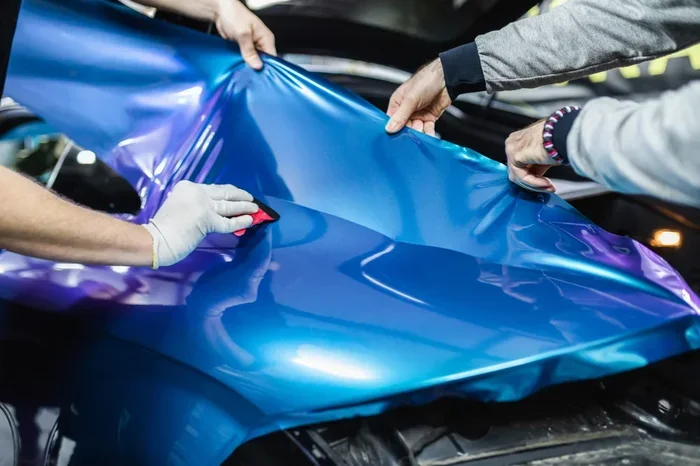
Professional installation makes a huge difference. A skilled installer ensures the vinyl adheres properly to every curve and edge. Poor installation leads to air bubbles, loose edges, and premature peeling. Always choose an experienced wrap installation professional with a solid portfolio. The extra cost is well worth the added durability.
Climate and Weather Exposure
Where you live and park your car matters a lot. Cars parked in hot, sunny climates face more UV damage. Vehicles in coastal areas deal with salt air corrosion. Harsh winters with road salt also take a toll. Extreme temperatures can cause the vinyl to expand and contract, leading to cracking over time.
Driving Habits and Conditions
How you drive affects your wrap too. Frequent off-road driving exposes the wrap to rocks, dirt, and debris. Highway driving creates more wind resistance and friction. Cars used daily in heavy traffic face more wear than garage-kept vehicles. Your driving environment directly impacts how long the wrap stays intact.
Maintenance and Cleaning Practices
Regular maintenance keeps your wrap looking fresh and extends its life. Dirt, bird droppings, tree sap, and road grime can break down the vinyl surface over time. Neglecting cleaning leads to staining and discoloration. A simple maintenance routine goes a long way in preserving your wrap.
How to Make Your Car Wrap Last Longer
Want to get the most miles out of your car wrap? Follow these practical tips to maximize wrap durability and keep your vehicle looking stunning.
Wash Your Car Regularly
Wash your wrapped car at least every two weeks. Use a mild, pH-neutral car wash soap. Avoid high-pressure washers near the edges of the wrap, as the force can lift the adhesive. Always hand-dry the vehicle with a soft microfiber cloth to prevent scratches.
Avoid Harsh Chemicals
Never use abrasive cleaners, bleach, or ammonia-based products on your wrap. These chemicals break down the vinyl surface and the adhesive underneath. Stick to wrap-safe cleaning solutions recommended by your installer. A quick wipe-down after bird droppings or tree sap prevents permanent damage.
Park Smart
Whenever possible, park your car in a garage or under a shade tree. UV rays from direct sunlight are the number one enemy of car wraps. If covered parking is not an option, consider using a car cover during extended parking periods. Reducing sun exposure significantly slows down fading.
Apply Wrap Sealant
Every six months, apply a wrap protection sealant to the surface. These sealants add an extra layer of defense against UV rays, dirt, and water. They also make future cleaning easier. Many installers offer sealant application services or sell products you can use at home.
Be Gentle With Touch-Ups
If your wrap gets a small scratch or chip, address it quickly. Many wrap shops offer touch-up services that prevent small damage from spreading. Avoid using rough materials like steel wool or abrasive pads when cleaning damaged areas. Gentle care prevents minor issues from becoming major problems.
Follow Manufacturer Guidelines
Every wrap film comes with care instructions from the manufacturer. Read them carefully and follow them closely. Some films require specific cleaning products or maintenance schedules. Sticking to these guidelines ensures your warranty remains valid and your wrap performs at its best.
Signs Your Car Wrap Needs Replacement
Even with the best care, every wrap eventually needs to be replaced. Knowing the warning signs helps you act before the wrap causes damage to your original paint.
Fading and Discoloration
If your wrap starts to lose its vibrant color, it is a clear sign of UV damage. Fading usually begins on the hood, roof, and trunk — areas with the most sun exposure. Light fading might be tolerable, but significant color loss means the wrap has reached the end of its useful life.
Peeling and Lifting Edges
When the edges of your wrap start to lift or peel, the adhesive is failing. This often happens around door handles, mirrors, and body lines. Peeling not only looks bad but also allows moisture to seep underneath. trapped moisture can damage the original paint and cause rust.
Cracking and Brittleness
Old vinyl becomes brittle and develops small cracks. You may notice these cracks more when the car is in motion or during temperature changes. Cracked wraps no longer provide adequate protection. They also look unsightly and should be replaced promptly.
Adhesive Failure and Bubbling
Bubbles under the wrap indicate adhesive breakdown. This can happen from heat exposure, poor initial installation, or simply age. Small bubbles might be manageable, but widespread bubbling means the wrap needs to come off. Continuing to drive with a bubbling wrap can lead to further damage.
Stains That Won’t Come Out
Sometimes deep stains from bird droppings, tree sap, or chemical spills become permanent. If regular cleaning no longer removes the stains, the wrap surface has been compromised. Stained wraps can also trap moisture against the paint, leading to potential corrosion issues.
Car Wrap vs. Traditional Paint
Many car owners wonder whether wrapping is better than painting. Both options have pros and cons when it comes to durability, cost, and protection.
Durability Comparison
A high-quality car wrap lasts 5 to 7 years on average. A professional paint job can last 10 to 15 years or more. However, wraps offer the advantage of being removable. You can change your car’s appearance anytime without permanent commitment. Paint is permanent, which can reduce resale value if the color is unpopular.
Paint Protection Benefits
One of the biggest advantages of a car wrap is paint protection. The vinyl film shields your original paint from UV rays, minor scratches, and environmental damage. When you remove the wrap, your original paint stays intact and protected. This makes wraps an excellent choice for leased vehicles or cars you plan to sell.
Cost Considerations
Wraps are generally more affordable than a full paint job. A standard wrap costs between $2,000 and $5,000, while a quality paint job can run $5,000 to $10,000 or more. Wraps also offer the flexibility to change your car’s look without a significant financial commitment. For many owners, the car wrapping cost is well worth the benefits.
Resale Value Impact
Wraps can actually increase resale value by preserving the original paint. Buyers prefer vehicles with untouched factory paint over repainted cars. A clean, well-maintained wrap signals that the owner cared for the vehicle. Removing the wrap before selling gives the car a blank canvas that appeals to a wider range of buyers.
Common Car Wrap Mistakes to Avoid
Even the best wraps can fail if you make avoidable mistakes. Here are common errors that shorten wrap lifespan.
- Choosing the cheapest option: Budget wraps may save money upfront but cost more in the long run due to premature replacement.
- Skipping professional installation: DIY wraps often have bubbles, misalignment, and adhesion problems that reduce durability.
- Neglecting regular cleaning: Built-up dirt and contaminants break down the vinyl surface faster than you might think.
- Using automatic car washes: High-pressure brushes and harsh chemicals can damage wrap edges and lift the adhesive.
- Ignoring small damage: Small scratches or chips left unaddressed can spread and compromise the entire wrap.
- Parking without protection: Constant exposure to direct sunlight and harsh weather accelerates wear and fading.
Expert Insights on Wrap Longevity
We spoke with several experienced vehicle wrap professionals to get their top tips for extending wrap life. Here is what they had to say.
Invest in quality materials. Most experts agree that the vinyl film you choose is the foundation of wrap longevity. Premium cast vinyl films with UV-resistant coatings consistently outperform budget options. Spending a bit more upfront saves money on early replacements.
Never underestimate the importance of prep work. Proper surface preparation before installation is critical. The vehicle must be thoroughly cleaned, decontaminated, and free of old wax or polish. Any contaminants trapped under the wrap will cause adhesion problems and shorten the lifespan.
Build a relationship with your installer. Good installers offer follow-up care advice and maintenance services. They can spot early warning signs of wrap degradation and recommend timely touch-ups. This ongoing relationship ensures your wrap gets the care it needs throughout its lifespan.
Key Takeaways
- Average Lifespan: Most car wraps last 5 to 7 years with proper care and maintenance.
- Material Quality: Premium cast vinyl wraps outlast budget calendered vinyl by several years.
- Professional Installation: Skilled installation prevents adhesion issues and significantly extends wrap life.
- Climate Matters: Extreme heat, cold, and coastal conditions all shorten wrap durability.
- Regular Maintenance: Gentle washing, sealant application, and prompt damage repair keep wraps looking great.
- Paint Protection: Wraps shield original paint from UV damage, scratches, and environmental contaminants.
- Know When to Replace: Fading, peeling, cracking, and bubbling are clear signs it is time for a new wrap.
Conclusion
So, how long does a car wrap last? The answer depends on your choices. From the material you select to the installer you hire and the maintenance you provide, every decision impacts your wrap’s lifespan. A well-chosen, professionally installed, and properly maintained wrap can protect your vehicle and look fantastic for 7 years or more.
Take the time to research your options, invest in quality, and commit to a simple care routine. Your car wrap is an investment in your vehicle’s appearance and protection. Treat it right, and it will reward you with years of stunning looks and reliable paint protection.
Whether you are considering your first wrap or looking to replace an aging one, understanding wrap longevity puts you in the driver’s seat. Make informed decisions, follow expert advice, and enjoy the benefits of a beautifully wrapped vehicle for years to come.
Frequently Asked Questions
Can a car wrap last 10 years?
Yes, premium vinyl wraps from top brands can last up to 10 years or more with excellent maintenance. Cast vinyl films with UV-resistant coatings offer the longest lifespan. However, most standard wraps last between 5 and 7 years on average.
Does a car wrap protect the original paint?
Absolutely. A car wrap acts as a protective layer over your original paint. It shields the paint from UV rays, minor scratches, bird droppings, tree sap, and other environmental damage. When removed properly, the original paint underneath stays in excellent condition.
How often should I wash my wrapped car?
You should wash your wrapped car at least every two weeks. More frequent washing is recommended if you drive in harsh conditions or park outdoors. Always use mild, pH-neutral soap and avoid high-pressure washers near the wrap edges.
Is it cheaper to wrap or paint a car?
Wrapping is generally more affordable than painting. A standard car wrap costs between $2,000 and $5,000, while a quality paint job can range from $5,000 to $10,000 or more. Wraps also offer the benefit of being removable and changeable without permanent commitment.
Can I wrap my car myself?
While it is possible to DIY a car wrap, professional installation is strongly recommended. Professional installers have the tools, experience, and skills to ensure proper adhesion and a flawless finish. DIY wraps often suffer from bubbles, misalignment, and premature peeling that shorten the wrap’s lifespan.
What happens to the paint when I remove a car wrap?
When removed correctly by a professional, the original paint remains intact and protected. High-quality wraps do not damage the paint underneath. However, improper removal or leaving a wrap on for too long can cause adhesive residue or minor paint discoloration in rare cases.