Can I Put 88 Gas in My Car Here Is What You Should Know
Can I put 88 gas in my car? The answer depends on your vehicle’s compression ratio and manufacturer recommendations. While some cars can handle 88-octane fuel without issues, others may experience engine knocking or reduced engine performance if the octane level is too low. Always check your owner’s manual before switching fuels.
This is a comprehensive guide about Can I Put 88 Gas in My Car.
Key Takeaways
- 88-octane fuel is lower than standard regular gas: Most vehicles need at least 87 octane, so 88 gas may work for some cars but not all.
- Engine knocking is a real risk: Using fuel with an incorrect octane rating can cause detonation and damage over time.
- Your owner’s manual is the best guide: Always follow the manufacturer’s fuel recommendations for safe and efficient driving.
- Compression ratio matters: High-performance and turbocharged engines need higher octane fuel to run properly.
- Fuel economy may suffer: Lower octane gas can reduce your vehicle’s fuel efficiency and overall performance.
- Some engines are compatible: Older or lower-compression engines may run fine on 88-octane fuel without problems.
[FEATURED_IMAGE_PLACEHOLDER]
What Is 88 Gas? Understanding the Basics
Before we answer the big question, let’s break down what 88 gas actually is. 88-octane gasoline is a fuel blend with an octane rating of 88. Octane rating measures a fuel’s ability to resist engine knocking or detonation. The higher the number, the more resistant the fuel is to premature ignition inside the engine.
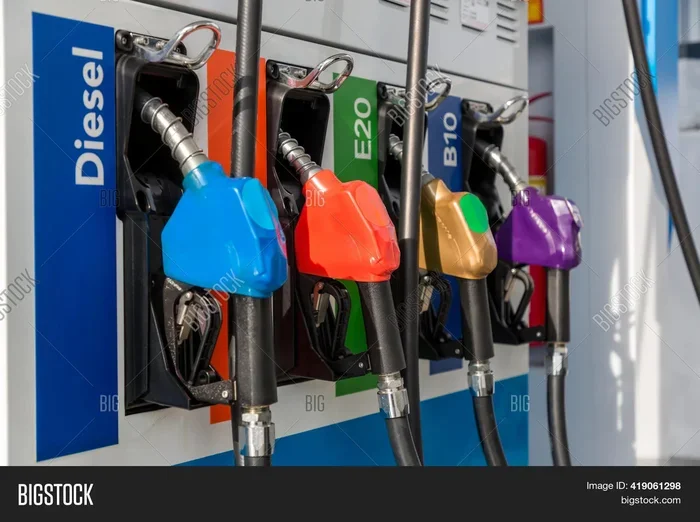
Most gas stations in the United States sell three main grades:
- Regular: Typically 87 octane
- Mid-grade: Usually 88 to 89 octane
- Premium: Generally 91 to 94 octane
So 88 gas falls right between regular and mid-grade. Some stations may label it as “plus” or “mid-grade” fuel. It’s not a rare or exotic fuel type. You can find it at many gas stations across the country. The question is whether your specific car needs it or can handle it.
How Octane Ratings Work
Your car’s engine compresses a mixture of air and fuel before igniting it with a spark plug. The octane rating tells you how much compression the fuel can handle before it ignites on its own. This is important because premature ignition — also called engine knocking — can cause serious damage over time.
Think of it this way. Lower octane fuel is like a firecracker that goes off too early. Higher octane fuel is more stable and waits for the spark plug to do its job. Every engine is designed to work with a specific octane range. That’s why your car’s manufacturer gives you fuel recommendations in the owner’s manual.
Is 88 Gas Safe for Your Car Engine?
Here’s where things get a little tricky. The safety of using 88-octane fuel depends entirely on your vehicle. For most modern cars designed to run on 87-octane regular gas, 88 gas is slightly higher than what they need. This means it won’t harm your engine. In fact, it may offer a small improvement in engine performance.
However, there’s a flip side. Some older vehicles or those with specific engine designs may not be built for 88 octane. Let’s look at the different scenarios:
Cars That Need Regular 87 Octane
Most everyday sedans, hatchbacks, and small SUVs fall into this category. These vehicles have compression ratios designed for 87-octane fuel. Using 88 gas in these cars won’t cause any harm. It’s essentially the same as running slightly richer fuel. Your fuel injection system will adjust accordingly.
But here’s the thing — there’s no real benefit either. You’ll likely pay more per gallon without noticing any improvement in fuel economy or power. It’s like paying for extra toppings on a burger you ordered plain. Sure, it won’t hurt you. But it’s not worth the money.
Cars That Need Premium 91 Octane
High-performance vehicles, luxury cars, and turbocharged engines often require premium fuel. These engines have higher compression ratios that demand more stable fuel. If your car says “premium fuel required,” using 88 gas is risky. It’s too low in octane for these engines.
What could happen? Engine knocking is the most common issue. You might hear a pinging or rattling sound from the engine. Over time, this can lead to reduced engine performance and even permanent damage. The knock sensor in your car may help compensate, but it can’t fix the fundamental problem of insufficient octane.
Cars That Need Mid-Grade 88 to 89 Octane
Some vehicles are designed to run best on mid-grade fuel. These cars sit right in the sweet spot for 88-octane gas. If your manual recommends 88 or 89 octane, then this fuel type is a perfect match. You’ll get optimal fuel efficiency and smooth engine performance.
What Happens If You Use 88 Gas Instead of Regular?
Let’s say you accidentally filled up with 88 gas when your car needs 87. Or maybe you chose 88 thinking it would be better. Don’t panic. Here’s what you need to know:
Short-Term Effects
In most cases, using 88 gas when your car needs 87 won’t cause immediate problems. Your car will likely run just fine. You might not notice any difference in how the engine sounds or performs. The fuel injection system and engine control unit are designed to adapt to small changes in fuel composition.
However, if your car needs premium fuel and you put in 88 gas, you might notice:
- Engine knocking: A pinging or rattling sound, especially under load
- Reduced power: The engine may feel sluggish or less responsive
- Check engine light: The knock sensor may trigger a warning
- Poor fuel economy: The engine may consume more fuel to compensate
Long-Term Effects
Repeatedly using the wrong octane fuel can lead to bigger problems over time. Detonation — the premature ignition of fuel — creates excess heat and pressure inside the cylinder. This can wear out piston rings, damage cylinder walls, and affect the fuel economy of your vehicle.
Here’s a quick comparison table to help you understand the risks:
Fuel Compatibility at a Glance
| Your Vehicle Needs | You Use 88 Gas | Result |
|---|---|---|
| 87 Octane (Regular) | Slightly higher | No harm, no benefit |
| 88 Octane (Mid-Grade) | Exact match | Optimal performance |
| 91 Octane (Premium) | Too low | Engine knocking, potential damage |
As you can see, the key is matching your fuel to your engine’s design. Don’t just guess — check your owner’s manual or look at the fuel door. Most cars have a label inside the fuel door that says something like “Regular Unleaded Fuel Only” or “Premium Fuel Required.”
When Might 88 Gas Actually Work for Your Car?
There are specific situations where 88-octane fuel makes perfect sense. Let’s look at a few:
Older Vehicles with Lower Compression Engines
Classic cars and older models often have lower compression ratios. These engines were designed for simpler fuel types. In some cases, 88-octane gas can run better than 87 because it offers slightly more stability. If you own a vintage car, check with a mechanic who specializes in classic vehicles. They can help you find the right automotive fuel for your engine.
Vehicles Designed for Mid-Grade Fuel
Some manufacturers specifically recommend mid-grade fuel for certain models. These cars have engines tuned to get the best performance from 88 to 89 octane. Using regular 87 might cause slight knocking. Using premium 91 might be a waste of money. For these vehicles, 88 gas is the goldilocks zone — just right.
High-Altitude Driving
Here’s something many people don’t know. At high altitudes, the air is thinner. This affects how your engine burns fuel. Some older vehicles were designed to use lower octane fuel at elevation. If you frequently drive in mountainous areas, 88-octane gas might actually serve you better. However, modern cars with knock sensors can usually adapt to altitude changes automatically.
Flex-Fuel and Ethanol Blends
Some flex-fuel vehicles can run on gasoline with higher ethanol content. While 88 gas typically refers to octane rating, some fuel blends with 88 octane may contain ethanol. If your car supports E10 or E15 blends, you may find 88-octane fuel with ethanol at certain gas stations. Always confirm your vehicle is compatible with ethanol blends before filling up.
How to Choose the Right Gas for Your Vehicle
Now that you understand 88 gas better, let’s talk about how to pick the right fuel every time. This is simpler than it sounds if you follow these steps:
Step 1: Read Your Owner’s Manual
This is the most important step. Your owner’s manual tells you exactly what fuel your car needs. Look for a section on fuel requirements. It will say something like “Use premium unleaded fuel with a minimum octane rating of 91” or “Regular unleaded fuel with a minimum octane rating of 87.”
Don’t rely on advice from friends, online forums, or gas station attendants. Your car’s manufacturer tested the engine specifically for certain fuel types. Their recommendation is based on real testing and engineering data.
Step 2: Check the Fuel Door Label
If you don’t have the manual handy, open your fuel door. There’s usually a sticker or embossed text that tells you the minimum octane rating. This is a quick and easy way to get the information you need right at the pump.
Step 3: Listen to Your Engine
Sometimes your engine tells you what it needs. If you hear knocking or pinging sounds, especially when accelerating or going uphill, your fuel might be too low in octane. This is a sign of engine knocking and should not be ignored. Switch to a higher octane fuel as soon as possible.
Step 4: Consider Your Driving Conditions
Your fuel needs can change based on how and where you drive. Fuel efficiency matters more if you do a lot of highway driving. If you mostly drive in the city with lots of stop-and-go traffic, your engine experiences different stresses. Consider these factors when choosing between regular, mid-grade, and premium fuel.
Quick Tips for Fueling Your Car
- Don’t wait until the tank is empty. Running low can cause fuel pump issues and sediment buildup.
- Stick to reputable gas stations. Quality fuel matters more than the brand name.
- Don’t switch octane levels frequently. Pick one that matches your manual and stay consistent.
- Pay attention to fuel economy. Track your miles per gallon to see if your fuel choice is working for you.
- Use top-tier fuel. These brands meet higher detergent standards that help keep your engine clean.
Common Mistakes People Make About 88 Gas
Let’s clear up some misconceptions that float around about fuel choices:
Mistake 1: “Higher Octane Is Always Better”
This is probably the biggest myth in automotive fuel. Higher octane is not better if your engine doesn’t need it. Putting premium fuel in a car that runs on regular is like using premium gasoline in a lawnmower. It won’t hurt anything, but you’re wasting money. Your engine performance won’t improve. Your fuel economy won’t get better. The money you spend goes straight into the trash.
Mistake 2: “All Gas Stations Sell the Same Fuel”
While the base gasoline from major brands is similar, the detergent packages differ. Top-tier brands add extra detergents that keep your fuel injection system clean. Over time, carbon buildup can affect how your engine runs. Using quality fuel helps prevent this. It’s one of the simplest ways to maintain your car’s health.
Mistake 3: “My Car Runs Fine on 88 Gas So It Must Be OK”
Just because your car doesn’t immediately break down doesn’t mean the fuel is ideal. Short-term compatibility doesn’t mean long-term safety. If your car needs 91 octane and you’re running 88, the detonation might be happening at levels too small to notice right away. But over thousands of miles, the cumulative damage can be significant. Get your engine checked if you’re unsure.
Mistake 4: “Mixing Fuels Will Damage My Car”
If you accidentally mix regular and premium fuel, don’t worry. Your car’s system will simply run on the average octane. The real danger comes from consistently using fuel below your minimum requirement. A single tank of the wrong octane won’t destroy your engine, but making it a habit could lead to expensive repairs.
Expert Insights on Fuel Choices and Engine Health
We asked automotive experts about their take on using 88 gas and general fuel practices. Here’s what they had to say:
Follow the Manufacturer’s Guidance — Every Time
Mechanics and automotive engineers consistently stress one point: trust your manufacturer’s fuel recommendations. These recommendations are based on extensive testing with your specific engine design. The compression ratio, fuel injection system timing, and ignition settings are all calibrated for a particular octane range. Deviating from that range — either higher or lower — can affect how everything works together.
Watch for Warning Signs
Experts say drivers should pay attention to subtle changes in how their car behaves. Reduced fuel efficiency, unusual engine sounds, and a drop in acceleration power are all potential signs of fuel mismatch. If you notice any of these, take your car to a trusted mechanic. Early detection can prevent costly engine repairs down the road.
Keep Records of Your Fuel Usage
One piece of practical advice from seasoned mechanics: track your fuel fills. Note the octane rating, the station, and how your car performs after each fill-up. Over time, this gives you a clear picture of what fuel works best for your vehicle. It’s a simple habit that can save you money and keep your engine running strong.
Conclusion: Can I Put 88 Gas in My Car?
So, can I put 88 gas in my car? The answer isn’t a simple yes or no. It depends on your vehicle’s engine design, compression ratio, and manufacturer recommendations. For cars that need regular 87-octane fuel, 88 gas is safe but unnecessary. For cars designed for mid-grade fuel, it’s a perfect match. For vehicles that require premium 91-octane fuel, 88 gas is too low and can cause engine knocking and long-term damage.
The best thing you can do for your car is to follow the fuel recommendations in your owner’s manual. Don’t guess. Don’t rely on myths. Use the right gasoline types for your specific car engine, and you’ll enjoy better fuel efficiency, smoother engine performance, and a longer-lasting vehicle.
Remember, your car is an investment. Treating it with the right fuel is one of the easiest and most affordable ways to protect that investment. Next time you’re at the gas station, take a moment to check what your car actually needs. Your engine will thank you for it.
Frequently Asked Questions
Can I put 88 gas in a car that needs 87 octane?
Yes, you can safely put 88-octane gas in a car that requires 87-octane regular fuel. The slightly higher octane won’t harm your engine. However, you likely won’t notice any performance improvement, and you may pay a bit more per gallon. It won’t hurt anything, but it’s not necessary either.
Will 88 gas improve my car’s fuel efficiency?
Not necessarily. If your car is designed for 87-octane fuel, using 88 gas won’t improve your fuel economy in any meaningful way. Fuel efficiency is determined by your engine design, driving habits, and maintenance — not by using a slightly higher octane than required. Only vehicles specifically tuned for mid-grade fuel will see benefits from 88 octane.
What happens if I put 88 gas in a car that needs premium 91?
Using 88 gas in a car that needs 91-octane premium fuel can cause engine knocking and detonation. Your knock sensor may try to compensate by adjusting timing, but this isn’t a permanent fix. Over time, you risk reduced engine performance and potential internal damage. Always use the minimum octane rating your manufacturer recommends.
Is 88 gas the same as E10 or ethanol-blended fuel?
No, 88 gas refers to the octane rating, not the ethanol content. E10 fuel contains 10% ethanol and 90% gasoline. While some 88-octane fuel may contain ethanol, the two terms describe different properties. Check the fuel pump label carefully to see both the octane rating and the ethanol content before filling up your car engine.
Can using the wrong octane gas void my car’s warranty?
It depends on your warranty terms. If your manufacturer requires premium fuel and you consistently use lower octane gas like 88, and it leads to engine damage, the warranty may not cover those repairs. Always read your warranty documentation and follow the fuel recommendations listed in your owner’s manual to stay fully protected.
How can I find out what octane fuel my car needs?
There are three easy ways to find out. First, check your owner’s manual — it will list the minimum octane rating under the fuel or maintenance section. Second, look inside your fuel door; most cars have a label there with the required octane level. Third, check your car’s fuel cap, which sometimes has the recommended fuel type printed on it. When in doubt, check your owner’s manual for the definitive answer on what automotive fuel your vehicle needs.