Why Is My RCTA Light On and How to Fix the Problem
The RCTA light on your dashboard means your Rear Cross-Traffic Alert system needs attention. This warning can appear for many reasons, from dirty sensors to a simple system glitch. Understanding what triggers the light helps you fix it fast and stay safe on the road.
Have you ever backed out of a parking spot and noticed a strange light glowing on your dashboard? If that light says RCTA, you are probably wondering what is going on. The good news is that this is a common issue, and it is usually easy to fix.
RCTA stands for Rear Cross-Traffic Alert. It is a smart safety feature that helps drivers spot cars, bikes, or pedestrians coming from the sides when they are reversing. When the RCTA light turns on, it means the system has detected a problem and needs your attention. In this guide, we will walk you through exactly why your RCTA light is on and how to fix it step by step.
Whether you drive a Toyota, Honda, Ford, or any other brand, the basics are the same. Let us dive in and get that light turned off for good.
Key Takeaways
- RCTA stands for Rear Cross-Traffic Alert: It is a safety system that warns you of traffic coming from the sides when you reverse.
- A lit RCTA light usually means a sensor issue: Dirty or blocked rear sensors are the most common cause.
- Simple fixes often work: Cleaning sensors, resetting the system, or checking the fuse can solve the problem.
- Do not ignore the warning: Driving with a disabled RCTA system reduces your safety when parking or backing up.
- Professional help may be needed: If basic steps fail, a mechanic or dealer can diagnose deeper electrical or module problems.
- Prevention is easy: Regular cleaning and timely maintenance keep the RCTA system working reliably.
📑 Table of Contents
What Is the RCTA System and Why Does It Matter?
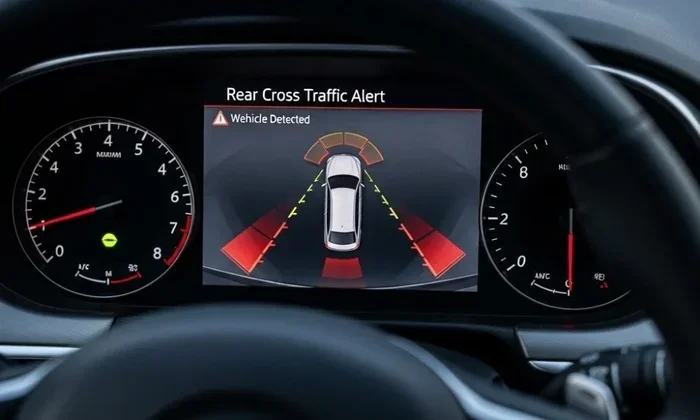
The Rear Cross-Traffic Alert system uses sensors placed in your rear bumper. These sensors scan the area behind your car when you are backing up. They detect moving objects like approaching vehicles, cyclists, or even animals. When something is detected, the system alerts you with a beep or a visual warning on the dashboard.
This system works closely with your backup camera and parking sensors. Together, they create a safety net that makes reversing much safer. Many modern vehicles also pair RCTA with blind spot monitoring to give you full coverage around the car.
The RCTA light on your dashboard is the indicator that this system is active or that something is wrong. When it stays on constantly, that is a signal you should not ignore. A working RCTA system can prevent costly accidents, especially in tight parking lots or busy driveways.
How the Rear Cross-Traffic Sensors Work
Each rear bumper has small radar sensors hidden inside. These sensors send out signals that bounce off objects and return to the sensor. The system then calculates the speed and distance of the approaching object. If something is getting too close, the alert kicks in.
Here is how the process works in simple steps:
- The sensors activate when you shift into reverse.
- They scan the left and right sides behind the car.
- If a moving object is detected, the system triggers a warning.
- The dashboard RCTA light may flash or stay solid depending on the alert level.
Understanding this process helps you see why a sensor problem can cause the light to stay on. Even a small blockage can disrupt the entire system.
Why Is My RCTA Light On? Common Causes
The RCTA warning light can come on for several reasons. Some are simple fixes you can do at home, while others need professional attention. Let us look at the most common causes.
Dirty or Blocked Rear Sensors
This is the number one reason the RCTA light comes on. The rear sensors sit in your bumper, and they can get covered in dirt, mud, snow, or road grime. When the sensors cannot send or receive signals properly, the system throws a warning.
Think of it like a camera lens covered in dust. The camera still works, but it cannot see clearly. The same thing happens with your rear cross-traffic sensors. A quick wash of the rear bumper often solves this problem right away.
Sensor Damage from Debris or Accidents
Sometimes the sensors get physically damaged. A minor bumper scrape, a parking lot bump, or road debris can knock a sensor out of alignment. Even a small crack in the bumper cover can affect how the sensor reads the environment around your car.
If you recently had a minor collision or scraped your bumper, that could be the reason the RCTA light is on. In these cases, the sensor may need to be replaced or recalibrated by a professional.
Electrical or Wiring Issues
Your car relies on a network of wires to connect all its safety systems. Over time, wires can fray, corrode, or become loose. A damaged wire leading to the rear bumper sensors can cause the RCTA system to malfunction.
Moisture can also get into the sensor housing and cause short circuits. This is more common in older vehicles or cars that have been through harsh weather. If you notice the RCTA light flickering on and off, a wiring issue could be the culprit.
System Glitch or Software Error
Modern cars run on complex computer systems. Sometimes, a simple software glitch causes the RCTA light to turn on even when nothing is actually wrong. This is more common after a battery disconnect, a software update, or when the car battery is low.
A system reset often clears this type of error. We will cover how to do that in the next section.
Low Battery Voltage
The RCTA system needs a stable power supply to work correctly. If your car battery is weak or dying, the system may not get enough voltage. This can trigger the warning light on your dashboard.
If the RCTA light comes on along with other warning lights, a low battery is a strong possibility. Have your battery tested at an auto parts store. Most stores offer this service for free.
Fuse or Module Failure
Every safety system in your car has a fuse and a control module. If the fuse for the RCTA system blows, the light will come on. Similarly, the control module that manages the rear cross-traffic alerts can fail over time.
This is a less common cause, but it does happen. A mechanic can check the fuse box and the control module to rule this out. Replacing a fuse is inexpensive, but a module failure may require more involved repairs.
How to Fix the RCTA Light: Step-by-Step Solutions
Now that you know the common causes, let us look at how to actually fix the problem. Start with the simplest solutions and work your way down the list.
Step 1: Clean the Rear Sensors
Grab a soft cloth and some soapy water. Gently clean the rear bumper area, paying close attention to the sensor locations. These are usually small, flat patches on either side of the rear bumper, near the taillights.
After cleaning, dry the area thoroughly and take the car for a short drive. Turn the ignition off and then back on. Check if the RCTA light has turned off. In many cases, this simple step is all you need.
Quick Tip: Make it a habit to clean your rear sensors whenever you wash your car. This keeps the RCTA system working at its best and prevents false warnings.
Step 2: Reset the RCTA System
A system reset can clear minor software glitches. Here is how to do it:
- Turn off the engine and remove the key from the ignition.
- Open the driver-side door and wait for 30 seconds.
- Close the door and reconnect the battery if needed.
- Start the engine and check if the RCTA light is off.
If the light stays on after a reset, move on to the next step. A reset works best for temporary glitches, not for physical damage or wiring problems.
Step 3: Check the Fuse Box
Locate your fuse box, which is usually under the dashboard on the driver side or in the engine bay. Refer to your owner manual to find the fuse labeled RCTA or rear cross-traffic alert.
Pull out the fuse and inspect it visually. If the metal strip inside is broken, the fuse is blown. Replace it with a new fuse of the same amperage. This is a cheap and easy fix that many car owners can do themselves.
Step 4: Inspect the Rear Bumper and Sensors
Walk around your car and look closely at the rear bumper. Check for cracks, loose fittings, or visible damage near the sensors. If you see any physical damage, it is best to visit a mechanic or dealership.
They have the tools to test each sensor individually and determine if a replacement is needed. Sensor replacement costs vary, but most range from 100 to 300 per sensor depending on your vehicle model.
Step 5: Visit a Professional Mechanic
If none of the above steps work, it is time to see a professional. A certified mechanic or dealership technician can run a diagnostic scan on your car. This scan reads the error codes stored in the vehicle computer and points to the exact problem.
Do not wait too long to get this checked. A malfunctioning RCTA system means you are losing an important safety feature every time you reverse.
RCTA Light on Different Car Brands
The RCTA system works similarly across most vehicles, but the light behavior and reset methods can vary by brand. Here is a quick comparison of how different manufacturers handle the RCTA light.
| Brand | RCTA Light Location | Common Trigger | Reset Method |
|---|---|---|---|
| Toyota | Dashboard gauge cluster | Dirty sensors, low battery | System reset via infotainment |
| Honda | Instrument panel | Sensor blockage, wiring fault | Battery disconnect reset |
| Ford | Driver information center | Software glitch, module error | Scan tool at dealership |
| Chevrolet | Dashboard warning area | Rear bumper damage, fuse blow | Fuse replacement or reset |
| Nissan | Dashboard cluster | Sensor corrosion, low voltage | Infotainment system reset |
Always refer to your vehicle owner manual for model-specific instructions. The manual will tell you exactly where the RCTA light is and what it means for your particular car.
Can You Drive Safely with the RCTA Light On?
This is a question many drivers ask, and the answer depends on the situation. If the RCTA light is on, the system may not be working properly. That means you lose the extra protection it provides when reversing.
For short distances on empty roads, you can drive carefully without the RCTA system. But in busy parking lots, tight driveways, or crowded areas, the risk increases significantly. The system is designed to catch things your mirrors and backup camera might miss.
Here are some safety tips if your RCTA light is on:
- Always look over your shoulder before reversing.
- Use your side mirrors and rearview mirror carefully.
- Turn your head to check blind spots on both sides.
- Go slowly and be extra cautious in parking lots.
- Avoid reversing in busy or crowded areas until the light is fixed.
The RCTA warning light is there to protect you. Treat it seriously and get it resolved as soon as possible.
How to Prevent the RCTA Light from Coming Back
Once you have fixed the RCTA light, you want to keep it from coming back. Prevention is always better than repair, and these simple habits go a long way.
Keep the Rear Sensors Clean
Make cleaning the rear bumper part of your regular car wash routine. Pay special attention after driving through mud, snow, or heavy rain. A few seconds of wiping can save you from a frustrating warning light later.
Schedule Regular Vehicle Maintenance
During routine service, ask your mechanic to inspect the rear sensors and wiring. Catching small issues early prevents them from turning into bigger problems. Most service centers will check all dashboard warning lights as part of a standard inspection.
Address Warning Lights Promptly
Never ignore a dashboard warning light, even if it seems minor. A small issue today can become a costly repair tomorrow. The RCTA light is one of those warnings that directly affects your safety on the road.
Protect the Rear Bumper
Parking carefully and avoiding tight spaces can reduce the risk of bumper damage. Consider using parking sensors or a backup camera overlay if your vehicle supports them. These add extra layers of protection for both your car and the RCTA system.
Expert Insight: Automotive technicians recommend checking the rear bumper sensors every 6 months. A quick visual inspection and a gentle wipe-down can keep the entire RCTA system functioning at peak performance for years.
Key Takeaways
- The RCTA light means your Rear Cross-Traffic Alert system needs attention: It is a safety warning you should not ignore.
- Dirty sensors are the most common cause: A simple cleaning often resolves the issue quickly.
- Reset the system after basic fixes: This clears minor software glitches that trigger false warnings.
- Check the fuse and wiring for electrical problems: These are easy to inspect and inexpensive to repair.
- See a professional if the light stays on: A diagnostic scan will pinpoint the exact cause.
- Regular maintenance prevents future issues: Keep sensors clean and address warning lights early.
Conclusion
Dealing with a glowing RCTA light can be stressful, but it is almost always a solvable problem. Whether it is a dirty sensor, a blown fuse, or a simple system reset, you have several options to try at home before visiting a mechanic. The key is to act quickly and not ignore the warning.
Your rear cross-traffic alert system is one of the most valuable safety features in your vehicle. It works hard every time you reverse, and keeping it in good shape protects you, your passengers, and others around you. Follow the steps in this guide, stay on top of regular maintenance, and your RCTA system will keep working reliably for a long time.
Now that you know exactly why your RCTA light is on and how to fix it, you are ready to take action. Start with the simplest solution, work through the list, and enjoy the peace of mind that comes with a fully functioning safety system.
Frequently Asked Questions
What does the RCTA light look like on the dashboard?
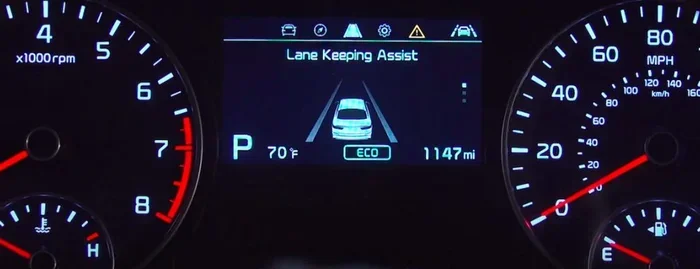
The RCTA light usually looks like a car with arrows pointing from the sides, often in yellow or red. It may also display the letters RCTA on your dashboard display. Check your owner manual to see the exact symbol for your vehicle model.
Can I reset the RCTA light myself?
Yes, in most cases you can reset the RCTA light yourself. Try cleaning the rear sensors, disconnecting the battery for 30 seconds, or turning the ignition off and on again. If these simple steps do not work, a professional diagnostic scan may be needed.
How much does it cost to fix the RCTA system?
The cost depends on the cause. Cleaning sensors is free, and replacing a fuse costs just a few dollars. Sensor replacement typically ranges from 100 to 300 per sensor, and module repairs can cost more. Always get a quote before committing to any repair.
Is it safe to drive with the RCTA light on?
It is safer to drive with the system working. If the RCTA light is on, the system may not alert you to approaching traffic when reversing. Use extra caution, check your mirrors and blind spots manually, and get the issue fixed as soon as possible.
Why does my RCTA light come on and then go off?
A flickering RCTA light often points to a loose connection, moisture in the sensor housing, or a temporary software glitch. Cleaning the sensors and resetting the system usually resolves this. If the problem persists, have a mechanic inspect the wiring and sensor connections.
Does weather affect the RCTA system?
Yes, extreme weather can affect the RCTA system. Heavy snow, ice, or mud covering the rear sensors can trigger the warning light. Rain and high humidity can also cause temporary sensor malfunctions. Keeping the rear bumper clean and dry helps prevent weather-related issues.