How Many Gallons Is My Car Tank And Why It Matters
Want to know how many gallons is my car tank? Understanding your vehicle’s fuel tank capacity helps you plan road trips, avoid running out of gas, and save money on fuel. This guide covers everything from finding your tank size to calculating your driving range and maximizing fuel efficiency.
Have you ever stopped at a gas station and wondered exactly how many gallons is my car tank? It is one of those details that seems small but actually plays a big role in your daily driving life.
Your fuel tank capacity determines how far you can go before needing to refuel, how much you spend on gas each month, and even how prepared you are for long road trips. Whether you drive a compact car or a heavy-duty truck, knowing your tank size gives you a real advantage.
In this article, we will break down everything you need to know about your vehicle’s fuel tank. You will learn how to find your tank size, why it matters for fuel economy, and practical tips to get the most out of every gallon.
By the end, you will have a clear picture of your car’s fuel tank capacity and the confidence to plan any trip without worrying about running low.
Key Takeaways
- Know Your Tank Size: Your fuel tank capacity affects fuel costs, road trip planning, and vehicle performance.
- Multiple Ways to Find It: Check your owner’s manual, look up your vehicle online, or inspect the fuel door for the tank size.
- Calculate Your Driving Range: Multiply your tank capacity by your miles per gallon to estimate how far you can go on a full tank.
- Tank Size Varies by Vehicle: Compact cars hold 12-15 gallons, while full-size trucks can carry 25-36 gallons or more.
- Small Habits Save Big Money: Driving smoothly, maintaining your vehicle, and keeping your tank at least a quarter full improves fuel efficiency.
- Avoid Costly Mistakes: Never run your tank to empty, and avoid overfilling, which can damage your fuel system.
📑 Table of Contents
How Many Gallons Is My Car Tank? Understanding Fuel Capacity
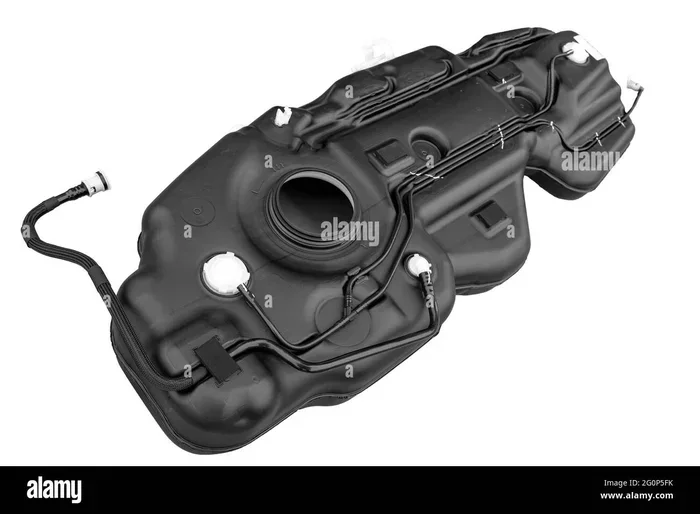
Your car’s fuel tank capacity is simply the maximum amount of fuel the tank can hold when completely full. This measurement is usually expressed in gallons in the United States and liters in most other countries.
The fuel tank capacity varies widely depending on the vehicle type, manufacturer, and model year. A small economy car might hold just 10 to 12 gallons, while a large SUV or pickup truck can carry 25 gallons or more.
Why Tank Capacity Differs Between Vehicles
Several factors influence how many gallons of gas your vehicle can hold. The engine size, vehicle weight, and design all play a role. Manufacturers balance tank size against cargo space, safety regulations, and overall vehicle design.
Here are the main reasons tank sizes vary so much:
- Vehicle type: Sedans typically have smaller tanks than trucks and SUVs.
- Engine size: Larger engines often pair with bigger tanks to extend driving range.
- Body design: Compact cars have less physical space for a large tank.
- Intended use: Vehicles built for long-distance driving tend to have larger tanks.
- Emissions regulations: Some regions limit tank size to reduce fuel vapor emissions.
Understanding your specific tank size helps you make smarter decisions about refueling and trip planning. It is the first step toward mastering your vehicle’s fuel efficiency.
How to Find Your Car’s Tank Size
Finding your car’s tank size is easier than most people think. There are several reliable methods you can use right now, even without popping the hood.
Check Your Owner’s Manual
The owner’s manual is the most accurate source for your vehicle’s fuel tank capacity. Look in the specifications section, which is usually found in the back of the manual. The tank size will be listed alongside other key details like engine type and curb weight.
If you no longer have your physical manual, most manufacturers offer free PDF versions on their websites. Simply search for your vehicle’s year, make, and model.
Look Up Your Vehicle Online
Several websites and tools can help you find your gas tank size quickly. You can enter your vehicle’s details and get instant results. Many automotive sites also provide fuel efficiency data and estimated driving range based on tank size.
A tank calculator can be especially helpful if you want to estimate how far you can go on a full tank. These tools factor in your vehicle’s miles per gallon rating and tank capacity to give you a realistic range estimate.
Check the Fuel Door or Fuel Gauge
Some vehicles have the tank capacity printed on the fuel door or near the fuel filler neck. You might also find a sticker under the fuel door that lists the tank size in gallons.
Your fuel gauge reading can also give you a rough idea, but it is not always precise. The gauge simply shows how full or empty the tank is, not the actual capacity in gallons.
Why Knowing Your Tank Size Matters
You might think knowing your tank size is just a fun fact, but it has real practical value. Understanding your vehicle’s fuel capacity affects nearly every aspect of your driving experience.
Budgeting for Fuel Costs
When you know your tank size, you can calculate exactly how much a full tank costs. Simply multiply your tank capacity by the current price of gas per gallon. This gives you a clear picture of your monthly fuel expenses.
For example, if your tank holds 15 gallons and gas costs $3.50 per gallon, a full tank costs $52.50. If you fill up twice a month, that is about $105 per month in fuel costs. This kind of fuel cost calculator approach helps you budget more accurately.
Planning Road Trips with Confidence
Nothing ruins a road trip faster than running out of fuel in an unfamiliar area. Knowing your driving range on a full tank helps you plan rest stops and fuel breaks with confidence.
A simple formula works well here: multiply your tank capacity by your vehicle’s average miles per gallon. If your tank holds 18 gallons and your car gets 28 miles per gallon, you can drive about 504 miles on a full tank. This means you can plan your stops accordingly and avoid unnecessary stress.
Avoiding Running Out of Gas
Many drivers learn the hard way what it means to hit empty. Understanding your fuel gauge reading and tank size helps you avoid this situation entirely. When your gauge shows a quarter tank, you can calculate roughly how many miles you have left based on your vehicle’s fuel efficiency.
Keeping your tank at least a half tank of gas is a smart habit, especially in winter. A half tank of gas reduces condensation buildup and ensures you have enough fuel for unexpected detours or emergencies.
Quick Tips for Daily Fuel Management
- Check your fuel gauge every time you start driving.
- Refuel when you hit a quarter tank to protect your fuel pump.
- Use a fuel cost calculator app to track your monthly spending.
- Keep a log of your fill-ups to monitor your gas mileage over time.
Expert Insight
According to automotive experts, the average driver underestimates their fuel range by about 15 percent. This gap between perceived and actual fuel range leads to unexpected stops and unnecessary anxiety on the road. Knowing your exact fuel tank capacity and vehicle fuel capacity eliminates guesswork and gives you precise control over your driving plans.
Average Gas Tank Sizes by Vehicle Type
Fuel tank sizes vary significantly across different vehicle categories. Here is a general breakdown of average fuel tank capacity for common vehicle types.
Compact and Economy Cars
Small cars like the Honda Civic, Toyota Corolla, and Hyundai Elantra typically have gas tank sizes ranging from 12 to 15 gallons. These vehicles are designed for fuel efficiency and daily commuting, so their tank size is modest but effective.
Most compact cars deliver excellent gas mileage, often achieving 30 to 40 miles per gallon on the highway. This means a 14-gallon tank can take you 420 to 560 miles on a single fill-up.
Sedans and Midsize Cars
Midsize sedans like the Toyota Camry and Honda Accord usually have tank sizes between 15 and 18 gallons. These vehicles offer a good balance of passenger comfort and fuel range.
With average fuel economy of 28 to 35 miles per gallon, a midsize sedan can cover 420 to 630 miles per tank. This makes them excellent choices for both city driving and longer journeys.
SUVs and Crossovers
SUVs tend to have larger fuel tank sizes, typically ranging from 16 to 22 gallons. Popular models like the Toyota RAV4 and Ford Explorer fall into this category.
Because SUVs are heavier and less aerodynamic, their fuel economy is generally lower, ranging from 22 to 30 miles per gallon. However, the larger tank compensates by providing a fuel range of 350 to 660 miles per full tank.
Trucks and Large Vehicles
Full-size trucks and large SUVs often have the biggest fuel tanks, with some models holding 25 to 36 gallons or more. Vehicles like the Ford F-150 and Chevrolet Silverado are built for hauling and towing, which requires substantial fuel capacity.
Truck fuel capacity is designed to support heavy workloads and long hauls. Even with lower fuel economy of 15 to 22 miles per gallon, these vehicles can travel 375 to 792 miles on a single tank.
| Vehicle Type | Average Tank Size (Gallons) | Avg. MPG | Estimated Driving Range |
|---|---|---|---|
| Compact Car | 12-15 | 30-40 | 360-600 miles |
| Midsize Sedan | 15-18 | 28-35 | 420-630 miles |
| SUV/Crossover | 16-22 | 22-30 | 350-660 miles |
| Full-Size Truck | 22-36 | 15-22 | 330-792 miles |
This comparison table gives you a general idea, but your actual fuel tank capacity and gas mileage will depend on your specific vehicle, driving habits, and conditions.
How to Calculate Your Driving Range
Calculating your driving range is one of the most practical skills any driver can develop. It tells you exactly how far you can travel on a full tank of gas.
The Simple Formula
The formula is straightforward: multiply your fuel tank capacity by your vehicle’s average miles per gallon. The result is your maximum driving range on a full tank.
For example, if your car has a 14-gallon tank and gets 30 miles per gallon, your driving range is 420 miles. This calculation works whether you are planning a daily commute or a cross-country adventure.
Factors That Affect Your Actual Range
Your actual fuel range will rarely match the theoretical maximum exactly. Several real-world factors influence how far you can really go:
- Driving habits: Aggressive acceleration and speeding reduce fuel efficiency significantly.
- Traffic conditions: Stop-and-go city driving uses more fuel than steady highway cruising.
- Weather: Cold weather reduces fuel economy, and running the heater adds to fuel consumption.
- Tire pressure: Underinflated tires create more rolling resistance and waste fuel.
- Payload weight: Carrying heavy loads or towing a trailer decreases your miles per gallon.
- Aerodynamics: Roof racks and cargo carriers increase drag and reduce fuel efficiency.
Using a tank calculator that accounts for these variables gives you a more realistic estimate of your actual driving range. Many modern vehicles also include a built-in range estimator on the dashboard display.
Tips to Maximize Your Fuel Tank
Once you know your fuel tank capacity, you can take steps to get the most out of every gallon. Small changes in your driving habits can lead to significant savings over time.
Drive Smoothly and Steadily
Aggressive driving is the enemy of fuel efficiency. Rapid acceleration, hard braking, and speeding can lower your gas mileage by 15 to 30 percent at highway speeds. Smooth, steady driving keeps your engine running efficiently and saves fuel.
Maintain Your Vehicle Regularly
A well-maintained vehicle runs more efficiently and uses less fuel. Keep up with regular oil changes, air filter replacements, and spark plug maintenance. A dirty air filter alone can reduce fuel efficiency by up to 10 percent.
Also, keep your tires properly inflated. Underinflated tires create extra friction, forcing your engine to work harder and burn more fuel. Checking tire pressure once a month is a simple habit that pays off.
Reduce Unnecessary Weight
Extra weight in your vehicle forces the engine to work harder. Remove unnecessary items from your trunk and cargo area. Every 100 pounds of extra weight can reduce your fuel economy by about 1 percent.
This is especially relevant for SUV fuel tank owners who may not realize how much extra cargo they are carrying. A cleaner, lighter vehicle simply gets better gas mileage.
Use Cruise Control on Highways
Cruise control helps maintain a steady speed, which is one of the best ways to improve fuel efficiency on long highway drives. It prevents unnecessary acceleration and deceleration that wastes fuel.
However, use cruise control wisely. On hilly terrain, the system may downshift and consume more fuel. On flat, open highways, it is one of the best tools for maximizing your fuel range.
Plan Your Fuel Stops Strategically
When planning a trip, look for fuel stations along your route before you actually need them. Waiting until your tank is nearly empty can be risky, especially in rural areas or during bad weather.
Many navigation apps now show gas station locations and current fuel prices along your route. Using a fuel cost calculator before a trip helps you estimate total expenses and find the best places to refuel.
Common Mistakes Drivers Make About Fuel Tanks
Even experienced drivers sometimes make mistakes when it comes to managing their fuel tank. Avoiding these common errors can save you money and prevent frustrating situations.
Waiting Until the Tank Is Almost Empty
Running your tank very low can damage your fuel pump over time. The pump relies on fuel for cooling, and running it dry causes overheating and premature wear. Keeping at least a quarter tank at all times protects your fuel system.
Overfilling the Tank
Some drivers try to squeeze every last drop into the tank by topping it off after the pump clicks off. This can actually cause problems. Overfilling can flood the charcoal canister, a component designed to capture fuel vapors, leading to costly repairs.
Ignoring the Fuel Gauge
Many drivers ignore their fuel gauge until it is too late. Paying attention to your fuel gauge reading and understanding what it means for your remaining range is essential. Do not wait for the low fuel warning light to decide when to refuel.
Conclusion
Understanding how many gallons is my car tank is more than just a number. It is a key piece of knowledge that empowers you as a driver. From budgeting for fuel costs to planning long road trips, your tank capacity touches almost every aspect of your driving life.
Take a few minutes to find your vehicle’s fuel tank capacity today. Check your owner’s manual, look up your vehicle online, or use a fuel tank calculator to get precise numbers. Once you know your tank size, you can calculate your driving range, plan fuel stops with confidence, and avoid common mistakes that waste money.
The more you understand about your vehicle’s fuel system, the better equipped you are to drive smarter, save money, and enjoy every mile on the road. Your fuel tank is the heart of your vehicle’s mobility, and treating it with knowledge and care makes every journey smoother.
FAQs
How do I find out how many gallons my car tank holds?
The easiest way is to check your owner’s manual, which lists the fuel tank capacity in the specifications section. You can also look up your vehicle’s year, make, and model online, or check for a sticker on the fuel door that may display the tank size in gallons.
What is the average fuel tank size for a regular car?
For most standard passenger cars, the average fuel tank capacity falls between 12 and 16 gallons. Compact cars tend to be on the lower end, while midsize sedans and crossovers usually have tanks in the 15 to 18 gallon range. The exact vehicle fuel capacity depends on the make, model, and year.
How far can you drive on a full tank of gas?
Your driving range depends on your tank size and fuel efficiency. Multiply your tank capacity in gallons by your vehicle’s average miles per gallon. For example, a 15-gallon tank with 30 miles per gallon gives you a range of 450 miles. Actual range varies based on driving conditions, speed, and vehicle load.
Is it bad to drive with a low fuel tank?
Yes, consistently driving with very low fuel can damage your fuel pump. The pump needs fuel to stay cool, and running it dry causes overheating and premature failure. Keeping your tank at least a quarter full is a smart habit that protects your vehicle and gives you a buffer for unexpected situations.
Does tank size affect fuel efficiency?
Tank size itself does not directly affect fuel efficiency, but larger vehicles with bigger tanks tend to be heavier and less aerodynamic, which can reduce miles per gallon. The fuel tank capacity is just one factor in your overall vehicle fuel economy, which is influenced by engine size, weight, and driving habits.
Can I increase my car’s fuel tank capacity?
It is technically possible to install an aftermarket fuel tank, but it is not always practical or safe. Modifying your fuel system can void warranties and create safety hazards. The best approach is to work with your stock tank size and focus on improving fuel efficiency through better driving habits and regular vehicle maintenance.