Does Jiffy Lube Change Serpentine Belts And How Much
Does Jiffy Lube Change Serpentine Belts? Absolutely, and they make it easy. You’ll pay between $100 and $200 for a quick, professional replacement. This guide explains the full process, cost breakdown, and what to expect.
If you’ve ever wondered, Does Jiffy Lube Change Serpentine Belts, the answer is a clear yes. Jiffy Lube is a well-known quick-lube chain that handles many routine vehicle maintenance tasks, and serpentine belt replacement is one of them. This long, winding belt powers several engine accessories, so keeping it in good shape is essential. In this guide, we’ll walk you through everything you need to know, from the service process to the exact cost. You’ll leave with a solid understanding of what to expect and how to keep your car running smoothly.
A serpentine belt might seem like a small part, but it plays a huge role. It connects the engine to the alternator, power steering pump, air conditioning compressor, and water pump. When it fails, you can lose power steering, your battery can die, and your engine can overheat. That’s why knowing where to get it replaced matters. Jiffy Lube offers a convenient, no-appointment-needed option for many drivers. Let’s dive into the details and help you make an informed decision.
Key Takeaways
- Jiffy Lube does change serpentine belts as a standard maintenance service.
- Cost ranges from $100 to $200 depending on your vehicle model and location.
- Replacement takes about 30 minutes for most standard vehicles.
- They inspect related components like tensioners and pulleys during the service.
- DIY is possible but risky due to proper tensioning and routing requirements.
- Regular belt checks prevent breakdowns and extend engine life.
📑 Table of Contents
- What Is a Serpentine Belt and Why It Matters
- Does Jiffy Lube Change Serpentine Belts
- How Much Does It Cost to Replace a Serpentine Belt at Jiffy Lube
- Step-by-Step: What Happens During the Service
- Can You DIY a Serpentine Belt Replacement
- How Often Should You Replace Your Serpentine Belt
- Key Takeaways
- Conclusion
What Is a Serpentine Belt and Why It Matters
The serpentine belt is a single, continuous belt that snakes through multiple pulleys in your engine. Unlike older vehicles that used several V-belts, modern cars use just one serpentine belt to drive all the accessories. This design is simpler, more efficient, and easier to maintain. The belt transfers power from the crankshaft to components that keep your car comfortable and safe.
How the Serpentine Belt Works
When your engine runs, the crankshaft turns the serpentine belt. The belt then spins the alternator, which generates electricity to charge your battery and power the electrical systems. It also drives the power steering pump, making it easier to turn the wheel. The air conditioning compressor gets its power from the same belt, so you get cold air on hot days. Finally, the water pump is often powered by the serpentine belt, which circulates coolant through the engine to prevent overheating.
All of these accessories rely on a properly tensioned belt. If the belt slips, stretches, or cracks, the performance of these systems drops. You might notice a whining noise, a dead battery, or a hot engine. That’s why regular inspections are so important.
Signs Your Serpentine Belt Needs Replacement
Knowing the warning signs can save you from a sudden breakdown. Here are the most common symptoms of a failing serpentine belt:
- Squealing or chirping noise from the engine bay, especially when starting the car or turning the steering wheel.
- Cracks, fraying, or glazing visible on the ribbed side of the belt.
- Power steering feels heavy or unresponsive.
- Battery warning light comes on because the alternator isn’t charging properly.
- Engine overheating if the water pump stops spinning.
- Air conditioning stops blowing cold air.
If you notice any of these signs, get the belt checked right away. A broken serpentine belt can leave you stranded. Jiffy Lube technicians can inspect your belt during a routine oil change or a dedicated visit.
Does Jiffy Lube Change Serpentine Belts
The short answer is yes. Does Jiffy Lube Change Serpentine Belts is a question many drivers ask, and Jiffy Lube locations across the country offer this service. They include serpentine belt replacement in their standard maintenance menu. You don’t need an appointment; you can just walk in and let the professionals handle it. The service is quick, affordable, and backed by their peace-of-mind warranty.
The Jiffy Lube Service Process
When you visit Jiffy Lube for a serpentine belt replacement, the process is straightforward. A certified technician will first inspect your belt and the surrounding components. They’ll check the tensioner, idler pulleys, and the belt routing diagram specific to your vehicle. If the belt shows signs of wear or if the tensioner is weak, they’ll recommend a replacement. You’ll receive a clear price estimate before any work begins, so there are no surprises.
The actual replacement is fast. Most serpentine belt jobs take about 30 minutes. The technician releases the belt tension, removes the old belt, inspects all pulleys, installs the new belt, and adjusts the tension to the manufacturer’s specification. They’ll also start the engine and listen for any unusual noises to confirm everything is working correctly.
What’s Included in the Belt Replacement Service
When you have a serpentine belt replaced at Jiffy Lube, the service typically includes:
- A thorough visual inspection of the belt and all related components.
- Removal of the old, worn serpentine belt.
- Inspection of the belt tensioner and idler pulleys for wear or noise.
- Installation of a new serpentine belt, using either OEM-quality or equivalent parts.
- Proper tensioning and routing according to your vehicle’s specifications.
- A test run to ensure smooth operation and quiet performance.
Jiffy Lube uses high-quality replacement belts that meet or exceed OEM standards. They also dispose of the old belt properly. This comprehensive approach helps ensure your engine accessories continue to function reliably.
How Much Does It Cost to Replace a Serpentine Belt at Jiffy Lube
Cost is a big factor for most car owners. The good news is that serpentine belt replacement at Jiffy Lube is generally affordable. The price varies based on your vehicle’s make, model, and engine configuration. On average, you can expect to pay between $100 and $200 for the service. This includes both the cost of the belt and the labor charge. Some vehicles with more complex routing or hidden tensioners might cost a bit more, but the price remains competitive compared to dealerships.
Factors That Affect the Price
Several things influence the final cost of your serpentine belt replacement:
- Vehicle type: Larger trucks and SUVs may have longer belts or harder-to-access components, which can increase labor time.
- Belt quality: Jiffy Lube offers standard-quality replacement belts. Premium options might cost a little extra.
- Additional parts: If the technician finds a worn tensioner or idler pulley, you may need to replace those too. This adds to the total bill.
- Location: Jiffy Lube prices can vary slightly by region and local market rates.
Always ask for a detailed estimate before the work begins. Jiffy Lube is transparent about pricing, and they’ll let you know if any unexpected issues arise during the inspection.
Jiffy Lube vs. Dealership and Independent Shop Pricing
To give you a clearer picture, here’s a quick comparison of serpentine belt replacement costs across different service providers.
| Service Provider | Typical Cost Range | Average Time | Warranty |
|---|---|---|---|
| Jiffy Lube | $100 – $200 | 30 minutes | Yes (limited) |
| Dealership | $150 – $300 | 45–60 minutes | Yes (longer) |
| Independent Mechanic | $80 – $180 | 30–45 minutes | Varies |
| DIY | $30 – $60 (belt only) | 1–2 hours | None |
As you can see, Jiffy Lube sits in the middle of the range. You pay a bit more than a DIY job, but you get professional service, a warranty, and the convenience of a quick-lube location. The price is lower than a dealership, and the turnaround time is faster.
Quick Tips for Saving Money on Serpentine Belt Replacement
- Ask if Jiffy Lube has any current coupons or loyalty discounts.
- Bundle the belt replacement with an oil change to save on service fees.
- Check if your vehicle’s serpentine belt is covered under a recall or extended warranty.
- Ask the technician to inspect the tensioner and pulleys for free during the service.
Step-by-Step: What Happens During the Service
Understanding the service process can ease any anxiety you might have. Here’s exactly what happens when you bring your car to Jiffy Lube for a serpentine belt replacement.
Inspection and Diagnosis
First, the technician will pop the hood and visually inspect the serpentine belt. They’ll look for cracks, glazing, fraying, and proper alignment. They’ll also check the belt tensioner by hand to feel for any play or roughness. If the tensioner is weak, it can cause the belt to slip or wear unevenly. The technician will also listen to the pulleys for any bearing noise. This thorough inspection ensures that the root cause of any belt issue is identified, not just the symptom.
Removal and Installation
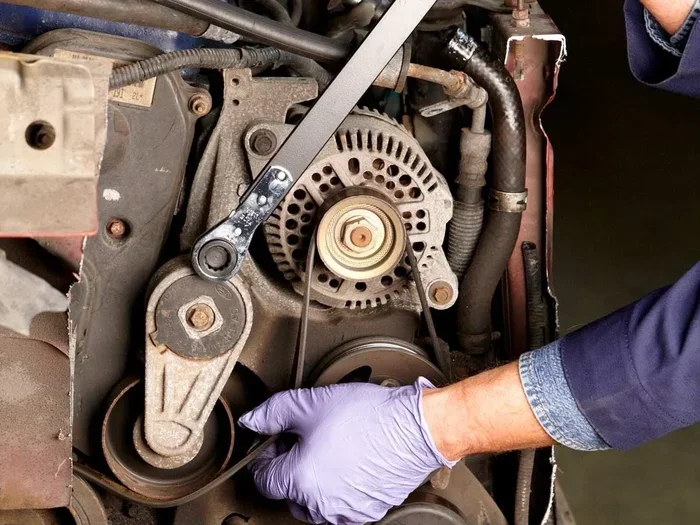
Once you approve the replacement, the technician will use a serpentine belt tool or a ratchet to release the tension on the belt tensioner. The old belt is then slipped off the pulleys. They’ll carefully route the new belt according to the diagram printed on the engine cover or the service manual. Each rib of the belt must align perfectly with the grooves on the pulleys. After the belt is in place, the tensioner is released to apply the correct tension. The technician will then start the engine and let it idle for a few minutes, checking for any squeals or misalignment.
This process is fast and efficient. Jiffy Lube’s technicians are trained on a wide range of vehicle models, so they can handle the job quickly and correctly.
Can You DIY a Serpentine Belt Replacement
Some car owners prefer to do their own maintenance. Replacing a serpentine belt is one of the more straightforward DIY jobs, but it does require some mechanical aptitude. If you’re handy and have the right tools, you can save on labor costs. However, there are risks involved, especially if the belt tensioning procedure is done incorrectly.
Tools You’ll Need
Before you start, make sure you have these tools on hand:
- A serpentine belt tool or a 3/8-inch ratchet and socket set.
- The correct replacement belt for your vehicle (check the part number in your owner’s manual).
- A flashlight and gloves for safety.
- A belt routing diagram (you can find this online or on the engine cover).
Common Mistakes to Avoid
DIY serpentine belt replacement can go wrong if you rush. Here are common mistakes to avoid:
- Incorrect belt routing: Even a small mistake can cause the belt to rub against the engine block or fail to drive the accessories properly.
- Under-tensioning: A loose belt will slip and squeal, and it can wear out quickly.
- Over-tightening the tensioner: This can damage the tensioner bearing or the belt itself.
- Ignoring worn pulleys: If a pulley is seized or noisy, the new belt will fail prematurely.
If you’re not confident in your ability to tension the belt correctly, it’s safer to let a professional handle it. Jiffy Lube’s technicians have the experience and the right tools to get the job done right the first time.
How Often Should You Replace Your Serpentine Belt
Serpentine belts don’t last forever, but they don’t need to be replaced as often as oil. Most manufacturers recommend inspecting the belt at every oil change and replacing it every 60,000 to 100,000 miles. The exact interval depends on your driving conditions, climate, and the quality of the belt.
Maintenance Schedule and Mileage
Here’s a general maintenance schedule for serpentine belt care:
- Every 5,000–7,500 miles: Include a visual belt inspection during your oil change.
- Every 30,000 miles: Check the belt tension and pulley alignment more thoroughly.
- Every 60,000–100,000 miles: Replace the belt proactively, even if it looks okay, to prevent sudden failure.
Following this schedule helps you avoid the inconvenience of a broken belt. It’s a small investment that pays off in reliability.
Extending Belt Life
You can help your serpentine belt last longer with a few simple habits:
- Avoid spilling oil or coolant on the belt, as it can cause the rubber to deteriorate.
- Keep the engine bay clean to prevent debris from getting under the belt.
- Address any squealing noises immediately. A slipping belt wears out faster.
- Have the tensioner and idler pulleys inspected regularly.
Expert Insight: The Hidden Cost of a Neglected Belt
According to ASE-certified technicians, a neglected serpentine belt can lead to much more expensive repairs. If the belt breaks while driving, it can cause the water pump to stop, leading to engine overheating. A warped crankshaft or damaged pistons are possible outcomes. Replacing a serpentine belt every 60,000 miles is a fraction of the cost of an engine rebuild. The takeaway is simple: don’t skip this routine maintenance item.
Key Takeaways
- Jiffy Lube does change serpentine belts as a routine service, and the process is quick and straightforward.
- The cost typically ranges from $100 to $200, making it a budget-friendly option for most drivers.
- The service includes a full inspection of the tensioner, pulleys, and belt routing.
- Jiffy Lube offers a warranty on parts and labor, giving you peace of mind.
- DIY is possible but not recommended for those without experience, due to the importance of proper tensioning.
- Regular inspections every oil change can catch belt wear early and prevent breakdowns.
Conclusion
So, Does Jiffy Lube Change Serpentine Belts, and is it worth it? The answer is a resounding yes. Jiffy Lube provides a convenient, affordable, and reliable serpentine belt replacement service. You’ll get a professional inspection, a quality replacement belt, and the peace of mind that comes with a warranty. Whether you’re dealing with a squealing noise or just staying ahead of routine maintenance, Jiffy Lube makes it easy to keep your engine accessories in top shape.
Don’t wait for a broken belt to leave you stranded. Schedule a visit to your local Jiffy Lube today and ask about their serpentine belt service. It’s one of the simplest ways to protect your vehicle and ensure it keeps running smoothly for miles to come.
Frequently Asked Questions
How long does a serpentine belt replacement take at Jiffy Lube?
Most serpentine belt replacements at Jiffy Lube take about 30 minutes. The exact time depends on your vehicle’s engine layout and how easily the belt is accessible. For most standard cars and trucks, the service is quick and completed while you wait.
What happens if I don’t replace my serpentine belt?
A worn or broken serpentine belt can cause your power steering to fail, your battery to die, and your engine to overheat. In worst-case scenarios, a broken belt can damage internal engine components. Replacing the belt on schedule is a small cost that prevents much larger repairs.
Does Jiffy Lube provide a warranty on serpentine belt replacement?
Yes, Jiffy Lube offers a limited warranty on parts and labor for their serpentine belt replacement service. The warranty period may vary, so be sure to ask your technician for the specific terms and coverage details at the time of service.
Can I drive with a squealing serpentine belt?
You can drive short distances with a squealing belt, but it’s not recommended. The squeal often indicates the belt is slipping or worn, which can lead to a complete break. Have the belt inspected and replaced as soon as possible to avoid getting stranded.
How much does a serpentine belt cost at Jiffy Lube?
The total cost for a serpentine belt replacement at Jiffy Lube typically ranges from $100 to $200. This includes both the new belt and the labor charge. The exact price depends on your vehicle model and whether any additional components like the tensioner need replacement.
Is Jiffy Lube serpentine belt service cheaper than a dealership?
Yes, Jiffy Lube is generally more affordable than a dealership for serpentine belt replacement. Dealerships often charge higher labor rates, and the price difference can be significant. Jiffy Lube offers comparable quality service at a lower cost, making it a popular choice for routine maintenance.