Why Does My Car Overheat When I Stop at Traffic Lights
Why Does My Car Overheat When I Stop? is an essential topic that provides valuable insights.
Key Takeaways
- Understanding Why Does My Car Overheat When I Stop?: Provides essential knowledge
📑 Table of Contents
What Happens When Your Car Stops Moving
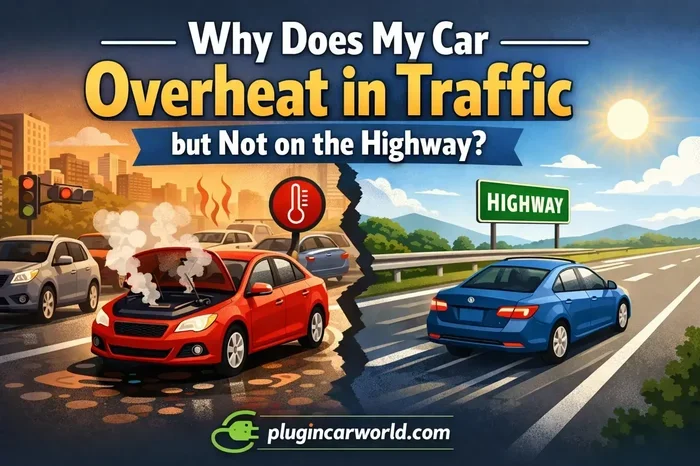
When you are driving down the road, air flows through the radiator and pulls heat away from the coolant. This is the main way your car stays cool. But when you stop at a traffic light, that airflow drops to almost zero. Your engine still produces the same amount of heat, but now it has no help from moving air.
This is where the cooling fan steps in. The fan kicks on to push air through the radiator and keep things at a safe engine temperature. If the fan or any other part of the cooling system is not working right, your engine will start to overheat within minutes.
The Role of the Radiator Fan
The radiator fan is your best friend when you are sitting still. It spins and forces air through the radiator fins. This keeps the coolant flowing at the right temperature. There are two types of fans you might have:
- Electric fans — These turn on and off based on temperature sensors. They are common in modern cars.
- Mechanical fans — These are driven by a belt connected to the engine. They spin whenever the engine runs.
If either type fails, your car will overheat at idle. This is the number one reason drivers ask, “Why does my car overheat when I stop?”
Common Reasons Your Car Overheats at Idle
Several things can cause your engine to heat up when you come to a stop. Let us look at each one closely so you can spot the problem early.
Low Coolant Level
This is the simplest and most common cause. Coolant is the fluid that carries heat away from your engine. If you are low on coolant, there is not enough fluid to absorb and move heat properly. Even a small leak can drop your coolant level enough to cause problems.
Check your coolant reservoir when the engine is cold. If the level is below the minimum line, top it off with the right type of coolant for your vehicle. Then watch for leaks under your car or around hoses.
Faulty Thermostat
The thermostat controls how much coolant flows through your engine. It opens and closes based on temperature. When the thermostat gets stuck closed, coolant cannot circulate. Heat builds up fast, and your engine starts to overheat — especially when you are not moving.
A stuck thermostat is an easy and affordable fix. A mechanic can replace it in under an hour. If you notice your heater blowing cold air or your gauge bouncing oddly, a bad thermostat might be the culprit.
Broken Water Pump
The water pump is the heart of your cooling system. It pushes coolant through the engine block, hoses, and radiator. When the pump fails, coolant stops moving. Heat has nowhere to go, and your engine temperature skyrockets.
Water pump failure often comes with a few warning signs:
- A whining or grinding noise near the front of the engine
- Coolant leaks around the pump area
- Steam or vapor coming from under the hood
If you suspect a bad water pump, get it checked right away. Driving with a failed pump can cause severe engine damage.
Clogged Radiator
Over time, dirt, bugs, and debris can block the tiny passages inside your radiator. When airflow cannot move through the fins properly, heat does not escape. This is especially noticeable when you are idling at a traffic light because there is no forward motion to force air through the radiator.
You can help prevent this by rinsing your radiator with a garden hose from the front. Never use a high-pressure washer, as it can bend the delicate fins. Flushing your cooling system regularly also keeps buildup from forming inside the passages.
Failed Cooling Fan Motor or Relay
If your cooling fan never turns on when you are stopped, the motor, relay, or temperature sensor could be faulty. The fan relay is a small switch that tells the fan when to activate. When it goes bad, the fan stays off and your engine overheats at idle.
A quick test is to turn on your AC at a red light. The AC system puts extra heat load on the engine, and the fan should kick in. If you do not hear the fan spinning, the relay or motor likely needs replacement.
Blown Head Gasket
A blown head gasket is one of the most serious causes of overheating at idle. The head gasket sits between the engine block and the cylinder head. It keeps coolant and oil in their proper channels. When it fails, coolant can leak into the cylinders or combustion chambers.
Signs of a blown head gasket include:
- White smoke from the exhaust
- Milky residue on the oil cap
- Bubbles in the coolant reservoir
- Rapid overheating, especially at idle
This repair is expensive, but catching it early can save you from a full engine replacement. Do not ignore overheating symptoms.
How Your AC System Affects Overheating
Here is something many drivers do not think about. Your AC system adds heat to the engine. When you are driving fast, the airflow keeps things cool. But when you stop at a light with the AC blasting, the engine is under double stress — it must power the compressor and manage extra heat at the same time.
This is why some cars only overheat when you are stopped with the AC on. If this sounds familiar, your cooling fan or radiator may not be doing its job. Have a mechanic check the fan operation and coolant flow when the AC is running.
How to Diagnose Overheating at Idle
Figuring out why your car overheats when you stop starts with a few simple checks. You do not need to be a mechanic to do these at home.
Step 1: Check the Temperature Gauge
Watch your temperature gauge the next time you are at a red light. If it starts climbing into the red zone within a few minutes, you have a cooling problem. Note exactly when it starts to rise and what conditions you are in.
Step 2: Inspect the Coolant Level
Pop the hood and look at the coolant reservoir. The level should be between the minimum and maximum marks. If it is low, top it off and monitor it over the next few days. If it drops again quickly, you have a leak somewhere in the system.
Step 3: Listen for the Fan
Sit in your car at a red light and turn the AC to maximum. Wait a few minutes. You should hear the cooling fan kick in. If you do not hear anything, the fan motor or relay is likely the problem.
Step 4: Look for Visible Leaks
Walk around your car and look under the hood for any wet spots, drips, or stains. Focus on the radiator hoses, water pump area, and the bottom of the radiator. Even a small coolant leak can cause overheating over time.
Quick Tips to Prevent Overheating at Traffic Lights
Prevention is always better than repair. Here are some easy tips to keep your engine cool, even when you are stuck at a traffic light for a long time.
- Flush your coolant every 30,000 miles or as your owner manual recommends.
- Inspect hoses and clamps regularly for cracks or loose connections.
- Keep your radiator clean — wash away bugs and debris from the front of the car.
- Replace the thermostat every 100,000 miles as a preventive measure.
- Never ignore the temperature gauge — if it rises, pull over safely and turn off the engine.
- Use the correct coolant type for your vehicle. Mixing types can cause buildup and reduce cooling efficiency.
When to See a Mechanic
Some overheating issues are simple enough to handle yourself. But others need professional tools and expertise. You should see a mechanic right away if:
- Your car overheats repeatedly even after you top off the coolant.
- You see steam or smoke coming from under the hood.
- The temperature gauge goes into the red zone quickly.
- You notice a sweet smell, which could indicate a coolant leak.
- Your check engine light comes on along with the overheating warning.
Ignoring these signs can lead to cracked engine blocks, warped cylinder heads, or total engine failure. A quick visit to the shop can save you thousands of dollars in car repair costs.
Cost Estimates for Common Overheating Repairs
Wondering how much it costs to fix these issues? Here is a rough breakdown of common overheating causes and their repair costs.
| Repair | Average Cost Range | Difficulty |
|---|---|---|
| Coolant Top-Off | $10 – $50 | Easy |
| Thermostat Replacement | $150 – $300 | Moderate |
| Water Pump Replacement | $300 – $750 | Moderate |
| Radiator Fan Motor | $200 – $500 | Moderate |
| Radiator Flush or Replacement | $100 – $400 | Easy to Moderate |
| Head Gasket Replacement | $1,000 – $2,500 | Difficult |
These costs vary based on your car model, location, and labor rates. Always get a quote before committing to a major repair.
Key Takeaways
- Your cooling fan is critical at idle: It replaces the airflow you lose when you stop moving. A failed fan is the top cause of overheating at traffic lights.
- Low coolant is the simplest fix: Regularly check your coolant level and top it off as needed. Address leaks promptly.
- The thermostat controls coolant flow: A stuck thermostat prevents proper circulation and causes rapid overheating.
- The water pump keeps coolant moving: A failing pump means no heat transfer, which leads to engine damage if ignored.
- Your AC adds engine stress at idle: If your car overheats with the AC on at a light, the cooling system may be struggling.
- Act fast when the gauge rises: Pull over, turn off the engine, and let the car cool before continuing. Driving while overheating can destroy your engine.
- Regular maintenance prevents most issues: Flush your coolant, inspect hoses, and clean your radiator to keep your car running cool all year long.
Frequently Asked Questions
Why does my car overheat at traffic lights but not while driving?
When you drive, natural airflow through the radiator helps cool the coolant. At a traffic light, that airflow stops, and the cooling fan must take over. If the fan, thermostat, or coolant level is not working properly, your engine will overheat only when you are idling.
Can low coolant cause overheating at idle?
Yes, absolutely. Low coolant means there is not enough fluid to absorb and carry heat away from the engine. This problem gets worse at idle because there is no forward motion to assist with cooling. Always keep your coolant at the proper level.
Is it safe to keep driving if my car overheats at a light?
No, it is not safe. Continuing to drive while the engine is overheating can cause a blown head gasket, warped engine parts, or complete engine failure. Pull over safely, turn off the engine, and let the car cool down before checking the coolant level or calling for help.
How much does it cost to fix a car that overheats at idle?
The cost depends on the cause. A simple coolant top-off costs under $50, while replacing a thermostat runs about $150 to $300. More serious repairs like a water pump or head gasket can cost several hundred to over a thousand dollars. Always get a professional diagnosis first.
Can a bad radiator cap cause overheating?
Yes. The radiator cap maintains pressure in the cooling system, which raises the boiling point of the coolant. A weak or faulty cap can let coolant boil off at lower temperatures, leading to overheating at idle. Replacing a radiator cap is cheap and easy.
How often should I flush my cooling system?
Most manufacturers recommend flushing the cooling system every 30,000 miles or every two years. However, check your owner manual for the specific interval for your vehicle. Fresh coolant keeps the system running efficiently and prevents buildup that can cause overheating.
=== CONCLUSION ===
So, why does my car overheat when I stop at traffic lights? The answer usually comes down to one of a few key parts in your cooling system. Whether it is a failed cooling fan, low coolant, a stuck thermostat, or a worn-out water pump, the root cause is almost always fixable. The key is catching the problem early and taking action before engine damage sets in.
Make it a habit to watch your temperature gauge and pay attention to warning signs like steam, strange noises, or a sweet smell under the hood. Keep up with regular maintenance — flush your coolant, inspect your hoses, and clean your radiator. These small steps go a long way in preventing overheating and keeping your car running smoothly for years to come.
Next time you are sitting at a traffic light and your gauge starts climbing, you will know exactly what to look for. Stay cool, stay safe, and take care of your car before small problems turn into big expenses.