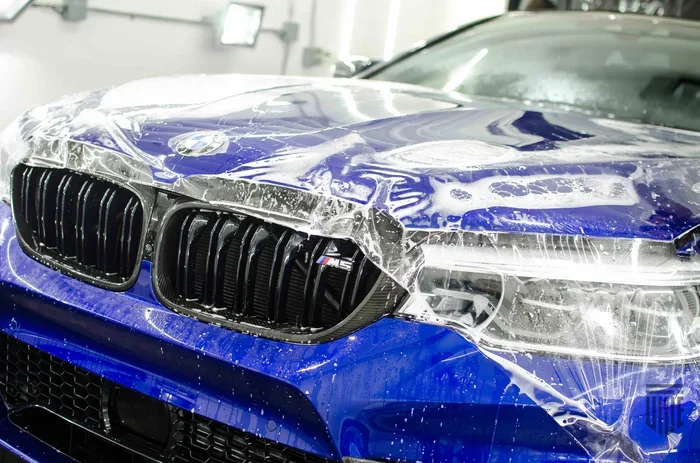
What Is Car Paint Protection Film And Why You Need It
Car paint protection film is a clear, durable urethane layer applied directly to your vehicle’s paint surface. It acts as a shield against scratches, stone chips, and daily wear, keeping your car looking brand new for years. This guide covers everything from how PPF works to costs, benefits, and whether it is worth the investment for your vehicle.
If you have ever noticed a tiny rock chip on your hood after a highway drive, you know how frustrating paint damage can be. Your car takes a beating every single day from road debris, UV rays, bird droppings, and even parking lot dings. Over time, these small incidents add up and dull your vehicle’s finish.
This is where car paint protection film comes in. Also known as PPF or a clear bra, this transparent layer bonds to your vehicle’s surface and takes the hit so your original paint does not have to. Whether you drive a brand-new luxury SUV or a daily commuter sedan, vehicle paint protection makes a real difference in how your car looks years down the road.
In this article, we will break down exactly what paint protection film is, how it works, what it costs, and whether it is the right move for you. We will also compare it to other options like ceramic coatings so you can make a confident decision.
Key Takeaways
- Paint protection film is a transparent urethane layer: It defends your car’s paint from physical and environmental damage without changing its appearance.
- PPF offers self-healing properties: Minor scratches and swirl marks can repair themselves with heat exposure.
- It preserves resale value: A well-maintained paint job significantly boosts your vehicle’s market price.
- Professional installation is recommended: Proper fitting ensures durability and a flawless finish.
- Costs vary based on coverage area: Full-body PPF ranges from $2,000 to $10,000 depending on quality and vehicle size.
- PPF differs from ceramic coating: Each offers unique protection benefits, and combining them provides maximum defense.
- High-quality PPF lasts 5 to 10 years: With proper care, the film remains clear and effective for a long time.
📑 Table of Contents
What Is Car Paint Protection Film?
Car paint protection film is a thin, transparent layer of thermoplastic urethane that adheres directly to your vehicle’s painted surfaces. Think of it as a second skin for your car. It is designed to absorb impact and resist contamination while keeping your original factory paint completely untouched underneath.
The concept originated in the military. During the Vietnam War, helicopter blades needed protection from flying debris. Engineers developed a clear, durable film that could absorb impact without cracking. This same technology eventually made its way to the automotive industry, and now paint protection film installation is one of the most popular services in the car detailing world.
Modern PPF is not the thick, yellowed film of the past. Today’s versions are incredibly thin, usually between 6 and 12 mils. They are optically clear, meaning you cannot tell they are even there once installed. The film also resists yellowing from sun exposure, so it stays looking clean and invisible for years.
What Is PPF Made Of?
The core material in automotive paint protection film is thermoplastic urethane, often called TPU. This polymer is flexible, strong, and resistant to abrasion. Manufacturers layer several components together to create the final product:
- Topcoat: A clear layer that repels UV rays and provides self-healing properties for minor scratches.
- Adhesive layer: A specialized glue that bonds securely to the paint without leaving residue when removed.
- Base film: The thickest layer that provides the main structural strength and impact resistance.
- Release liner: A protective backing that is removed before installation.
Each layer plays a specific role in protecting your vehicle. The topcoat is what gives PPF its self-healing ability. When you apply heat from a warm water rinse or a heat gun, minor surface scratches in the topcoat temporarily melt and reform, essentially disappearing.
How Does Paint Protection Film Work?
Understanding how paint protection film works helps you appreciate why it is so effective. The film acts as a physical barrier between your car’s paint and the outside world. Instead of a rock or debris hitting your clear coat directly, the PPF absorbs the force and spreads it across the surface.
Scratch protection is one of the biggest benefits. The urethane material is much harder than your car’s clear coat, so it takes the brunt of minor abrasions. Stone chip protection is equally important, especially on the front bumper, hood, and fenders where road debris flies up most often.
The Self-Healing Mechanism
The self-healing feature of quality PPF is genuinely fascinating. When a shallow scratch appears on the film’s surface, the elastic memory of the urethane allows it to bounce back. You can speed up this process by applying gentle heat.
Here is how it works in practice:
- A light scratch appears on the PPF surface from a branch or fingernail drag.
- You rinse the area with warm water or use a heat gun on a low setting.
- The heat softens the topcoat polymer, allowing it to flow back into the scratch.
- Within minutes, the scratch becomes invisible.
This is why many car owners call PPF “car body armor.” It actively defends your paint and repairs itself from everyday wear.
What Does Paint Protection Film Protect Against?
Paint protection film guards your vehicle against a wide range of threats. Here are the most common types of damage it prevents:
- Stone chips and road debris: Small rocks kicked up by other vehicles strike the film instead of your paint.
- Bug splatter: Insects contain acids that can etch paint. PPF takes the hit and cleans off easily.
- Bird droppings and tree sap: These acidic substances bead up on the film’s surface rather than soaking into your paint.
- Minor scratches and swirl marks: Car washes, towel drying, and accidental contact cause swirl marks. PPF takes these on instead of your clear coat.
- Chemical etching: Acid rain and industrial fallout can damage exposed paint. PPF creates a chemical-resistant barrier.
- Parking lot dings: Shopping carts and door dings from other vehicles are less likely to reach your paint through the film.
The film also helps maintain the clarity of your clear coat, which is the outermost layer of your vehicle’s paint system. Once your clear coat is damaged, it cannot be fully restored without expensive paint correction. PPF prevents this from happening in the first place.
Benefits of Using Car Paint Protection Film
There are many reasons why car owners invest in vehicle paint protection. Let us explore the most compelling benefits.
Preserves Your Vehicle’s Appearance
Your car’s paint is one of the first things people notice. A flawless, glossy finish signals that you take pride in your vehicle. Paint protection film keeps the original factory paint looking showroom-fresh by blocking all the elements that cause it to degrade.
Over time, unprotected paint fades, develops swirl marks, and shows chips. With PPF, your car’s paint stays vibrant and deep. Even after years of daily driving, the paint underneath remains untouched and protected.
Boosts Resale Value
If you plan to sell or trade in your vehicle someday, the condition of the paint matters a lot. Buyers and dealers pay close attention to the exterior. A car with flawless paint commands a significantly higher price than one with chips, scratches, and fading.
Investing in car body armor through PPF is one of the smartest things you can do to protect your vehicle’s resale value. The cost of the film is often recovered many times over when you sell.
Saves Money on Repairs
Paintless dent repair and touch-up jobs can add up quickly. A single stone chip repair costs anywhere from $50 to $150 per panel. A full paint correction for swirl marks and scratches can run $500 or more. With PPF, many of these repairs become unnecessary because the film absorbs the damage.
Think of PPF as an insurance policy for your car’s paint. You pay upfront, but you save significantly over the life of the vehicle.
Requires Minimal Maintenance
Once paint protection film installation is complete, the maintenance routine stays simple. You wash your car as normal. The film’s hydrophobic topcoat helps repel water, dirt, and grime, making regular washing easier. You do not need any special products or treatments to maintain the film’s performance.
Quick Tips for maintaining PPF:
- Wash your car every one to two weeks to remove contaminants.
- Use a pH-neutral car wash soap to protect the film’s adhesive.
- Avoid automatic car washes with harsh brushes, as they can degrade the topcoat faster.
- Apply a PPF-safe sealant every six months for extra gloss and protection.
- Keep your car out of direct sunlight when possible to extend the film’s lifespan.
Common Mistakes to Avoid with PPF
Even though PPF is forgiving, there are a few mistakes that can shorten its lifespan or reduce its effectiveness:
- Using harsh chemicals: Avoid waxes containing abrasives or solvents. These can cloud the film and damage the topcoat.
- Improper drying: Never let your car air dry after washing. Water spots can bond to the film and become difficult to remove.
- Ignoring edge lifting: If you notice the edges of the film starting to lift, get them resealed promptly to prevent moisture from getting underneath.
- Delaying repairs: If the film gets a tear or puncture, fix it quickly. Small damage can spread if left unaddressed.
Expert Insights on PPF Longevity
According to industry professionals, high-quality paint protection film can last between five and ten years depending on the brand, quality, and how well you maintain it. Premium films from brands like XPEL, 3M, and SunTek often come with warranties of up to ten years, covering yellowing, peeling, and cracking.
Experts also recommend applying PPF to high-impact areas first if you are on a budget. The front bumper, hood, side mirrors, and front fenders are the most exposed to road debris and benefit the most from protection. You can always expand coverage later as your budget allows.
PPF vs Ceramic Coating: Which Is Better?
This is one of the most common questions in the car detailing community. Both paint protection film and ceramic coating protect your vehicle’s paint, but they do it in very different ways. Understanding the difference helps you choose the right option for your needs.
How Ceramic Coating Works
A ceramic coating is a liquid polymer that chemically bonds with your vehicle’s clear coat. It creates a hard, glass-like layer on top of the paint. Ceramic coatings are excellent at repelling water, dirt, and chemicals. They also add a deep, glossy shine to your paint.
However, ceramic coating does not offer the same level of physical protection as PPF. It cannot stop a rock from chipping your paint or prevent a sharp object from scratching through the clear coat. Think of ceramic coating as a sacrificial layer that you reapply every few years.
Key Differences at a Glance
| Feature | Paint Protection Film | Ceramic Coating |
|---|---|---|
| Physical Impact Protection | Excellent – absorbs rock chips and debris | Poor – no impact absorption |
| Scratch Resistance | High – self-healing topcoat | Moderate – hard shell resists light scratches |
| Chemical Resistance | Very Good | Excellent |
| Hydrophobic Properties | Moderate | Excellent |
| Lifespan | 5 to 10 years | 2 to 5 years |
| Cost (Full Vehicle) | $2,000 to $10,000 | $500 to $2,000 |
| Self-Healing | Yes | No |
| Paint Correction Needed Before Application | Recommended but not required | Required for best results |
Can You Use Both Together?
Absolutely. Many car enthusiasts and professionals recommend combining PPF with a ceramic coating for maximum protection. The PPF provides the physical barrier against impact and scratches, while the ceramic coating adds chemical resistance and hydrophobic properties on top.
This combination approach gives your vehicle the best of both worlds. The paint stays protected from physical damage and looks incredible with enhanced gloss and water beading. If you want the ultimate vehicle wrap level of protection, this is the way to go.
How Much Does Car Paint Protection Film Cost?
Paint protection cost varies widely depending on several factors. The quality of the film, the size of your vehicle, the coverage area, and the installer’s expertise all play a role in the final price.
Average Cost Breakdown
Here is a general idea of what you can expect to pay for PPF installation:
- Partial coverage (front bumper, hood, mirrors): $500 to $1,500
- Front-end package (bumper, hood, fenders, mirrors): $1,500 to $3,000
- Full front-end plus door edges and rocker panels: $3,000 to $5,000
- Full vehicle coverage: $5,000 to $10,000 or more
These prices reflect the current market for quality PPF installed by professionals. The cost of paint protection film installation may seem high at first glance, but when you consider the cost of repainting panels or performing paint correction, the investment makes strong financial sense.
Factors That Affect the Price
Several things influence how much you will pay for vehicle paint protection:
- Film quality: Premium films with self-healing topcoats and stronger adhesives cost more but last longer.
- Vehicle size: Larger vehicles like trucks and SUVs require more material, which increases the cost.
- Coverage area: Full coverage costs significantly more than partial coverage.
- Installation complexity: Vehicles with complex curves, body lines, and contours require more skill and time to wrap properly.
- Installer reputation: Experienced, certified installers typically charge more, but their work quality and warranty are worth it.
How to Choose the Right Paint Protection Film
Not all automotive paint protection film is created equal. Choosing the right product and installer makes a huge difference in your results. Here is what you should consider before making a decision.
Look for These Film Qualities
- Optical clarity: The film should be virtually invisible once installed. Low-quality films often have a hazy or bluish tint.
- Self-healing topcoat: This feature allows minor scratches to disappear with heat exposure.
- UV resistance: The film should resist yellowing and degradation from sun exposure over many years.
- Strong adhesive: A quality adhesive bonds securely without damaging the paint upon removal.
- Warranty coverage: Reputable brands offer warranties that cover yellowing, peeling, cracking, and delamination.
Choose a Professional Installer
The quality of paint protection film installation matters just as much as the film itself. A poorly installed PPF will bubble, peel, and trap dirt underneath. Always choose an installer with proven experience, positive reviews, and a portfolio of their previous work.
Ask potential installers these questions before committing:
- How long have you been installing PPF?
- What brand of film do you use?
- Do you offer a warranty on both the film and the installation?
- Can I see examples of your previous work?
- What is your process for preparing the paint surface before application?
Taking the time to find the right installer ensures your car paint protection film looks perfect and lasts for years. This is not a job you want to DIY unless you have significant experience with automotive film application.
Is Paint Protection Film Worth It?
The short answer is yes for most vehicle owners. If you drive your car regularly, park outdoors, or simply want to keep your vehicle looking its best, PPF delivers outstanding value. The protection it provides against daily damage saves you money on repairs and keeps your car’s paint in excellent condition.
For new car owners, applying PPF from day one is especially smart. It preserves the factory paint in its original condition, which is always the best starting point. For older vehicles, PPF can revive the appearance and prevent further degradation of the existing paint.
Final Thoughts on Car Paint Protection Film
Car paint protection film is one of the most effective ways to preserve your vehicle’s appearance and value. It shields your paint from the everyday hazards of driving while staying virtually invisible and requiring minimal maintenance.
Whether you choose partial coverage for the most exposed areas or invest in a full vehicle wrap, the benefits of PPF speak for themselves. Your car stays looking newer for longer, and you avoid the costly expense of paint repairs down the road.
If you have been on the fence about vehicle paint protection, now is a great time to explore your options. Talk to a trusted car detailing professional, get a quote, and see how paint protection film installation can transform the way you care for your vehicle. Your car’s paint has been through a lot. Give it the armor it deserves.
Frequently Asked Questions
How long does car paint protection film last?
High-quality PPF typically lasts between five and ten years with proper care. Premium films from trusted brands often come with warranties of up to ten years, covering issues like yellowing, peeling, and cracking. Regular washing and avoiding harsh chemicals help extend the film’s lifespan significantly.
Can paint protection film be removed without damaging the paint?
Yes, professional-grade paint protection film is designed to be removed safely without leaving any residue or damaging the original paint underneath. The adhesive used in quality PPF is engineered to release cleanly, especially when removed by a trained professional. If you have had the film on your car for several years, it is best to have it removed by an experienced installer.
Does PPF change the color or appearance of my car?
No, car paint protection film is completely transparent and does not alter the color or appearance of your vehicle. Modern films are optically clear, meaning they blend seamlessly with your factory paint. Once installed, the film is virtually invisible and allows your car’s original color to shine through exactly as it did from the factory.
Is paint protection film the same as a clear bra?
Yes, PPF and a clear bra are essentially the same thing. The term “clear bra” was used in the early days of automotive paint protection, and it stuck around as a popular nickname. Today, the industry standard term is paint protection film or PPF. Both refer to the same thermoplastic urethane film applied to a vehicle’s painted surfaces for protection.
Can I wash my car after paint protection film is installed?
Absolutely. In fact, regular washing is recommended to maintain the film’s appearance and performance. You should wait at least 48 to 72 hours after paint protection film installation before washing your car to allow the adhesive to fully cure. Use a pH-neutral car wash soap, a soft microfiber mitt, and avoid high-pressure sprays directly at the film edges.
What is the difference between PPF and a vinyl wrap?
Paint protection film is designed specifically to protect your vehicle’s original paint from damage. It is clear, thin, and optically transparent. A vinyl wrap, on the other hand, is a colored or textured film applied to change the appearance of your car. While both use similar urethane-based materials, their purposes are entirely different. PPF preserves your paint, while a vinyl wrap transforms its look.