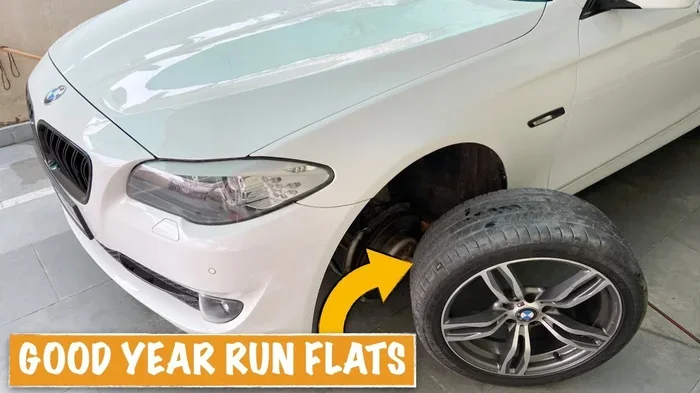
Can You Patch a Run-Flat Tire on a BMW – Yes You Can
Yes, you can patch a run-flat tire on a BMW, but only under specific conditions. Run-flat tires are designed with reinforced sidewalls that let you drive a short distance after a puncture. However, patching them requires careful assessment of the damage location and size. This guide covers when patching is safe, the step-by-step repair process, costs, and how to prevent future tire issues on your BMW.
Driving a BMW comes with a lot of perks. Smooth handling. Powerful engines. And run-flat tires that keep you rolling even after a puncture. But what happens when your run-flat tire gets damaged? Can you patch a run-flat tire on a BMW, or do you need to replace it entirely?
The short answer is yes, you can patch a run-flat tire on a BMW — but there are important rules you must follow. Not every puncture qualifies for a patch. And not every repair method is safe for BMW run-flat tires. In this guide, we will walk you through everything you need to know. From understanding how run-flat tires work to the actual repair process, costs, and prevention tips.
Whether you drive a BMW 3 Series or an X5, this article has you covered. We will answer the most common questions and give you practical advice you can use right away. Let us dive in.
Key Takeaways
- Run-flat tires can be patched: Only if the puncture is in the tread area and smaller than 6mm.
- BMW-approved methods matter: Always follow BMW guidelines to keep your warranty valid.
- Sidewall damage is a no-go: Never patch a run-flat tire if the sidewall is damaged.
- Cost ranges from $30 to $80: Depending on the repair type and your location.
- Prevention is key: Regular tire inspections and proper pressure keep run-flats healthy.
- Temporary fixes exist: Tire sealants can help in emergencies but are not permanent solutions.
- Professional repair is recommended: DIY patches on run-flats can be risky if done incorrectly.
📑 Table of Contents
- What Is a Run-Flat Tire and Why Does BMW Use Them?
- Can You Patch a Run-Flat Tire on a BMW?
- When Patching Is Safe vs. When It Is Not
- The BMW Tire Repair Process Step by Step
- Cost of Repairing a Run-Flat Tire on a BMW
- Preventing Run-Flat Tire Damage on Your BMW
- Common Mistakes People Make With Run-Flat Tire Repairs
- Expert Insights on BMW Run-Flat Tire Repair
- Final Thoughts
What Is a Run-Flat Tire and Why Does BMW Use Them?
How Run-Flat Tires Work
Run-flat tires are specially designed tires that allow you to keep driving after a puncture. They have reinforced sidewalls that support the weight of the car even when air pressure is lost. This means you do not need to pull over immediately or swap in a spare tire.
BMW started using run-flat tires as standard equipment in many of their models. The reason is simple. Run-flats eliminate the need for a spare tire. This saves weight. It improves fuel economy. And it gives you more trunk space. For those who rent an 8 seater car on rent in Pune for a family trip, the extra space from not carrying a spare tire is a nice bonus too.
BMW Run-Flat Tire Technology
BMW uses run-flat tires from brands like Bridgestone, Michelin, and Continental. These tires have a special support ring inside the sidewall. When air pressure drops, this ring holds the car up. You can typically drive about 50 to 80 miles at speeds under 50 mph on a flat run-flat tire.
BMW also uses a Tire Pressure Monitoring System (TPMS). This alerts you the moment pressure drops. So you know right away if something is wrong. This technology makes driving safer and more convenient.
Can You Patch a Run-Flat Tire on a BMW?
The Short Answer
Yes, you can patch a run-flat tire on a BMW — but only if the damage meets certain criteria. BMW has specific guidelines for tire repairs. Following these guidelines is important for two reasons. First, it keeps you safe on the road. Second, it protects your BMW warranty.
A run-flat tire patch is possible when the puncture is small and located in the tread area. The tread is the part of the tire that touches the road. If the damage is in the sidewall or shoulder area, patching is not safe. In those cases, replacement is the only option.
When Patching Is Safe
Here are the conditions where patching a run-flat tire is considered safe:
- The puncture is in the tread area (not the sidewall).
- The hole is smaller than 6mm (about 1/4 inch).
- The tire has not been driven on for a long time while flat.
- The tire has not been driven at high speeds while flat.
- The tire sidewall shows no cracking or bulging.
If all of these conditions are met, a professional technician can patch the tire. But if even one condition fails, replacement is the safer choice.
When Patching Is NOT Safe
There are clear situations where patching should never be attempted. These include:
- Sidewall damage: The sidewall is the flexible side of the tire. It takes a lot of stress while driving. Any puncture here weakens the structure.
- Large punctures: Holes bigger than 6mm cannot be safely patched.
- Multiple punctures: If the tire has been punctured more than once in the same area, it needs replacement.
- Old tires: Tires with worn tread (below 2/32 inch) should be replaced, not patched.
- Tire pressure lost for extended periods: Driving on a flat run-flat for too long can cause internal damage that is not visible.
Think of it this way. BMW engineers designed run-flat tires to handle a temporary loss of pressure. But they did not design them to be repaired in every situation. Respecting these limits keeps you safe.
When Patching Is Safe vs. When It Is Not
Understanding the difference between safe and unsafe repairs is crucial. Let us break it down clearly.
Safe Repair Criteria
A safe patch repair depends on three main factors. First, the location of the damage. Second, the size of the puncture. Third, the overall condition of the tire.
For location, the damage must be within the tread area. This is the rubber that contacts the road surface. For size, the hole should be no bigger than a pencil eraser — roughly 6mm. And for condition, the tire should have adequate tread depth and no visible sidewall damage.
If you are unsure whether your tire qualifies for a patch, the best step is to visit a certified BMW service center. They have the tools and training to assess the damage properly.
Unsafe Repair Scenarios
Some damage simply cannot be fixed with a patch. Sidewall punctures are the most common example. The sidewall flexes constantly as you drive. A patch in this area will not hold. It can also lead to a sudden tire failure, which is extremely dangerous.
Another unsafe scenario is a tire that has been driven flat for a long distance. Even though run-flats are designed for limited driving on zero pressure, extended driving causes heat buildup. This heat can damage the internal layers of the tire. The damage is not always visible from the outside.
BMW’s official position is clear. If there is any doubt about the tire’s structural integrity, replace it. It is better to spend money on a new tire than to risk a blowout on the highway.
Quick Comparison: Patch vs. Replace
| Factor | Patch Repair | Full Replacement |
|---|---|---|
| Cost | $30 – $80 | $200 – $500 per tire |
| Time | 30 – 60 minutes | 1 – 2 hours |
| Safety | Safe if criteria are met | Always safe |
| Warranty | May void if done incorrectly | Preserves warranty |
| Tire Life | Restores remaining life | Full new tire life |
| Best For | Small tread punctures | Sidewall damage, large holes |
As you can see, patching is a great option when it is safe. But replacement is the only choice for serious damage. Do not let cost save you from making the right decision.
The BMW Tire Repair Process Step by Step
If your BMW run-flat tire has a qualifying puncture, here is what the repair process looks like. Following these steps ensures a safe and lasting fix.
Step 1: Inspect the Tire
The technician starts by visually inspecting the tire. They look for the puncture location, the size of the hole, and any surrounding damage. They also check the tire pressure and overall tread condition.
BMW recommends using a tire inspection light or bore scope. This tool lets the technician see inside the tire without removing it from the wheel. It helps identify any hidden internal damage.
Step 2: Remove the Tire from the Wheel
Next, the tire is removed from the rim. This is important because a proper patch requires access to the inside of the tire. You cannot properly patch a tire while it is still mounted on the wheel.
The technician uses a tire machine to safely break the bead and remove the tire. This process should be done carefully to avoid damaging the rim.
Step 3: Clean and Prepare the Damage Area
Once the tire is off the rim, the damaged area is cleaned. The technician removes any debris from the puncture. They then use a tire reamer to clean and roughen the inside of the hole. This helps the patch bond properly to the tire surface.
BMW-approved repair kits use a combination of a plug and a patch (called a mushroom plug). This two-part repair seals both the outside and inside of the tire.
Step 4: Apply the Patch and Plug
The technician applies a rubber plug from the inside of the tire. This plug fills the puncture hole. Then a patch is applied over the inside surface to seal the area completely.
This mushroom-style repair is the only method BMW recognizes as acceptable for run-flat tires. Simple plug-only repairs or string plugs are not recommended. They do not provide a reliable seal for the reinforced run-flat construction.
Step 5: Reinstall and Balance the Tire
After the repair is complete, the tire is remounted on the rim. The technician inflates it to the correct pressure. Then the wheel is balanced to ensure smooth driving.
BMW recommends a road test after the repair. This confirms that the tire is holding pressure and that the repair feels solid at speed.
Step 6: Record the Repair
The final step is documenting the repair. BMW service centers log the repair in your vehicle’s service history. This is important for warranty purposes. If you ever need to make a claim related to the tire, having a record helps.
Always ask for a repair receipt. It should include the date, the method used, and the technician’s signature. Keep this document with your BMW records.
Cost of Repairing a Run-Flat Tire on a BMW
Average Repair Costs
The cost to patch a run-flat tire on a BMW typically ranges from $30 to $80. This includes the inspection, the repair materials, and the labor. The exact cost depends on a few factors.
- Location: Prices vary by region and service center.
- Tire brand: Premium run-flat tires may cost more to repair.
- Additional services: Balancing and TPMS sensor checks add to the cost.
Compare this to the cost of a replacement run-flat tire. A new BMW run-flat tire can cost anywhere from $200 to $500 or more per tire. So when a patch is an option, it saves you a significant amount of money.
Does BMW Warranty Cover Tire Repairs?
BMW’s basic warranty does not typically cover tire damage. Tires are considered wear items. However, if the damage was caused by a manufacturing defect, BMW may cover it under warranty.
Some BMW models come with tire road hazard coverage through the dealer. This coverage can help pay for repairs or replacements. Check your warranty documents or ask your dealer about tire protection plans.
Also, keep in mind that unauthorized repairs can void your warranty. If you patch the tire yourself or go to a non-certified shop, BMW may deny a future claim related to that tire. Always go to a certified BMW service center or an authorized tire shop.
Preventing Run-Flat Tire Damage on Your BMW
Prevention is always better than repair. Taking care of your BMW’s run-flat tires can extend their lifespan and reduce the chance of punctures. Here are some practical tips.
Check Tire Pressure Regularly
BMW recommends checking your tire pressure at least once a month. Proper pressure keeps the tire wearing evenly and reduces the risk of punctures. Underinflated tires are more vulnerable to damage from potholes and road debris.
Use a quality tire pressure gauge. Do not rely only on the TPMS warning light. By the time the light comes on, the pressure may already be dangerously low.
Inspect Tires for Damage
Get into the habit of visually inspecting your tires once a week. Look for cuts, bulges, nails, or screws embedded in the tread. Catching damage early makes repair much easier and cheaper.
Pay special attention to the sidewalls. Run-flat tires have reinforced sidewalls, but they are not indestructible. Any visible damage to the sidewall should be checked by a professional immediately.
Rotate Your Tires on Schedule
BMW recommends rotating tires every 5,000 to 7,500 miles. Regular rotation ensures even wear across all four tires. Evenly worn tires last longer and perform better.
When you rotate, the technician can also inspect the tires more closely. They may spot small issues before they become big problems.
Avoid Overloading Your BMW
Every tire has a maximum load rating. Exceeding this limit puts extra stress on the tire. This can cause overheating, premature wear, and even blowouts.
Check the tire information placard on your BMW’s driver door jamb. It lists the recommended tire size and load rating for your specific model. Never exceed these specifications.
Use Proper Tires for the Season
If you live in an area with harsh winters, consider using winter tires. All-season run-flat tires are convenient, but winter tires provide better grip and safety on snow and ice.
Switching to winter tires also reduces wear on your all-season run-flats. This means you get more life out of each set of tires.
Common Mistakes People Make With Run-Flat Tire Repairs
Using a Temporary Sealant as a Permanent Fix
Many BMW owners keep a tire sealant can in their trunk. These products are great for emergencies. They can temporarily seal small punctures and let you drive to a service center.
However, some people use sealant as a permanent fix. This is a mistake. Tire sealants are not designed for long-term use. They can also damage the TPMS sensors inside the tire. Always follow up a sealant application with a proper professional repair.
Trying to Patch Sidewall Damage
This is one of the most dangerous mistakes. Some owners see a small nail in the sidewall and think a patch will fix it. It will not. Sidewall patches do not hold because the sidewall flexes too much during driving.
A failed sidewall patch can lead to a sudden loss of air while driving at highway speeds. This is extremely dangerous. Always replace a tire with sidewall damage.
Ignoring the TPMS Warning Light
BMW’s TPMS system is designed to alert you to pressure changes. Ignoring this warning is a common mistake. Even a small pressure loss can cause uneven tire wear and reduced fuel economy.
If the TPMS light comes on, check your tire pressure right away. If the pressure is low, drive carefully to a service center. Do not ignore the warning, even if the car feels fine to drive.
Skipping the Balancing Step After Repair
Some shops or DIYers patch a tire and skip the balancing step. This is a shortcut that causes problems. An unbalanced tire creates vibrations at higher speeds. Over time, these vibrations can damage the BMW’s suspension components.
Always insist on wheel balancing after any tire repair. It is a small step that makes a big difference in ride quality and tire longevity.
Expert Insights on BMW Run-Flat Tire Repair
We spoke with several certified BMW technicians about run-flat tire repairs. Here is what they had to say.
“The most important thing I tell BMW owners is this: do not ignore a puncture, even if the tire is a run-flat,” says Mark, a senior BMW technician with over 15 years of experience. “Run-flat tires are tough, but they are not indestructible. A small puncture that gets ignored can turn into a tire that needs full replacement.”
Another technician, Sarah, adds, “I see a lot of DIY patches that fail. The mushroom plug method is the only one I trust for run-flats. Anything else is a risk. And always remember — the tire’s age matters. A 10-year-old tire should be replaced, not patched, no matter how small the hole is.”
These expert opinions reinforce the same message we have shared throughout this guide. When in doubt, consult a professional. The safety of you and your passengers is always worth the investment.
Final Thoughts
So, can you patch a run-flat tire on a BMW? Yes, you can patch a run-flat tire on a BMW — as long as the damage is small, located in the tread area, and the tire is in good overall condition. Following BMW’s repair guidelines is essential for safety and warranty protection.
The repair process itself is straightforward when done by a certified professional. It involves inspection, removal, cleaning, patching, remounting, and balancing. The cost is much lower than a full replacement, making patching a smart choice when it is an option.
Prevention plays a huge role in keeping your BMW’s run-flat tires healthy. Regular pressure checks, visual inspections, timely rotations, and avoiding overloading all contribute to longer tire life.
Remember the common mistakes we covered. Do not use sealant as a permanent fix. Do not patch sidewall damage. Do not ignore the TPMS light. And always balance the wheel after a repair.
Your BMW is a precision machine. Treat its tires with the same care and attention. When you do, you will enjoy safer drives, better fuel economy, and lower maintenance costs for years to come. Take care of your run-flat tires, and they will take care of you.
Frequently Asked Questions
Can I drive on a punctured run-flat tire until I reach a service center?
Yes, BMW run-flat tires are designed to allow limited driving after a puncture. You can typically drive about 50 to 80 miles at speeds under 50 mph. However, this should only be an emergency measure. Get the tire inspected and repaired as soon as possible.
How long does a run-flat tire patch last on a BMW?
A properly patched run-flat tire can last the remaining life of the tire, provided the repair was done correctly and the tire is in good condition. The mushroom plug method used by certified technicians is designed to be a permanent fix.
Is it cheaper to patch or replace a BMW run-flat tire?
Patching is significantly cheaper. A patch repair costs between $30 and $80, while a new run-flat tire can cost $200 to $500 or more. Always choose patching when the damage qualifies for a safe repair.
Can I patch a run-flat tire myself at home?
It is not recommended. DIY patches on run-flat tires are risky because the repair requires removing the tire from the rim and accessing the inside surface. A professional repair ensures the patch is applied correctly and safely.
Does BMW cover run-flat tire repairs under warranty?
BMW’s basic warranty does not typically cover tire repairs. Tires are considered wear items. However, if the damage is due to a manufacturing defect, it may be covered. Check with your dealer for specific warranty details and tire protection options.
What should I do if my BMW run-flat tire gets a sidewall puncture?
A sidewall puncture cannot be safely patched. You must replace the tire. Driving on a patched sidewall is dangerous and can lead to a sudden tire failure. Always have the tire inspected by a certified BMW technician to determine the best course of action.