At What Speed Does the Prius Switch to Gas Right Now
The Prius switches from electric to gas at low speeds, typically around 15 mph, depending on the model year and driving conditions. Understanding when your Prius transitions between electric motor and gas engine helps you maximize fuel economy and get the most out of your Toyota hybrid system. This guide covers everything from EV mode behavior to highway driving and battery management.
Many Prius owners want to know exactly when their car switches from electric to gas. It is a simple question, but the answer involves more than just a speed number. The Prius switches to gas at low speeds, typically around 15 mph, though this varies based on several factors. The Toyota hybrid system is designed to be smart about when it uses the electric motor versus the gas engine. This article breaks down everything you need to know about the Prius switch to gas speed and how to get the best fuel economy from your vehicle.
The Toyota Prius has been a pioneer in hybrid technology since its debut in 1997. Millions of drivers worldwide choose the Prius for its exceptional fuel economy and eco-friendly performance. But understanding how the hybrid powertrain works can sometimes feel confusing. When does the electric motor take over? At what point does the gas engine wake up? These are common questions that every Prius owner should have clear answers for. Let us walk through the details step by step so you fully understand your car’s behavior.
Key Takeaways
- Low-Speed Electric Driving: The Prius runs on electric power at low speeds, usually under 15 mph, before the gas engine kicks in.
- Hybrid Synergy Drive: Toyota’s unique powertrain seamlessly blends electric and gas power for optimal efficiency.
- EV Mode Matters: Using EV mode lets you drive purely on electricity for short distances, saving fuel in city driving.
- Highway Transition: At higher speeds, the gas engine takes over more frequently, though the electric motor still assists.
- Battery and Regeneration: The hybrid battery recharges through regenerative braking, affecting when the gas engine activates.
- Model Year Differences: Newer Prius models have improved electric-only range and smarter engine switching technology.
📑 Table of Contents
- How the Prius Hybrid Powertrain Works
- At What Speed Does the Prius Switch to Gas
- EV Mode: Driving on Electric Power
- Highway Driving and Gas Engine Behavior
- Model Year Differences in Prius Hybrid Systems
- Common Questions About the Prius Gas Switch
- Expert Tips for Getting the Most from Your Prius Hybrid System
- Conclusion
How the Prius Hybrid Powertrain Works
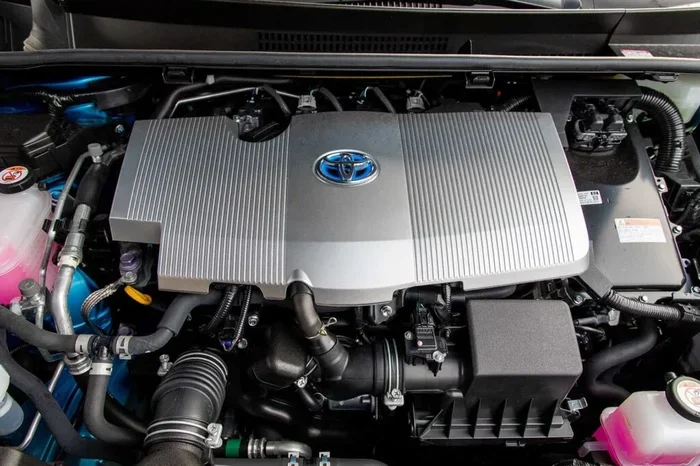
The Prius uses a system called Hybrid Synergy Drive. This is Toyota’s signature technology that blends an electric motor with a gas engine. Together, they work to deliver power efficiently while using less fuel than a traditional car. The system constantly monitors your driving and decides which power source to use at any given moment.
The Electric Motor and Gas Engine Team Up
At low speeds, the electric motor handles all the work. This is why the Prius can crawl through traffic in complete silence. The gas engine stays off until you need more power. Once you reach a certain speed or demand more acceleration, the gas engine kicks in. This transition happens so smoothly that many drivers do not even notice it.
The hybrid battery plays a key role in this process. It stores energy recovered during braking and supplies power to the electric motor. When the battery gets low, the gas engine also works to recharge it. This clever setup means you never need to plug in your Prius to charge the battery.
Why the Switch Happens
The Prius switches to gas for several reasons. First, the electric motor has limited range at higher speeds. It simply cannot produce enough power on its own for highway driving. Second, the gas engine is more efficient at steady, higher speeds. Third, the system needs to keep the hybrid battery charged for when electric power is most useful, such as in stop-and-go traffic.
Understanding when the Prius switches to gas helps you drive smarter. For example, if you know the gas engine will kick in at 15 mph, you can plan your acceleration accordingly. This small bit of knowledge can lead to better fuel economy over time.
At What Speed Does the Prius Switch to Gas
The short answer is that the Prius typically switches to gas at around 15 mph. However, this number is not set in stone. Several factors influence exactly when the switch happens. Let us look at the details so you know what to expect from your specific Prius model.
Speed Threshold for Engine Engagement
Most Prius models activate the gas engine when you exceed 15 mph. Below that speed, the electric motor does the heavy lifting. This is why you see the EV mode indicator light up in city driving. The electric-only range at low speeds is one of the biggest advantages of owning a Prius.
However, the exact speed can shift depending on conditions. If the battery is low, the gas engine may turn on even at lower speeds. If you are climbing a hill, the gas engine might engage earlier to provide extra power. The system is designed to be flexible and responsive to your driving needs.
How Driving Conditions Affect the Switch
Your driving style and conditions play a big role in when the switch happens. Here are some factors that influence the speed at which the Prius switches to gas:
- Battery Charge Level: A fully charged battery keeps the electric motor running longer. A low battery forces the gas engine to start sooner.
- Acceleration Demand: Hard acceleration triggers the gas engine even at low speeds. Gentle acceleration keeps you in electric mode longer.
- Temperature: Cold weather can cause the gas engine to start earlier to warm up the engine and cabin.
- Air Conditioning Use: Running the AC may cause the gas engine to activate to provide extra power for the compressor.
- Terrain: Hills and inclines demand more power, which can trigger the gas engine at lower speeds.
These factors all work together to determine exactly when your Prius makes the transition. The good news is that the system handles all of this automatically. You do not need to do anything special to manage the switch.
EV Mode: Driving on Electric Power
One of the best features of the Prius is EV mode. When you activate EV mode, the car tries to stay in electric-only driving for as long as possible. This is great for city driving, parking lots, and short trips around the neighborhood.
How EV Mode Works
In EV mode, the Prius uses only the electric motor. The gas engine stays completely off. This means zero emissions and near-silent driving. EV mode works best at low speeds and when the battery has a healthy charge.
Most Prius models can drive in EV mode for about 1 to 2 miles at low speeds. After that, the battery charge drops and the gas engine starts. This is a great way to save fuel for short, local trips. You can also use EV mode when pulling out of a parking space or driving through a quiet neighborhood.
Keep in mind that EV mode does not work at highway speeds. Once you exceed the electric-only speed limit, the gas engine will take over regardless. This is where the Prius switch to gas speed becomes a hard limit. The system simply cannot run on electricity alone at higher speeds.
Tips for Maximizing EV Mode
Want to get the most out of EV mode? Here are some practical tips:
- Accelerate gently to stay in electric mode longer.
- Use EV mode in city driving where speeds stay below 15 mph.
- Avoid hard braking, which drains the battery faster.
- Check your battery level before relying on EV mode for longer stretches.
- Use EV mode when the battery is freshly charged, such as after regenerative braking on a downhill stretch.
These simple habits can help you stretch your electric-only driving and reduce fuel consumption significantly.
Highway Driving and Gas Engine Behavior
Highway driving is where the gas engine takes center stage in the Prius. At steady speeds above 30 mph, the gas engine handles most of the work. The electric motor still assists, but it plays a supporting role during highway cruising.
Why the Gas Engine Dominates at High Speeds
The electric motor in the Prius is designed for low-speed efficiency. It delivers strong torque from a stop, which is perfect for city driving. But at highway speeds, the gas engine is simply more efficient. It can maintain steady speeds using less fuel than the electric motor could on its own.
This is why the Prius switches to gas at higher speeds and stays there for the most part. The hybrid system is smart enough to know that the gas engine is the better choice for sustained highway driving. It also uses the electric motor for quick bursts of acceleration when needed.
Fuel Economy at Different Speeds
Your fuel economy changes depending on your speed. Here is a general comparison of how the Prius performs at different driving speeds:
- Under 15 mph (City): Mostly electric. Excellent fuel economy. The gas engine rarely engages.
- 15 to 30 mph (Suburban): Mixed electric and gas. The engine switches frequently based on demand.
- 30 to 55 mph (Highway): Gas engine dominates. Electric motor assists. Good fuel economy overall.
- 55 to 75 mph (Highway Cruising): Gas engine works hardest. Fuel economy drops slightly but remains better than most cars.
These ranges give you a general idea of what to expect. Actual results will vary based on your specific Prius model, driving habits, and road conditions.
Model Year Differences in Prius Hybrid Systems
Toyota has updated the Prius over the years with improved hybrid technology. Each generation brings changes to how and when the car switches between electric and gas power. Here is a quick look at how different model years compare.
Early Prius Models (1997-2009)
The first-generation Prius had a simpler hybrid system. It switched to gas at relatively low speeds and had a limited electric-only range. These early models were still a huge step forward for fuel efficiency, but the transitions were not as seamless as modern versions.
Mid-Generation Prius (2010-2015)
The third and fourth-generation Prius models brought significant improvements. The electric motor became more powerful, and the switch between electric and gas became smoother. These models also introduced more advanced regenerative braking systems that kept the battery charged more effectively.
Latest Prius Models (2016-Present)
Modern Prius models feature the most advanced hybrid technology. They have longer electric-only ranges, smarter engine switching, and better overall fuel economy. The latest Prius switch to gas logic is more refined, using sensors and software to make split-second decisions about power sources.
If you are shopping for a used Prius or considering a new one, the model year matters. Newer models offer a more refined driving experience and better efficiency in the electric-to-gas transition.
Common Questions About the Prius Gas Switch
Many Prius owners have questions about how the gas engine works. Here are some of the most common ones and their answers.
Does the Prius Always Switch to Gas at the Same Speed?
No, the switch speed can vary. While 15 mph is the general threshold, battery level, temperature, and driving conditions all play a role. The hybrid system makes real-time decisions based on what is most efficient at any given moment.
Can You Force the Prius to Stay in Electric Mode?
You can use EV mode to encourage electric-only driving, but you cannot force it at all times. The system will automatically switch to gas when it determines that the electric motor cannot handle the demand. This is a safety feature that ensures you always have enough power.
Is It Bad for the Prius to Switch Between Electric and Gas Frequently?
Not at all. The hybrid system is designed to switch between power sources constantly. In fact, frequent switching in city driving is normal and expected. The system manages the transitions smoothly, and there is no extra wear on the engine or motor from switching.
How Can I Improve My Prius Fuel Economy?
Several tips can help you get better fuel economy from your Prius. Drive at steady speeds when possible, avoid hard acceleration, use EV mode in the city, keep your tires properly inflated, and reduce unnecessary weight in the car. These small changes add up over time and can significantly boost your miles per gallon.
Does the Prius Use Gas When Idling?
In most cases, the Prius shuts off the gas engine when idling, such as at a red light or in stop-and-go traffic. The electric motor handles these situations. However, if the battery is low or the engine needs to warm up, the gas engine may stay on during idling. For more details on this topic, check out our article on does a hybrid burn gas when idling.
Can a Prius Run Without Gas?
While the Prius can run on electric power alone for short distances, it cannot run without gas entirely. The hybrid system needs gasoline to recharge the battery and to provide power at higher speeds. If you run out of gas completely, the car will not operate properly. Learn more about this in our article on can a hybrid run without gas.
Expert Tips for Getting the Most from Your Prius Hybrid System
Now that you understand how and when the Prius switches to gas, here are some expert tips to help you get the most out of your hybrid vehicle. These practical insights come from years of Prius ownership and real-world driving experience.
Monitor Your Battery Level
Keep an eye on your hybrid battery indicator. When the battery is full, you have more electric-only driving available. When it is low, the gas engine will kick in more often. Try to maintain a healthy battery charge by driving smoothly and using regenerative braking effectively.
Use Cruise Control on Highways
Cruise control helps maintain a steady speed, which is great for fuel economy. The gas engine works most efficiently at consistent speeds. By using cruise control on highways, you reduce unnecessary acceleration and deceleration, which means fewer gas engine activations and better mileage.
Learn Your Dash Indicators
The Prius dashboard provides useful information about which power source is active. The EV indicator light tells you when you are driving on electric power alone. The energy monitor shows you how the battery is charging and discharging in real time. Understanding these indicators helps you adjust your driving to stay in electric mode longer.
Practice Smooth Driving
Smooth driving is the single best way to improve your Prius fuel economy. Gentle acceleration, early braking, and steady speeds all help the hybrid system work more efficiently. Aggressive driving causes frequent gas engine activations and wastes fuel. By driving smoothly, you let the electric motor do more of the work.
Keep Up with Maintenance
Regular maintenance keeps your Prius running at its best. This includes checking the hybrid battery health, replacing air filters, keeping tires properly inflated, and using the recommended engine oil. A well-maintained Prius will switch between electric and gas power more efficiently and deliver better fuel economy over the long term.
Conclusion
The Prius switch to gas speed is an important aspect of understanding how your hybrid vehicle works. In most cases, the Prius switches from electric to gas at around 15 mph, though this can vary based on battery level, driving conditions, and model year. The hybrid system is designed to be smart and automatic, choosing the best power source for every moment of your drive.
By using EV mode in the city, driving smoothly, and staying aware of your battery level, you can maximize your fuel economy and enjoy the full benefits of Toyota’s Hybrid Synergy Drive technology. The Prius remains one of the most fuel-efficient cars on the road, and understanding how its power system works helps you get the most out of every tank of gas.
Whether you are a new Prius owner or have been driving one for years, knowing when and why the gas engine engages gives you more control over your driving experience. Use the tips in this guide to drive smarter, save more fuel, and enjoy the quiet, efficient ride that makes the Prius so special.