Dont Miss These Signs of Improper Windshield Installation
Improper windshield installation can compromise your safety and damage your vehicle. Watch for water leaks, excessive wind noise, visible gaps, and windshield distortion. Catching these signs early saves you from costly repairs and keeps you safe on the road.
Your windshield does a lot more than just keep the wind out. It supports your car’s roof. It helps your airbags deploy correctly. And it keeps you safe in a crash. So when it’s installed wrong, the consequences can be serious.
Signs of improper windshield installation are not always obvious at first glance. Sometimes they show up days or even weeks after the replacement. That’s why every car owner should know what to look for. In this guide, we’ll walk you through the most common warning signs. We’ll explain why they happen. And we’ll show you exactly what to do if you spot them.
Whether you just had a windshield replacement or you’re buying a used car, this article will help you protect yourself and your passengers. Let’s dive in.
Key Takeaways
- Water leaks around the edges are the most common sign of a failed windshield seal and should never be ignored.
- Excessive wind noise inside the cabin often points to a poorly fitted or misaligned windshield.
- Visible gaps or misalignment between the glass and the frame indicate improper installation.
- Windshield distortion or wavy glass can affect your driving visibility and should be checked immediately.
- A poorly installed windshield weakens your vehicle’s structural integrity and can compromise airbag deployment.
- Choosing a certified, experienced installer is the best way to prevent improper windshield installation.
- Adhesive curing time matters — driving too soon after replacement can lead to a failed seal.
📑 Table of Contents
Why Proper Windshield Installation Matters
The Role of Your Windshield in Vehicle Safety
Most people think of their windshield as just a big piece of glass. But it’s actually a critical part of your car’s safety system. In a rollover accident, the windshield helps support the roof. It prevents the roof from collapsing inward. That alone makes proper installation a matter of life and death.
During a front-end collision, the windshield also helps the airbags deploy correctly. The airbag bounces off the windshield to cushion your impact. If the glass is loose or misaligned, the airbag might not work as it should. That’s a risk no one should take.
Beyond safety, a properly installed windshield keeps your cabin quiet and dry. It maintains the aerodynamics of your car. And it keeps driving visibility clear. So when improper windshield installation occurs, every one of these functions is compromised.
How Windshield Adhesive Works
The secret to a solid windshield is the adhesive. Most modern cars use a urethane adhesive that bonds the glass directly to the car frame. This adhesive creates a strong, flexible seal. It absorbs road vibration and keeps water out.
But here’s the thing — adhesive needs time to cure. Most manufacturers recommend waiting at least one hour before driving. Some adhesives need up to 24 hours to reach full strength. If the installer rushes this step, the bond may be weak from the start.
Also, the type of adhesive matters. OEM windshield replacements use factory-grade bonding agents. Aftermarket glass might use cheaper adhesive. Both can fail if the installer doesn’t prep the frame properly.
Common Signs of Improper Windshield Installation
Now let’s get into the heart of the matter. Here are the most common signs of improper windshield installation that every car owner should know.
Water Leaks Around the Edges
This is the number one warning sign. After a heavy rain or a car wash, check inside your car. Do you see water spots on the dashboard? Do you feel dampness near the corners of the windshield? If yes, your seal is likely failing.
A proper windshield seal keeps moisture completely out. When the seal is weak or uneven, water sneaks through tiny gaps. Over time, this can damage your interior electronics. It can cause mold growth too. Nobody wants that.
Quick tip: Place a towel on your dashboard after washing your car. Check it after 30 minutes. If the towel is wet, you have a leak.
Excessive Wind Noise Inside the Cabin
Some wind noise is normal. But if you hear a loud whooshing sound at highway speeds, something’s wrong. A properly installed windshield should feel nearly silent.
Wind noise usually happens when the glass doesn’t sit flush against the frame. Even a tiny gap can create a whistle at high speeds. This is not just annoying — it’s a sign that your windshield pressure seal is uneven.
Pay attention to when the noise happens. Does it get louder when you’re on the highway? Does it change when you press on the windshield? These clues help your installer diagnose the problem.
Visible Gaps or Misalignment
Take a close look at your windshield from the outside. Run your eyes along the edges. Is the glass evenly spaced from the frame all the way around? If you see gaps on one side or the top, the installation was likely off.
Misalignment can happen for several reasons. The frame might not have been cleaned properly before bonding. The glass might have been placed crooked. Or the adhesive curing time was not respected, and the glass shifted.
Even a small gap can lead to big problems. Water enters through gaps. Dirt collects in the spaces. And over time, the bond weakens further. Don’t ignore this sign.
Windshield Distortion or Wavy Glass
Look straight through your windshield from the driver’s seat. Does the glass look perfectly flat? Or do you notice wavy lines or slight bending?
Windshield distortion is a serious issue. It can cause eye strain and headaches during long drives. More importantly, it distorts your view of the road. Lines, signs, and other cars may appear warped or shifted.
Distortion usually happens when the glass is not seated correctly in the frame. It can also result from uneven adhesive application. If the adhesive is too thick in some spots and too thin in others, the glass bends to match the pressure.
Quick tip: Hold a straight edge, like a ruler, against the windshield. Look for any light gaps or unevenness. If you see them, get a second opinion.
Stress Cracks and Chips Near the Edges
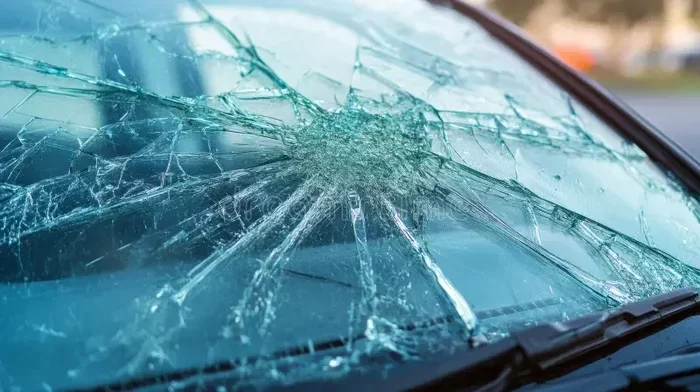
A new windshield shouldn’t crack easily. But if the installation was done wrong, even small bumps can cause damage. Stress cracks often appear near the edges of the glass where the bond is weakest.
These cracks are different from normal chips. They tend to spread quickly. And they often appear without any obvious impact. If your new windshield develops cracks for no clear reason, the installation might be at fault.
Windshield stress cracks are a red flag. They mean the glass is under uneven pressure. The safety glass is not performing as it should. Have this checked by a professional right away.
Unusual Vibrations While Driving
Your windshield should feel solid and stable. If you notice extra vibrations in the dashboard or steering wheel, the glass might not be bonded properly.
Road vibration is normal to a degree. But if it feels louder or more intense than before the replacement, something’s off. A loose windshield transfers more vibration into the car frame. Over time, this can loosen other components too.
How to Check Your Windshield Installation at Home
You don’t need to be a mechanic to spot problems. Here’s a simple checklist you can follow after a windshield replacement.
Visual Inspection Checklist
- Look at the edges from outside. Check for even spacing all the way around.
- Inspect the inside of the car near the top trim. Look for any gaps or light coming through.
- Check the dashboard and sun visor for water stains or dampness.
- Run your finger along the inside edge of the glass. Feel for any unevenness or loose spots.
- Look at the adhesive bead. It should be smooth and consistent, not blobby or uneven.
Testing for Wind Noise
Here’s a simple test you can do at home. Drive at highway speed with all the windows closed. Listen carefully. Is there any whooshing or whistling sound near the windshield? If so, roll down each window one at a time. This helps you pinpoint where the noise is coming from.
If the noise is clearly near the windshield, the seal is likely the problem. Don’t just live with it. Get it checked.
Checking the Adhesive Bead
The adhesive bead is the line of glue that holds the windshield in place. A proper bead should be smooth and uniform. It should cover the entire perimeter without gaps.
If you can see gaps in the adhesive, or if it looks lumpy and uneven, the installation was done poorly. The bead is what creates the windshield seal. Without it, everything else fails.
The Hidden Dangers of a Poorly Installed Windshield
Some consequences of improper installation don’t show up right away. They develop slowly over time. And by the time you notice them, the damage may already be done.
Compromised Structural Integrity
Your car’s body is designed as a single unit. The windshield is part of that structure. It helps the car maintain its shape during a crash. When the windshield is loose, the whole structure becomes weaker.
Studies show that a properly bonded windshield adds up to 30% more structural strength to the car’s cabin. A poorly bonded one adds almost nothing. In a rollover accident, this difference can mean the gap between a safe crash and a fatal one.
Airbag Deployment Risks
We touched on this earlier, but it deserves its own attention. The passenger-side airbag often uses the windshield as a bounce surface. The airbag deploys upward, hits the glass, and redirects toward the passenger.
If the windshield is loose, it might shatter on impact instead of holding the airbag in place. This means the airbag could deploy incorrectly or not at all. For your family’s safety, this is not something to gamble with.
Water Damage and Mold Growth
Water that leaks through a bad seal doesn’t just stay on the surface. It seeps into the dashboard, the wiring, and the insulation. Over time, this causes rust, electrical problems, and mold.
Mold inside your car is a health hazard, especially for kids and people with allergies. And fixing water-damaged electronics can cost hundreds of dollars. A proper windshield installation prevents all of this.
Quick Tips to Avoid Improper Windshield Installation
Prevention is always better than cure. Here’s how to make sure your next windshield replacement goes right.
Choose the Right Installer
Not all auto glass shops are the same. Look for certified installers with good reviews. Ask about their training and the products they use. A reputable shop will be happy to answer your questions.
Quick tips for choosing the right installer:
- Check for certifications from organizations like Auto Glass Safety Council.
- Ask if they use OEM or OEM-equivalent glass.
- Find out what adhesive brand they use.
- Read recent customer reviews online.
- Ask about their warranty policy.
OEM vs Aftermarket Glass
When it comes to car glass repair and replacement, you have two main options. OEM glass is made by the same manufacturer that made your original windshield. Aftermarket glass is made by a different company.
OEM glass fits perfectly and meets the original factory standards. Aftermarket glass can be just as good if it’s from a reputable brand. But the installation quality matters just as much as the glass itself.
| Feature | OEM Glass | Aftermarket Glass |
|---|---|---|
| Fit and Finish | Perfect factory match | Good, may vary by brand |
| Cost | Higher | More affordable |
| Warranty | Usually included | Varies by installer |
| Availability | May take longer | Usually in stock |
| Quality | Consistent | Depends on manufacturer |
Understand Curing Time
After your windshield is replaced, give the adhesive time to set. Most installers will tell you to wait at least one hour before driving. Some recommend waiting 24 hours for the full cure.
Don’t rush this step. If you drive too soon, the windshield might shift before the bond is strong enough. That’s one of the most common causes of improper windshield installation problems.
When to Get Your Windshield Reinstalled
Sometimes the best fix is a redo. If you notice any of the warning signs we’ve discussed, don’t wait. The longer you drive with a bad installation, the worse the damage gets.
Red Flags That Demand Immediate Action
Contact your installer or find a new one right away if you notice:
- Water leaking inside your car after rain
- Loud wind noise at highway speeds
- Visible gaps between the glass and the frame
- New cracks appearing near the edges
- The windshield feels loose or moves when you press on it
- Your airbag warning light comes on after the replacement
Professional Inspection vs DIY Assessment
While you can do a basic check at home, a professional inspection is always a good idea. A certified technician has the tools and experience to spot problems you might miss.
They can check the adhesive bond strength. They can measure the windshield pressure. And they can assess whether the glass is contributing to your car’s structural integrity. It’s a small investment that can save you a lot of trouble down the road.
Expert Insight: Many reputable shops offer free post-installation inspections. Don’t be afraid to ask for one. It shows you care about quality, and it helps you catch problems early.
Conclusion
Your windshield is one of the most important safety features in your car. When it’s installed correctly, you barely notice it’s there. When it’s installed wrong, it can cause leaks, noise, distortion, and even compromise your safety in a crash.
Now you know the signs of improper windshield installation to watch for. You know how to check your own windshield at home. And you know when to seek professional help. Use this knowledge to protect yourself and your family.
Don’t ignore the warning signs. If something doesn’t look or feel right after a windshield replacement, take action. A quick inspection now can save you from expensive repairs and, more importantly, keep you safe on every drive.
Frequently Asked Questions
How soon after a windshield replacement can I drive my car?
Most installers recommend waiting at least one hour before driving. Some adhesives need up to 24 hours to fully cure. Always follow the specific instructions given by your installer. Driving too soon can weaken the bond and lead to a failed seal.
Can a poorly installed windshield cause leaks in my car?
Yes, absolutely. Water leaks are one of the most common signs of improper windshield installation. If the seal or adhesive is not applied correctly, water can seep through the gaps and enter your car interior, causing damage to electronics and mold growth.
Is it safe to drive with a loose windshield?
No, it is not safe. A loose windshield compromises your vehicle’s structural integrity and can affect airbag deployment in a crash. If you feel any movement or looseness in your windshield, get it inspected immediately by a certified professional.
How long does a windshield installation usually last?
A properly installed windshield should last the lifetime of the vehicle. However, poor installation, low-quality adhesive, or premature driving can cause the bond to fail within months. Regular inspections help ensure your installation holds up over time.
What should I do if I notice a crack near the edge of my new windshield?
A stress crack near the edge is a red flag for improper installation. The glass should not crack easily after a proper replacement. Contact your installer or a trusted auto glass shop for a professional assessment as soon as possible.
Does insurance cover a windshield reinstallation?
Many auto insurance policies cover windshield replacement and reinstallation, especially if the original work was faulty. Check with your insurance provider to understand your coverage. Some policies also cover the cost of a second opinion or re-inspection.