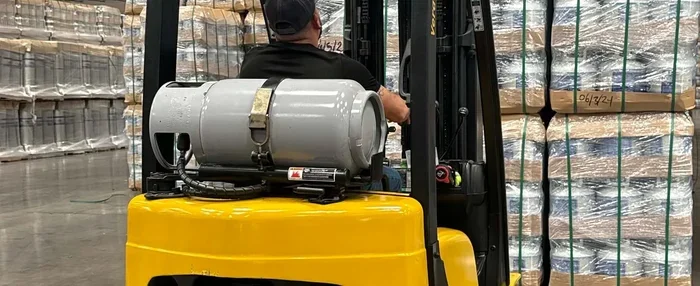
How Much Does an Empty Forklift Propane Tank Weigh
An empty forklift propane tank typically weighs between 17 and 25 pounds, depending on the tank size and model. The weight of an empty forklift propane tank matters for safety, load planning, and fleet efficiency. Knowing the empty propane tank weight helps operators avoid overloading and stay compliant with regulations.
If you run a warehouse or a distribution center, you probably rely on forklifts every single day. And if those forklifts run on propane, you have dealt with propane tanks more times than you can count. But here is a question that often gets overlooked: how much does an empty forklift propane tank weigh? It might seem like a simple question, but the answer has real implications for safety, efficiency, and cost control.
Knowing the empty forklift propane tank weight is not just trivia. It helps you plan loads, avoid overfilling, and keep your operators safe on the floor. Whether you manage a small fleet or a large warehouse operation, understanding tank weights is a must. In this guide, we will break down everything you need to know about propane tank weight, tank sizes, and why it all matters.
Key Takeaways
- Standard empty weight: Most 8-gallon forklift propane tanks weigh around 17 to 25 pounds when empty.
- Tank size matters: Different tank capacities (4-gallon to 10-gallon) have varying empty weights.
- Tare weight is key: The tare weight stamped on the tank tells you the exact empty weight.
- Safety first: Knowing the empty weight helps prevent overloading and accidents.
- Fleet planning: Tracking tank weights helps manage fuel costs and equipment longevity.
- Regulatory compliance: DOT and OSHA have specific rules about tank weight and handling.
- Easy to check: You can find the empty weight on the tank’s data plate or stamped markings.
📑 Table of Contents
- What Is the Weight of an Empty Forklift Propane Tank?
- Why Does the Empty Tank Weight Matter?
- How to Find the Tare Weight on Your Tank
- Understanding Propane Tank Capacity and Fill Weight
- Forklift Propane Tank Types and Their Weights
- Propane Tank Weight and Forklift Fleet Management
- Common Mistakes to Avoid with Propane Tank Weights
- Propane vs Electric Forklifts: Weight and Cost Comparison
- Expert Tips for Managing Forklift Propane Tanks
- Key Takeaways
- Frequently Asked Questions
- Final Thoughts
What Is the Weight of an Empty Forklift Propane Tank?
The empty propane tank weight depends on the tank size. Most standard forklift propane tanks come in a few common sizes. The most popular ones are the 4-gallon, 8-gallon, and 10-gallon tanks. Each of these has a different empty weight, and that number is called the tare weight.
The tare weight is the weight of the tank when it is completely empty. It does not include any propane inside. This number is usually stamped right on the tank. You can find it near the valve or on the data plate. Always check the tare weight before filling a tank. This helps you avoid overfilling, which can be dangerous.
Common Tank Sizes and Their Empty Weights
Here is a quick look at the most common forklift propane tank sizes and their typical empty weights:
- 4-gallon tank: About 17 pounds empty
- 8-gallon tank: About 20 to 25 pounds empty
- 10-gallon tank: About 25 to 30 pounds empty
These numbers can vary slightly based on the manufacturer. Steel tanks tend to weigh a bit more than aluminum ones. Always refer to the specific tank’s data plate for the most accurate tank tare weight.
Why Does the Empty Tank Weight Matter?
You might wonder why anyone needs to know the empty forklift propane tank weight. The answer is simple. It affects everything from safety to daily operations. Let us look at the main reasons this number matters so much.
Safety on the Warehouse Floor
Overfilled propane tanks are a serious safety hazard. If a tank is filled past its capacity, the excess propane can expand in heat and cause the relief valve to open. This releases flammable gas into the air. By knowing the tank tare weight, you can calculate the correct fill weight and prevent overfilling.
Operators should also know the empty weight to properly lift and move tanks. A tank that is too heavy can cause back injuries or tip a forklift. Safety should always come first in any warehouse environment.
Load Planning and Forklift Capacity
Every forklift has a maximum load capacity. When you attach a propane tank to a forklift, that weight counts toward the total load. If you do not know the empty propane tank weight, you might accidentally exceed the forklift’s rated capacity. This is especially important when lifting heavy loads at height.
For example, if your forklift has a 5,000-pound capacity and the tank adds 30 pounds, you need to subtract that from your available lift capacity. Small details like this can make a big difference in safe operations.
Fuel Cost Management
Tracking the weight of propane tanks helps you manage fuel costs. By weighing tanks before and after use, you can calculate how much propane was consumed. This data helps you budget for fuel and identify inefficiencies in your fleet.
Many fleet managers use tank exchange programs where empty tanks are swapped for full ones. Knowing the empty forklift propane tank weight helps you verify that you are getting the right amount of fuel each time.
How to Find the Tare Weight on Your Tank
Finding the tank tare weight is easy if you know where to look. Every propane tank designed for forklift use has specific markings. These markings meet standards set by the Department of Transportation (DOT) and the National Fire Protection Association (NFPA).
Where to Look
- Data plate: Most tanks have a metal plate attached to the body. This plate lists the tare weight, tank capacity, and other specs.
- Stamped markings: Some tanks have the tare weight stamped directly into the steel or aluminum body.
- Tank collar: Check the area near the valve. The tare weight is often printed or stamped there.
If you cannot find the tare weight, check the manufacturer’s website or contact the supplier. They should be able to provide the exact empty forklift propane tank weight for your specific model.
Understanding Propane Tank Capacity and Fill Weight
Now that you know the empty weight, let us talk about fill weight. The fill weight is the amount of propane you can safely add to the tank. It is calculated by subtracting the tare weight from the total weight when the tank is full.
The 80% Fill Rule
Propane tanks are never filled to 100% capacity. They are filled to only 80% of their total capacity. This leaves room for the propane to expand when temperatures rise. This is a safety requirement set by federal regulations.
For example, an 8-gallon tank has a total capacity of 8 gallons. But it should only be filled with 6.4 gallons of propane. This is the 80% fill rule. It applies to all propane tanks used in forklifts and other equipment.
Calculating Fill Weight
Here is a simple way to calculate the fill weight:
- Find the tare weight of the tank (the empty weight).
- Multiply the tank capacity by 0.8 to get the safe fill volume.
- Multiply the fill volume by the weight of propane per gallon (about 4.2 pounds per gallon).
- This gives you the safe fill weight.
Knowing these numbers helps you avoid overfilling and ensures your propane forklift operates safely and efficiently.
Forklift Propane Tank Types and Their Weights
Not all forklift propane tanks are the same. There are different types designed for different applications. Let us look at the most common ones and their weights.
Standard Steel Tanks
Steel tanks are the most common type used in forklifts. They are durable and long-lasting. A standard 8-gallon steel tank typically weighs about 20 to 25 pounds when empty. These tanks are DOT-approved and meet all safety standards.
Steel tanks are heavier than aluminum ones, but they can handle rough handling better. They are a great choice for heavy-duty warehouse operations.
Aluminum Tanks
Aluminum tanks are lighter than steel tanks. An 8-gallon aluminum tank might weigh around 17 to 22 pounds when empty. The lighter weight makes them easier to handle and exchange.
However, aluminum tanks can dent more easily. They are best suited for environments where tanks are handled with care. The empty propane tank weight difference between steel and aluminum can add up over time, especially in large fleets.
High-Capacity Tanks
Some operations use larger tanks, like 10-gallon or even 12-gallon tanks. These tanks hold more propane and need less frequent refilling. But they also weigh more when empty. A 10-gallon tank can weigh 25 to 30 pounds when empty.
Always check the tare weight before using a high-capacity tank. The extra weight affects your forklift’s load capacity and stability.
Propane Tank Weight and Forklift Fleet Management
Managing a fleet of forklifts involves tracking many details. One of the most important is the weight of the propane tanks. Here is how forklift propane tank weight plays into fleet management.
Tracking Tank Usage
Weighing tanks before and after each shift gives you accurate fuel usage data. This helps you track consumption patterns and identify any issues. If a tank is using propane faster than expected, it could signal a leak or a mechanical problem.
Many fleet management software tools allow you to log tank weights. This data helps you make informed decisions about fuel purchasing and tank maintenance.
Tank Exchange Programs
Tank exchange programs are popular among warehouse operators. You trade your empty tank for a full one, and the supplier handles the refilling. Knowing the empty forklift propane tank weight helps you verify that the exchange is fair.
Always weigh the tank before returning it. This ensures you are not paying for propane you did not use. It also helps you track your fleet’s fuel efficiency over time.
Maintenance and Inspection
Regular tank inspections are essential for safety. During an inspection, check the tare weight to make sure the tank has not been damaged or corroded. A tank that weighs more than its stamped tare weight might have internal buildup or damage.
Any tank that shows signs of rust, dents, or leaks should be removed from service immediately. Proper maintenance keeps your forklift fuel tank safe and extends its lifespan.
Common Mistakes to Avoid with Propane Tank Weights
Even experienced operators can make mistakes when it comes to tank weights. Here are some common errors to avoid.
- Ignoring the tare weight: Always check the stamped tare weight before filling a tank. Guessing leads to overfilling.
- Overfilling the tank: Never fill past the 80% mark. Overfilled tanks are a fire and explosion risk.
- Using the wrong tank: Make sure the tank is rated for forklift use. Automotive propane tanks are not the same.
- Skipping inspections: Regular inspections catch problems early. Do not skip them.
- Not tracking weight changes: Sudden weight changes can indicate leaks or other issues. Monitor your tanks closely.
Propane vs Electric Forklifts: Weight and Cost Comparison
Many warehouse operators wonder whether to use propane or electric forklifts. The forklift propane tank weight is one factor to consider. Here is a quick comparison.
| Factor | Propane Forklift | Electric Forklift |
|---|---|---|
| Fuel weight | 20 to 30 lbs (tank) | Battery weighs 1,000 to 4,000 lbs |
| Refueling time | 2 minutes for tank swap | 4 to 8 hours for charging |
| Operating cost | Moderate | Lower long-term |
| Indoor use | Needs ventilation | Zero emissions |
| Power consistency | Consistent until empty | Decreases as battery drains |
Propane forklifts are great for outdoor and indoor applications where ventilation is available. The empty forklift propane tank weight is much lighter than a fully charged battery. But electric forklifts have lower operating costs over time. The right choice depends on your specific needs and work environment.
Expert Tips for Managing Forklift Propane Tanks
Here are some expert tips to help you manage your propane tanks more effectively.
- Weigh tanks regularly: Make it a habit to weigh tanks at the start and end of each shift. This builds a clear picture of fuel usage.
- Label tanks with the tare weight: Use a label maker to write the tare weight on each tank. This saves time and prevents confusion.
- Train your operators: Make sure every operator knows how to check the tare weight and avoid overfilling.
- Keep a log: Track tank weights in a spreadsheet or fleet management software. Data helps you spot trends and save money.
- Store tanks properly: Keep tanks upright in a well-ventilated area. Proper storage prevents leaks and extends tank life.
Key Takeaways
- Standard empty weight: Most 8-gallon forklift propane tanks weigh around 17 to 25 pounds when empty.
- Tank size matters: Different tank capacities (4-gallon to 10-gallon) have varying empty weights.
- Tare weight is key: The tare weight stamped on the tank tells you the exact empty weight.
- Safety first: Knowing the empty weight helps prevent overloading and accidents.
- Fleet planning: Tracking tank weights helps manage fuel costs and equipment longevity.
- Regulatory compliance: DOT and OSHA have specific rules about tank weight and handling.
- Easy to check: You can find the empty weight on the tank’s data plate or stamped markings.
Frequently Asked Questions
What is the standard weight of an empty 8-gallon forklift propane tank?
An empty 8-gallon forklift propane tank typically weighs between 20 and 25 pounds. The exact weight depends on the manufacturer and whether the tank is made of steel or aluminum. Always check the tare weight stamped on the tank for the most accurate number.
How do I find the tare weight on my propane tank?
The tare weight is usually stamped on the tank body or listed on the data plate. Look near the valve or on the side of the tank. If you cannot find it, contact the manufacturer or supplier for the exact empty forklift propane tank weight.
Can I use a standard propane tank on a forklift?
No. Standard propane tanks are not designed for forklift use. Forklift propane tanks are built to meet specific safety standards set by the DOT and NFPA. Using the wrong type of tank can be dangerous and may violate regulations.
How much does a full propane tank weigh?
A full 8-gallon propane tank weighs about 58 to 65 pounds total. This includes the tare weight (empty weight) plus the weight of the propane inside. Propane weighs about 4.2 pounds per gallon, and tanks are filled to 80% capacity.
Why is my propane tank heavier than the tare weight?
If your tank weighs more than the stamped tare weight, it likely still contains propane. It could also indicate internal buildup, corrosion, or damage. Have the tank inspected by a professional if you notice unexpected weight changes.
How often should I replace my forklift propane tank?
With proper maintenance, a forklift propane tank can last 10 to 15 years or more. Regular inspections, proper storage, and avoiding impacts will extend the tank’s lifespan. Replace the tank immediately if you notice rust, dents, or leaks.
Final Thoughts
Understanding how much an empty forklift propane tank weighs is more important than most people realize. It is not just a number on a tank. It affects safety, load planning, fuel costs, and fleet efficiency. Whether you manage a small operation or a large warehouse, taking the time to know your tank weights pays off in the long run.
Always check the tare weight before filling a tank. Follow the 80% fill rule. Keep your tanks inspected and properly stored. These simple steps keep your operators safe and your operations running smoothly.
The next time you pick up a propane tank, take a moment to check its weight. You will be glad you did. Knowledge about your forklift propane tank is one of the easiest ways to improve safety and efficiency in your warehouse.