Can You Go 2 Years Without Changing Oil and Save Money
Going 2 years without changing oil is risky and depends on your vehicle, oil type, and driving habits. Modern synthetic oils can last longer, but most manufacturers still recommend changes every 5,000 to 7,500 miles. Skipping oil changes can lead to engine wear, sludge buildup, and costly repairs that far outweigh any cost savings.
Can you go 2 years without changing oil? It is a question that pops up in car forums, social media groups, and late-night conversations among car owners who want to save a few bucks. The short answer is: it depends. But the longer answer matters a lot more, especially if you care about your engine surviving past 100,000 miles.
Oil is the lifeblood of your engine. It lubricates every moving part, reduces friction, cools components, and keeps harmful particles from building up. When you skip or delay oil changes, you are essentially asking your engine to run on dirty, degraded fluid. Over time, this leads to engine wear, reduced performance, and potentially catastrophic failure.
Some people swear by extended drain intervals. They claim their synthetic oil can last 10,000 or even 15,000 miles. And yes, modern oils are far better than they used to be. But going 2 full years without a change? That is a different story entirely. Let us break down everything you need to know about oil change intervals, the risks of neglecting your engine, and whether the cost savings are worth the gamble.
Key Takeaways
- Most manufacturers recommend oil changes every 5,000 to 7,500 miles: Going 2 years may exceed these limits for many vehicles.
- Synthetic oil lasts longer than conventional oil: It can extend intervals but still needs regular monitoring.
- Old oil loses its lubrication properties: This leads to increased engine wear, heat buildup, and sludge formation.
- Driving conditions matter a lot: Short trips, extreme heat, and towing all shorten oil life significantly.
- The cost of skipping oil changes can be devastating: Engine repairs from neglected oil can cost thousands of dollars.
- Use your oil life monitor wisely: It helps track oil condition but should not replace regular inspections.
- Prevention is always cheaper than repair: Staying on top of your engine maintenance schedule saves money long-term.
📑 Table of Contents
- Is It Really Possible to Go 2 Years Without an Oil Change?
- What Happens to Your Engine When Oil Gets Old
- Synthetic Oil vs Conventional Oil: Which Lasts Longer?
- Factors That Determine How Long Your Oil Lasts
- The Cost Comparison: Changing Oil vs Skipping It
- When to See a Mechanic About Your Oil Change Schedule
- Common Mistakes People Make With Oil Changes
- Key Takeaways
Is It Really Possible to Go 2 Years Without an Oil Change?
The idea of skipping oil changes for two full years sounds appealing to anyone tired of spending money on routine maintenance. But is it actually possible? The honest answer is that it is technically possible for some vehicles under ideal conditions, but it is not recommended by most manufacturers.
Car makers design their vehicles with specific oil change schedules in mind. These schedules are based on extensive testing of engine components, oil performance, and real-world driving conditions. When you go way beyond those recommendations, you are stepping into uncharted territory. Even if your car seems fine on the outside, the internal damage may already be happening.
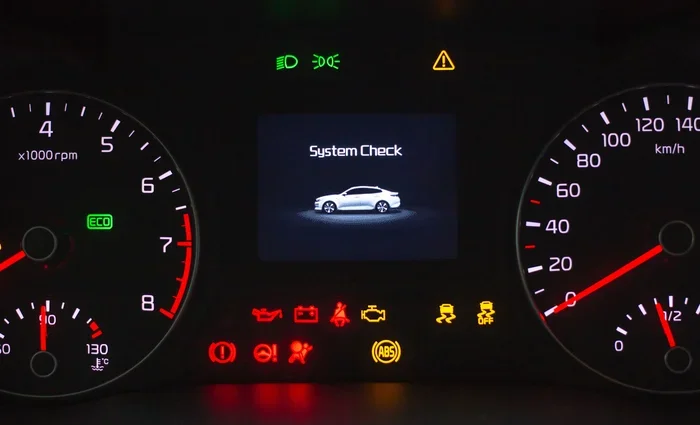
Here is what you need to understand. The oil life monitor in your dashboard is not just a random light. It uses algorithms that track your driving habits, engine temperature, and mileage to estimate when your oil needs replacing. Ignoring that light for two years is a big risk.
What Manufacturers Actually Recommend
Most automakers suggest oil changes every 5,000 to 7,500 miles for conventional oil. For synthetic oil, the interval might stretch to 7,500 or 10,000 miles. But even with synthetic, going 24 months without a change is pushing it.
Let us look at some common examples:
- Toyota: Recommends oil changes every 5,000 to 10,000 miles depending on the model and oil type.
- Honda: Suggests changes every 7,500 miles under normal conditions.
- Ford: Often recommends 7,500 to 10,000 miles for vehicles using full synthetic oil.
- Chevrolet: Typically advises 5,000 to 7,500 miles for most models.
None of these manufacturers design their engines to go 2 full years without fresh oil. Even if they did, real-world driving conditions are rarely ideal. Stop-and-go traffic, extreme temperatures, and short trips all take a toll on your lubrication system.
What Happens to Your Engine When Oil Gets Old
Oil does not just sit in your engine and stay the same. It breaks down over time. Heat, pressure, and exposure to combustion byproducts cause the chemical composition of the oil to change. Understanding this process helps explain why skipping oil changes is so dangerous.
Oil Degradation Over Time
As oil ages, it loses its ability to flow smoothly. The oil viscosity changes, meaning it becomes either too thick or too thin. Thick oil does not reach all the tight spaces in your engine. Thin oil fails to create a proper protective barrier between moving parts.
Over time, the additives in your oil start to deplete. These additives are what keep your oil clean, prevent corrosion, and neutralize acids. Once they are gone, the oil stops doing its job effectively. This is why even if you do not hit the mileage limit, the time factor still matters.
Sludge Buildup and Engine Damage
One of the biggest risks of old oil is engine sludge. Sludge is a thick, dark substance that forms when oil breaks down and mixes with dirt, metal particles, and other contaminants. It clogs oil passages, blocks flow to critical components, and can cause your engine to overheat.
Sludge buildup is not something you can see easily. By the time you notice symptoms like reduced power or strange noises, the damage may already be significant. In severe cases, old oil and sludge can lead to a blown head gasket, which is an expensive repair that could have been avoided with regular oil changes.
If you want to understand what happens when engine components fail from neglect, check out our article on can you drive a car with a blown head gasket. It covers the signs, risks, and costs of this serious engine problem.
Increased Engine Wear and Heat
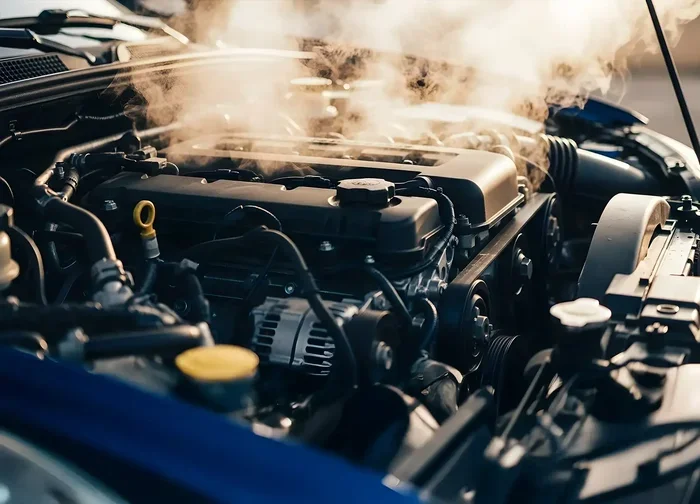
Fresh oil acts as a coolant for your engine. It absorbs heat from the combustion chamber and carries it away. Old oil loses this heat-absorbing capacity. As a result, engine temperatures rise, causing metal parts to expand and grind against each other.
Over months and years, this increased friction wears down bearings, cylinder walls, and other critical components. The engine wear accumulates silently. You might not notice it at first, but eventually, you will feel the difference in performance, fuel economy, and reliability.
Synthetic Oil vs Conventional Oil: Which Lasts Longer?
Not all oils are created equal. The type of oil you use plays a huge role in how long it can last between changes. Let us compare the two main options.
Conventional Oil
Conventional oil is the standard option that has been used in cars for decades. It is made from refined crude oil and provides adequate lubrication for most engines. However, it breaks down faster than synthetic oil and needs to be changed more frequently.
With conventional oil, most experts recommend changes every 3,000 to 5,000 miles. Going 2 years without changing conventional oil would almost certainly result in degraded performance and potential engine damage.
Synthetic Oil
Synthetic oil is engineered in a lab to provide superior performance. It has a more stable molecular structure, which means it resists breakdown better than conventional oil. Synthetic oil also contains advanced additives that protect against heat, oxidation, and sludge.
Many car owners use synthetic oil to extend their oil change intervals. Some manufacturers even recommend synthetic oil for their vehicles because of its longer-lasting properties. However, even synthetic oil has limits. Most experts agree that synthetic oil should be changed every 7,500 to 10,000 miles or every 6 to 12 months, whichever comes first.
Even with the best synthetic oil, going 2 full years is a stretch. The additives deplete over time, and the oil becomes less effective regardless of mileage.
| Feature | Conventional Oil | Synthetic Oil |
|---|---|---|
| Change Interval (miles) | 3,000 – 5,000 | 7,500 – 10,000 |
| Change Interval (months) | 3 – 6 months | 6 – 12 months |
| Heat Resistance | Moderate | High |
| Sludge Protection | Basic | Advanced |
| Cost Per Change | $30 – $50 | $50 – $80 |
| Engine Protection | Good | Excellent |
| 2-Year Viability | No | Not Recommended |
High-Mileage Synthetic Blends
For older vehicles with higher mileage, high-mileage synthetic blends are a popular choice. These oils contain extra seal conditioners and detergents that help maintain engine health. They can be a good middle ground if you want to push your oil change interval a bit further, but they still require regular changes.
Factors That Determine How Long Your Oil Lasts
There is no one-size-fits-all answer to how long oil lasts. Several factors influence the oil change interval for your specific vehicle and driving situation.
Driving Conditions
Your driving environment has a huge impact on oil life. If you drive mostly on highways at steady speeds, your oil will last longer. But if you drive in stop-and-go city traffic, your engine works harder and the oil degrades faster.
Other harsh conditions include:
- Extreme heat or cold: Temperature extremes accelerate oil breakdown.
- Short trips: Short drives do not allow the engine to reach full operating temperature, which causes moisture and fuel to contaminate the oil.
- Towing or hauling: Heavy loads put extra stress on the engine and the oil.
- Dusty or dirty roads: Particles can enter the engine and contaminate the oil faster.
If you regularly drive in any of these conditions, going 2 years without an oil change is a serious risk to your engine.
Vehicle Age and Condition
Older engines tend to burn oil and accumulate more contaminants. If your vehicle has high mileage, the oil works harder and breaks down faster. Newer engines with tighter tolerances might handle extended intervals better, but they still need fresh oil on a regular schedule.
Oil Quality and Brand
Not all oils are created equal. Premium brands with advanced additive packages can last longer than budget options. But even the best oil will degrade over time. The quality of your oil matters, but it does not make your engine invincible.
The Cost Comparison: Changing Oil vs Skipping It
Let us talk numbers, because that is what this is really about. Can you save money by going 2 years without an oil change?
What You Spend on Regular Oil Changes
A standard oil change costs between $30 and $80 depending on the type of oil and your location. If you change your oil twice a year, you are looking at roughly $60 to $160 per year. Over 2 years, that is $120 to $320.
Some quick tips to reduce oil change costs:
- Check for coupons and promotions at local shops.
- Consider DIY oil changes if you are comfortable working on your car.
- Look into extended warranty or maintenance packages from your dealership.
What You Could Spend on Engine Repairs
Now let us look at the other side. If neglected oil leads to engine damage, the repair costs can be staggering. A simple engine rebuild can cost anywhere from $2,500 to $4,500. A full engine replacement can run $4,000 to $8,000 or more.
Even less severe problems like sludge removal or oil system flushing can cost $500 to $1,500. The cost savings of skipping oil changes are a false economy. You might save a couple hundred dollars upfront but risk spending thousands on repairs later.
Regular preventive maintenance is always cheaper than major repairs. Think of oil changes as insurance for your engine. A small investment now can save you from a financial disaster later.
When to See a Mechanic About Your Oil Change Schedule
Sometimes you need professional advice to figure out the right oil change schedule for your vehicle. A trusted mechanic can assess your driving habits, inspect your current oil condition, and recommend the best engine maintenance plan.
Signs Your Oil Needs Changing Immediately
Do not wait for the 2-year mark if you notice any of these warning signs:
- Dark or dirty oil: Fresh oil is amber in color. Dark, gritty oil means it is time for a change.
- Burning oil smell: This could indicate a leak or oil that has broken down.
- Reduced fuel economy: Old oil increases engine friction, which reduces efficiency.
- Unusual engine noises: Knocking or ticking sounds can mean your oil is not lubricating properly.
- Oil pressure warning light: Never ignore this light. It means your oil level or pressure is dangerously low.
If you are unsure about your oil condition, consider getting a free diagnostic at a reputable shop. Many places offer complimentary inspections that can save you from bigger problems down the road.
How Often Should You Really Change Your Oil?
The safest approach is to follow your manufacturer’s recommendations and adjust based on your driving conditions. For most drivers, changing oil every 5,000 to 7,500 miles or every 6 months is a solid rule of thumb. Even if you use synthetic oil, do not go longer than 12 months between changes.
Going 2 years without an oil change is not a money-saving strategy. It is a gamble with your engine’s health. The few dollars you might save are not worth the risk of a blown engine.
For more information on keeping your car in top shape, check out our guide on can you wash your car too much for tips on balancing care with common sense.
Common Mistakes People Make With Oil Changes
Even well-meaning car owners make mistakes when it comes to oil changes. Here are some of the most common ones to avoid.
Only Changing Oil, Not the Filter
Your oil filter traps contaminants and keeps them from circulating through your engine. If you change the oil but reuse the old filter, you are putting dirty oil right back into the system. Always replace the oil filter with every oil change.
Using the Wrong Oil Type
Not every car needs synthetic oil. And not every car can use conventional oil. Check your owner’s manual for the recommended oil viscosity and type. Using the wrong oil can lead to poor lubrication and increased engine wear.
Ignoring the Oil Life Monitor
Some people reset their oil life monitor and forget about it. Others ignore the alert entirely. Both approaches are dangerous. Use the monitor as a guide, but also pay attention to the time-based recommendation. Even if you have not driven many miles, oil degrades over time.
Thinking Mileage Is the Only Factor
Mileage matters, but time matters too. Oil sits in your engine and slowly breaks down even if you do not drive much. If you only drive 3,000 miles a year, you should still change your oil at least once a year.
Key Takeaways
- Going 2 years without changing oil is not recommended: Most manufacturers suggest changes every 6 to 12 months.
- Synthetic oil lasts longer but still has limits: Even the best synthetic oil should be changed every 12 months at most.
- Old oil causes sludge, heat buildup, and engine wear: These problems lead to expensive repairs.
- Driving conditions affect oil life: Short trips, extreme temperatures, and heavy loads all shorten oil longevity.
- The cost of skipping oil changes far exceeds the savings: Engine repairs from neglected oil can cost thousands.
- Follow your manufacturer’s recommendations: They know your engine best and design maintenance schedules accordingly.
- Prevention beats repair every time: Regular oil changes are one of the cheapest and most effective ways to protect your vehicle.
Can you go 2 years without changing oil? Technically, maybe. Should you? Absolutely not. The risks far outweigh any potential cost savings. Your engine is one of the most expensive parts of your car to replace. Treating it with proper care through regular oil changes is one of the smartest investments you can make.
Stay on top of your oil change interval, use the right type of oil for your vehicle, and pay attention to warning signs. Your engine will thank you with years of reliable performance. Do not let the desire to save a little money today turn into a massive repair bill tomorrow.
Remember that engine maintenance is not just about oil. It is about protecting everything your car needs to run safely and efficiently. Whether you are a daily commuter or an occasional driver, regular maintenance keeps your vehicle running strong and saves you money in the long run.
For more car care tips and maintenance advice, explore our other articles on vehicle care and keep your ride running at its best for years to come.
Frequently Asked Questions
Can you really go 2 years without changing oil if you use synthetic oil?
While synthetic oil lasts longer than conventional oil, going 2 full years without a change is still not recommended. Synthetic oil additives deplete over time, and the oil loses its protective properties even if you have not driven many miles. Most experts recommend changing synthetic oil every 6 to 12 months at minimum.
What happens if you go too long without an oil change?
Going too long without an oil change leads to oil degradation, sludge buildup, increased engine heat, and accelerated wear on internal components. Over time, this can cause serious engine damage, reduced fuel economy, and expensive repairs that could have been avoided with regular maintenance.
How often should you really change your oil?
Most manufacturers recommend oil changes every 5,000 to 7,500 miles or every 6 months for conventional oil, and every 7,500 to 10,000 miles or every 12 months for synthetic oil. Always check your owner’s manual and adjust based on your driving conditions.
Is it cheaper to skip oil changes?
Skipping oil changes might save you $100 or so per year, but the potential cost of engine damage from neglected oil can be thousands of dollars. Regular oil changes are one of the cheapest forms of preventive maintenance and can save you from catastrophic repairs down the road.
Can old oil cause a blown head gasket?
Yes, old and degraded oil can contribute to engine overheating and increased stress on gaskets and seals. While a blown head gasket has many potential causes, neglected oil maintenance is one of the factors that can accelerate gasket failure and lead to costly repairs.
Does the oil life monitor tell you everything you need to know?
The oil life monitor is a helpful tool, but it should not be your only guide. It tracks driving conditions and mileage, but it does not account for time-based oil degradation. Always follow both the mileage and time recommendations from your vehicle’s manufacturer for the best engine protection.
=== CONCLUSION ===
Can you go 2 years without changing oil and save money? The answer is a clear no. The risks to your engine are too high, and the potential repair costs far outweigh any short-term savings. Stick to your manufacturer’s recommended oil change interval, use quality oil and filters, and treat your vehicle with the care it deserves. Regular maintenance is the best way to keep your car running smoothly, safely, and efficiently for many years to come.