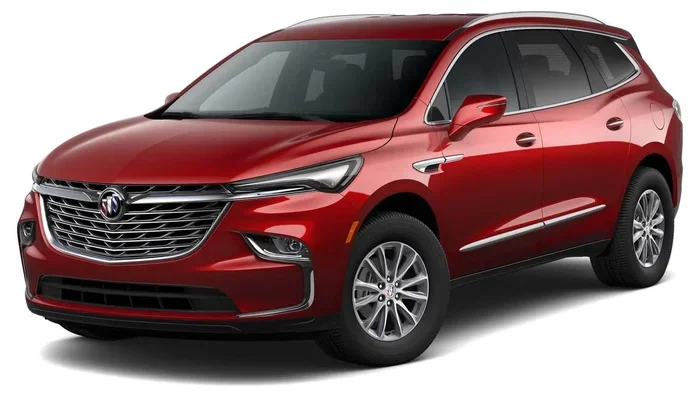
How Long Will a Buick Enclave Last and Stay Reliable
The Buick Enclave can last well over 200,000 miles with proper care. This full-size SUV is known for its strong V6 engine, solid build quality, and long-lasting durability. Regular maintenance, smart driving habits, and timely repairs play a huge role in extending the Buick Enclave lifespan. Owners who stay on top of service schedules often see their Enclave running strong past the 250,000-mile mark.
When you invest in a Buick Enclave, you want to know it will be there for the long haul. This full-size SUV has earned a loyal fan base thanks to its comfortable ride, spacious interior, and strong performance. But one question keeps coming up from buyers and current owners alike: how long will a Buick Enclave last?
The answer is more encouraging than you might think. With the right care and attention, a Buick Enclave can easily surpass 200,000 miles. Some owners have even pushed their Enclaves past the 250,000-mile mark without major issues. What makes the difference between an Enclave that fades at 100,000 miles and one that keeps going strong? It all comes down to maintenance, driving habits, and a bit of luck with early production quirks.
In this guide, we will walk through everything you need to know about the Buick Enclave lifespan. You will learn what factors affect durability, which model years are the most reliable, and the simple habits that keep your Enclave running like new for years to come. Whether you are buying used or planning to hold onto your current model, this article has the answers you are looking for.
Key Takeaways
- Long Lifespan: A well-maintained Buick Enclave can easily reach 200,000 to 250,000 miles or more.
- Strong Powertrain: The V6 engine and transmission are built to handle years of heavy use.
- Maintenance Is Key: Staying current on oil changes, fluid flushes, and inspections dramatically extends longevity.
- Common Issues Exist: Electrical gremlins, transmission lag, and coolant leaks are the most reported problems.
- Model Year Matters: Later generations (2018+) have fewer issues and better reliability ratings.
- Resale Value Holds: The Enclave retains value well due to its reputation for durability.
📑 Table of Contents
How Long Will a Buick Enclave Last?
The Buick Enclave longevity depends on several factors, but the general consensus among owners and mechanics is clear. Most Enclaves can last between 200,000 and 250,000 miles before major components start needing replacement. With exceptional care, some vehicles push well beyond that range.
To put that in perspective, the average driver covers about 13,000 to 15,000 miles per year. At that rate, a well-maintained Enclave can easily serve a family for 15 to 20 years. That is a serious return on investment for a vehicle that starts at around $45,000 to $55,000 new.
What the Numbers Say
Let us look at some real-world data. According to owner reports on major automotive sites, the average Buick Enclave owner experiences:
- 150,000 miles: Minor wear begins. Suspension components, brakes, and tires need attention.
- 200,000 miles: The engine and transmission are still strong with proper maintenance.
- 250,000+ miles: Some major repairs may be needed, but the core drivetrain often remains solid.
These numbers assume regular oil changes, timely fluid replacements, and prompt attention to warning signs. An Enclave that skips maintenance will fall short of these milestones.
What Affects the Buick Enclave Lifespan?
Not every Enclave will reach 250,000 miles. Several key factors determine how many miles your vehicle will clock before major systems begin to fail. Understanding these factors helps you take control of your vehicle’s future.
Driving Habits
How you drive matters more than you might think. Hard acceleration, abrupt braking, and towing beyond the vehicle’s capacity all add stress to the engine, transmission, and brakes. Gentle driving extends the life of every component.
Also, short trips around town can actually hurt your Enclave more than highway driving. The engine does not reach full operating temperature, which leads to moisture buildup and accelerated wear. If you mostly drive short distances, consider taking longer trips occasionally to let the engine fully warm up.
Maintenance Discipline
This is the single biggest factor. The Buick Enclave maintenance schedule is designed to keep every system running at peak performance. Skipping oil changes, ignoring transmission fluid flushes, or delaying brake inspections will shorten your vehicle’s life significantly.
Here is a quick look at the most critical maintenance items:
- Oil changes: Every 5,000 to 7,500 miles with conventional oil, or 7,500 to 10,000 miles with synthetic.
- Transmission fluid: Flush every 60,000 to 80,000 miles.
- Coolant: Replace every 30,000 to 60,000 miles depending on the type.
- Brake fluid: Flush every 20,000 to 30,000 miles.
- Timing belt: Inspect at 60,000 miles and replace as needed.
Environmental Factors
Where you live and drive plays a role too. Vehicles in cold climates deal with more engine stress during winter starts. Cars in hot, humid areas face accelerated rust and corrosion. Coastal drivers battle salt air that eats away at undercarriage components.
Stop-and-go traffic in large cities also takes a toll. The constant idling and low-speed driving creates more wear on the transmission and cooling system than steady highway cruising does.
Vehicle Weight and Load
The Buick Enclave is a heavy vehicle, often weighing close to 000 lbs heavy for a car category. All that weight puts extra strain on the suspension, brakes, and drivetrain. If you regularly haul heavy loads or tow a trailer, your Enclave will experience more wear than one used strictly for commuting.
Staying within the vehicle’s recommended towing and payload limits is essential. Overloading causes premature wear on brakes, suspension components, and the transmission. Always check your owner’s manual for the exact weight limits before loading up.
Common Buick Enclave Problems to Watch For
Every vehicle has its quirks, and the Enclave is no exception. Knowing what to watch for helps you catch small problems before they become expensive repairs. Early detection is the key to maximizing your Buick Enclave durability.
Transmission Hesitation
Some Enclave owners report a slight delay when shifting from park to drive. This is most common in earlier model years. The issue usually stems from worn transmission fluid or a failing solenoid. Changing the fluid on schedule often prevents this problem entirely.
If you notice a delay or harsh shifting, do not ignore it. Transmission problems only get worse with time. A simple fluid change costs a fraction of what a full transmission rebuild would run.
Coolant Leaks
Coolant leaks are one of the most commonly reported issues. The leak often comes from the water pump or radiator connections. Left unchecked, a coolant leak can lead to overheating and serious engine damage.
Check your coolant level monthly. If you notice a sweet smell under the hood or a puddle of green or orange fluid under your parked Enclave, get it inspected right away.
Electrical Gremlins
Modern vehicles are packed with electronics, and the Enclave is no different. Some owners report flickering lights, erratic gauge readings, or infotainment system glitches. These issues tend to appear as the vehicle ages past 100,000 miles.
Most electrical problems trace back to loose connections or failing sensors. A qualified mechanic can diagnose these issues quickly with the right scanning tools. Regular inspections of the wiring harness and connectors help prevent surprises.
Suspension Wear
The Enclave carries a lot of weight, and that takes a toll on the suspension over time. Worn shocks, struts, and control arm bushings are common at the 100,000-mile mark. Signs include a bouncy ride, pulling to one side, or unusual noises over bumps.
Replacing suspension components on schedule keeps the ride smooth and safe. Do not wait for a complete failure, as worn suspension affects handling and braking performance.
Maintenance Tips for Maximum Buick Enclave Longevity
Staying on top of maintenance is the best way to ensure your Enclave lasts as long as possible. These practical tips come from experienced owners and certified mechanics who know the vehicle inside and out.
Follow the Service Schedule
Your owner’s manual contains a detailed maintenance schedule. Follow it to the letter. Every service interval exists for a reason. Skipping a recommended service might save a few hundred dollars now, but it can cost thousands later.
Keep a log of every service visit. Document the date, mileage, and work performed. This record becomes invaluable when selling the vehicle or diagnosing future issues.
Use Quality Parts and Fluids
Not all fluids and parts are created equal. Use manufacturer-recommended oil, coolant, and transmission fluid. Cheap aftermarket parts may save money upfront but often wear out faster and cause additional problems.
When it comes to engine oil, synthetic blends or full synthetic oil offer the best protection for the Enclave’s V6 engine. The extra cost per change is worth the added engine protection and extended drain intervals.
Address Warning Signs Immediately
Your Enclave will tell you when something is wrong. Warning lights, unusual sounds, vibrations, or changes in performance are all signals to investigate. Ignoring these signs is the fastest way to turn a small repair into a major one.
Keep a basic toolkit in your trunk and learn to check your fluid levels weekly. A proactive approach saves money and keeps your vehicle safe on the road.
Protect the Exterior and Interior
Rust and corrosion eat away at a vehicle’s structural integrity. Wash your Enclave regularly, especially in winter when road salt is present. Apply a quality wax every few months to protect the paint.
Inside, use seat covers and floor mats to prevent wear. Clean spills promptly to avoid stains and odors. A well-maintained interior also signals to future buyers that the vehicle was cared for.
Buick Enclave Reliability by Model Year
Not all Enclave model years are created equal. Some generations came with known issues, while others addressed past problems and introduced improvements. Choosing the right model year can significantly impact your ownership experience.
First Generation (2008-2017)
The original Enclave set the standard for Buick’s modern SUV lineup. However, early models had some teething issues. Transmission hesitation, coolant leaks, and electrical problems were more common in the first few years of production.
If you are considering a first-generation Enclave, look for models with a complete maintenance history. Avoid vehicles with unresolved recalls or known issues. A well-cared-for 2008-2012 Enclave can still deliver reliable service for many more miles.
Second Generation (2018-Present)
The redesigned 2018 Enclave addressed many of the first generation’s weak points. The transmission became smoother, build quality improved, and electrical issues decreased significantly. This generation is widely considered the most reliable Enclave to date.
Owners of the 2018 and newer models report fewer problems overall. The updated powertrain and improved materials contribute to a longer expected lifespan. If longevity is your top priority, a second-generation Enclave is the safer bet.
Is a Used Buick Enclave Worth It?
Buying a used Enclave is one of the smartest moves for budget-conscious buyers. The vehicle holds its value well, and a three- to five-year-old model can offer years of reliable service at a significant discount from the original price.
When shopping for a used Enclave, always request a full vehicle history report. Look for signs of regular maintenance, collision-free history, and consistent ownership. A pre-purchase inspection by an independent mechanic is money well spent.
Keep in mind that some Enclave models may have been affected by recall campaigns. Check the NHTSA website for any open recalls on your target vehicle. Addressing recalls before purchase ensures you start your ownership on the right foot.
One thing to consider is the powertrain warranty. Many used Enclaves still carry partial powertrain coverage, which provides peace of mind against major engine or transmission failures. This coverage can save you thousands in unexpected repair costs.
Also, consider how the Enclave compares to similar vehicles in the used market. Models like the Chevrolet Traverse and GMC Acadia share many components with the Enclave. Parts availability and mechanic familiarity are advantages that work in the Enclave’s favor.
How to Maximize Your Buick Enclave’s Life
Beyond regular maintenance, a few extra habits can push your Enclave’s lifespan even further. These small changes add up to big benefits over the life of the vehicle.
First, warm up your vehicle gently in cold weather. Avoid revving the engine hard for the first few minutes after startup. Let the oil circulate and reach all components before demanding full performance.
Second, watch your fuel quality. Use top-tier gasoline whenever possible. Lower-quality fuel can leave deposits in the fuel system and engine over time, reducing efficiency and potentially causing long-term damage.
Third, pay attention to how your vehicle sounds and feels. You know your Enclave better than anyone. A new vibration, a subtle change in braking feel, or a slight hesitation when accelerating are all worth investigating. Trust your instincts and get a professional opinion when something feels off.
Finally, consider how at what point does a hybrid switch to gas technology might influence future vehicle choices. While the Enclave itself is not a hybrid, understanding the broader automotive landscape helps you make informed decisions about maintenance, fuel use, and long-term ownership costs.
And remember, the sheer weight of a vehicle like the Enclave means components wear faster than in lighter cars. Staying ahead of that wear through consistent care is what separates an Enclave that lasts 150,000 miles from one that goes 250,000.
Conclusion
The Buick Enclave is a vehicle built to last. With a potential lifespan of 200,000 to 250,000 miles or more, it offers excellent value for families who want a reliable, spacious SUV. The key to unlocking that longevity lies in consistent maintenance, smart driving habits, and prompt attention to any issues that arise.
Whether you are buying a new Enclave or considering a used one, you now have the knowledge to make the best decision for your situation. Follow the maintenance schedule, use quality parts, and treat your vehicle with care. Your Enclave will reward you with years of dependable service.
How long will a Buick Enclave last? The answer is in your hands. With the right approach, your Enclave can easily become a long-term companion that carries your family safely for decades of driving.
Frequently Asked Questions
What is the average lifespan of a Buick Enclave?
Most Buick Enclaves last between 200,000 and 250,000 miles with proper maintenance. Some well-cared-for models exceed 250,000 miles. Regular oil changes, fluid flushes, and timely repairs are the biggest factors that determine how many miles your Enclave will reach.
Are Buick Enclaves reliable for long-term ownership?
Yes, the Enclave is generally considered a reliable long-term vehicle. The V6 engine and transmission are robust and designed for extended use. Later model years (2018 and newer) show improved reliability and fewer reported issues compared to earlier generations.
What is the most common problem with the Buick Enclave?
Coolant leaks and transmission hesitation are the most commonly reported problems. Electrical gremlins and suspension wear also appear as the vehicle ages. Most of these issues can be prevented or minimized with regular maintenance and prompt attention to warning signs.
How often should I maintain my Buick Enclave?
Follow the maintenance schedule in your owner’s manual. Oil changes every 5,000 to 7,500 miles, transmission fluid flushes every 60,000 to 80,000 miles, and coolant replacement every 30,000 to 60,000 miles are the key intervals. Staying current on all services is the best way to maximize your Enclave’s lifespan.
Is it worth buying a used Buick Enclave?
Absolutely. Used Enclaves offer excellent value because they hold their value well and have a proven track record for durability. Always get a vehicle history report and a pre-purchase inspection before buying. Look for models with documented maintenance records for the best long-term investment.
Can a Buick Enclave last 300,000 miles?
While 300,000 miles is rare, it is not impossible. A small number of dedicated owners have achieved this milestone with their Enclaves. It requires meticulous maintenance, gentle driving habits, and addressing every issue promptly. Most Enclaves will need significant repairs around the 250,000-mile mark, but the core drivetrain can continue functioning beyond that point.