Does Ford Own Maserati Here Is Everything You Should Know
No, Ford does not own Maserati today. Ford briefly owned the luxury Italian automaker from 1993 to 2005 before selling it to the Fiat Group. Today, Maserati operates under Stellantis, and its future is shifting toward electric and hybrid vehicles.
This is a comprehensive guide about Does Ford Own Maserati?.
Key Takeaways
- Ford owned Maserati for 12 years: From 1993 to 2005, Ford Motor Company controlled the luxury brand before selling it off.
- Fiat Group took over in 2005: After Ford, Maserati became part of Fiat Auto, which later merged into Fiat Chrysler Automobiles (FCA).
- Maserati now belongs to Stellantis: The merger of FCA and PSA Group in 2021 created Stellantis, the current parent company.
- Ford and Maserati share no current ties: There is no business relationship between the two brands today.
- Maserati is going electric: The brand is launching hybrid and fully electric models like the Grecale Folgore and GranCabrio Folgore.
- Understanding ownership history matters: It helps buyers make informed decisions about reliability, parts availability, and brand direction.
[FEATURED_IMAGE_PLACEHOLDER]
So, Does Ford Own Maserati?
The short answer is no. Ford does not own Maserati. But the full story is much more interesting than a simple yes or no. Many car enthusiasts still wonder about this because of a period when Ford controlled the brand for over a decade. Understanding this history gives you a clearer picture of where Maserati stands today and where it is headed.
Maserati is a famous Italian luxury automaker known for its sleek sports cars and premium sedans. The brand has a rich racing heritage and a reputation for style and performance. Over the years, ownership changes have shaped its identity. Let us walk through the complete timeline of who owned Maserati and how those decisions affected the brand you see today.
Whether you are considering buying a Maserati or just curious about luxury car history, this guide covers everything. We will look at the Ford era, the transition to Fiat, and the brand’s current position under Stellantis. By the end, you will have a complete understanding of the ownership chain and what it means for the future of Maserati.
The Full History of Maserati Ownership
Maserati has changed hands several times since its founding in 1914. Each owner brought something different to the table. Let us break down the major chapters in the brand’s ownership story.
The Early Years: The Maserati Family
The Maserati brothers founded the company in Bologna, Italy, in 1914. They built race cars and luxury vehicles that earned worldwide respect. The brand became synonymous with Italian craftsmanship and high-performance engineering. For decades, the Maserati family ran the company with passion and pride.
However, financial challenges began to mount in the mid-20th century. Racing was expensive, and the luxury car market was competitive. The family struggled to keep up with the costs of innovation and production. This set the stage for outside investors and eventual corporate ownership.
The De Tomaso Era
In 1975, Argentine businessman Alejandro de Tomaso purchased Maserati. De Tomaso was already involved in the automotive world through his own car brand, De Tomaso Automobili. He brought new investment and management to the company.
Under de Tomaso, Maserati continued producing luxury cars and grand tourers. Models like the Biturbo and the Quattroporte kept the brand relevant in the 1980s. However, quality issues and financial instability lingered. De Tomaso ran the company for nearly two decades before selling it to a major American automaker.
The Ford Ownership Period
Ford Motor Company acquired Maserati in 1993. This was a significant moment for the brand. Ford saw potential in the Maserati name and wanted to expand its luxury portfolio. The American giant invested heavily in modernizing the brand and improving product quality.
During the Ford era, Maserati launched several important models. The Maserati 3200 GT became a flagship coupe. The Quattroporte received a major redesign that brought modern technology and comfort. Ford also helped Maserati strengthen its racing efforts and global marketing.
However, the partnership was not without challenges. Ford and Maserati had different corporate cultures. Ford focused on mass-market reliability, while Maserati emphasized luxury and performance. These differences sometimes led to tension. By the early 2000s, Ford decided to move on from the brand.
In 2005, Ford sold Maserati to the Fiat Group. This marked the end of the American chapter in Maserati’s history. The transition was smooth, and Fiat had big plans for the luxury brand.
What Happened After Ford Sold Maserati
After Ford handed Maserati over to Fiat, the brand entered a new era. Fiat Auto, later known as Fiat Group, took full control of Maserati in 2005. This change brought fresh investment and a clear strategic direction.
Fiat invested heavily in new models and factory upgrades. The Maserati GranTurismo launched in 2007 and became an instant hit. It combined Italian style with powerful V8 engines and luxurious interiors. The Quattroporte received another redesign, this time with a sleeker, more modern look.
Fiat also introduced the Ghibli sedan in 2013. This model aimed to attract younger buyers and expand Maserati’s reach beyond traditional luxury customers. The Ghibli was a success and helped boost sales significantly.
In 2014, Fiat merged with Chrysler to form Fiat Chrysler Automobiles (FCA). Maserati became part of this larger group alongside brands like Alfa Romeo and Ferrari. This structure allowed Maserati to share technology and platforms with other FCA brands while maintaining its unique identity.
Maserati Today: Under Stellantis
The biggest change came in 2021. Fiat Chrysler Automobiles merged with the French PSA Group to form Stellantis. This massive merger created one of the largest automotive groups in the world. Maserati is now a brand under the Stellantis umbrella.
Stellantis owns many well-known brands. These include Chrysler, Dodge, Jeep, Ram, Peugeot, Citroën, and Opel. Each brand operates independently within the group. Maserati maintains its Italian heritage and luxury positioning while benefiting from shared resources and technology.
Today, Maserati is focused on a clear mission: electrification. The brand is transitioning away from traditional combustion engines toward hybrid and fully electric powertrains. This shift aligns with global trends and stricter emissions regulations.
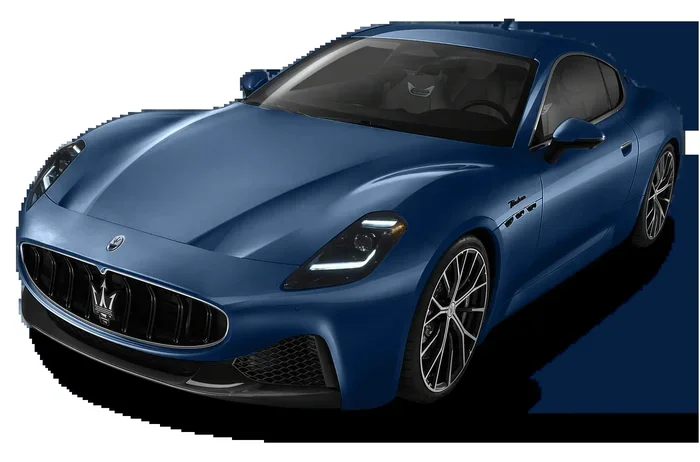
The Maserati Grecale, launched in 2022, is now available as a plug-in hybrid. The brand’s first fully electric SUV, the Grecale Folgore, is also in the lineup. The GranCabrio Folgore represents Maserati’s commitment to electric luxury convertibles. These models signal a bold new direction for the brand.
Interestingly, if you are curious about how other luxury brands handle the switch from traditional engines to electrification, it is worth exploring how different automakers manage this transition. For instance, understanding at what point a hybrid switches to gas can give you valuable insight into how modern luxury vehicles balance performance and efficiency.
Key Maserati Models Through the Years
Maserati has produced some iconic vehicles over the decades. Each model tells a story about the brand’s evolution and the era it was created in.
Classic Models
- Maserati A6: A beautiful sports car from the 1940s that established Maserati’s racing pedigree.
- Maserati 250F: A legendary Formula 1 car that dominated the 1950s racing scene.
- Maserati Bora: A mid-engine supercar from the 1970s that became an icon of Italian design.
Modern Models
- Maserati Quattroporte: The flagship sedan that has been reimagined multiple times across ownership changes.
- Maserati GranTurismo: A grand tourer that blends comfort, style, and performance perfectly.
- Maserati Ghibli: A more accessible sedan that brought new buyers into the Maserati family.
- Maserati MC20: A modern supercar that showcases the brand’s engineering prowess and design philosophy.
Each of these models reflects the priorities of its era. The classic models emphasize racing heritage and raw performance. The modern models focus on luxury technology, comfort, and now, electrification.
Ford vs. Maserati: What Is the Connection Today?
Today, there is no direct connection between Ford and Maserati. Ford is an independent American automaker focused on trucks, SUVs, and electric vehicles like the Mustang Mach-E and F-150 Lightning. Maserati operates under Stellantis with a completely different strategy and target audience.
Some people confuse the two brands because of the shared history. Ford did own Maserati for a significant period, and that era left a lasting impact. The quality improvements and modernizations that happened under Ford’s watch still benefit the brand today.
However, it is important to understand that Ford’s ownership was a chapter, not the whole story. Maserati has evolved significantly since leaving Ford’s umbrella. The brand now has its own identity, its own design language, and its own technological roadmap.
When shopping for a luxury vehicle, it helps to understand where a brand stands today rather than relying on historical ownership. Current product quality, dealer network, and after-sales support matter more for most buyers than who owned the company decades ago.
Should You Buy a Maserati Today?
If you are considering a Maserati purchase, there are several factors to keep in mind. The brand offers a unique blend of Italian style, performance, and luxury that few competitors can match. However, there are also practical considerations.
Pros of Owning a Maserati
- Stunning design: Maserati interiors and exteriors are among the most beautiful in the luxury segment.
- Strong performance: The brand offers powerful engines and engaging driving dynamics.
- Exclusive feel: You will see far fewer Maseratis on the road than BMWs or Mercedes-Benzes.
- Rich heritage: Owning a Maserati connects you to over a century of racing and luxury car history.
Cons of Owning a Maserati
- Higher maintenance costs: Luxury parts and specialized service can be expensive.
- Lower resale value: Maseratis typically depreciate faster than some German competitors.
- Limited dealer network: There are fewer Maserati dealerships compared to mainstream luxury brands.
- Reliability concerns: Some models have had mixed reliability ratings over the years.
Weighing these factors depends on your priorities. If style, exclusivity, and driving pleasure matter most, a Maserati could be a rewarding choice. If reliability and long-term ownership costs are your top concerns, you may want to explore other options.
Common Mistakes People Make When Researching Luxury Car Ownership
Many buyers make avoidable mistakes when researching luxury car brands. Here are a few to watch out for.
- Assuming old ownership means current ties: Just because Ford once owned Maserati does not mean any connection exists today. Always check the current parent company.
- Ignoring the electrification shift: Luxury brands are changing fast. Maserati is going electric, and this affects everything from driving experience to running costs.
- Overlooking total cost of ownership: Purchase price is only part of the equation. Insurance, maintenance, and depreciation all add up.
- Comparing only to German brands: Maserati competes in a unique space. It offers something different from BMW, Mercedes, and Audi.
The Future of Maserati
Maserati has an ambitious plan for the future. The brand aims to go fully electric by 2030. This goal aligns with Stellantis’s broader strategy of electrifying its portfolio.
The upcoming models will feature advanced battery technology, fast charging capabilities, and cutting-edge driver assistance systems. Maserati is also investing in new design language that blends Italian elegance with futuristic elements.
The brand’s racing heritage will likely continue through motorsport programs and special edition models. Maserati has a long history in Formula 1 and endurance racing, and that spirit will carry forward into the electric era.
While Ford is no longer part of the story, the lessons from that era remain relevant. The focus on quality improvement, modern design, and global marketing that Ford brought to Maserati set the stage for the brand’s current success.
Final Thoughts
So, does Ford own Maserati? The answer is clearly no, not anymore. Ford owned Maserati from 1993 to 2005, and that period brought meaningful changes to the brand. But today, Maserati belongs to Stellantis and is charting its own course toward an electric future.
Understanding the ownership history of luxury brands helps you make smarter buying decisions. It gives you context for the cars you are considering and insight into where the brand is headed. Maserati remains a compelling choice for those who value Italian style, performance, and exclusivity.
Whether you are a longtime Maserati fan or just starting to explore luxury cars, the brand has something exciting to offer. The shift to electric vehicles opens up new possibilities and ensures that Maserati will remain relevant for decades to come. Keep an eye on this space, because the next chapter in Maserati’s story is only just beginning.
FAQs
Did Ford ever own Maserati?
Yes, Ford Motor Company owned Maserati from 1993 to 2005. During that time, Ford invested in modernizing the brand and improving product quality. However, Ford sold Maserati to the Fiat Group in 2005.
Who owns Maserati now?
Maserati is currently owned by Stellantis, the global automotive group formed by the merger of Fiat Chrysler Automobiles and PSA Group in 2021. Stellantis also owns brands like Chrysler, Dodge, Jeep, Ram, Peugeot, and Citroën.
How long did Ford own Maserati?
Ford owned Maserati for approximately 12 years, from 1993 to 2005. This period saw significant investment in new models, factory upgrades, and global marketing efforts.
Are there any Ford and Maserati collaborations today?
No, there are no current collaborations between Ford and Maserati. The two brands operate independently under different parent companies with different strategies and target markets.
Is Maserati going electric?
Yes, Maserati has announced plans to go fully electric by 2030. The brand is already launching hybrid and electric models, including the Grecale Folgore and GranCabrio Folgore.
What was the last Maserati model Ford was involved with?
The Maserati 3200 GT was one of the key models launched during Ford’s ownership period. It debuted in 1998 and served as a flagship coupe until production ended in 2002.
Frequently Asked Questions
What is Does Ford Own Maserati??
Does Ford Own Maserati? is an important topic with many practical applications.