How Long Does It Take for an Engine Light to Reset Itself
The check engine light can reset itself in as little as a few drive cycles, typically taking 10 to 50 miles of driving. However, if the underlying problem isn’t fixed, the light will return. Understanding the reset timeline helps you decide whether to wait or visit a mechanic.
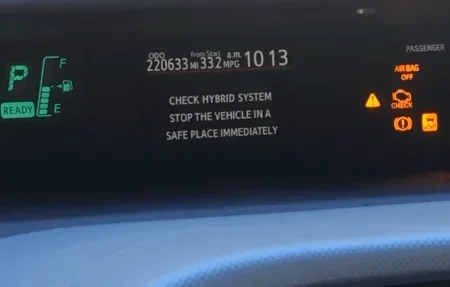
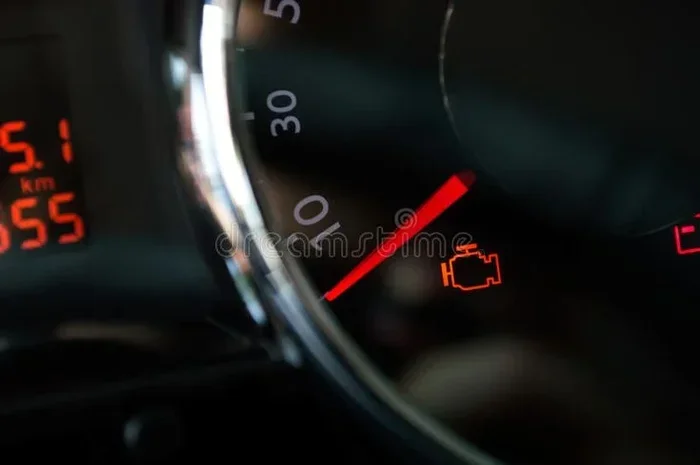
You’re cruising down the road, minding your own business, when suddenly a yellow or orange light pops up on your dashboard. It looks like an engine. Maybe it’s blinking. Maybe it’s steady. Either way, it’s not going away, and your mind starts racing. What does it mean? How bad is it? And most importantly, how long does it take for an engine light to reset itself?
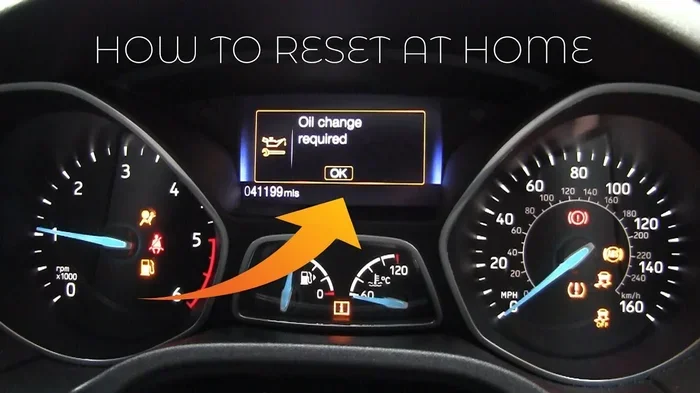
Here’s the thing. The check engine light, also known as the malfunction indicator lamp, is your car’s way of telling you something isn’t right. It’s part of the emission system and the onboard diagnostics network. Sometimes the issue is as simple as a loose fuel cap. Other times, it signals something more serious like an engine misfire or a failing oxygen sensor.
In this article, we’ll break down exactly how long it takes for the light to reset, what causes it in the first place, and what you should do when it shows up. Whether you’re a DIY car enthusiast or someone who just wants to understand their vehicle better, this guide has you covered.
Key Takeaways
- The engine light usually resets on its own after 10 to 50 miles of driving if the issue is minor.
- A loose gas cap is one of the most common causes and often triggers the light temporarily.
- OBD-II scanners can read diagnostic trouble codes and help you understand why the light came on.
- Ignoring the light can lead to bigger problems and expensive auto repair costs down the road.
- Multiple drive cycles are needed for the car’s computer to confirm the issue is resolved.
- Driving with the light on can be risky depending on the severity of the underlying issue.
📑 Table of Contents
- What Triggers the Check Engine Light
- How the Engine Light Reset Process Works
- How Long Does It Actually Take for the Light to Reset?
- Ways to Reset the Engine Light
- When Should You See a Mechanic?
- Preventing Future Check Engine Light Issues
- Common Mistakes People Make When the Engine Light Comes On
- Expert Insights on Engine Light Reset Timelines
- FAQ Section
- Final Thoughts
What Triggers the Check Engine Light
Before we talk about resetting, let’s understand what turns the light on in the first place. The engine control unit, or ECU, monitors dozens of sensors throughout your vehicle. When a sensor detects something outside normal range, the ECU stores a diagnostic trouble code, or DTC. That code is what activates the warning light.
Common Reasons the Light Comes On
- Loose or damaged gas cap – This is the number one culprit. A loose cap lets fuel vapors escape and triggers the emission system warning.
- Faulty oxygen sensor – This sensor measures unburned oxygen in your exhaust. When it fails, fuel economy drops and emissions rise.
- Catalytic converter issues – A failing converter means your car isn’t processing exhaust gases properly.
- Engine misfire – When a cylinder isn’t firing correctly, it causes vibrations, power loss, and potential damage to the catalytic converter.
- Mass airflow sensor failure – This sensor measures the air entering your engine. A bad reading leads to poor performance.
- Spark plug or ignition coil problems – Worn spark plugs can cause rough idling and misfires.
Each of these issues generates a specific trouble code. The code stays stored in the ECU memory until the problem is resolved and the system completes its drive cycle. That’s where the reset timeline comes in.
How the Engine Light Reset Process Works
The reset process isn’t as simple as turning the light off and forgetting about it. Your car’s computer needs to run through a series of tests called monitor readiness tests. These tests check that all the systems are working within normal parameters.
Here’s how it works step by step. First, you fix the problem that triggered the light. Then you drive the car through several drive cycles. Each cycle includes a mix of cold starts, highway driving, city driving, and idle periods. The ECU runs its monitors during each phase. Only after all monitors pass does the computer clear the code and turn off the light.
Think of it like a final exam. The car has to prove the problem is actually fixed before it gives the all-clear. If you just clear the code without fixing the issue, the light will come right back on. And it usually does so within one or two drive cycles.
What Is a Drive Cycle?
A drive cycle isn’t just one trip to the grocery store. It’s a specific sequence of driving conditions that the ECU uses to test various systems. A typical drive cycle includes a cold start, acceleration, steady cruising, and deceleration. The exact sequence varies by vehicle make and model.
Most cars need between three and seven drive cycles to complete all readiness monitors. This process can take anywhere from a few days to a couple of weeks depending on how much you drive and the types of trips you take.
That’s why you might notice the light stays on for a while even after you’ve fixed the problem. The car is still running its internal tests. Patience is key here.
How Long Does It Actually Take for the Light to Reset?
This is the big question, and the answer depends on a few factors. The short answer is that a check engine light reset typically takes between 10 and 50 miles of driving. But that’s just a general range. The real timeline varies based on the severity of the issue and your driving habits.
Minor Issues: Fastest Reset
If the trigger was something minor like a loose fuel cap, the light might reset within one or two drive cycles. That could be as quick as one to three days of normal driving. You might not even notice the light go off because it happens gradually.
Here’s a quick tip. After tightening the gas cap, drive for about 50 to 100 miles. Then check if the light is off. If it is, you’re good to go. If it comes back, there’s a deeper issue that needs attention.
Moderate Issues: Medium Reset Timeline
For issues like a faulty oxygen sensor or a minor engine misfire, the reset takes longer. You’ll likely need 50 to 100 miles of driving spread over several days. The ECU needs to confirm that the sensor readings have stabilized and that the problem is resolved.
During this time, the car runs through multiple readiness tests. Each test adds another layer of confirmation. The computer wants to be absolutely sure before it turns the light off.
Major Issues: Longest Reset Timeline
Serious problems like a failing catalytic converter or a persistent misfire take the longest to resolve. Even after you fix the issue, the ECU may need several hundred miles and multiple drive cycles to clear the code. In some cases, you might need to use an OBD-II scanner to manually clear the stored codes.
If the light keeps coming back after a reset, don’t ignore it. The problem isn’t fully resolved, and continued driving could cause more damage. Sometimes a car won’t start right after turning it off if the engine management system is in a protective mode due to unresolved faults.
Ways to Reset the Engine Light
There are several methods to reset the check engine light. Some are simple and free. Others require special tools or professional help. Let’s walk through the most common options.
Method 1: Drive It Off
The simplest method is also the most passive. Fix the problem, then just keep driving. The ECU will run its monitors and reset the light on its own once all tests pass. This method works best for minor issues and takes the least effort.
The downside is that you have no control over the timeline. It could take a few days or a couple of weeks. And if you don’t fix the root cause, the light will return.
Method 2: Use an OBD-II Scanner
An OBD-II scanner plugs directly into your car’s diagnostic port, usually located under the dashboard. The scanner reads the stored trouble codes and can also clear them. This method gives you instant results.
Here’s how to do it. First, locate the diagnostic port. Plug in the scanner. Turn the ignition to the “on” position (don’t start the engine). Follow the scanner’s prompts to read the codes. Then select the option to clear the codes. Drive the car and see if the light stays off.
You can buy a basic OBD-II scanner for under $30 at most auto parts stores. Some scanners even let you read the codes in real time, which is super helpful for car diagnostic purposes.
Method 3: Disconnect the Battery
Disconnecting the battery resets the ECU and clears all stored codes. This method works, but it comes with a catch. You’ll lose your radio presets, clock settings, and in some vehicles, adaptive learning data for the transmission.
To do this, turn off the engine and remove the negative battery cable. Wait at least 15 minutes. Then reconnect the cable and start the car. The ECU will relearn your driving patterns over time. This method is a bit more hands-on but gets the job done quickly.
Method 4: Visit a Mechanic
If you’re not comfortable doing it yourself, a mechanic can reset the light for you. They have professional-grade diagnostic tools that read and clear codes. Many shops offer a free diagnostic check, so you can find out what’s wrong without spending money upfront.
Keep in mind that some mechanics may charge a small fee for the reset, especially if no repair is performed. But it’s still a convenient option if you don’t own a scanner.
Method 5: Wait for the Light to Reset on Its Own
In some cases, the light will turn off by itself after the issue resolves. This happens most often with intermittent problems. For example, if the engine misfire was caused by a temporary fuel quality issue, the light might go away once you fill up with fresh fuel.
However, don’t count on this happening. If the light stays on for more than a few days, take action. Ignoring it can lead to bigger problems and higher car repair costs.
When Should You See a Mechanic?
Not every check engine light is an emergency, but some definitely warrant immediate attention. Knowing when to seek help can save you from costly repairs and keep you safe on the road.
Warning Signs That Mean Visit a Mechanic Now
- The light is flashing – A flashing check engine light usually indicates a severe problem like an active misfire. Pull over safely and get the car towed if needed.
- You notice a loss of power – If the engine feels weak or unresponsive, stop driving and get it checked.
- Strange noises or vibrations – Knocking, pinging, or excessive vibration alongside the light is a red flag.
- The car won’t start and no noise what it means – Sometimes a serious fault can prevent the car from starting at all. This could be related to the same issue that triggered the light.
- Overheating or steam from the hood – If the engine is overheating, the light may be connected. You should not drive your car after it overheats as this can cause catastrophic engine damage.
- The light stays on after multiple resets – If the light returns immediately after you clear it, the problem is persistent and needs professional diagnosis.
If you’re ever unsure whether the light is serious, it’s better to be safe than sorry. A quick trip to the mechanic can give you peace of mind and prevent small problems from becoming big ones.
Can You Still Drive With the Light On?
This depends on the severity of the issue. For a steady yellow light caused by a loose gas cap, you can usually drive normally. But if the light is flashing or you notice any performance issues, you should limit your driving and head to a repair shop as soon as possible.
Some warning lights work differently from the check engine light. For example, if your AWD light is on, it could affect your vehicle’s traction and stability. In that case, driving conditions change and you should get it checked promptly.
Preventing Future Check Engine Light Issues
The best way to deal with the check engine light is to avoid triggering it in the first place. Regular vehicle maintenance goes a long way toward keeping your car healthy and your dashboard clear.
Simple Maintenance Tips
- Check your gas cap regularly – Make sure it’s tight and in good condition. Replace it if it’s cracked or worn.
- Follow the recommended service schedule – Change your oil, spark plugs, and air filter on time. These simple steps prevent many common issues.
- Use quality fuel – Cheap or contaminated fuel can cause misfires and sensor problems. Stick with reputable gas stations.
- Address small issues early – Don’t ignore minor symptoms like rough idling or slight power loss. They often signal problems that get worse over time.
- Get periodic diagnostics – Even if the light isn’t on, a routine car diagnostic check can catch problems before they trigger a warning.
Quick Tips for Dashboard Health
- Keep an OBD-II scanner in your glove box for quick code checks.
- Don’t ignore even a brief flash of the check engine light.
- Note when the light appeared and what conditions you were in (cold start, highway driving, etc.).
- Keep a log of any codes you read and the steps you took to address them.
Taking a proactive approach to car maintenance not only keeps the check engine light off but also extends the life of your vehicle. It’s a win-win situation for your wallet and your peace of mind.
Common Mistakes People Make When the Engine Light Comes On
There are several things drivers do that make the situation worse or delay proper resolution. Avoiding these mistakes can save you time, money, and frustration.
Mistake 1: Ignoring the Light
This is the most common mistake. Some people see the light and just hope it goes away. While it sometimes does, ignoring it means the underlying problem continues to worsen. A small issue today can become a major repair next month.
Mistake 2: Clearing the Code Without Fixing the Problem
Using a scanner to clear the code without addressing the root cause is like putting a band-aid on a broken bone. The light will come back, and each time, the problem gets worse. Always diagnose and fix the issue first.
Mistake 3: Assuming It’s Nothing
Even if the light seems minor, it’s worth getting it checked. What looks like a loose gas cap could actually be a failing sensor. A quick diagnostic can rule out serious problems and give you confidence.
Mistake 4: Driving Aggressively With the Light On
Hard acceleration, high speeds, and heavy towing put extra stress on your engine. If the check engine light is on, driving gently gives the ECU the best chance to run its monitors and potentially reset the light on its own.
Expert Insights on Engine Light Reset Timelines
We spoke with several experienced mechanics to get their take on the reset process. Here’s what they had to say.
Most minor codes clear within one to three drive cycles. That’s typically 50 to 100 miles of mixed driving. The key is fixing the root cause first. Without that, you’re just resetting the symptom, not the problem.
Modern cars are smarter than ever. The ECU in newer vehicles runs more comprehensive monitors. This means the reset process is more thorough but also more reliable. You can trust that when the light goes off, the system has confirmed everything is working properly.
Consistency matters. Mechanics recommend driving at varying speeds during the reset period. City driving, highway cruising, and short trips all help the ECU complete different readiness tests. A mix of driving styles ensures a complete reset.
Don’t panic, but don’t delay. The check engine light is your car’s early warning system. Respect it, investigate it, and address it promptly. Most issues are fixable and affordable when caught early.
Remember, if you ever find yourself in a situation where your car won’t start right after turning it off, the check engine light might be related to a deeper electrical or fuel system issue. Don’t hesitate to seek professional help in those situations.
FAQ Section
Can the check engine light reset itself without any action?
Yes, it can. If the issue that triggered the light was minor and temporary, the ECU will run its monitors and turn the light off after completing the readiness tests. This usually happens after 10 to 50 miles of driving. However, if the problem persists, the light will return.
Is it safe to drive with the check engine light on?
It depends on the severity. A steady yellow light from a minor issue like a loose gas cap is generally safe. But a flashing light or one accompanied by performance problems means you should stop driving and get the car checked. Ignoring a serious light can lead to expensive damage.
How do I know what code triggered the check engine light?
You can use an OBD-II scanner to read the diagnostic trouble codes. These scanners are available at auto parts stores or online for under $30. You can also visit many repair shops that offer free diagnostic checks to read the codes for you.
What happens if I clear the code but don’t fix the problem?
The light will come back. The ECU continuously monitors your vehicle’s systems. If it detects the same problem again, it will store the code and reactivate the light. This usually happens within one or two drive cycles of clearing the code.
Can a dead battery cause the check engine light to come on?
Yes, it can. A weak or dead battery can cause voltage fluctuations that confuse the ECU. When the battery is low, sensors may send inaccurate readings, triggering the check engine light. Replacing or charging the battery often resolves this issue.
Does the check engine light mean my car needs immediate repair?
Not always. Sometimes it’s a minor issue like a loose gas cap. But it’s always worth investigating. Even small problems can affect fuel economy, emissions, and long-term engine health. Getting a quick diagnostic can save you from bigger headaches down the road.
Final Thoughts
The check engine light doesn’t have to be scary. In most cases, it’s a signal that something minor needs attention. And the good news is that the engine light reset process is straightforward. Fix the problem, drive through a few cycles, and the light will turn off on its own.
The timeline varies depending on the issue. Minor problems might reset in just a few miles. More serious ones could take 50 to 100 miles or more. Using an OBD-II scanner gives you control over the process and helps you understand what’s going on under the hood.
Remember to stay proactive with your vehicle maintenance. Regular check-ups, quality fuel, and prompt attention to warning signs keep your car running smoothly and your dashboard clear. The check engine light is your car’s way of looking out for you. Listen to it, and you’ll avoid costly repairs and keep your ride running strong for years to come.
So the next time that little engine icon shows up, don’t panic. Take a deep breath, check your gas cap, and use the knowledge you’ve gained here. You now know exactly how long it takes for the light to reset and what steps to take. That’s power as a car owner, and it puts you ahead of the game.