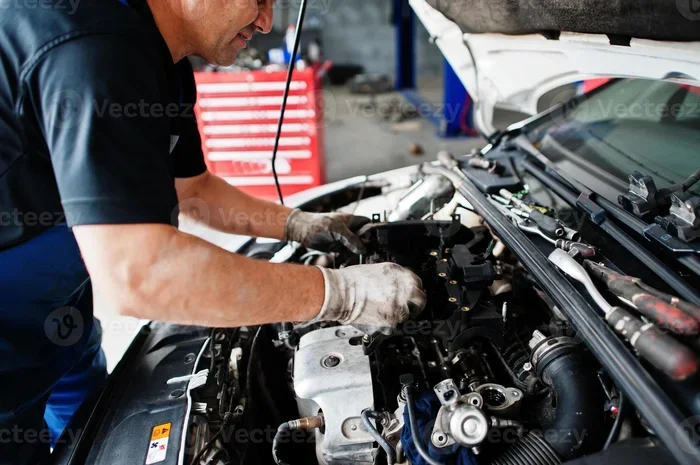
How Long Does It Take For A Car To Go Through Service
Most standard car services take between 30 minutes and 2 hours, but a full service can extend to 3-5 hours depending on the work needed. The time varies based on service type, dealership vs. independent shop, and your vehicle’s condition. Understanding these factors helps you plan your day and avoid unnecessary waits.
Key Takeaways
- Quick services like oil changes: Typically take 30 to 45 minutes at most shops.
- Full car services: Can take 3 to 5 hours, especially if multiple issues are found.
- Dealership vs. independent shop: Dealerships often take longer due to higher demand and paperwork.
- Vehicle condition matters: Older or problem-prone cars may need extra inspection time.
- Booking ahead: Scheduling appointments reduces wait times significantly.
- Preventive maintenance: Regular services keep your car healthy and shorten future visit times.
📑 Table of Contents
- How Long Does It Take For A Car To Go Through Service?
- What Affects How Long a Car Service Takes?
- Typical Timelines for Common Car Services
- Dealership Service vs. Independent Shop: Time Differences
- How to Speed Up Your Car Service
- What Happens During a Standard Car Service?
- When Should You Be Concerned About Service Time?
- How Often Should You Service Your Car?
- Quick Tips for a Smooth Service Experience
- Common Mistakes That Lead to Longer Service Times
- Final Thoughts on Car Service Duration
How Long Does It Take For A Car To Go Through Service?
Whether you are dropping your car off for a simple oil change or a full inspection, one question always comes up: how long does it take for a car to go through service? The answer is not as straightforward as you might think. Several factors play a role, from the type of service to the shop you choose.
Most drivers want to know this because they need to plan their day. Nobody wants to be stranded without a car longer than necessary. In this guide, we break down the timelines for every type of car service. You will learn what to expect, how to speed things up, and when to worry about delays.
The average car service time ranges from 30 minutes for a basic oil change to several hours for a full inspection. Understanding these windows helps you set realistic expectations. It also helps you choose the right shop for your needs. Let us dive into the details.
What Affects How Long a Car Service Takes?
Before we look at specific timelines, it helps to understand what factors influence service duration. Not every car service takes the same amount of time. Here are the main variables that come into play.
Type of Service
The kind of service you book is the biggest factor. A quick lube service is much faster than a full bumper-to-bumper inspection. Basic services focus on fluids and filters. Full services check everything from brakes to belts.
Shop Type and Workload
Your choice of shop matters a lot. dealership service centers often have longer wait times. They handle more paperwork and follow manufacturer-specific procedures. Independent shops usually work faster because they focus purely on repairs and maintenance.
Vehicle Age and Condition
Older cars sometimes need extra attention. Worn parts take longer to inspect and replace. If your car won’t start and no noise what it means is a mystery, the diagnostic phase alone can add significant time to your visit.
Parts Availability
Sometimes the delay is not labor but parts. If a shop needs to order a specific component, your service gets pushed back. This is common with newer or rare vehicle models.
Appointment vs. Walk-In
Walking in without an appointment almost always means a longer wait. Shops with scheduled appointments can allocate dedicated time slots. They prepare in advance, which keeps things moving smoothly.
Typical Timelines for Common Car Services
Now let us get specific. Here is a breakdown of how long common services typically take. These estimates are based on average conditions at most reputable shops.
Oil Change
An oil change is the fastest and most common service. It usually takes about 30 to 45 minutes. This includes draining the old oil, replacing the filter, and refilling with fresh oil. Some quick-lube shops can do it in as little as 20 minutes.
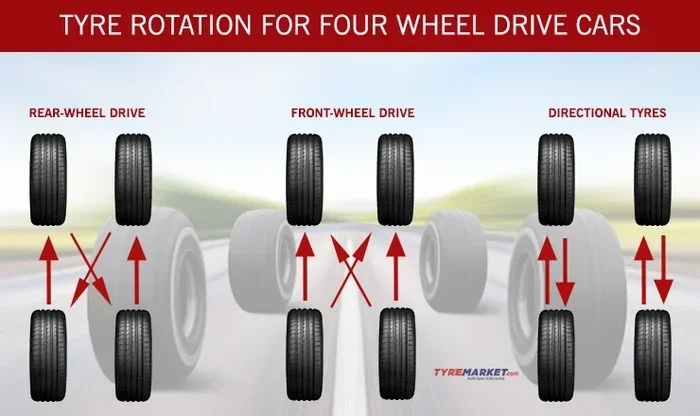
Tire Rotation and Alignment
A tire rotation takes around 30 to 45 minutes. Adding a wheel alignment brings the total to about 1 to 1.5 hours. These services are often bundled together for convenience.
Brake Inspection and Repair
A brake inspection alone takes about 30 minutes. If pads or rotors need replacing, expect 1 to 2 hours. The exact time depends on the severity of wear and the type of brake system your car uses.
Full Car Inspection
A comprehensive inspection can take 2 to 3 hours. The mechanic checks the engine, transmission, brakes, suspension, and electrical systems. If the shop also performs a free diagnostic for your car, this adds another 30 to 60 minutes to the process.
Major Service (Full Service)
A full service, sometimes called a major service, involves everything in a basic service plus deeper checks. This includes spark plug replacement, coolant flush, and transmission fluid change. A full service typically takes 3 to 5 hours.
| Service Type | Average Time | Complexity Level |
|---|---|---|
| Oil Change | 30 to 45 minutes | Low |
| Tire Rotation | 30 to 45 minutes | Low |
| Brake Inspection | 30 minutes | Low |
| Brake Repair | 1 to 2 hours | Medium |
| Full Inspection | 2 to 3 hours | Medium |
| Full/Major Service | 3 to 5 hours | High |
| Diagnostic Check | 30 to 60 minutes | Medium |
Dealership Service vs. Independent Shop: Time Differences
One of the biggest decisions car owners face is where to get their car serviced. Each option has different time expectations.
Dealership Service Centers
Dealerships follow strict manufacturer guidelines. Every step is documented for warranty purposes. This thoroughness adds time. A service that might take 2 hours at an independent shop could take 3 hours at a dealership. The upside is that dealership technicians have specialized training and tools for your specific brand.
Independent Shops
Independent shops often work faster because they focus on efficiency. They do not deal with the same level of corporate paperwork. Many independent mechanics have decades of hands-on experience. For routine services, they are often the quicker choice.
When to Choose Which
If your car is still under warranty, stick with the dealership. If you just need a quick oil change or a routine check, an independent shop is usually faster. For complex issues, both options are viable, but the independent shop may save you time and money.
How to Speed Up Your Car Service
Nobody loves waiting at a service center. Here are practical tips to minimize your time and get back on the road faster.
Book an Appointment
This is the single most effective way to reduce wait time. When you book ahead, the shop knows you are coming. They prepare parts and assign a technician in advance. Walk-ins often face unpredictable delays.
Prepare Your Vehicle
Do a few things before you arrive. Clean out the trunk so the mechanic has clear access. Make a list of concerns or symptoms. If you have noticed any issues like your car overheating or strange sounds, write them down. This saves valuable diagnostic time.
Drop Off Early in the Day
Shops are usually less busy in the morning. Dropping your car off early gives the team a full day to work on it. You are more likely to get it back by late afternoon.
Choose Off-Peak Times
Avoid dropping your car off on Monday mornings or Friday afternoons. These are the busiest times at most service centers. Midweek mornings or early afternoons tend to be calmer.
Ask for a Digital Inspection Report
Many modern shops send inspection photos and videos to your phone. This eliminates the need for a follow-up call or visit to approve repairs. It keeps the process moving forward without delays.
What Happens During a Standard Car Service?
Understanding the steps involved in a car service helps you appreciate the time it takes. Here is what a typical service includes.
Step 1: Initial Inspection
The technician visually inspects your car. They check tire pressure, fluid levels, and look for obvious issues. This step usually takes 10 to 15 minutes.
Step 2: Diagnostic Testing
For most services, the technician hooks up a diagnostic scanner. This reads error codes from your car’s computer system. If you are wondering whether you can get a free diagnostic for your car, many shops offer this as part of a paid service package.
Step 3: Fluid and Filter Checks
The technician checks engine oil, coolant, brake fluid, transmission fluid, and power steering fluid. Filters including the oil filter and air filter are inspected or replaced. This phase takes 30 to 45 minutes for a basic service.
Step 4: Brake and Suspension Check
Brakes, rotors, calipers, shocks, and struts are examined. Tire tread depth and alignment are also checked. This is one of the more time-consuming parts of a standard service.
Step 5: Test Drive
After repairs or checks are complete, the technician takes the car for a test drive. This confirms everything is working properly. A test drive usually takes about 10 to 15 minutes.
Step 6: Final Report
The shop provides a detailed report of what was done and what was found. This includes recommendations for future services. The report is often sent digitally these days.
When Should You Be Concerned About Service Time?
Most services stay within the expected time windows. But sometimes things take longer. Here are signs that you should ask questions or consider alternatives.
- No communication for hours: A good shop keeps you updated. If you have not heard anything in several hours, call and ask for a status update.
- Unexpected delays: If the timeline suddenly doubles without explanation, that is a red flag. Ask what was discovered and why it needs more time.
- Repeated issues after service: If the same problem returns shortly after service, the job may not have been done correctly. This can also mean extra time in the shop for rework.
- Your car won’t start right after turning it off: If this happens after a service visit, go back to the shop immediately. It could indicate a problem caused during service.
Most reputable shops are transparent about timelines. They will explain delays clearly. Do not hesitate to ask for clarification. You are the customer, and you deserve honest communication.
How Often Should You Service Your Car?
Regular maintenance is the best way to keep service visits short and efficient. Here is a general guideline for service intervals.
- Every 5,000 to 7,500 miles: Oil change and basic inspection
- Every 15,000 miles: Tire rotation, brake inspection, and fluid top-off
- Every 30,000 miles: Full service including filter replacements and diagnostic checks
- Every 60,000 miles: Major service with spark plugs, belts, and deeper system checks
Sticking to a regular maintenance schedule prevents small problems from becoming big ones. A well-maintained car also runs more efficiently and lasts longer. Plus, shorter and less frequent visits save you time and money in the long run.
Quick Tips for a Smooth Service Experience
- Keep a service log: Track every visit, what was done, and when. This helps you spot patterns and stay on schedule.
- Know your car’s manual: The owner’s manual has a recommended service schedule. Use it as your guide.
- Ask questions: Do not be afraid to ask the technician what they found and why. A good shop welcomes informed customers.
- Request old parts: Many shops will show you the worn parts they replaced. This builds trust and gives you peace of mind.
- Check reviews: Before choosing a shop, read online reviews. Look for comments about wait times and communication.
Common Mistakes That Lead to Longer Service Times
Avoid these common pitfalls to keep your car service moving smoothly.
- Not calling ahead: Walking in without an appointment is the fastest way to extend your wait.
- Being vague about symptoms: Saying “it makes a weird noise” is not helpful. Describe when it happens, what it sounds like, and how often.
- Skipping regular maintenance: Neglecting small services leads to bigger problems that take longer to fix.
- Choosing the cheapest option: Ultra-low-cost shops sometimes cut corners. This can lead to repeat visits and longer total service time.
- Not reviewing the estimate: Always approve work before it begins. Surprise additions to the job can delay completion.
Final Thoughts on Car Service Duration
The time it takes for a car to go through service depends on many factors. The type of service, the shop you choose, and your vehicle’s condition all play a role. For most drivers, a routine service takes between 30 minutes and 2 hours. A full service or complex repair can stretch to half a day or more.
The best thing you can do is plan ahead. Book appointments, prepare your vehicle, and communicate clearly with your service provider. These simple steps save you time and reduce stress. Regular maintenance also keeps your car running smoothly, which means fewer surprises and shorter visits over time.
Remember, investing time in proper car care pays off. A well-serviced car is safer, more reliable, and more fuel-efficient. It is worth every minute you spend at the service center.
Frequently Asked Questions
How long does a basic car service take?
A basic car service, which includes an oil change and fluid check, typically takes 30 to 45 minutes. If the shop is busy or you walk in without an appointment, it could take a bit longer. Booking ahead is the best way to keep your time short.
What is the difference between a minor and a major car service?
A minor service focuses on oil changes, filter replacements, and basic inspections. It usually takes under an hour. A major service includes all of that plus deeper checks like spark plug replacement, coolant flush, and transmission service. A major service can take 3 to 5 hours depending on your vehicle.
Can I drive my car after it overheats during a service?
No. If your car overheats during or after service, do not drive it. Overheating can cause serious engine damage. Contact the service center immediately and arrange for a tow. This could indicate a problem that was missed or caused during the service.
Why do dealerships take longer for car service?
Dealerships follow manufacturer-specific procedures and maintain detailed records for warranty purposes. They also tend to be busier and may have more layers of approval for repairs. This thorough process adds time compared to independent shops.
How can I reduce my wait time at a service center?
Book an appointment, drop off early in the day, and choose midweek times when shops are less busy. Also, prepare a clear list of your car’s symptoms and concerns before you arrive. These steps help the team work efficiently.
Is it normal for a car service to take longer than expected?
Sometimes. If the technician discovers additional issues during the service, the timeline may extend. This is normal and actually a good sign that the inspection was thorough. Always ask the shop to explain any unexpected delays before approving extra work.