How Do You Reset a Hybrid System Malfunction Quickly
A hybrid system malfunction can scare any driver, but most issues are fixable with a simple reset. This guide walks you through the exact steps to reset your hybrid system safely, explains what triggers these warnings, and shows you when to seek professional help. You will learn practical troubleshooting techniques that save time and money.
You are driving along, and suddenly a warning light pops up on your dashboard. It says something about a hybrid system malfunction. Your heart drops. What does this mean? Can you still drive? Should you pull over right now?
Here is the good news. In most cases, a hybrid system malfunction light does not mean your car is about to break down completely. Often, it is a temporary glitch that a simple reset can fix. This guide will show you exactly how to reset a hybrid system malfunction quickly, safely, and without spending a fortune at the shop.
We will walk through the most common reasons these warnings appear, the step-by-step reset process for different hybrid brands, and smart tips to keep your hybrid powertrain running smoothly. Whether you drive a Toyota Prius, a Honda Insight, or another hybrid model, this article has you covered.
Key Takeaways
- Resetting a hybrid system malfunction is often straightforward: A simple power cycle or battery disconnect can clear many error codes.
- Common causes include sensor glitches, low hybrid battery voltage, and software errors: Understanding the root cause helps you choose the right fix.
- Safety comes first: Always turn off the vehicle completely and wait before attempting any reset procedure.
- Not all malfunctions can be fixed at home: Serious issues like inverter failure or coolant leaks require a certified technician.
- Regular maintenance prevents recurring malfunctions: Keeping up with hybrid-specific service intervals reduces warning light incidents.
- Knowing when to seek help matters: Persistent warning lights after a reset signal a deeper problem that needs professional diagnostics.
📑 Table of Contents
- What Does a Hybrid System Malfunction Mean?
- What Causes a Hybrid System Malfunction?
- How to Reset a Hybrid System Malfunction
- When Should You NOT Reset the Malfunction?
- How to Prevent Hybrid System Malfunctions
- Expert Insights on Hybrid System Resets
- Quick Tips for Hybrid Owners
- Common Mistakes People Make When Resetting Hybrid Systems
- What to Do After a Successful Reset
- Conclusion
What Does a Hybrid System Malfunction Mean?
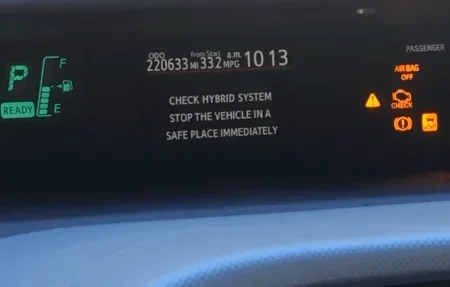
Before you reset anything, it helps to understand what the warning actually means. A hybrid system malfunction alert tells you that your car’s computer has detected a problem somewhere in the hybrid system. This could involve the battery, the electric motor, the inverter, or the software that controls everything.
Common Hybrid Malfunction Symptoms
Watch for these signs that your hybrid system needs attention:
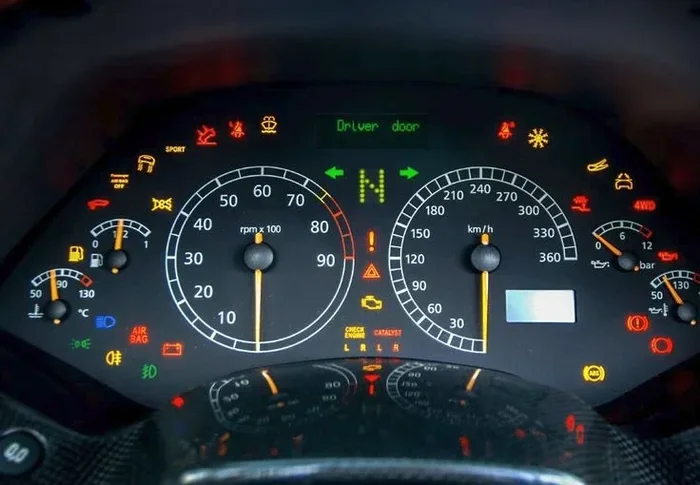
- A yellow or red warning light on the dashboard
- The car switches to gas-only mode unexpectedly
- Reduced power or sluggish acceleration
- Strange noises from the engine bay
- The check engine light comes on alongside the hybrid warning
- Your hybrid battery indicator shows an abnormal reading
If you notice any of these symptoms, do not panic. Many of them are caused by minor issues that a reset can resolve. However, if the car shuts down completely or you hear loud mechanical sounds, pull over safely and call for assistance.
Why Hybrid Systems Are Different
Hybrid vehicles combine a gasoline engine with an electric motor and a high-voltage battery pack. This hybrid powertrain is more complex than a standard car engine. The system constantly switches between gas and electric power depending on driving conditions. When one component sends an error signal, the entire system may go into a protective mode. This is what triggers the malfunction warning.
For example, your car might automatically switch to gas-only operation when it detects a battery issue. Understanding this helps you realize that a hybrid system malfunction is often your car trying to protect itself, not a death sentence for your vehicle.
What Causes a Hybrid System Malfunction?
Knowing the cause helps you decide whether a reset will work or if you need deeper repairs. Here are the most common culprits behind a hybrid system malfunction warning.
1. Sensor Glitches
Your hybrid car has dozens of sensors monitoring everything from temperature to voltage. Sometimes, a sensor sends a false signal. This tricks the computer into thinking something is wrong. A quick reset often clears these temporary errors.
2. Low Hybrid Battery Voltage
The hybrid battery needs to maintain a certain voltage level. If the battery drains too low, the system throws a malfunction code. This often happens after a long period of inactivity or when the regenerative braking system has not been charging the battery properly.
3. Software Errors
Modern hybrids rely heavily on software. Occasionally, a software bug causes the system to malfunction. Manufacturers release updates to fix these issues. A reset can sometimes clear the error until the software update is installed.
4. Faulty Wiring or Connectors
Vibration, heat, and moisture can loosen wiring connections in the hybrid system. A corroded connector or frayed wire can trigger a persistent malfunction code. In these cases, a reset will not help until the physical damage is repaired.
5. Overheating
Hybrid systems generate heat, especially during heavy use. If the cooling system is not working properly, the system may shut down and display a malfunction warning. This is a safety feature designed to prevent further damage.
6. Inverter Problems
The inverter converts DC power from the battery to AC power for the electric motor. When the inverter fails, the hybrid system malfunction light comes on. This usually requires professional diagnosis and repair.
How to Reset a Hybrid System Malfunction
Now for the part you have been waiting for. Here is how to reset a hybrid system malfunction in a few simple steps. Always start with the safest method and work your way up.
Method 1: The Simple Power Cycle
This is the easiest and most common way to reset a hybrid system. It works for most minor glitches.
- Pull over safely and turn off the engine.
- Put the car in park and remove the key or press the start/stop button to fully shut down.
- Open the driver’s door and wait for at least 30 seconds. This lets the system fully power down.
- Close the door and restart the engine normally.
- Drive for a few minutes and watch the dashboard. If the warning light does not return, the reset worked.
This simple power cycle clears temporary error codes in many cases. Think of it like restarting your computer when it freezes. Sometimes all the system needs is a fresh start.
Method 2: Disconnect the 12-Volt Battery
If the power cycle did not work, try disconnecting the auxiliary 12-volt battery. This resets the car’s computer and clears stored error codes.
- Turn off the engine and make sure the car is in park.
- Open the hood and locate the 12-volt battery. In most hybrids, this is in the rear or under a cover near the trunk.
- Use a wrench to disconnect the negative terminal first, then the positive terminal.
- Wait at least 5 minutes. This gives the system time to fully discharge.
- Reconnect the positive terminal first, then the negative terminal.
- Start the engine and check if the warning light is gone.
Important: Disconnecting the battery may reset your radio presets, clock, and other settings. Make sure you know how to restore these if needed.
Method 3: Use an OBD-II Scanner
An OBD-II scanner is a handy tool for hybrid owners. It plugs into the diagnostic port under your dashboard and reads the error codes stored in your car’s computer.
- Purchase or borrow an OBD-II scanner. Many auto parts stores let you borrow one for free.
- Plug the scanner into the diagnostic port, usually located under the steering column.
- Turn the ignition to the “on” position (do not start the engine).
- Follow the scanner’s prompts to read the error codes.
- Write down the codes and look them up in your car’s manual or online.
- Use the scanner’s reset function to clear the codes.
- Start the engine and see if the warning light stays off.
Using a scanner gives you more information about what triggered the malfunction. This helps you decide whether the issue is something simple or something that needs a mechanic.
Method 4: Visit a Dealership or Hybrid Specialist
If none of the above methods work, it is time to see a professional. A dealership or certified hybrid technician has specialized tools to run deep diagnostics. They can pinpoint the exact problem and perform a proper reset.
Do not skip this step if the warning light keeps coming back. A recurring hybrid system malfunction usually means there is an underlying issue that a simple reset cannot fix.
When Should You NOT Reset the Malfunction?
Resetting a warning light is not always the right move. Here are situations where you should skip the reset and get professional help immediately.
Red Warning Lights
Yellow warning lights often indicate minor issues. Red warning lights mean stop and address the problem right away. If you see a red light, do not attempt a reset. Pull over safely and call for roadside assistance.
The Car Is Making Unusual Noises
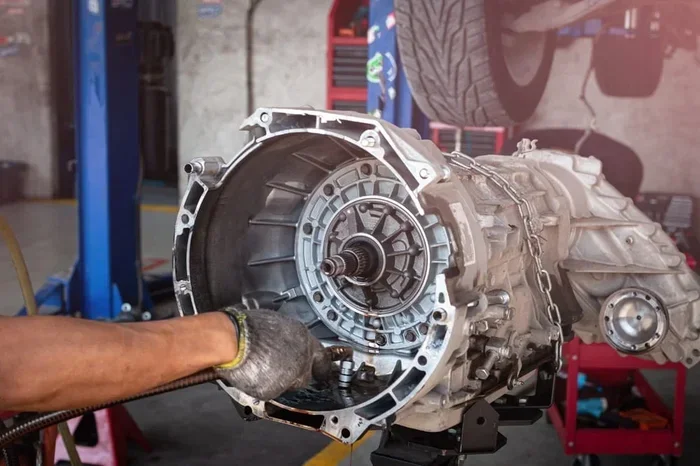
Grinding, clicking, or whining sounds from the engine or transmission area are not something a reset will fix. These noises often indicate mechanical damage that needs immediate attention.
The Car Will Not Start
If your hybrid will not start after a malfunction warning, do not keep trying. Repeated attempts can drain the hybrid battery further and cause additional damage. Call a tow truck instead.
The Warning Light Keeps Coming Back
A reset is only a temporary fix if the root cause has not been addressed. If the light returns after a reset, there is a real problem that needs diagnosis and repair.
How to Prevent Hybrid System Malfunctions
Prevention is always better than cure. Follow these tips to keep your hybrid system healthy and avoid unexpected malfunctions.
Stick to Your Maintenance Schedule
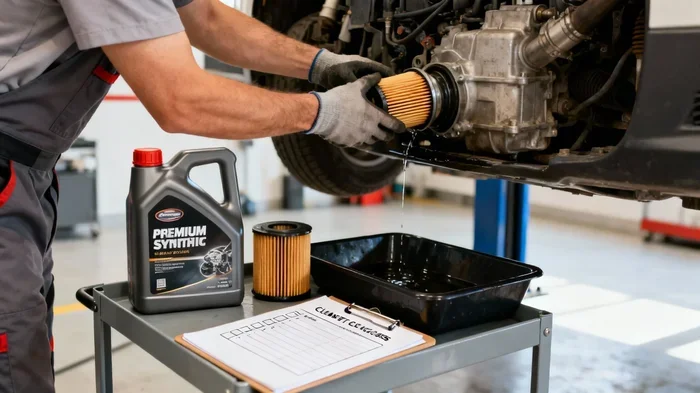
Hybrid vehicles have specific maintenance needs. Regular oil changes, coolant flushes, and battery inspections keep the system running smoothly. Check your owner’s manual for the recommended service intervals.
Monitor Your Hybrid Battery Health
Keep an eye on your battery’s condition. Most hybrids have a battery health indicator on the dashboard. If you notice the battery health declining, have it checked before it causes a hybrid system malfunction.
Drive Gently
Avoid aggressive driving. Hard acceleration and sudden braking put extra stress on the hybrid powertrain and the regenerative braking system. Smooth driving extends the life of all hybrid components.
Keep Software Up to Date
Manufacturers release software updates that fix known bugs. Ask your dealer during routine service visits if any updates are available for your vehicle.
Address Small Issues Early
Do not ignore small warning signs. A faint noise, a slightly dim dashboard light, or a minor drop in fuel economy can signal a bigger problem developing. Catching issues early prevents them from turning into a full hybrid system malfunction.
Expert Insights on Hybrid System Resets
We spoke with certified hybrid technicians to get their top tips for handling malfunction warnings.
“The number one thing we tell customers is not to panic,” says a senior technician at a major hybrid service center. “Most malfunction lights are caused by temporary glitches. A simple reset solves the problem more often than people think.”
Another expert adds, “If you are going to try a reset at home, always start with the power cycle method. It is the safest and requires no tools. Only move on to battery disconnection if you are comfortable working under the hood.”
Technicians also emphasize the importance of reading error codes before resetting. “When customers come in after a reset, we have no idea what the original problem was,” they explain. “Knowing the code saves time and money.”
Quick Tips for Hybrid Owners
- Always carry your owner’s manual in the glove box for quick reference.
- Keep a basic OBD-II scanner in your trunk for emergencies.
- Note the date and time when a malfunction light appears. This helps technicians diagnose recurring issues.
- Do not ignore warning lights, even if the car seems to drive fine.
- Keep your hybrid battery charged by driving regularly and allowing the regenerative braking system to do its job.
- If you are unsure about any step, consult a professional. Hybrid systems involve high voltage and should be handled with care.
Common Mistakes People Make When Resetting Hybrid Systems
Avoid these common errors that can cause more harm than good:
- Resetting without reading the error code first: You lose valuable diagnostic information that could help identify the root cause.
- Trying to reset while driving: Always pull over safely and turn off the engine before attempting any reset.
- Ignoring the problem after a reset: If the light returns, the underlying issue is still there and will get worse over time.
- Disconnecting the wrong battery: Hybrids have both a high-voltage battery and a 12-volt battery. Always work on the 12-volt battery unless instructed otherwise by a professional.
- Using cheap or incompatible diagnostic tools: Invest in a quality OBD-II scanner that supports hybrid-specific codes.
Avoiding these mistakes keeps you safe and ensures that your reset actually solves the problem instead of masking it.
What to Do After a Successful Reset
Once you have successfully cleared the hybrid system malfunction warning, take these steps to make sure the problem does not come back.
- Drive the car for at least 15 minutes and monitor the dashboard for any returning warnings.
- Check your fuel economy. A sudden drop can indicate the hybrid system is not functioning properly.
- Inspect the area under the hood for any visible damage, loose wires, or fluid leaks.
- Schedule a follow-up inspection with a hybrid specialist if you had any doubt about the original cause.
- Keep a log of the malfunction, the reset method you used, and the outcome. This is helpful for future diagnostics.
Taking these precautions after a reset gives you peace of mind and protects your investment.
Conclusion
A hybrid system malfunction warning can feel overwhelming, but it does not have to be. Most of the time, a simple reset clears the error and gets you back on the road. Start with the power cycle method, move to a battery disconnect if needed, and use an OBD-II scanner for deeper diagnostics. Always prioritize safety and do not hesitate to call a professional when the problem persists.
Remember, your hybrid car is a sophisticated machine that deserves proper care. Regular maintenance, gentle driving, and prompt attention to warning lights keep your hybrid powertrain running strong for years to come. Now you have the knowledge to handle a hybrid system malfunction quickly and confidently.
Keep this guide bookmarked for the next time a warning light appears on your dashboard. And if the problem feels beyond a simple reset, reach out to a trusted hybrid technician. Your car and your wallet will thank you.
Frequently Asked Questions
Can I drive my hybrid with a system malfunction light on?
In most cases, yes. The car will often switch to gas-only mode to protect the hybrid system. However, you should drive to a safe location or a repair shop as soon as possible. Avoid long distances or highway driving until the issue is diagnosed.
How long does it take to reset a hybrid system malfunction?
A simple power cycle takes about 2 to 3 minutes. Disconnecting the 12-volt battery adds about 5 to 10 minutes of waiting time. Using an OBD-II scanner takes just a few minutes once you plug it in. The total time depends on the method you choose and the complexity of the issue.
Will resetting the hybrid system void my warranty?
No. A simple reset does not void your warranty. However, if you attempt repairs on the high-voltage components yourself, that could void your warranty. Always check with your dealer if you are unsure about what is covered.
Why does my hybrid malfunction light keep coming back after a reset?
A recurring light means the root cause has not been fixed. The system detects the same problem again after the reset clears the code. This usually points to a failing sensor, a battery issue, or a wiring problem that needs professional repair.
Is it safe to disconnect the hybrid battery to reset the system?
No. You should never disconnect the high-voltage hybrid battery yourself. This involves dangerous voltage levels that can cause serious injury. Only disconnect the auxiliary 12-volt battery, and always follow proper safety procedures.
What is the difference between a hybrid malfunction and a check engine light?
The check engine light is a general warning that can be triggered by many issues, including the hybrid system. A dedicated hybrid malfunction light specifically indicates a problem with the electric motor, battery, inverter, or other hybrid-specific components. Both lights can appear together when the issue affects the overall powertrain.
=== INTERNAL LINKS ===
For more information about how your hybrid system operates, check out our guide on at what point does a hybrid switch to gas. Understanding this transition helps you recognize when something is off with your vehicle.
If you are concerned about running out of power, learn more about whether a hybrid can run without gas. This is an important consideration when your hybrid system is not performing at its best.
Also, find out if a hybrid car can run on gas only when the electric system is compromised. This knowledge helps you make informed decisions during a malfunction.
And for questions about keeping your hybrid charged, see our article on how to charge a hybrid car at home and on the road.