How Do I Manually Turn Off My Check Engine Light?
You can manually turn off your check engine light using a few straightforward methods, but understanding what triggered the warning is the most important first step. Whether you use an OBD-II scanner, a handheld code reader, or disconnect the battery, each approach can clear the dashboard alert. However, simply resetting the light without fixing the underlying problem can lead to costly repairs and failed emissions inspections, so always address the root cause before clearing the code.
How Do I Manually Turn Off My Check Engine Light?
That little orange check engine light on your dashboard can send anyone into a panic. One moment you are driving along just fine, and the next, your car is telling you something is wrong. But here is the thing. Sometimes that light comes on for a simple reason. A loose gas cap. A temporary sensor glitch. And in those cases, you do not need a mechanic. You can handle it yourself.
Manually turning off your check engine light is something many car owners can do at home. It takes just a few simple tools and a bit of patience. But before you do anything, it is important to understand what that light is really trying to tell you. This guide will walk you through every method. We will cover safe ways to reset the light. We will also talk about when you should NOT ignore it. By the end, you will know exactly what to do.
So if you are tired of staring at that annoying dashboard warning light, keep reading. We are going to break this down into easy, actionable steps. No jargon. No confusing mechanics talk. Just clear, practical advice you can use right away.
Key Takeaways
- Disconnect the battery to reset the ECU. This clears codes temporarily but resets all settings.
- Use an OBD-II scanner to erase codes. It’s safer than battery disconnect and preserves settings.
- Fix the underlying problem before clearing the light. The warning will return if the issue persists.
- Check your gas cap first. A loose cap often triggers the light; tighten and drive.
- Never ignore a flashing check engine light. It signals a severe problem that can damage the catalytic converter.
- The light may turn off automatically. After fixing the issue, multiple drive cycles clear the code.
- Always diagnose the root cause first. A scanner reveals the exact fault code before you clear anything.
📑 Table of Contents
Why Does Your Check Engine Light Come On?
Understanding why your engine light turns on is the first step to fixing it. The light is part of your car’s onboard diagnostics system. It monitors dozens of sensors and systems every second you drive. When something falls outside the normal range, the system triggers the light.
Here are the most common reasons the check engine light activates:
- A loose or damaged gas cap
- A faulty oxygen sensor
- A failing catalytic converter
- Spark plug or ignition coil issues
- Mass airflow sensor problems
- EVAP system leaks
- Battery or charging system faults
Some triggers are minor. Others are serious. The key is figuring out which one you are dealing with. A diagnostic trouble code reader can help you pinpoint the exact problem. We will get to that in a moment.
When the Light Is Flashing vs. Steady
The behavior of your dashboard warning light matters a lot. A steady light usually means a non-emergency issue. You can drive carefully and get it checked soon. But a flashing light is different. A flashing engine light often signals a severe problem. It usually means your engine is misfiring. Misfires can damage your catalytic converter fast. If your light is flashing, pull over safely and get your car inspected immediately.
Also, keep in mind that some warning lights look similar. For example, if you ever notice your AWD light is on, that is a different system than the check engine light. Each dashboard symbol has a specific meaning. Learning them can save you a lot of unnecessary worry.
Method 1: Use an OBD-II Scanner to Reset the Light
This is the best and most reliable way to manually turn off your check engine light. An OBD-II scanner reads the diagnostic codes stored in your car’s computer. Once you fix the underlying issue, you can clear those codes and reset the light.
Here is how to do it step by step:
- Find your car’s OBD-II port. It is usually under the dashboard on the driver’s side.
- Plug the scanner into the port. The port has a trapezoid-shaped connector.
- Turn the ignition to the “on” position. Do not start the engine.
- Follow the scanner’s prompts to read the stored codes.
- Write down each code. You can look them up online or in your car’s manual.
- Fix the problem that caused the code.
- Use the scanner’s “clear codes” function to reset the check engine light.
- Turn off the ignition. Wait 30 seconds. Turn it back on to confirm the light is off.
OBD-II scanners range from basic models under $30 to advanced Bluetooth-enabled units. If you do a lot of car maintenance, a decent scanner is a smart investment. It helps you troubleshoot problems before they become expensive repairs.
Which OBD-II Scanner Should You Buy?
Not all scanners are the same. Here is a quick comparison of the most popular types:
| Type | Price Range | Features | Best For |
|---|---|---|---|
| Basic Code Reader | $15 – $40 | Reads and clears codes only | Simple resets and code checks |
| Mid-Range Scanner | $40 – $100 | Live data, freeze frame data, code definitions | DIY car owners who want more detail |
| Bluetooth/Wi-Fi Scanner | $30 – $150 | Connects to phone app, real-time monitoring | Tech-savvy users who want convenience |
| Professional-Grade Scanner | $200+ | Full system access, manufacturer-specific codes | Mechanics and serious enthusiasts |
For most car owners, a mid-range scanner is the sweet spot. It gives you enough information without overwhelming you with data. And clearing codes after a repair is simple with any model.
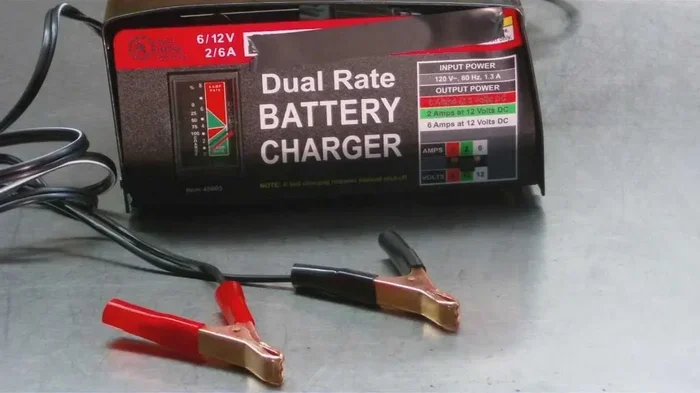
Method 2: Disconnect Your Car Battery
If you do not have a scanner, you can try disconnecting the battery. This method resets your car’s computer and clears the check engine light. It works because removing power erases the stored diagnostic codes.
Here is how to do it safely:
- Turn off your engine and all accessories.
- Open the hood and locate the battery.
- Using a wrench, disconnect the negative (black) cable first.
- Wait at least 15 minutes. This gives the computer time to fully reset.
- Reconnect the negative cable.
- Start the engine and check if the light is off.
This method is simple and free. But it comes with a few downsides. Disconnecting the battery may also reset your radio presets, clock, and other settings. Some newer vehicles may need a special code to re-enter the radio. Also, this method does not fix the actual problem. If the issue that triggered the engine light is still there, the light will come back.
Important Warning About Battery Disconnection
Be careful when you disconnect the battery. Always remove the negative cable first. Reconnect it last. This prevents short circuits. If you are unsure about anything, ask a friend who knows cars or visit a local auto parts store. Many stores like AutoZone will help you for free.
Also, some modern cars have sensitive electronics. A full battery disconnect can sometimes cause issues with the vehicle diagnostics system. If your car has a smart battery or complex computer network, use a scanner instead. And if you ever notice your car having trouble starting after a battery disconnect, remember that issues like car won’t turn over but has power can sometimes be related to electrical resets.
Method 3: Fix the Underlying Problem First
This might sound obvious, but it is the most important point. The best way to turn off your check engine light permanently is to fix what caused it in the first place. Resetting the light without fixing the problem is only a temporary solution. The light will almost certainly come back.
Here are some common fixes that work:
- Tighten or replace the gas cap. This is the number one cause of a check engine light coming on. A loose cap triggers the EVAP system warning. Just screw it on tightly and drive for a few cycles. The light often goes away on its own.
- Replace worn spark plugs. Old spark plugs cause misfires. Misfires trigger the engine light. A new set of plugs is inexpensive and easy to install.
- Clean or replace the oxygen sensor. A faulty sensor affects fuel economy and emissions. Replacement usually costs between $50 and $250.
- Fix an EVAP leak. EVAP leaks often come from cracked hoses or a faulty purge valve. Inspect the system and replace damaged parts.
Once you have made the repair, the check engine light reset will stick. Your car’s computer will run through its self-test cycles and confirm that the problem is resolved. Then the light stays off.
Quick Tip: The Drive Cycle Method
After you fix a problem, you can let your car complete its drive cycle. This means driving at various speeds for a set period. The car’s computer runs tests on all its systems. If everything passes, the engine light turns off automatically. A typical drive cycle takes about 50 to 100 miles of mixed driving. It includes highway speeds, city driving, and idling.
When You Should NOT Turn Off the Check Engine Light
Here is where we need to be honest with you. There are times when turning off the check engine light is a bad idea. If your car is showing signs of serious trouble, masking the light can lead to bigger problems and expensive repairs.
Do NOT turn off the light if:
- Your car is stalling or losing power
- You notice unusual noises from the engine
- The light is flashing, not steady
- You see smoke or fluid leaking underneath the car
- Your check engine light comes on along with other warning lights like oil pressure or temperature warnings
Ignoring these signs can lead to engine damage. If you ever find yourself in a situation where your car is overheating or showing multiple warning signs, do not just reset the light. For example, if you have dealt with your check engine light and then notice your car running hot, you should know that driving a car after it overheats can cause serious internal damage. Always prioritize safety over convenience.
The Legal Side of Disabling Warning Lights
In many states, driving with a permanently disabled check engine light can fail your emissions inspection. The light is connected to your car’s emission control system. Tampering with it intentionally can result in fines. If you are selling your vehicle, a missing or permanently disabled check engine light can also lower the resale value. Buyers trust that warning lights are working properly.
Also, if you are involved in an accident and your dashboard warning lights were intentionally disabled, it could affect your insurance claim. Always use the proper methods to reset the light after a legitimate repair.
How to Prevent the Check Engine Light From Coming Back
Once you have successfully turned off your check engine light, you probably want to keep it off. Prevention is always better than cure. Here are some habits that help keep your car healthy and your warning lights off:
- Check your gas cap regularly. Make sure it clicks at least three times when you tighten it. Replace it if the seal looks cracked or worn.
- Keep up with scheduled maintenance. Oil changes, air filter replacements, and spark plug checks go a long way. Regular car maintenance catches small problems before they become big ones.
- Use the right fuel. If your car requires premium gas, do not use regular. Using the wrong fuel can trigger the engine light and hurt performance.
- Address small issues quickly. Do not ignore minor warning signs. A small vibration or a slight drop in fuel economy can be early signals of a bigger problem.
- Inspect sensors and hoses periodically. Rubber hoses crack over time. Sensors get dirty. A quick visual check under the hood can catch problems early.
Taking these simple steps can save you hundreds of dollars in repairs. It also keeps your car running smoothly and reliably for years to come.
Expert Insight: What Mechanics Wish You Knew
Many experienced mechanics say that most check engine light issues are minor and easily fixable. The real problem is that people delay addressing them. A loose gas cap today can lead to a failed emissions test next month. A worn spark plug now can damage the catalytic converter later. Acting quickly on a warning light saves money and keeps you safe on the road.
If you are not comfortable diagnosing the problem yourself, visit a trusted mechanic. Many offer free diagnostic checks. You can also stop by an auto parts store. Most will read your codes for free using their scanner. This gives you a head start before any repair work begins.
Key Takeaways
Let us quickly recap the most important points from this guide:
- The check engine light is your car’s way of telling you something needs attention.
- You can manually turn it off using an OBD-II scanner or by disconnecting the battery.
- The best method is to fix the underlying problem first, then reset the light.
- Never ignore a flashing check engine light. It usually signals a serious issue.
- Prevention through regular maintenance keeps your warning lights off and your car running well.
- Resetting the light does not fix the problem. It only clears the warning.
Knowing how to handle your check engine light gives you confidence as a car owner. You do not have to panic every time that little orange glow appears on your dashboard. With the right tools and knowledge, you can diagnose, fix, and reset the light yourself. Just remember to always address the root cause first. Your car and your wallet will thank you.
If you are dealing with other car warning systems, understanding how each one works helps too. For instance, learning about systems like steering assist and how to manage them gives you a fuller picture of your vehicle’s safety features. The more you know about your car, the better equipped you are to handle anything that comes up on the road.
Frequently Asked Questions
What is How Do I Manually Turn Off My Check Engine Light??
How Do I Manually Turn Off My Check Engine Light? is an important topic with many practical applications and benefits.
How can How Do I Manually Turn Off My Check Engine Light? help me?
Understanding How Do I Manually Turn Off My Check Engine Light? can improve your knowledge and provide practical solutions.