How Big Is a Toyota Yaris Engine and Why It Matters
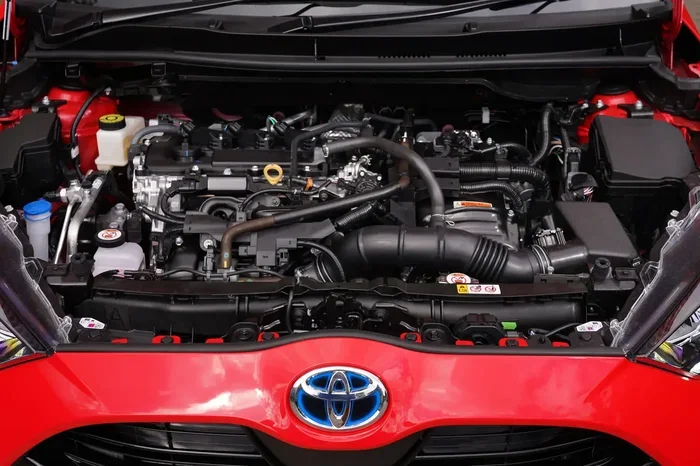
The Toyota Yaris engine is a compact powerplant that delivers reliable performance for daily driving. Most Yaris models use a 1.5 liter four-cylinder engine producing around 106 horsepower, while hybrid versions pair a 1.8 liter engine with an electric motor. Understanding your Yaris engine size helps you make informed decisions about maintenance, fuel costs, and driving habits.
The Toyota Yaris has been a favorite among small car buyers for years. It is affordable, fun to drive, and gets great gas mileage. But one question many owners and shoppers ask is, how big is a Toyota Yaris engine? The answer might surprise you. The Yaris engine is small by design, and that is exactly what makes it so efficient.
In this guide, we will walk you through everything you need to know about the Toyota Yaris engine size. We will cover the different engine options, what those numbers mean, and why engine size matters for your daily driving. Whether you own a Yaris or are thinking about buying one, this article has you covered.
The Toyota Yaris engine comes in a few different configurations depending on the model year and trim level. Most standard Yaris models use a 1.5 liter four-cylinder engine. Hybrid versions use a 1.8 liter engine paired with an electric motor. Both options are designed to give you the best balance of power and efficiency.
Key Takeaways
- Standard Yaris engines are 1.5 liters: This is the most common engine size across Yaris trims and model years.
- Hybrid Yaris models use a 1.8 liter engine: The hybrid variant combines a larger engine with an electric motor for better fuel economy.
- Engine size affects fuel economy directly: Smaller engines generally use less gas, which keeps your running costs low.
- Regular maintenance keeps the Yaris engine running strong: Simple tasks like oil changes go a long way.
- The Yaris engine is known for reliability: Toyota built these engines to last with proper care.
- Engine size impacts insurance and registration costs: Smaller engines often mean lower insurance premiums.
- Knowing your engine specs helps with parts shopping: You can find the right components faster when you know your engine details.
📑 Table of Contents
- Understanding Engine Size Basics
- Toyota Yaris Engine Specifications
- How Big Is the Toyota Yaris Engine Compared to Other Cars
- Why Engine Size Matters for the Toyota Yaris
- Common Toyota Yaris Engine Problems and Maintenance Tips
- Quick Tips for Yaris Engine Owners
- The Future of the Toyota Yaris Engine
- Conclusion
Understanding Engine Size Basics
Before we dive into the specific numbers for the Yaris, let us talk about what engine size actually means. Engine size is also called displacement. It measures the total volume of all the cylinders in the engine. Think of it like the engine breathing in air and fuel. The bigger the engine, the more air and fuel it can take in. This usually means more power.
Engine size is measured in liters or cubic centimeters (cc). A 1.5 liter engine means the total cylinder volume is 1,500 cubic centimeters. A 1.8 liter engine has 1,800 cubic centimeters. Smaller engines like the ones in the Yaris are perfect for city driving. They use less fuel and cost less to maintain.
What Does Engine Displacement Tell You?
Engine displacement gives you a good idea of how much power an engine can produce. But it is not the only factor. The number of cylinders, engine design, and tuning all play a role. The Toyota Yaris engine uses a four-cylinder layout. This is one of the most common engine configurations in the auto industry. Four-cylinder engines are known for being efficient and reliable.
Here are some key terms to know when talking about engine size:
- Displacement: The total volume of the engine cylinders, measured in liters or cc.
- Four-cylinder: An engine with four pistons, common in compact cars like the Yaris.
- Horsepower: A measure of how much power the engine produces.
- Torque: The twisting force the engine creates, which affects acceleration.
- Fuel economy: How many miles the car can run on a gallon of gas.
When you hear someone ask, “how big is a Toyota Yaris engine,” they are really asking about displacement and power output. The answer is straightforward. The standard Yaris engine is 1.5 liters, and the hybrid version is 1.8 liters.
Toyota Yaris Engine Specifications
Now let us get into the specific details. The Toyota Yaris engine specs vary slightly depending on the model year and trim. Here is a breakdown of what you can expect.
1.5 Liter Engine (Standard Yaris)
The most common Toyota Yaris engine is the 1.5 liter four-cylinder. This engine has been used across many model years, including the 2015 through 2020 Yaris models. Here are the key specs:
- Engine size: 1.5 liters (1,490 cc)
- Horsepower: Around 106 hp
- Torque: Approximately 103 lb-ft
- Fuel type: Regular gasoline
- Transmission: 6-speed manual or CVT (Continuously Variable Transmission)
- Fuel economy: Up to 32 mpg city and 40 mpg highway
This 1.5 liter engine is a workhorse. It is designed to be simple, reliable, and efficient. Toyota engineered it to deliver just enough power for daily commuting and highway driving. You will not win any drag races with a 1.5 liter Yaris, but you will save a lot of money on gas.
One thing to note is that the Toyota Yaris engine in the 1.5 liter configuration is naturally aspirated. This means it does not use a turbocharger. The engine relies on natural airflow to operate. This design choice keeps the engine simple and reduces the number of things that can go wrong.
1.8 Liter Hybrid Engine
The Toyota Yaris hybrid uses a different engine setup. It pairs a 1.8 liter four-cylinder engine with an electric motor. Together, they produce a combined system output of around 120 horsepower. Here are the specs:
- Engine size: 1.8 liters (1,798 cc)
- Gasoline horsepower: Around 99 hp from the gas engine alone
- Combined system output: Approximately 120 hp
- Electric motor: Helps boost acceleration and fuel economy
- Fuel economy: Up to 40 mpg city and 38 mpg highway
- Fuel type: Regular gasoline
The hybrid Yaris engine is a great choice for anyone who wants maximum fuel efficiency. The electric motor handles low-speed driving, which means the gas engine works less. This setup is especially useful in stop-and-go traffic. And if you are wondering, can a hybrid run without gas, the answer is no. The Yaris hybrid still needs gasoline to operate. The electric motor assists the gas engine, but it cannot power the car on its own for long distances.
How Big Is the Toyota Yaris Engine Compared to Other Cars
To really understand the size of the Toyota Yaris engine, it helps to compare it to other popular cars. The Yaris belongs to the subcompact class. Its engine is smaller than what you would find in a compact sedan or a mid-size SUV.
Comparison Table
Here is a simple comparison of the Toyota Yaris engine size versus other common cars:
- Toyota Yaris (1.5L): 1,490 cc, 106 hp, subcompact
- Toyota Corolla (1.8L): 1,798 cc, 132 hp, compact
- Honda Civic (2.0L): 1,996 cc, 158 hp, compact
- Toyota Camry (2.5L): 2,494 cc, 203 hp, mid-size
- Toyota RAV4 (2.5L): 2,494 cc, 203 hp, compact SUV
As you can see, the Toyota Yaris engine is on the smaller end of the spectrum. But that is not a bad thing. Smaller engines are perfect for city driving. They are lighter, which helps the car handle better. And they use less fuel, which saves you money at the pump.
If you are comparing the Yaris to a hybrid like the Toyota Prius, the Prius uses a 1.8 liter engine similar to the Yaris hybrid. But the Prius has a more powerful electric motor. The Yaris hybrid is more focused on being an affordable entry-level hybrid option.
Why Engine Size Matters for the Toyota Yaris
You might be thinking, “Does engine size really matter for a small car like the Yaris?” The answer is yes. Engine size affects several important aspects of your driving experience. Let us break them down.
Fuel Economy
This is the big one. Smaller engines use less fuel. The 1.5 liter Yaris engine is designed to maximize every drop of gasoline. With fuel economy ratings of up to 40 mpg on the highway, the Yaris is one of the most efficient cars in its class. If you drive a lot, those savings add up quickly.
For hybrid Yaris owners, the fuel economy is even better. The combination of a 1.8 liter engine and electric motor means you can go further on less gas. And when you consider that does a hybrid burn gas when idling, the answer is that the hybrid system shuts off the gas engine at idle, saving even more fuel.
Insurance and Registration Costs
Engine size can affect your car insurance rates. Insurers often consider engine displacement when calculating premiums. A smaller engine like the one in the Yaris may qualify for lower rates. This is because smaller engines are associated with lower speeds and less risk of accidents.
Maintenance and Repairs
Smaller engines are generally simpler to maintain. The Toyota Yaris engine has fewer components than a larger engine. This means there are fewer things that can break. Routine maintenance like oil changes, air filter replacements, and spark plug swaps are straightforward and affordable.
One important maintenance tip is to always use the recommended engine oil type for your Yaris. Using the wrong oil can reduce engine life and performance. Check your owner’s manual for the specific oil weight and capacity.
Performance and Driving Experience
The Toyota Yaris engine is not meant for high-speed driving or heavy towing. It is designed for efficient, comfortable daily driving. With 106 horsepower, the Yaris can handle highway merging and city cruising with ease. But if you try to tow a heavy trailer, the small engine will struggle.
For most drivers, the Yaris engine provides more than enough power. The car feels responsive and nimble. It is a fun little car to drive around town. And because the engine is small, it stays cool even in hot weather.
Common Toyota Yaris Engine Problems and Maintenance Tips
Like any engine, the Toyota Yaris engine can develop issues over time. The good news is that these problems are usually minor and easy to fix. Here are some common issues and how to prevent them.
Oil Leaks
Oil leaks are one of the most common issues with older Yaris models. They usually develop around the valve cover gasket or oil pan gasket. Regular oil changes can help prevent leaks. If you notice oil spots under your car, have it checked by a mechanic right away.
Timing Chain Wear
Some Yaris models have experienced timing chain wear over time. This is more common in higher-mileage vehicles. Symptoms include a rattling noise when starting the engine or rough idling. Replacing the timing chain is a repair job, but it is much cheaper than replacing a damaged engine.
Spark Plug Replacement
Spark plugs wear out over time and need to be replaced. The Yaris engine uses standard spark plugs that are easy to access. Most mechanics recommend replacing them every 30,000 to 60,000 miles. Fresh spark plugs help the engine run smoothly and maintain fuel efficiency.
Coolant System Maintenance
The Yaris engine has a cooling system that needs regular attention. Check the coolant level periodically and have the system flushed according to the maintenance schedule. Overheating can cause serious engine damage, so do not ignore warning signs like a temperature gauge reading high.
Expert Insight: Toyota engineers designed the Yaris engine for longevity. With regular maintenance and proper care, a Yaris engine can easily last over 200,000 miles. The key is staying on top of oil changes, fluid checks, and routine inspections.
Quick Tips for Yaris Engine Owners
- Check your oil monthly: The Yaris engine is simple to check. Pull the dipstick, wipe it clean, reinsert, and check the level.
- Use the right fuel: The Yaris runs on regular gasoline. There is no need for premium fuel.
- Watch your temperature gauge: If the needle moves into the red zone, pull over safely and let the engine cool.
- Keep up with scheduled maintenance: Follow the maintenance schedule in your owner’s manual to the letter.
- Address small issues early: A small leak or strange noise today can become a big repair bill tomorrow.
The Future of the Toyota Yaris Engine
Toyota has been evolving its lineup over the years. The Yaris nameplate has gone through several changes in different markets. In some regions, Toyota replaced the Yaris with the Yaris Cross, a small crossover SUV. In other markets, the Yaris continues as a hatchback with updated engine options.
Toyota is also investing heavily in hybrid technology. The Yaris hybrid represents the brand’s commitment to reducing emissions without sacrificing practicality. As Toyota develops new engine technologies, the Yaris engine will likely become even more efficient and refined.
For now, the Toyota Yaris engine remains one of the best small engines in the automotive market. It is reliable, efficient, and easy to maintain. Whether you drive a standard 1.5 liter model or a hybrid 1.8 liter version, you are getting a well-engineered powerplant that is built to last.
If you are curious about how the Yaris engine compares to other Toyota engines, you might also want to learn about how hybrid engines work in different Toyota models. Understanding the basics of hybrid operation helps you get the most out of your Yaris.
And if you are wondering about fuel economy in different driving conditions, consider how hybrid engines handle idling. The Yaris hybrid shuts off the gas engine at stops, which is a great feature for city drivers.
Finally, if you want to understand when the gas engine kicks in during hybrid driving, check out our guide on when a hybrid switches to gas. This knowledge helps Yaris hybrid owners maximize their fuel savings.
Conclusion
The Toyota Yaris engine is a compact, efficient, and reliable powerplant that has served Toyota well for many years. With a standard 1.5 liter engine in most models and a 1.8 liter hybrid option in select trims, the Yaris offers something for every type of driver. The engine size is perfectly suited for city driving, commuting, and everyday errands.
Understanding your Toyota Yaris engine size helps you make smarter decisions about maintenance, fuel costs, and driving habits. Whether you are a current Yaris owner or shopping for a new car, knowing the engine specs gives you confidence. The Yaris engine is small but mighty, and it continues to be one of the best choices in the subcompact segment.
Take care of your Yaris engine, and it will take care of you. Keep up with oil changes, watch for warning signs, and enjoy the smooth, efficient ride that the Toyota Yaris is known for. With proper care, this little engine will keep going strong for many miles to come.
Frequently Asked Questions
What is the engine size of a Toyota Yaris?
The standard Toyota Yaris uses a 1.5 liter four-cylinder engine. Hybrid versions use a 1.8 liter engine paired with an electric motor. The engine size is small by design, which helps the Yaris deliver excellent fuel economy.
How much horsepower does the Toyota Yaris engine produce?
The 1.5 liter Yaris engine produces approximately 106 horsepower. The hybrid version with the 1.8 liter engine produces around 99 horsepower from the gas engine alone, with a combined system output of about 120 horsepower.
Can I drive a Toyota Yaris on the highway with its small engine?
Yes, the Toyota Yaris engine is perfectly capable of highway driving. With 106 horsepower, the Yaris can maintain highway speeds comfortably. The engine is tuned for a balance of city efficiency and highway performance.
Is the Toyota Yaris engine reliable?
The Toyota Yaris engine has a strong reputation for reliability. With regular maintenance and proper care, these engines can last well over 200,000 miles. Toyota built the Yaris engine to be simple and durable.
Does the Toyota Yaris engine require premium fuel?
No, the Toyota Yaris engine runs on regular unleaded gasoline. Using premium fuel will not provide any additional benefits for the engine. Always follow the recommendations in your owner’s manual.
What is the fuel economy of the Toyota Yaris?
The standard 1.5 liter Yaris gets up to 32 mpg in the city and 40 mpg on the highway. The hybrid version achieves similar or slightly better fuel economy numbers, making it one of the most efficient cars in its class.