Are Toyota Matrix Cars Expensive to Fix and Maintain
The Toyota Matrix is generally affordable to fix and maintain compared to many competitors. Most owners spend between $300 and $600 annually on routine maintenance, with major repairs rarely exceeding $1,500. Understanding common issues and staying on top of service schedules keeps ownership costs low.
Are Toyota Matrix cars expensive to fix and maintain? This is a question many potential buyers and current owners ask before committing to ownership. The short answer is no. The Toyota Matrix is one of the more affordable compact cars to own and repair. But like any vehicle, costs can add up if you ignore maintenance or tackle major repairs without preparation.
In this guide, we will walk through everything you need to know about Toyota Matrix repair costs. We will cover common problems, routine maintenance expenses, parts pricing, and practical tips to keep your ownership costs low. Whether you are buying a used Matrix or already own one, this article has the details you need.
The Toyota Matrix was produced from 2003 to 2013. It was a compact hatchback built on the Toyota Corolla platform. The Matrix offered a slightly taller roofline and more cargo space than the standard Corolla. This made it popular among young families and commuters who needed versatility without a big price tag.
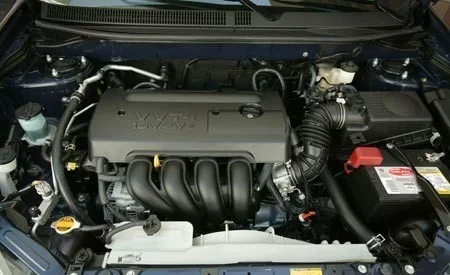
The car came with two engine options: a 1.8L four-cylinder and a 2.4L four-cylinder. The 1.8L was the more common choice for daily driving. The 2.4L offered more power and was available in the XRS trim. Both engines are reliable and well-understood by mechanics, which keeps repair costs down.
Toyota built the Matrix with simplicity in mind. There are fewer complex systems compared to modern vehicles packed with technology. This simplicity is a huge advantage when it comes to repair costs. Fewer complex parts means fewer things that can break and fewer expensive fixes.
Routine maintenance is the backbone of affordable Toyota Matrix ownership. Staying current on scheduled services prevents small issues from becoming big, expensive problems. Most owners find that routine upkeep costs between $300 and $600 per year.
Oil changes are the most frequent service. A standard oil change for the Matrix costs around $40 to $70 at a dealership or independent shop. If you change your own oil, the cost drops to roughly $20 to $30 per change. The Matrix uses conventional or synthetic oil depending on the model year. Check your owner manual for the correct specification.
Brake pad replacement is another common expense. Front brake pads on the Matrix typically last between 30,000 and 50,000 miles. Rear pads last even longer. A full brake pad replacement with parts and labor runs about $150 to $250 per axle. Replacing pads early prevents rotor damage, which is far more expensive.
Tire maintenance is also important. The Matrix uses standard compact tires that are widely available. A set of four tires costs between $400 and $700 depending on the brand. Rotating tires every 5,000 to 7,500 miles extends their life significantly.
Here is a quick look at average annual maintenance costs for the Toyota Matrix:
- Oil change and filter: $40 to $70 per service
- Brake pad replacement: $150 to $250 per axle
- Tire rotation: $25 to $50
- Cabin air filter: $15 to $30
- Spark plugs (set): $30 to $60
- Coolant flush: $70 to $120
- Transmission fluid change: $80 to $150
Staying on top of these services keeps the car running smoothly and prevents costly breakdowns.
Like any aging vehicle, the Toyota Matrix has some common issues that owners should know about. Understanding these problems helps you anticipate costs and address them early.
The coolant system is one area that needs attention. Coolant leaks are a known issue on older Matrix models. The leak often comes from the water pump or coolant hoses. A water pump replacement costs between $200 and $400 including parts and labor. Replacing coolant hoses is much cheaper, usually under $100.
Electrical issues can also pop up. Some owners report flickering headlights or intermittent power window failures. These are often caused by loose connectors or worn switches. Push in wire connectors are reusable in many cases, which saves money on replacement parts. If you are handy with a multimeter, you can diagnose these issues yourself.
The transmission is generally reliable but not immune to problems. The manual transmission in the Matrix is nearly bulletproof. The automatic transmission, particularly in higher-mileage examples, may develop rough shifting or fluid leaks. A transmission fluid change every 60,000 miles goes a long way in preventing issues.
Exhaust manifold bolts are another common complaint. They can corrode and snap, especially on higher-mileage vehicles. Replacing exhaust manifold bolts is not expensive, but the labor can be tricky if the bolts break off. A mechanic experienced with Toyotas will handle this without fuss.
Understanding Toyota Matrix parts costs helps you budget for repairs. The good news is that Toyota parts are among the most affordable in the compact car segment. OEM parts are widely available through dealers and online retailers.
A new set of brake pads for the Matrix typically costs $30 to $60 for the front pair. Rear pads are slightly less. An oil filter costs around $5 to $10. A cabin air filter runs $10 to $20. These are all very reasonable prices.
More expensive parts include the alternator, which runs $200 to $350, and the water pump, which costs $80 to $150 for the part alone. Labor for the water pump adds another $100 to $250 depending on your location.
Aftermarket parts offer another cost-saving option. Many aftermarket parts meet or exceed OEM quality. Brands like ACDelco, Bosch, and Denso are trusted by mechanics and DIYers alike. Just make sure any aftermarket part matches the specifications in your owner manual.
One smart strategy is to buy parts in advance for common replacements. Keeping a small inventory of brake pads, filters, and fluids at home means you can do simple repairs yourself and save on labor entirely.
The Toyota Matrix has a solid reputation for reliability. Consumer Reports and J.D. Power both rate the Matrix above average for dependability. The 1.8L engine in particular is known to last well beyond 200,000 miles with proper care.
The 2.4L engine is also reliable but has slightly more wear on internal components due to its higher output. Both engines use a timing chain rather than a timing belt, which is a major advantage. Timing chains rarely need replacement and do not require the scheduled belt changes that some engines do.
Overall, the Toyota Matrix is not expensive to fix. Most repairs fall into the low-to-moderate cost range. The car’s simplicity and Toyota’s widespread service network make finding affordable help easy. Whether you visit a dealer, an independent shop, or tackle repairs yourself, the Matrix is a forgiving car to work on.
One thing to keep in mind is that older models may need more frequent attention. A Matrix with 150,000 or more miles will need more repairs than a low-mileage example. But even with higher mileage, annual repair costs for the Matrix remain reasonable compared to competitors.
Insurance costs for the Toyota Matrix are also favorable. The compact hatchback classification means it is not a high-theft target. Safety ratings for the Matrix are solid, which helps keep premiums low. Most owners pay between $1,000 and $1,400 per year for full coverage, depending on location and driving history.
Here is a comparison of estimated annual ownership costs for the Toyota Matrix versus similar compact cars:
- Toyota Matrix: $1,200 to $1,800 per year (maintenance, insurance, and minor repairs)
- Honda Civic: $1,100 to $1,700 per year
- Hyundai Elantra: $1,000 to $1,600 per year
- Ford Focus: $1,300 to $2,000 per year
- Mazda 3: $1,200 to $1,900 per year
The Matrix sits in the middle of the pack, which is a strong position for a car in this segment. It is not the absolute cheapest to own, but it is close and offers better versatility than most competitors.
Keeping your Toyota Matrix in good shape does not have to be complicated. A few simple habits make a big difference in long-term costs.
First, follow the maintenance schedule. The owner manual lays out every service interval. Sticking to this schedule prevents problems before they start. It also keeps your warranty valid if you still have one.
Second, learn to do basic tasks yourself. Changing your own oil, replacing air filters, and swapping out cabin filters are simple jobs. These tasks require minimal tools and save you $50 to $100 per service.
Third, find a trusted mechanic. An independent shop that specializes in Toyotas will give you honest advice and fair pricing. Avoid dealers for routine work unless you need warranty coverage. Independent shops often charge 30 to 50 percent less for the same service.
Fourth, address small issues immediately. A small coolant leak today can become a blown engine tomorrow. Catching problems early saves hundreds or even thousands of dollars.
Fifth, keep records of all repairs and services. A detailed maintenance log helps you track spending and identify patterns. If something keeps coming up, your records help you and your mechanic spot the root cause faster.
Sixth, consider extended warranties or prepaid maintenance plans. If you are buying a used Matrix with higher mileage, an extended warranty can provide peace of mind. Many third-party providers offer plans tailored to older vehicles.
When comparing the Toyota Matrix to other compact cars, repair costs tell an interesting story. The Matrix is not the cheapest option, but it is far from the most expensive. Its Toyota pedigree means parts are affordable and mechanics are familiar with the car.
Cars from luxury brands or niche manufacturers almost always cost more to repair. European brands like BMW and Audi have parts that are two to three times more expensive than Toyota parts. Even some domestic brands can have higher repair costs due to more complex electronics.
The Matrix holds its own well against competitors like the Honda Civic and Mazda 3. All three cars are reliable and affordable to maintain. The Matrix has a slight edge in versatility thanks to its taller roofline and cargo design.
If you are comparing the Matrix to a Dodge Charger or Dodge Dart, the cost difference is significant. Those Dodge models have higher insurance premiums and more expensive parts. The Matrix is a much more budget-friendly choice for daily driving.
One area where the Matrix does not save money is tires. The taller stance of the Matrix means slightly larger tires than a standard sedan. However, tire costs are still reasonable and comparable to other compact hatchbacks.
For owners of older Matrix models, there are additional cost-saving strategies worth considering. Cars from 2008 and older may need more attention, but smart ownership keeps costs in check.
Join online forums and communities. Toyota Matrix owners share advice, DIY tutorials, and parts sourcing tips. These communities are invaluable for finding affordable solutions to common problems.
Shop for parts online rather than at the dealership. Online retailers often offer discounts of 20 to 40 percent on the same OEM parts. Shipping is usually free for orders over a certain amount.
Learn to diagnose common issues yourself. A basic OBD-II scanner costs under $30 and can help you understand check engine lights and error codes. This knowledge saves you diagnostic fees at the shop.
Keep your car clean and protected. Regular washing and interior care prevent rust and wear. If your Matrix has faux leather seats, you can clean them with mild household products like Dawn dish soap diluted in water. This saves you from buying expensive specialty cleaners. Just test a small hidden area first to make sure the material is not damaged.
Drive gently and avoid aggressive habits. Smooth acceleration and braking reduce wear on brakes, tires, and the engine. This simple habit extends the life of expensive components and lowers overall ownership costs.
The Toyota Matrix is not an expensive car to fix or maintain. Its simple design, affordable parts, and reliable engineering make it one of the best values in the compact car segment. Whether you are looking at a used Matrix for the first time or already own one, the ownership experience is straightforward and budget-friendly.
Most annual costs fall between $1,200 and $1,800 when you factor in maintenance, insurance, and minor repairs. Major repairs are uncommon and typically well under $1,500. The Matrix rewards owners who stay proactive with maintenance and address small issues before they grow.
If you are considering a Toyota Matrix, go for it with confidence. You are getting a practical, versatile, and affordable car that will not drain your wallet. Keep up with routine services, find a good mechanic, and enjoy the drive.
Key Takeaways
- Low Routine Costs: Standard maintenance like oil changes and brake pads keeps annual expenses manageable for most Matrix owners.
- Reliable Drivetrain: The 1.8L and 2.4L engines are known for longevity with proper care, reducing major repair needs.
- Parts Are Affordable: Toyota parts are widely available and reasonably priced compared to luxury or specialty brands.
- Common Issues Are Fixable: Problems like coolant leaks and electrical gremlins are well-documented and easy to address.
- DIY-Friendly: Many repairs are simple enough for home mechanics, saving on labor costs.
- Resale Value Holds Well: The Matrix depreciates steadily, meaning you get good value when it is time to sell.
- Insurance Is Reasonable: Compact hatchback classification keeps insurance premiums in check.
Frequently Asked Questions
Is the Toyota Matrix expensive to insure?
No, the Toyota Matrix is one of the more affordable compact cars to insure. Its compact size, good safety ratings, and low theft risk all contribute to lower premiums. Most owners pay between $1,000 and $1,400 per year for full coverage insurance.
What are the most common Toyota Matrix problems?
The most common issues include coolant leaks from the water pump or hoses, electrical gremlins like flickering lights, and exhaust manifold bolt corrosion. These problems are well-documented and relatively inexpensive to fix compared to issues found in more complex vehicles.
How much does it cost to replace the water pump on a Toyota Matrix?
A water pump replacement on the Toyota Matrix typically costs between $200 and $400 including parts and labor. The part itself is affordable, and the job is straightforward for most mechanics. DIYers can save on labor by doing it themselves.
Can I do my own maintenance on a Toyota Matrix?
Absolutely. The Toyota Matrix is very DIY-friendly. Oil changes, air filter replacements, brake pad swaps, and cabin filter changes are all simple tasks that require basic tools. Many owners save hundreds of dollars per year by handling routine maintenance at home.
How long does a Toyota Matrix engine last?
With proper care and regular maintenance, a Toyota Matrix engine can easily last 200,000 miles or more. The 1.8L engine is particularly durable. The key is staying on top of oil changes, coolant flushes, and addressing small issues before they become major problems.
Are Toyota Matrix parts easy to find?
Yes, Toyota Matrix parts are widely available and affordable. You can find OEM parts at dealerships, online retailers, and auto parts stores. Aftermarket options from trusted brands like Bosch and ACDelco offer additional savings without sacrificing quality.