Does Toyota Have Factories in China And Why It Matters to You
Does Toyota Have Factories in China is an essential topic that provides valuable insights and practical knowledge for anyone interested in learning more about this subject.
Does Toyota Have Factories in China And Why It Matters to You
Does Toyota Have Factories in China? The short answer is yes, and the story behind it is more interesting than you might think. Toyota has been building cars in China for decades, and understanding this connection helps you make smarter buying decisions. Whether you are shopping for a new Toyota or just curious about where your car comes from, this guide breaks it all down. You will learn about Toyota’s manufacturing presence, what they build, and why it directly impacts the vehicles you can buy and the prices you pay.
Toyota’s operations in China are massive. The company has multiple joint ventures and assembly plants spread across the country. This deep manufacturing roots means Toyota vehicles sold in China are often built locally, which affects everything from pricing to availability. If you have ever wondered why some Toyota models feel more affordable in certain markets or why certain features differ between regions, Toyota’s China manufacturing strategy holds the answer.
In this article, we will walk through everything you need to know. We will cover the history, the factories, the models produced, and what this means for consumers. By the end, you will have a clear picture of Toyota’s manufacturing footprint in China and why it should matter to you as a car buyer or enthusiast.
Key Takeaways
- Understanding Does Toyota Have Factories in China: Provides essential knowledge for making informed decisions
- Practical applications: Can be applied in various real-world scenarios
- Key benefits: Offers significant advantages when properly implemented
- Important considerations: Requires attention to specific details and best practices
- Future implications: Continues to evolve and impact related fields
📑 Table of Contents
Does Toyota Have Factories in China: The Short Answer
Yes, Toyota does have factories in China. Toyota has operated manufacturing facilities in China since the early 1990s. The company did not enter China alone. Instead, Toyota formed joint ventures with local Chinese automakers. These partnerships allowed Toyota to build cars locally while navigating China’s complex automotive market regulations.
Toyota’s main manufacturing partners in China include GAC Toyota and FAW Toyota. These joint ventures operate several assembly plants across different provinces. Together, they produce millions of vehicles every year. Toyota is one of the largest foreign automakers operating in China, and its local production plays a huge role in the country’s automotive industry.
How Toyota Entered the Chinese Market
Toyota first entered China through partnerships in the early 1990s. At that time, foreign automakers needed local partners to manufacture vehicles in China. Toyota partnered with GAC Group and FAW Group, two major Chinese automakers. These partnerships gave Toyota access to China’s vast consumer market without the heavy tariffs on imported vehicles.
The strategy worked brilliantly. By building cars locally, Toyota could offer competitive prices. Local production also meant faster delivery times and better access to spare parts. Today, these joint ventures remain the backbone of Toyota’s China operations. They have expanded over the years, adding new plants and production lines to meet growing demand.
Toyota’s Manufacturing Footprint Across China
Toyota operates multiple manufacturing hubs throughout China. Each facility has a specific focus, and together they form a vast production network. Understanding where Toyota builds its cars gives you insight into the quality and variety of vehicles available.
Here is a closer look at Toyota’s key manufacturing regions:
- Guangzhou Province: GAC Toyota operates assembly plants here. This region produces popular Toyota sedans and SUVs for the Chinese market.
- Changchun City: FAW Toyota has major facilities in this northeastern city. Changchun is a historic automotive hub in China.
- Tianjin: Another important FAW Toyota location. The Tianjin plant handles production of several Toyota models.
- Other Regional Plants: Toyota has expanded to additional locations over the years. These newer facilities help meet demand in different parts of China.
Each factory follows Toyota’s global quality standards. However, local production also means certain models are designed specifically for Chinese consumers. This is why you will find Toyota vehicles in China that are not sold elsewhere. The local approach allows Toyota to adapt quickly to changing market tastes and preferences.
Joint Ventures: The Key to Toyota’s China Success
Joint ventures are the foundation of Toyota’s manufacturing in China. A joint venture is a partnership between a foreign company and a local firm. In Toyota’s case, the local partners are GAC Group and FAW Group. These partnerships handle the day-to-day operations of the factories.
Joint ventures benefit both sides. Toyota gains access to China’s market and manufacturing infrastructure. The Chinese partners gain technology, brand recognition, and management expertise. This model has allowed Toyota to thrive in China for over 30 years. It also explains why Toyota vehicles built in China are so well integrated into the local automotive landscape.
What Toyota Builds in China
Toyota manufactures a wide range of vehicles in China. The lineup includes sedans, SUVs, and even hybrid models. Many of these vehicles are designed specifically for Chinese buyers, with features and styling tailored to local preferences.
Some of the most popular Toyota models produced in China include:
- Toyota Camry: One of the best-selling sedans in China. The locally built Camry offers features and trim levels unique to the Chinese market.
- Toyota Corolla: A staple in Toyota’s China lineup. The Corolla is produced at multiple facilities and remains extremely popular.
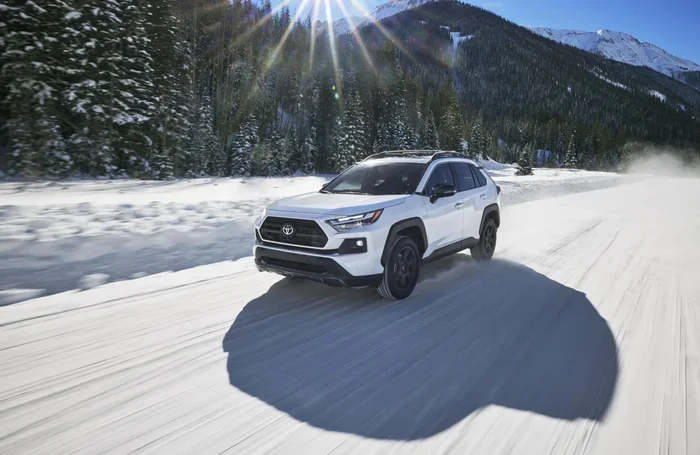
- Toyota RAV4: Toyota’s compact SUV is a major seller. The China-built RAV4 comes with features adapted for local buyers.
- Toyota Harrier: A mid-size SUV popular in China. The Harrier is not sold in most other markets, making it a China-exclusive model.
- Hybrid Models: Toyota has introduced several hybrid vehicles produced in China. These include hybrid versions of the Corolla and Camry.
Toyota also produces engines and components at its China facilities. This vertical integration means parts do not need to be shipped from Japan or other countries. It helps keep costs down and ensures a steady supply chain. For consumers, this translates to more affordable pricing and better availability of parts for service and repairs.
| Factory Location | Joint Venture Partner | Key Models Produced | Annual Capacity (Approx.) |
|---|---|---|---|
| Guangzhou, Guangdong | GAC Toyota | Camry, Corolla, Lexus ES | ~700,000 units |
| Changchun, Jilin | FAW Toyota | Corolla, RAV4, Crown | ~600,000 units |
| Tianjin | FAW Toyota | Corolla, Levin, Wildlander | ~500,000 units |
The table above gives you a snapshot of Toyota’s main production facilities in China. The numbers show just how large the operation is. Millions of vehicles roll off these assembly lines every year, serving both the domestic Chinese market and, in some cases, export markets.
Why Toyota Chose China for Manufacturing
Toyota’s decision to build factories in China was driven by several practical factors. Understanding these reasons helps explain why Toyota’s China operations have grown so extensively over the decades.
Market Size and Demand
China is the world’s largest automobile market. With over 250 million cars on the road, the demand for vehicles is enormous. Toyota recognized this opportunity early. By manufacturing locally, Toyota could capture a significant share of this massive market. Selling imported cars in China comes with high tariffs and taxes. Local production avoids these costs, making Toyota vehicles more competitive on price.
Government Regulations
The Chinese government has long required foreign automakers to form joint ventures with local companies. This policy protects domestic automakers while still allowing foreign brands to access the market. Toyota embraced this model. The joint venture structure gave Toyota a legal pathway to produce and sell vehicles in China. Over time, these partnerships have deepened and expanded.
Supply Chain and Cost Efficiency
Building cars in China gives Toyota access to a vast network of local suppliers. China has a mature automotive supply chain with thousands of component manufacturers. This proximity reduces shipping costs and lead times. It also gives Toyota more control over production quality and timelines. For consumers, this means better prices and more consistent vehicle availability.
Competitive Positioning
Other global automakers have also established factories in China. Volkswagen, General Motors, and Honda all operate major production facilities there. Toyota needed to keep pace with competitors. Local manufacturing ensures Toyota remains competitive in pricing, features, and model variety. It also helps Toyota stay relevant as Chinese consumer preferences evolve rapidly.
How Toyota’s China Operations Affect You as a Consumer
You might wonder why Toyota’s factories in China should matter to you. The answer depends on where you live and what you are looking for in a vehicle. Toyota’s China operations influence several aspects of the car ownership experience.
Pricing and Affordability
Vehicles built in China often come with lower price tags. This is because local production avoids import tariffs and shipping costs. If you are buying a Toyota in China, you benefit from these savings. The competitive pricing makes Toyota models accessible to a wider range of buyers.
Model Availability
China-built Toyota models are not always available in other markets. The Harrier, for example, is a popular SUV in China but is not sold in North America or Europe. Similarly, certain hybrid variants produced in China may never reach other markets. This means your local Toyota dealer might not carry every model Toyota builds in China.
Quality and Standards
Toyota maintains the same quality standards across all its factories worldwide. A Toyota built in China undergoes the same rigorous testing and quality checks as one built in Japan or the United States. You can expect the same reliability and durability regardless of where your Toyota was assembled. This consistency is one of Toyota’s greatest strengths as a global brand.
Technology and Features
Toyota often introduces technologies and features first in China. The Chinese market moves quickly when it comes to adopting new automotive technology. Toyota uses its China factories to test and refine new innovations. Some of these features eventually make their way to global markets, benefiting buyers everywhere.
It is also worth noting that Toyota’s hybrid technology benefits from this approach. Toyota has developed several hybrid models specifically for the Chinese market. These vehicles showcase Toyota’s commitment to electrification and sustainable mobility. You can read more about how Toyota’s hybrid systems work in our article on does AC burn gas in a hybrid car, which explores the efficiency of Toyota’s hybrid systems in detail.
The Future of Toyota Manufacturing in China
Toyota is not slowing down in China. The company continues to invest in new factories and production technologies. The future of Toyota’s China operations focuses on three key areas: electrification, smart manufacturing, and local innovation.
Electrification and Hybrid Expansion
Toyota is expanding its lineup of hybrid and electric vehicles in China. The company has announced plans to introduce more battery-electric models through its China joint ventures. This shift responds to China’s aggressive push toward electric mobility. Government incentives for EVs and growing consumer interest are driving this transformation.
Toyota’s experience with hybrid technology gives it a strong foundation. The company has sold millions of hybrid vehicles worldwide. This expertise positions Toyota well as it enters the fully electric vehicle segment in China. You can learn more about how Toyota hybrids operate in different conditions in our piece on does a hybrid burn gas when idling, which covers real-world hybrid efficiency.
Smart Manufacturing and Industry 4.0
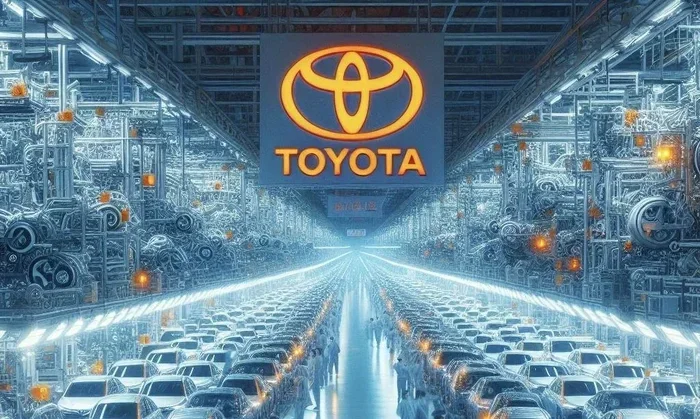
Toyota’s new factories in China incorporate advanced automation and digital technologies. These smart manufacturing systems improve efficiency and quality. Robots handle precise assembly tasks, while AI systems monitor production in real time. This technology reduces defects and speeds up production without sacrificing the craftsmanship Toyota is known for.
Local Innovation and Customization
Toyota is investing more in understanding Chinese consumer preferences. The company conducts extensive research on what Chinese buyers want in a vehicle. This insight drives the design and features of China-specific Toyota models. Local innovation ensures Toyota stays competitive against Chinese domestic brands that are rapidly improving in quality and technology.
Sustainability and Environmental Goals
Toyota has set ambitious environmental goals for its China operations. The company is investing in cleaner manufacturing processes and reducing carbon emissions at its plants. Solar panels and energy-efficient systems are being installed across Toyota’s manufacturing facilities in China. These efforts align with both Toyota’s global sustainability commitments and China’s environmental regulations.
Key Takeaways
Does Toyota have factories in China? Absolutely, and they are a cornerstone of Toyota’s global strategy. Here is what you should remember:
- Toyota operates multiple factories in China through joint ventures with GAC Group and FAW Group.
- The company produces popular models like the Camry, Corolla, RAV4, and Harrier at its China facilities.
- Local manufacturing keeps prices competitive and ensures strong parts availability.
- Toyota maintains the same quality standards in China as it does in every other market.
- The company is investing heavily in electrification and smart manufacturing for its China operations.
- China-built Toyota models sometimes include features and variants not available in other markets.
- Toyota’s hybrid technology benefits from its local production approach in China.
Understanding Toyota’s manufacturing presence in China gives you valuable context as a consumer. It explains pricing, model availability, and the quality you can expect from your Toyota vehicle. Whether you are buying a Toyota in China or simply curious about global automotive production, Toyota’s China story is one of smart strategy and long-term commitment.
The next time you see a Toyota on the road, remember that it might have been built thousands of miles away in one of Toyota’s modern Chinese factories. That global reach is what makes Toyota one of the most trusted and widespread automotive brands in the world. And if you want to explore more about how Toyota’s manufacturing decisions impact vehicle performance, check out our article on does traction control use more gas, which dives into how Toyota’s engineering choices affect fuel efficiency and driving dynamics.
Frequently Asked Questions
Does Toyota Have Factories in China?
Yes, Toyota operates several manufacturing plants in China through joint ventures with local automakers. The most prominent partnerships include Toyota with GAC Group and Toyota with BYD. These facilities produce vehicles specifically designed for the Chinese market and export to other regions as well.
Why Does Toyota Build Cars in China Instead of Exporting From Japan?
Manufacturing vehicles locally helps Toyota avoid high import tariffs and keeps production costs lower. China is the world’s largest automotive market, so having factories there gives Toyota a major competitive advantage. It also allows the company to respond quickly to changing consumer preferences and local regulations.
Which Toyota Models Are Made in China?
Toyota produces a wide range of models in China, including popular sedans like the Corolla and sport utility vehicles like the RAV4. Some China-exclusive models are also built specifically for local buyers through the joint venture partnerships. These locally made vehicles often feature updated designs and technology tailored to Chinese consumers.
Are Toyota Vehicles Made in China the Same Quality as Those Made in Japan?
Toyota maintains strict quality control standards across all its global manufacturing plants, including those in China. The production processes, materials, and inspection protocols follow the same guidelines used in Japan and other countries. However, some buyers still prefer Japanese-built models due to brand perception and long-standing trust in the brand.
How Does Toyota’s Presence in China Affect Its Global Business?
Toyota’s manufacturing operations in China significantly boost its overall sales numbers and market share in Asia. The joint ventures also provide valuable insights into electric vehicle technology and new mobility trends. This presence helps Toyota stay competitive against both local Chinese brands and other global automakers operating in the region.
Will Toyota Continue Expanding Its Factory Operations in China?
Toyota has been investing heavily in China, particularly in electric and hybrid vehicle production through its partnerships. The company sees China as a critical market for its future growth and technology development. Ongoing expansion plans suggest that Toyota’s factory footprint in China will likely grow in the coming years.