Does a Hybrid Burn Gas When Idling In Stop and Go Traffic
So, does a hybrid burn gas when idling? In most cases, the answer is no. Hybrid vehicles use smart technology that shuts off the gas engine during stop and go traffic, letting the electric motor take over. This means less fuel waste, lower emissions, and better fuel economy for everyday drivers.
Key Takeaways
- Hybrids typically shut off their gas engine at idle: Most modern hybrids use an automatic engine stop system that kills the combustion engine when the car is stopped.
- Electric motors handle low-speed driving: At a standstill or in slow traffic, the electric motor powers the car instead of the gas engine.
- Regenerative braking recaptures energy: Every time you slow down in traffic, the hybrid recovers energy that would otherwise be lost as heat.
- Fuel savings can reach 40-50% in city driving: Stop and go conditions are where hybrids outperform traditional gas-powered cars the most.
- Not all hybrids work the same way: Mild hybrids have less idle-stop capability than full or plug-in hybrids.
- Idling elimination reduces emissions significantly: Cutting engine idle time helps hybrid owners lower their carbon footprint.
- Driving habits still matter: Smooth acceleration and gentle braking maximize the fuel-saving benefits of hybrid technology.
📑 Table of Contents
- Does a Hybrid Burn Gas When Idling In Stop and Go Traffic?
- How Hybrid Cars Work at Idle
- The Technology Behind Idle Gas Savings
- Stop and Go Traffic: Where Hybrids Truly Shine
- Does Every Hybrid Turn Off at Idle?
- Tips to Maximize Fuel Savings in Traffic
- Common Myths About Hybrid Idling
- Expert Insights on Hybrid Fuel Efficiency
- Conclusion
Does a Hybrid Burn Gas When Idling In Stop and Go Traffic?
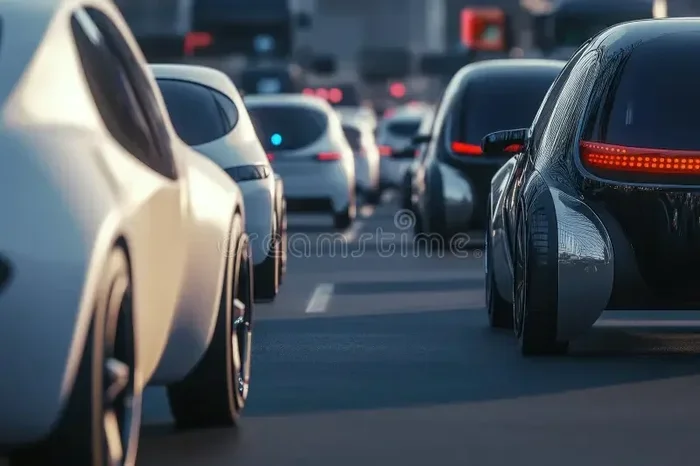
If you have ever sat in bumper-to-bumper traffic and watched your fuel gauge slowly drop, you know how frustrating gas waste can feel. Every minute your car idles, you are literally burning money. Now imagine switching to a hybrid vehicle and realizing the engine just turns itself off. That is the reality for millions of drivers today.
So, does a hybrid burn gas when idling in stop and go traffic? The short answer is no, not in most cases. Hybrid cars use advanced technology to shut down their gas engines when the vehicle is stationary. The electric motor takes over, keeping your car running without using a single drop of gasoline. This is one of the biggest reasons people choose hybrids for city driving.
But there is more to the story than just turning an engine off. The way hybrids manage idle time, recover energy, and optimize fuel use is genuinely fascinating. Whether you are shopping for your first hybrid or simply curious about the technology, this guide covers everything you need to know.
How Hybrid Cars Work at Idle
To understand why hybrids save fuel at idle, you first need to understand what happens under the hood. A hybrid car typically has two power sources: a traditional combustion engine and an electric motor. These two systems work together depending on driving conditions.
The Engine and Motor Team-Up
At highway speeds, the gas engine does most of the heavy lifting. But when you slow down or stop completely, things change fast. The car’s computer senses that the vehicle is no longer moving. It then shuts down the gas engine entirely. The electric motor steps in to handle accessories like air conditioning, power steering, and audio systems.
This process is called automatic engine stop technology. It happens seamlessly. You might not even notice it unless you look at the dashboard. The tachometer drops to zero, and the only sound you hear is the quiet hum of the electric system.
What Happens When the Car Is Fully Stopped
When you are sitting at a red light or stuck in stop and go traffic, the gas engine remains off. The car runs entirely on battery power for all secondary systems. If the battery charge gets low, the engine kicks back on briefly to recharge it. But this only happens when absolutely necessary.
Here is what typically happens at a complete stop:
- The gas engine shuts off within seconds of the car stopping.
- The electric motor powers all cabin systems.
- The transmission goes into neutral or idle mode.
- The car stays ready to accelerate the moment you release the brake.
- Regenerative braking captures energy whenever you slow down.
That last point is huge. Regenerative braking is one of the smartest features in hybrid technology. Every time you brake or coast to a stop, the electric motor acts as a generator. It converts the car’s forward motion into electricity stored in the battery. That energy gets used later to power the car. It is a loop that saves fuel constantly.
The Technology Behind Idle Gas Savings
The fuel savings that hybrids offer at idle do not happen by accident. There is sophisticated engineering working behind the scenes. Let us break down the key technologies that make this possible.
Smart Hybrid Control Systems
Every hybrid has a central computer often called the smart hybrid system. This computer monitors speed, throttle input, battery charge, and traffic conditions in real time. It decides when to switch between the gas engine and electric motor. The transitions happen so fast that drivers barely notice them.
For example, when you hit the brakes in traffic, the system immediately starts shutting down the engine. When you press the accelerator to move forward, the electric motor fires up first. The gas engine only joins when more power is needed. This whole cycle takes less than a second.
Electric Motor at Low Speeds
Another reason hybrids do not burn gas at idle relates to how the electric motor operates. The electric motor produces maximum torque from zero RPM. That means it can move the car on its own without any help from the gas engine. At low speeds and during stops, the electric motor is more than capable of handling everything.
This is especially useful in city driving where speeds are low and stops are frequent. The gas engine simply is not needed during these conditions. Running it would just waste fuel and add unnecessary emissions.
Advanced Battery Technology
Modern hybrid batteries are built for efficiency. They store energy from regenerative braking and deliver it to the electric motor when needed. These batteries are designed to handle thousands of charge and discharge cycles. They also have smart thermal management systems that keep them running at optimal temperatures.
Here is a quick look at how different hybrid types handle idle situations:
| Hybrid Type | Idle Engine Off? | Electric-Only Range | Fuel Savings at Idle |
|---|---|---|---|
| Mild Hybrid | Partial | Very Limited | Low to Moderate |
| Full Hybrid | Yes | Short Bursts | High |
| Plug-In Hybrid | Yes | 20-60 Miles | Very High |
As you can see, the type of hybrid matters. Full hybrids and plug-in hybrids offer the best idle fuel savings. Mild hybrids provide some benefits but do not shut off the engine as completely.
Stop and Go Traffic: Where Hybrids Truly Shine
If you live in a busy city with lots of congestion, a hybrid is practically made for you. Stop and go traffic is the exact scenario where hybrids outperform traditional gas-powered cars. Here is why.
Fuel Economy in City Conditions
Traditional cars lose fuel efficiency in the city. Every stoplight means wasted fuel as the engine idles. Stop and go traffic multiplies those losses. A standard sedan might waste a significant amount of fuel during a 30-minute commute in heavy traffic.
Hybrids avoid this entirely. Because the engine shuts off at every stop, fuel consumption drops dramatically. Some hybrid owners report fuel economy improvements of 40 to 50 percent in city driving compared to highway driving. That is a massive difference.
Consider this comparison:
- A gas-only sedan might get 25 MPG in the city.
- A hybrid version of the same car could get 45 to 55 MPG in the city.
- That difference saves real money over time.
Reduced Emissions in Congested Areas
Idling engines produce harmful emissions. Carbon monoxide, nitrogen oxides, and particulate matter all come out of a running tailpipe. In congested areas, these pollutants build up quickly. They contribute to smog and poor air quality.
Hybrids help solve this problem. When the gas engine is off, there are zero tailpipe emissions. Multiply that by hundreds of stops during a daily commute, and the impact adds up. Emissions reduction is one of the biggest environmental benefits of hybrid technology.
Less Wear on Engine Parts
Here is something that many people overlook. An idling engine still experiences wear and tear. Pistons move, lubricants circulate, and internal temperatures rise. All of this adds mileage to engine components even though the car is not going anywhere.
Hybrids reduce this wear significantly. By shutting off the engine during idle periods, the system protects internal parts from unnecessary stress. Over time, this can lead to lower maintenance costs and a longer-lasting engine.
Does Every Hybrid Turn Off at Idle?
This is a common question, and the answer is not a simple yes or no. While most hybrids do shut off the engine at idle, the specifics depend on the type of hybrid and the manufacturer’s design choices.
Full Hybrids
Full hybrids like the Toyota Prius are the gold standard for idle fuel savings. These cars shut off the gas engine whenever the car comes to a complete stop. The electric motor handles everything from there. The engine fires back up instantly when you need to accelerate. Drivers of full hybrids rarely notice the transitions at all.
Plug-In Hybrids
Plug-in hybrids offer even more flexibility. They have larger batteries that can be charged from an outlet. In many cases, short commutes can be done entirely on electric power. The gas engine only turns on for longer trips or when the battery runs low. At idle, these cars behave just like full hybrids and shut the engine off completely.
Mild Hybrids
Mild hybrids are a bit different. They have smaller electric motors that assist the gas engine but cannot power the car on their own. The engine idle stop feature may or may not be present depending on the model. Some mild hybrids do shut off the engine at idle, while others keep it running. The fuel savings are typically more modest compared to full hybrids.
Start-Stop Systems vs. Hybrid Idle Shutdown
It is worth noting that some non-hybrid cars also have start-stop systems. These systems shut off the engine at idle to save fuel. However, they are not the same as hybrid idle shutdown systems. Start-stop systems in regular cars rely solely on a stronger battery and starter motor. They do not have the benefit of regenerative braking or electric motor power. Hybrid systems are more integrated, smarter, and more effective overall.
Tips to Maximize Fuel Savings in Traffic
Owning a hybrid is one thing. Getting the most out of it is another. Your driving habits play a big role in how much fuel you actually save. Here are some practical tips to squeeze every last drop of efficiency from your hybrid in stop and go traffic.
1. Use Gentle Braking
Hard braking wastes the energy that regenerative braking could have captured. Try to brake early and gradually. This gives the system more time to recover energy and store it in the battery. Smooth braking also reduces wear on your brake pads.
2. Keep a Safe Following Distance
Tailgating forces you to brake hard and often. A safe following distance lets you coast and brake gently. It also keeps the regenerative braking system working at its best. This simple habit can noticeably improve your fuel economy over time.
3. Avoid Overusing Climate Control
Air conditioning puts extra load on the electric system. At idle, the system runs on battery power. Heavy AC use can drain the battery faster, forcing the gas engine to kick on sooner. Try using the recirculate setting and a moderate fan speed instead. This keeps the battery happy and the engine off longer.
4. Keep Your Battery Healthy
Hybrid batteries are built to last, but they still need some care. Avoid deep discharges and keep your driving habits varied. Short trips with lots of stopping and starting are actually great for hybrid batteries because they keep the charge cycle active. If you notice a drop in fuel efficiency, it might be time for a battery check.
5. Plan Your Routes
Less traffic means fewer stops and less idling. Even with a hybrid, choosing a slightly longer route with lighter traffic can sometimes get you better fuel economy. Use real-time traffic apps to find the smoothest route during peak hours.
Common Myths About Hybrid Idling
There are a lot of misconceptions about how hybrids behave at idle. Let us clear up a few of the most common ones.
Myth 1: Hybrids Waste Battery Power at Idle
This is not true. Hybrids are designed to use minimal power at idle. The electric motor only runs what is needed for cabin systems. The battery drain at a standstill is very low. Most hybrids can sit idle for extended periods without any significant battery loss.
Myth 2: The Engine Restarts Are Bad for the Car
Many people worry that frequent engine restarts will damage the starter motor or engine. Hybrid systems are engineered for thousands of restart cycles. The starter motor in a hybrid is much more robust than a standard car’s. Manufacturers test these systems extensively before releasing them. You do not need to worry about premature wear from idle restarts.
Myth 3: All Hybrids Are the Same
As we discussed earlier, hybrid types vary widely. A mild hybrid will not save as much fuel at idle as a full hybrid or plug-in hybrid. Always research the specific model you are interested in. Look at real-world fuel economy data and idle behavior reviews before making a decision.
Myth 4: Hybrid Idling Technology Only Works in Traffic
While traffic is the most common scenario, idle shutdown can also occur in other situations. Some hybrids shut off the engine at long drive-throughs, train crossings, or when parked with the engine running. The system is always looking for opportunities to save fuel. It is not limited to stop and go traffic alone.
Expert Insights on Hybrid Fuel Efficiency
Automotive engineers consistently point to city driving as the biggest advantage of hybrid technology. Dr. John Heywood, a well-known expert in vehicle propulsion, has noted that the overlap between electric motor efficiency and low-speed driving conditions is where hybrids truly excel. The combustion engine is simply not efficient at low speeds and idle conditions. Removing it from the equation during those times makes perfect sense from an engineering perspective.
Industry data backs this up. Studies show that hybrid vehicles see the greatest fuel savings in urban environments. The EPA reports that many hybrid models achieve significantly higher MPG ratings in city driving than on the highway. This is the opposite of gas-only cars, which typically perform better at higher speeds. That reversal is a direct result of idle shutdown and regenerative braking technology.
For everyday drivers, the practical takeaway is clear. If your daily commute involves heavy traffic, stop lights, and urban congestion, a hybrid can make a noticeable difference on your fuel bill. The technology is proven, reliable, and continuously improving.
Conclusion
So, does a hybrid burn gas when idling in stop and go traffic? For most hybrid vehicles, the answer is a clear no. The engine shuts down automatically, the electric motor takes over, and fuel consumption drops to zero during those stopped moments. Add in the benefits of regenerative braking, smart control systems, and reduced emissions, and hybrids offer a compelling case for city drivers.
The technology is not perfect. Mild hybrids offer fewer savings, and driving habits still play a role. But overall, the idle fuel savings alone make hybrids worth considering for anyone dealing with daily traffic. Whether you drive a full hybrid, a plug-in, or a mild hybrid, you are already doing better than a traditional gas-only car when it comes to wasting fuel at stops.
If you have been on the fence about going hybrid, let the idle fuel savings tip the scales. Less gas burned, fewer emissions released, and a smoother driving experience. That is a win for your wallet, your car, and the environment.
Frequently Asked Questions
How long can a hybrid sit idle with the engine off?
Most hybrids can sit idle with the engine off for several hours without any issues. The electric system handles all cabin power needs. If the battery charge drops too low, the gas engine will automatically restart to recharge it. Some owners report leaving their hybrids idling in drive-throughs for 30 to 45 minutes with the engine staying off entirely.
Does a hybrid idle worse than a gas car in terms of engine wear?
No, hybrids actually experience less engine wear overall. Because the engine shuts off during idle, it spends less time running under conditions that cause buildup and stress. The restart mechanism in hybrids is built for frequent use and is not a concern for longevity. Many hybrid owners go well beyond 200,000 miles with minimal engine issues.
Do all hybrids have automatic engine shutoff at red lights?
Most full hybrids and plug-in hybrids do shut off the engine at red lights and stop signs. Mild hybrids may or may not have this feature depending on the make and model. If automatic engine shutoff is important to you, look for a full hybrid or check the specific features list before purchasing. Toyota, Honda, and Hyundai hybrids generally include this feature across their lineup.
Can I turn off the idle stop feature on my hybrid?
Some hybrids allow you to disable the automatic engine stop feature, but it is usually not recommended. Disabling it means you lose the idle fuel savings and the emissions benefits. If you find the restarts too noisy or disruptive, most systems allow you to adjust settings within limits. However, leaving the feature active gives you the best fuel economy and performance.
Is a hybrid worth it just for stop and go traffic?
Yes, stop and go traffic is exactly where hybrids save the most fuel. If your daily driving involves heavy city congestion, a hybrid can save you a significant amount on gas. The idle shutdown feature alone makes a noticeable difference. Add in regenerative braking and better low-speed efficiency, and the savings compound over time. Many owners report paying off the hybrid premium within a few years purely from fuel savings in city conditions.
What is the difference between regenerative braking and idle shutdown?
Regenerative braking captures energy when you slow down or brake and stores it in the battery. Idle shutdown turns off the gas engine when the car is completely stopped. Both systems work together to save fuel. Regenerative braking recovers energy during motion, while idle shutdown eliminates fuel waste during stops. Together, they form the core of hybrid fuel efficiency technology.