Do Toyota Corollas Have Rear Brakes and Why It Matters
Yes, Toyota Corollas have rear brakes, and they play a critical role in safe stopping and overall brake health. Most modern Corollas use rear disc brakes, while older models may have rear drum brakes. Understanding your rear brake setup helps you maintain safety, save money, and avoid costly repairs down the road.
This is a comprehensive guide about Do Toyota Corollas Have Rear Brakes.
Key Takeaways
- Toyota Corollas do have rear brakes: They are essential to the vehicle’s overall braking system and stopping power.
- Rear disc brakes are standard on modern models: Most recent Corolla generations use disc brakes on all four wheels for better performance.
- Older models may use drum brakes: Some earlier Corollas featured rear drum brakes, which are cheaper but require different maintenance.
- Rear brake pads wear differently than front: Front brakes handle more stopping force, so rear pads typically last longer.
- Regular brake inspections matter: Catching worn brakes early saves you money and keeps you safe on the road.
- Brake maintenance costs vary: Knowing your brake type helps you budget for pad replacements, rotor work, and fluid changes.
- Safety depends on all four brakes: A fully functioning rear brake system reduces stopping distance and prevents accidents.
[FEATURED_IMAGE_PLACEHOLDER]
Do Toyota Corollas Have Rear Brakes and Why It Matters
Every time you press the brake pedal, a complex system springs into action to bring your car to a safe stop. But have you ever wondered what’s happening at the back wheels? Do Toyota Corollas have rear brakes? The answer is a firm yes, and understanding how they work can make a real difference in how you care for your car.
Toyota Corollas are among the best-selling cars in the world. They are known for reliability, fuel efficiency, and smart engineering. But even the best car needs a solid braking system to keep you safe. Rear brakes are a vital part of that system, and many drivers overlook them until something goes wrong.
In this article, we will break down everything you need to know about the rear brakes on a Toyota Corolla. We will cover the types of brakes used, how they work, why they matter, and what you can do to keep them in top shape. Whether you own a Corolla or are thinking about buying one, this guide will give you practical knowledge you can use right away.
Brake safety is not something to take lightly. Your car’s ability to stop quickly and reliably depends on all four wheels working together. Let us dive into the details of the Toyota Corolla rear brake system and why it deserves your attention.
What Type of Rear Brakes Do Toyota Corollas Use
Toyota has used different brake setups on the Corolla over the years. The type of rear brake depends on the model year, trim level, and generation. Let us look at the two main types you will find.
Rear Disc Brakes on Modern Corollas
Most Toyota Corollas made in the last 15 or so years come with rear disc brakes. A disc brake works like this: a metal rotor sits inside the wheel, and a brake caliper squeezes brake pads against the rotor when you press the pedal. This creates friction that slows the car down.
Disc brakes offer several advantages. They perform well in wet conditions. They cool down faster after heavy use. And they are easier to inspect than drum brakes. If you drive a Corolla from the 2008 model year or newer, there is a very good chance you have rear disc brakes.
Rear Drum Brakes on Older Corollas
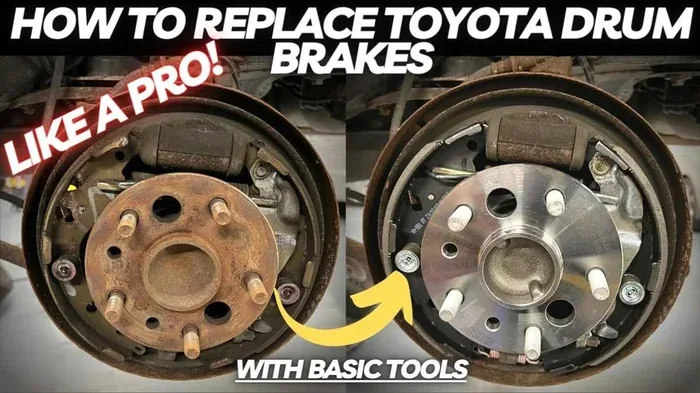
Older Toyota Corollas, especially those from the 1990s and early 2000s, sometimes used rear drum brakes. Instead of a rotor and caliper, drum brakes use a round drum that spins with the wheel. Inside the drum, brake shoes press outward against the drum’s inner surface to create friction.
Drum brakes are simpler in design and cost less to manufacture. They also last a long time in certain driving conditions. However, they can fade under heavy use and are harder to service than disc brakes. If you own a classic Corolla, there is a good chance the rear wheels use drum brakes.
How to Tell Which Type Your Corolla Has
Wondering what your Corolla has? Look through the spokes of your rear wheels. If you see a flat, round metal disc (the rotor) and a clamp-like caliper, you have disc brakes. If you see a round, hollow drum shape, you have drum brakes. You can also check your owner’s manual, which will list the brake type for each wheel.
Why Rear Brakes Matter for Safety
It is easy to focus on the front brakes because they do the heavy lifting. But your rear brakes are just as important for safe driving. Here is why they matter so much.
Rear Brakes Share the Stopping Load
When you hit the brakes, your car’s weight shifts forward. This means the front brakes handle a larger share of the stopping force. But that does not mean the rear brakes are unimportant. They still provide roughly 30 to 40 percent of your total braking power. Without working rear brakes, your stopping distance increases significantly, especially on wet or icy roads.
Rear Brakes Help with Stability
Your rear brakes help keep the car stable during hard stops. They prevent the rear end from sliding or fishtailing. This is especially important when you are braking suddenly or driving on uneven surfaces. Brake balance between the front and rear wheels is key to maintaining control.
Worn Rear Brakes Are Dangerous
Driving with worn rear brakes is risky. You might notice longer stopping distances, a pulling sensation to one side, or a grinding noise. Ignoring these signs can lead to complete brake failure. Regular brake inspections can catch problems early and keep you and your passengers safe.
How the Toyota Corolla Braking System Works
Understanding how your braking system works helps you appreciate why every component matters. Let us walk through the process step by step.
From Pedal to Pads
When you press the brake pedal, you push a piston in the master cylinder. This sends brake fluid through lines to each wheel. At the rear wheels, the fluid pushes the caliper (for disc brakes) or the wheel cylinder (for drum brakes). This forces the brake pads or shoes against the rotor or drum, creating friction that slows the car.
It all happens in a fraction of a second. The entire system relies on clean fluid, healthy lines, and properly functioning components at every wheel.
The Role of Brake Pads and Rotors
Brake pads are the soft, friction material that presses against the rotor. Over time, they wear down and need replacement. Brake rotors are the metal discs that the pads clamp onto. Both parts work together to convert your car’s motion into heat, which is what slows you down.
On a Toyota Corolla, rear brake pads typically last longer than front pads because the front wheels handle more of the stopping force. Still, they wear out over time and need attention.
Brake Fluid and Its Importance
Brake fluid is the hydraulic lifeline of your braking system. It transfers the force from your foot to the brakes at each wheel. Over time, brake fluid can absorb moisture, which reduces its effectiveness. The Toyota Corolla maintenance schedule recommends checking and replacing brake fluid periodically to keep the system working at its best.
Common Rear Brake Problems on Toyota Corollas
Even reliable cars can develop brake issues over time. Here are the most common problems Corolla owners face with their rear brakes.
Worn Brake Pads
Brake pads wear down naturally with use. Signs of worn rear pads include a squealing or grinding noise, longer stopping distances, and a brake warning light on the dashboard. Most Toyota Corolla rear brake pads last between 30,000 and 70,000 miles, depending on driving habits and conditions.
Warped Brake Rotors
Rear brake rotors can warp from excessive heat or hard braking. A warped rotor causes vibrations when you apply the brakes. This feels like a pulsing sensation through the brake pedal. Warped rotors need to be resurfaced or replaced to restore smooth braking.
Stuck Brake Calipers
A stuck caliper can cause uneven brake pad wear and pulling to one side. If your Corolla drifts to one side when you brake, a stuck caliper could be the culprit. This issue is more common on older models with higher mileage.
Drum Brake Issues on Older Models
If your older Corolla has rear drum brakes, common problems include worn brake shoes, stuck wheel cylinders, and warped drums. Drum brakes also need regular adjustment to maintain proper clearance. Ignoring these issues can reduce braking performance and lead to more expensive repairs.
Brake Fluid Leaks
A brake fluid leak is a serious concern. You might notice a soft or spongy brake pedal, or you may see fluid pooling near the rear wheels. Brake fluid leaks reduce hydraulic pressure and can compromise your ability to stop. If you suspect a leak, get your car inspected immediately.
Toyota Corolla Brake Maintenance Tips
Keeping your rear brakes in great shape does not have to be complicated. A few simple habits can extend the life of your brakes and keep you safe. Here are practical tips every Corolla owner should follow.
Inspect Your Brakes Regularly
Have a mechanic check your rear brakes at every oil change or at least twice a year. They can measure pad thickness, inspect rotors, and check fluid levels. Catching small issues early prevents bigger problems and saves you money on brake pad replacement cost down the road.
Listen for Warning Sounds
Your brakes often tell you when something is wrong. A high-pitched squeal usually means the pads are getting thin. A grinding noise suggests the pads are worn down to metal and the rotors may be damaged. Do not ignore these sounds. Address them quickly to avoid more expensive repairs.
Drive Smoothly
Aggressive driving wears out brakes faster. Hard braking generates excessive heat and accelerates pad wear. Try to anticipate stops and ease off the gas early. This simple habit reduces strain on your braking system and helps your brakes last longer.
Keep Brake Fluid Fresh
Replace your brake fluid according to the maintenance schedule in your owner’s manual. Fresh fluid ensures proper hydraulic pressure and keeps internal components from corroding. This is one of the easiest and most overlooked maintenance tasks for Corolla owners.
Avoid Overloading Your Vehicle
Carrying heavy loads puts extra stress on your brakes. If you frequently haul heavy items, your rear brakes may wear faster. Consider upgrading to high-performance pads or rotors if you regularly carry heavy loads in your Corolla.
Use Quality Brake Parts
When it is time to replace brake components, choose quality parts. OEM (original equipment manufacturer) Toyota parts are designed specifically for your Corolla. Aftermarket parts can also be good, but make sure they meet or exceed OEM standards. Using cheap, low-quality parts can compromise your brake safety.
How Much Does Rear Brake Service Cost for a Toyota Corolla
Cost is always a factor when it comes to brake maintenance. Here is a general breakdown of what you can expect for rear brake service on a Toyota Corolla.
Brake Pad Replacement
Replacing rear brake pads on a Corolla typically costs between $150 and $300 for parts and labor. If you have disc brakes, the job is straightforward and takes about an hour. If you have drum brakes, the process takes a bit longer due to the additional components involved.
Rotor Replacement or Resurfacing
If your rear rotors need replacing, you can expect to pay an additional $100 to $200 per rotor for parts and labor. Resurfacing is a cheaper option when the rotor is still thick enough but has minor warping. Resurfacing usually costs around $50 to $100 per rotor.
Brake Fluid Change
A brake fluid change for a Corolla is relatively affordable, typically costing between $70 and $120. This is a quick service that makes a big difference in system performance and longevity.
Caliper or Wheel Cylinder Replacement
If a rear caliper or wheel cylinder fails, the repair cost is higher. Caliper replacement can range from $200 to $400, while wheel cylinder replacement runs between $150 and $300. These repairs are more involved but essential for safe operation.
| Service | Estimated Cost Range |
|---|---|
| Rear Brake Pad Replacement | $150 – $300 |
| Rear Rotor Resurfacing | $50 – $100 per rotor |
| Rear Rotor Replacement | $100 – $200 per rotor |
| Brake Fluid Change | $70 – $120 |
| Rear Caliper Replacement | $200 – $400 |
| Rear Wheel Cylinder Replacement | $150 – $300 |
Keep in mind that these are estimates. Actual costs vary based on your location, the mechanic’s labor rates, and the specific Corolla model you own. If you want to save money, some of these services can be done at home if you have basic mechanical skills and the right tools.
How to Know When Your Rear Brakes Need Attention
Your Toyota Corolla gives you signals when the rear brakes need care. Learning to recognize these signs can prevent serious problems and keep your car running safely.
- Squealing or squeaking noises when you apply the brakes
- Grinding sounds that indicate pads are worn down to metal
- Vibrations or pulsing in the brake pedal
- Pulling to one side when braking
- Longer stopping distances than usual
- Brake warning light illuminated on the dashboard
- Soft or spongy brake pedal that feels different from normal
- Fluid leaks near the rear wheels
If you notice any of these signs, do not wait. Schedule a brake inspection as soon as possible. Addressing brake problems early keeps repair costs lower and ensures your safety on the road.
Expert Insights on Toyota Corolla Brake Care
Experienced mechanics and Toyota specialists agree on a few key points about caring for your Corolla’s rear brakes. First, do not neglect the rear brakes just because they wear slower than the fronts. Second, always replace brake fluid on schedule. Third, choose a trusted mechanic who knows Toyota vehicles well. If you are wondering about overall maintenance costs, understanding what auto mechanics charge can help you budget for quality service without overpaying.
Another important tip is to break in new brake pads properly after replacement. This means avoiding hard braking for the first 200 to 300 miles. Gentle braking allows the pads to seat evenly against the rotors, which extends their life and improves performance.
Toyota Corollas are known for their long lifespan. If you want to learn more about how Japanese cars compare in terms of durability, check out our comparison of Japanese and American car longevity. Proper brake maintenance plays a big role in keeping your Corolla on the road for years to come.
When it comes to driving habits, using cruise control on highways can actually reduce brake wear by maintaining a steady speed. To learn more about when and how to use cruise control effectively, read our guide on setting cruise control while driving. Smarter driving habits lead to less brake stress and lower maintenance costs over time.
Key Takeaways
- Toyota Corollas do have rear brakes: They are an essential part of the braking system and contribute significantly to stopping power and safety.
- Modern Corollas use rear disc brakes: These offer better performance, cooling, and ease of inspection compared to older drum brake designs.
- Older models may have rear drum brakes: They are simpler and cheaper but require different maintenance approaches.
- Rear brake pads last longer than front pads: The front brakes handle most of the stopping force, but rear pads still wear out and need replacement.
- Regular inspections are critical: Catching brake problems early saves money and prevents dangerous situations on the road.
- Brake maintenance costs are manageable: Routine pad replacements and fluid changes are affordable and keep the system working reliably.
- Your driving habits affect brake life: Smooth driving, proper break-in of new pads, and avoiding overloading all help your brakes last longer.
Conclusion
Do Toyota Corollas have rear brakes? Absolutely, and they are a vital part of what makes this popular car safe and reliable. Whether your Corolla has rear disc brakes or rear drum brakes, understanding how the system works empowers you to take better care of your vehicle.
Regular maintenance, smart driving habits, and prompt attention to warning signs go a long way in keeping your brakes in top condition. The rear brakes may not get as much attention as the front, but they deserve your care and respect. A well-maintained braking system means shorter stopping distances, better stability, and peace of mind every time you get behind the wheel.
If you are shopping for a Toyota Corolla or already own one, make brake safety a priority. Stay on top of inspections, replace parts when needed, and never ignore the warning signs your car gives you. Your rear brakes work hard for you every day, and a little attention goes a long way in keeping them strong for miles to come.
For more information about Toyota ownership costs and what to expect when buying a used vehicle, learn about how car salesmen are paid and how that knowledge can help you negotiate better deals. Staying informed makes you a smarter car owner and keeps your Corolla running at its best.
FAQs
Do all Toyota Corolla models have rear disc brakes?
Most modern Toyota Corollas use rear disc brakes, but some older models and certain trim levels may have rear drum brakes. Check your owner’s manual or look through the rear wheel spokes to confirm which type your specific model has.
How often should I replace my Toyota Corolla rear brake pads?
Rear brake pads on a Toyota Corolla typically last between 30,000 and 70,000 miles. Driving habits, road conditions, and the type of pads you use all affect how long they last. Regular inspections help you catch wear early.
Can I drive my Toyota Corolla with worn rear brakes?
No, driving with worn rear brakes is unsafe. It increases stopping distance, reduces braking stability, and can cause further damage to rotors or drums. Replace worn brake components as soon as possible.
Are rear drum brakes on older Corollas less safe than disc brakes?
Drum brakes are not inherently unsafe, but they do have limitations. They can fade under heavy use and are harder to inspect and service. Modern disc brakes offer better performance and cooling, but well-maintained drum brakes still provide reliable stopping power.
What is the average cost to service rear brakes on a Toyota Corolla?
Rear brake pad replacement typically costs $150 to $300. Rotor resurfacing or replacement adds $50 to $200 per rotor. Brake fluid changes run around $70 to $120. Actual costs depend on your location and the specific repair needed.
How can I make my Toyota Corolla rear brakes last longer?
Drive smoothly, avoid hard braking, keep brake fluid fresh, and have your brakes inspected regularly. Avoid overloading your vehicle and always replace worn components promptly. These simple habits can significantly extend the life of your rear brakes.
Frequently Asked Questions
What is Do Toyota Corollas Have Rear Brakes?
Do Toyota Corollas Have Rear Brakes is an important topic with many practical applications.