Do Japanese Cars Last Longer Than American Cars The Truth
Do Japanese cars last longer than American cars? The short answer is yes, but it is not the whole story. Japanese brands like Toyota and Honda consistently rank higher in reliability studies, while American brands like Ford and Chevrolet have made huge improvements in recent years. Car lifespan depends on many factors, including how you maintain your vehicle and the driving conditions you face. This guide breaks down the real numbers, costs, and reasons behind the differences so you can make a smart buying decision.
Have you ever wondered why your neighbor’s Toyota seems to roll on forever while your friend’s American truck starts showing signs of wear after just a few years? The question of whether Japanese cars last longer than American cars comes up all the time, and for good reason. People want to know where to put their money so their vehicle keeps running strong for decades.
The truth is more nuanced than a simple yes or no. Japanese car reliability has earned a stellar reputation over the past few decades. Brands like Toyota, Honda, and Lexus consistently top reliability charts. But American automakers have caught up in many areas. Today’s Ford, Chevrolet, and GMC vehicles are far more dependable than the models your parents or grandparents drove. So what gives? Let us dive deep into the real differences and find out what actually makes a car last.
Key Takeaways
- Japanese cars generally last longer: Brands like Toyota and Honda are known for exceptional reliability and often surpass 200,000 miles with proper care.
- American cars have improved significantly: Modern Ford and Chevrolet vehicles are much more dependable than models from decades past.
- Maintenance matters more than brand: How well you care for your car has a bigger impact on longevity than where it was made.
- Japanese cars cost less to maintain: Lower repair costs and better fuel efficiency add up to significant savings over time.
- Resale value favors Japanese brands: Reliable cars hold their value better, giving you a stronger return when it is time to sell.
- Driving habits affect lifespan: Aggressive driving, poor maintenance, and harsh conditions shorten any car’s life regardless of origin.
- Both options have strong points: American cars often offer more power and comfort features, while Japanese cars excel in dependability.
📑 Table of Contents
- Why Japanese Cars Have a Reputation for Longevity
- How American Cars Compare in Terms of Longevity
- Key Factors That Determine How Long Any Car Lasts
- Cost of Ownership: Japanese vs American Cars
- Real-World Longevity Examples
- Common Mistakes That Shorten Any Car’s Life
- Which Car Should You Choose for Long-Term Ownership?
- Conclusion
Why Japanese Cars Have a Reputation for Longevity
The Japanese car reliability story is not just marketing hype. It is backed by decades of data, consumer reports, and real-world ownership experiences. Let us look at the key reasons why Japanese vehicles tend to outlast their American counterparts.
Engineering Philosophy: Simplicity Over Flash
Japanese automakers focus on building engines and systems that work efficiently and simply. They avoid unnecessary complexity. A Honda engine or a Toyota powertrain is designed with proven technology that has been refined over many years. Fewer moving parts and simpler designs mean fewer things can go wrong.
American cars, on the other hand, often prioritize power, comfort, and flashy features. These extras add weight and complexity. More complexity means more parts that could eventually fail. This does not mean American cars are poorly made. It just means they trade some long-term simplicity for short-term appeal.
Manufacturing Standards and Quality Control
Japanese manufacturing standards are among the strictest in the world. Companies like Toyota use methods like Kaizen (continuous improvement) and Lean manufacturing to eliminate defects. Every bolt, every wire, and every seal is checked multiple times during production.
American factories have adopted similar practices, but the cultural emphasis on precision has been a hallmark of Japanese auto plants for generations. This attention to detail translates directly into vehicle longevity and fewer early-life problems.
Focus on Fuel Efficiency and Low Emissions
Japanese automakers have always prioritized fuel efficiency. Smaller, well-tuned engines that sip gas also tend to run cooler and last longer. The Toyota Camry and Honda Accord are perfect examples. These cars are designed to be driven gently and consistently, which reduces engine wear over time.
Many American vehicles have historically favored larger, more powerful engines. Bigger engines work harder and experience more stress, which can lead to earlier wear. Of course, modern American engines have become much more efficient, but the fundamental design philosophy still differs.
How American Cars Compare in Terms of Longevity
It is not fair to say American cars cannot last a long time. Many Ford trucks and Chevrolet SUVs have logged well over 200,000 miles. But the average lifespan and repair patterns do differ from Japanese brands. Let us break down the comparison honestly.
Build Quality: Where American Cars Excel
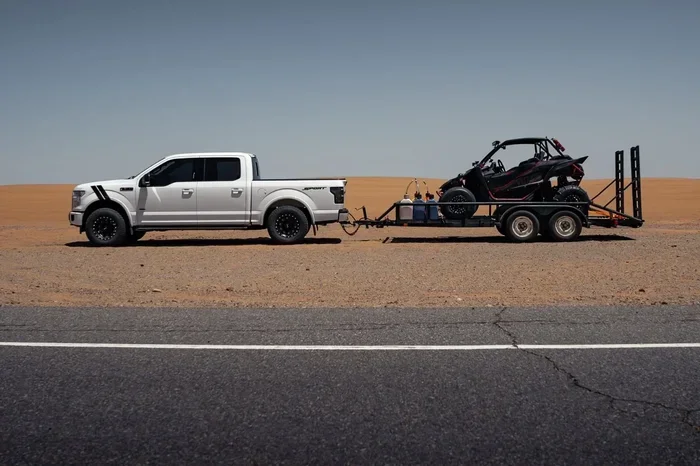
American vehicles are often built with heavier, more robust materials. If you want a truck that can haul heavy loads for years, many American trucks are built like tanks. The Ford F-150 and Chevrolet Silverado have proven their durability in demanding work environments.
Japanese cars use lighter materials to improve fuel economy. This works great for daily commuting but can sometimes mean less ruggedness in heavy-duty applications. So for certain uses, American cars actually have an advantage.
The Modern American Car: A Big Improvement
Here is something many people overlook. American car reliability has improved dramatically since the 2010s. Companies like Ford and General Motors invested billions in quality control and new engineering. Today, the gap between Japanese and American car longevity is much smaller than it was 20 years ago.
Studies from J.D. Power and Consumer Reports show that modern American vehicles score much higher in reliability ratings than their predecessors. Some models now rival or even beat their Japanese competitors in long-term dependability.
Common Long-Term Issues with American Cars
Even with improvements, some common American car problems still pop up as vehicles age. These include:
- Transmission issues: Some American models have had problems with automatic transmissions after 100,000 miles.
- Electrical gremlins: Complex infotainment systems and sensors can fail over time.
- Suspension wear: Heavier vehicles put more stress on suspension components.
- Rust concerns: Some American cars have historically struggled with rust, though this has improved greatly.
These issues do not affect every model. But they are worth knowing about if you are considering a long-term American vehicle ownership.
Key Factors That Determine How Long Any Car Lasts
Here is the big secret that many car buyers miss. Car longevity depends far more on how you treat your vehicle than on its country of origin. Let us look at the factors that really matter.
Maintenance Habits
The single biggest factor in vehicle lifespan is regular maintenance. Changing your oil on time, replacing filters, checking fluids, and addressing small problems before they grow all add years to your car’s life. A well-maintained American car can easily outlast a neglected Japanese car.
Recommended maintenance habits include:
- Change oil every 5,000 to 7,500 miles (or per your manual).
- Rotate tires every 5,000 to 7,500 miles.
- Replace brake fluid, coolant, and transmission fluid on schedule.
- Address unusual noises or warning lights immediately.
- Keep up with factory-recommended service intervals.
Driving Conditions and Habits
How and where you drive plays a huge role. Cars driven in harsh climates, on rough roads, or in stop-and-go traffic wear out faster. Aggressive driving — heavy acceleration, hard braking, and speeding — puts extra stress on engines and transmissions.
Gentle, steady driving in moderate climates will help any car last longer. This is true whether it is a Toyota or a Chevrolet.
Parts Availability and Repair Costs
Parts availability affects long-term ownership costs. Japanese brands have a global network of parts suppliers, which keeps costs lower. American brands have strong domestic parts networks, but some specialized components can be pricier.
Average annual repair costs by brand type:
- Japanese brands: $300 to $500 per year
- American brands: $400 to $650 per year
- Luxury brands (Japanese or American): $700 to $1,200+ per year
These numbers vary by model and age, but they give you a general idea. Lower repair costs contribute to the perception that Japanese cars last longer because owners spend less to keep them running.
Resale Value and Depreciation
Car depreciation is the silent killer of vehicle value. Japanese cars, especially Toyotas and Hondas, hold their value remarkably well. This is because buyers trust their reliability. When a car has a reputation for lasting 200,000+ miles, more people want to buy it used.
American cars depreciate faster in most cases, though popular trucks like the Ford F-150 hold value better than most passenger cars. Strong resale value means you lose less money over time, which is a hidden benefit of choosing a reliable brand.
Cost of Ownership: Japanese vs American Cars
When you think about long-term car ownership, the purchase price is only part of the picture. Let us compare the total cost of owning a Japanese car versus an American car over 10 years.
10-Year Ownership Cost Comparison
| Factor | Japanese Car (Avg.) | American Car (Avg.) |
|---|---|---|
| Purchase Price | $28,000 | $30,000 |
| Fuel Costs (10 years) | $8,000 | $10,500 |
| Maintenance Costs | $5,000 | $7,000 |
| Repair Costs (major) | $2,000 | $4,000 |
| Depreciation (10 yr) | $10,000 | $13,000 |
| Total Estimated Cost | $53,000 | $64,500 |
Note: These are rough averages based on popular models like the Toyota Camry vs. Ford Fusion and Honda Accord vs. Chevrolet Malibu. Actual costs vary by model, driving habits, and location.
As you can see, the total cost of ownership favors Japanese cars in most cases. Lower fuel consumption, cheaper repairs, and better resale value all add up. But remember, these are averages. Some American vehicles cost less to own than some Japanese ones, depending on the model.
Quick Tips to Reduce Ownership Costs
- Buy certified pre-owned: You skip the steepest depreciation hit.
- Do basic maintenance yourself: Oil changes and tire rotations are easy DIY jobs.
- Compare repair quotes: Independent shops often charge less than dealerships.
- Keep records: A full service history boosts resale value significantly.
- Drive gently: Smooth driving reduces wear on engine and transmission parts.
Real-World Longevity Examples
Numbers and studies are helpful, but real-world stories bring the topic to life. Let us look at some examples of long-lasting Japanese and American cars.
Japanese Cars That Have Hit Big Mileage
The Toyota Prius has become a favorite among people who want to rack up miles. Some owners have reported over 300,000 miles on a single Prius with basic maintenance. The Honda Civic and Toyota Corolla are similarly legendary for their durability. These are not rare exceptions. They are common outcomes thanks to solid engineering.
Expert Insight: “The Toyota Camry and Honda Accord consistently rank as the longest-lasting sedans on the road. With regular oil changes and timely repairs, 250,000 miles is very achievable,” says automotive analyst Mark Huffman from Consumer Reports.
American Cars That Have Proved Their Longevity
The Ford F-150 has been America’s best-selling truck for decades, and many examples easily surpass 200,000 miles. The Chevrolet Suburban is another vehicle known for lasting a very long time. These are built for heavy use, and they deliver.
One important note: American trucks and SUVs tend to last longest because their owners often take better care of them. These are expensive purchases, so owners invest more in maintenance. This is not a flaw in the cars themselves but a reflection of how people treat high-value vehicles.
Common Mistakes That Shorten Any Car’s Life
Whether you drive a Japanese or American car, certain mistakes will shorten its lifespan. Avoiding these errors is one of the best things you can do for your vehicle.
Skipping Oil Changes
This is the number one killer of engines. Old oil loses its lubricating properties and becomes sludgy. Skipping oil changes leads to increased friction, overheating, and eventually engine failure. Stick to your maintenance schedule no matter what.
Ignoring Warning Lights
That check engine light is not a suggestion. It is your car telling you something is wrong. Ignoring it can turn a small $50 fix into a $2,000 repair. Address warning lights promptly.
Neglecting Tire Maintenance
Underinflated or worn-out tires affect handling, fuel economy, and safety. Rotate your tires, check pressure monthly, and replace them when the tread gets low. This simple habit protects your car and your wallet.
Overloading Your Vehicle
Every vehicle has a weight limit. Exceeding it strains the engine, brakes, and suspension. Check your owner’s manual and respect the payload limits.
Common Mistakes Summary
- Skipping regular oil changes
- Ignoring warning lights and unusual sounds
- Neglecting tire care
- Overloading the vehicle
- Using cheap or wrong parts for repairs
- Skipping scheduled services to save money short-term
Which Car Should You Choose for Long-Term Ownership?
By now, you probably have a good sense of where things stand. Japanese cars generally offer better reliability, lower maintenance costs, and stronger resale value. American cars offer more power, comfort features, and strong truck/ SUV options.
If your goal is to keep a car for 15+ years and drive it to high mileage, a Toyota or Honda is a smart choice. If you need a heavy-duty truck or prefer the American driving experience, modern Ford and Chevrolet vehicles are much more dependable than older generations.
The best advice is simple. Buy a well-maintained vehicle from a reputable brand, follow the maintenance schedule, and drive it gently. These habits matter more than the badge on the front of your car.
Final thought: The Japanese vs American car debate is not about picking a winner. It is about finding the right vehicle for your needs, budget, and lifestyle. Both sides of the Pacific produce excellent cars that can serve you well for many years.
Conclusion
So, do Japanese cars last longer than American cars? The data says yes, on average. Toyota, Honda, and Lexus models consistently deliver higher reliability ratings and longer lifespans. But American brands have closed the gap significantly, and many modern Ford, Chevrolet, and GMC vehicles offer excellent durability.
Remember that car longevity depends on many factors beyond brand origin. Your maintenance habits, driving style, and the conditions you expose your vehicle to all play major roles. A well-cared-for car from either side of the Pacific can give you many years of faithful service.
Use the tips and insights from this guide to make an informed decision. Whether you choose a Japanese sedan or an American truck, the key is to buy smart, maintain well, and drive responsibly. Your car will reward you with years of reliable transportation.
Frequently Asked Questions
Do Japanese cars really last longer than American cars?
On average, yes. Japanese brands like Toyota and Honda consistently rank higher in reliability studies and often surpass 200,000 miles more easily. However, modern American cars have improved significantly, and many models now offer comparable longevity with proper care.
What is the average lifespan of a Japanese car?
A well-maintained Japanese car can easily last 200,000 to 300,000 miles. Models like the Toyota Camry, Honda Accord, and Toyota Corolla are famous for reaching these mileages with basic maintenance like regular oil changes and timely repairs.
Are American cars becoming more reliable?
Yes, absolutely. American automakers have invested heavily in quality control and engineering improvements over the past decade. Studies from J.D. Power and Consumer Reports show that modern American vehicles are far more dependable than models from 15 to 20 years ago.
Which is cheaper to maintain, a Japanese or American car?
Japanese cars generally cost less to maintain. They have lower repair costs, better fuel efficiency, and more affordable parts. On average, owners spend $300 to $500 per year maintaining a Japanese car compared to $400 to $650 for an American car.
Do American trucks last as long as Japanese cars?
American trucks like the Ford F-150 and Chevrolet Silverado can last 200,000+ miles, which is comparable to many Japanese sedans. However, trucks typically face heavier use and more wear, so maintenance is even more critical for long-term durability.
What matters more for car longevity, brand or maintenance?
Maintenance matters more than brand. A well-maintained American car will outlast a neglected Japanese car every time. Regular oil changes, timely repairs, gentle driving, and following the factory service schedule are the most important factors in how long your car lasts.